 Oil-
Oil-
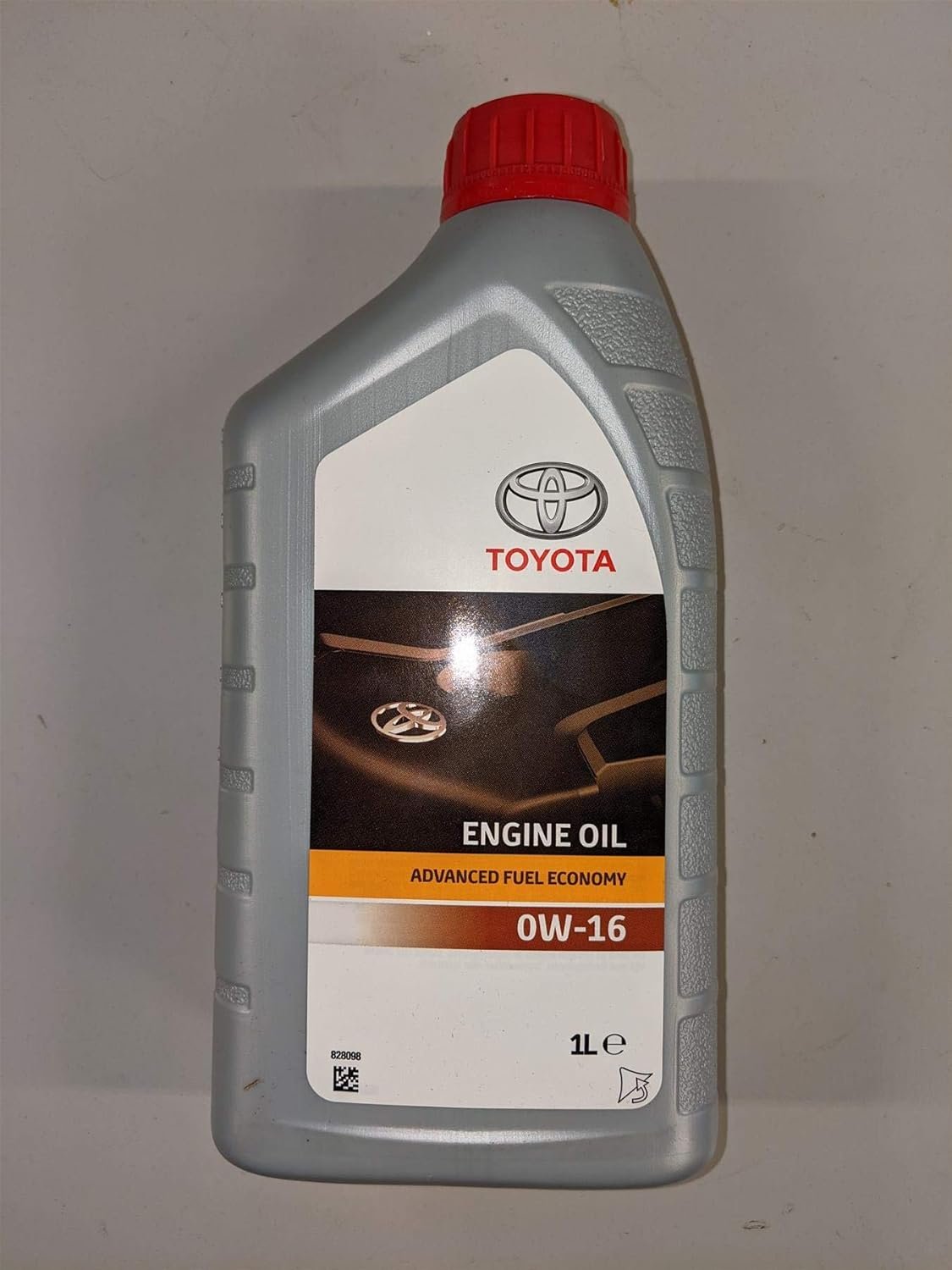
As an Amazon Associate, we may earn from qualifying purchases. This doesn't affect our recommendations — we only suggest oils that hold the exact OEM approval for your engine.
Best Engine Oil for Toyota Corolla E210 2.0L Dynamic Force (169 HP)
The US-market Toyota Corolla E210 with the 2.0-liter Dynamic Force engine is a fundamentally different car from the European 1.8 hybrid variant. The M20A-FKS is a naturally aspirated, non-hybrid four-cylinder producing 169 horsepower and 151 lb-ft of torque, paired with either a CVT or a six-speed manual. It represents Toyota’s most thermally efficient conventional gasoline engine, built around a 13.0:1 compression ratio and D-4S dual injection — technologies that demand precise lubrication. With proper oil, the M20A-FKS routinely exceeds 200,000 miles without major issues. This guide covers the correct specification, capacity, and best oil choices for US owners.
Quick Answer: Recommended Oil
For Toyota Corolla E210 2.0L Dynamic Force (169 HP, M20A-FKS):
- Specification: API SP
- Preferred viscosity: SAE 0W-16
- Alternative viscosity: SAE 0W-20
- Oil capacity: 4.8 quarts with filter (4.5 quarts without)
Key point: Toyota specifies SAE 0W-16 as the primary viscosity. The engine’s bearing clearances and oil gallery sizing were engineered around this ultra-low viscosity grade. SAE 0W-20 meeting API SP is listed in the owner’s manual as an acceptable alternative, but Toyota recommends returning to 0W-16 at the next service. Do not use 5W-20, 5W-30, or any heavier grade — the M20A-FKS gains nothing from thicker oil and the increased friction works against its efficiency-focused design.
The M20A-FKS Engine
The M20A-FKS is a 1,987cc inline four-cylinder from Toyota’s Dynamic Force family, the same architecture underpinning the Camry, RAV4, and Lexus UX in various configurations. It achieves roughly 40 percent thermal efficiency — a figure that was considered the practical ceiling for mass-production gasoline engines only a decade ago.
The defining technology is D-4S dual injection. The engine uses both direct injection (high-pressure fuel into the combustion chamber) and port injection (fuel into the intake manifold) depending on operating conditions. At low loads and cold starts, port injection dominates, washing the intake valves with fuel to prevent the carbon buildup that plagues direct-injection-only engines like the Mazda Skyactiv-G and many turbocharged competitors. Under higher loads, direct injection provides precise fuel metering and superior knock resistance. This dual approach eliminates the carbon-clogged intake valve problem while retaining full GDI efficiency benefits.
The 13.0:1 compression ratio is aggressive for a naturally aspirated engine running regular 87-octane fuel. Toyota manages this through fast-burn combustion chamber geometry, Dual VVT-iE (electric motor-driven intake, hydraulic exhaust), and the D-4S system’s real-time injection strategy adjustments. The bore of 80.5mm and stroke of 97.6mm create a long-stroke design favoring torque at moderate RPM. A maintenance-free timing chain drives the valvetrain and is designed to last the engine’s lifetime when maintained with correct oil.
Understanding API SP Oil Specifications
API SP is the current top-tier American Petroleum Institute service category, introduced in 2020 specifically to address the demands of modern high-compression engines. For the M20A-FKS, the most critical element is Low-Speed Pre-Ignition (LSPI) prevention. At 13.0:1 compression, cylinder pressures are near the upper limit of safe gasoline engine operation. Under specific conditions of low RPM and high load, certain oil formulations can contribute to abnormal combustion events that damage pistons and connecting rods. API SP mandates additive packages that minimize this risk.
The specification also addresses timing chain wear protection, oxidation resistance at elevated temperatures, and emissions system compatibility. Always confirm the API SP certification mark (the starburst symbol) on the bottle before purchase.
SAE 0W-16 is among the thinnest engine oil grades available. The “0W” cold rating ensures rapid flow even at -40F, protecting northern-state engines from first-crank wear on the coldest mornings. The “16” hot rating provides a thin but engineered oil film that minimizes friction while maintaining adequate film strength for the M20A-FKS’s tight clearances. SAE 0W-20 is marginally thicker at operating temperature — the difference is small enough that Toyota approves it as a substitute, but 0W-16 remains the preferred grade for optimal efficiency.
Technical Specifications: M20A-FKS
| Specification | Value |
|---|---|
| Displacement | 1,987cc (2.0 liters) |
| Layout | Inline-4, transverse, aluminum block and head |
| Injection | D-4S dual injection (direct + port) |
| Valvetrain | DOHC, 16 valves, timing chain, Dual VVT-iE |
| Bore x Stroke | 80.5mm x 97.6mm |
| Compression Ratio | 13.0:1 |
| Power | 169 HP @ 6,600 RPM |
| Torque | 151 lb-ft @ 4,800 RPM |
| Fuel Type | Regular unleaded (87 octane minimum) |
| Preferred Viscosity | SAE 0W-16 |
| Alternative Viscosity | SAE 0W-20 |
| Oil Capacity (without filter) | 4.5 quarts (4.3 liters) |
| Oil Capacity (with filter) | 4.8 quarts (4.6 liters) |
| Oil Specification | API SP |
| Timing | Chain (lifetime, no scheduled replacement) |
Best Value: Valvoline Advanced Full Synthetic 0W-20 For owners who prefer 0W-20 or cannot source 0W-16 locally, Valvoline’s Advanced Full Synthetic meets API SP with proven anti-wear and detergent properties. The 0W-20 viscosity is Toyota’s listed alternative for the M20A-FKS, so there is no risk to the engine. At $22-26 per 5 quarts, it is the most affordable option on this list without sacrificing any specification requirement.
Oil Change Intervals
Toyota Official Recommendation:
- Standard service: 10,000 miles or 12 months (whichever comes first)
- Severe conditions: 5,000 miles or 6 months
Recommended Practice: 5,000 to 7,500 miles for most US drivers.
Toyota’s 10,000-mile interval assumes highway-dominant driving in moderate climates. Most American driving patterns — frequent short trips, stop-and-go commuting, temperature extremes — fall under Toyota’s “severe conditions” definition. A 5,000 to 7,500-mile interval costs an additional $25-35 per year in oil and provides meaningfully better engine protection over the long term.
With 4.8 quarts total capacity, the cost of a DIY oil change using quality 0W-16 is approximately $30-40 including the filter. For an engine that routinely exceeds 200,000 miles, this is among the cheapest insurance in automotive maintenance.
Why Correct Oil Matters for the M20A-FKS
The 13.0:1 compression ratio subjects the oil to higher combustion pressures and temperatures than most naturally aspirated engines produce. Deposits on the piston crown or ring lands can create hot spots that trigger pre-ignition or knock, forcing the ECU to retard timing and reduce output. API SP oils with strong detergent packages prevent these deposits from forming.
The hydraulic chain tensioner on the exhaust side relies on consistent oil pressure and film strength. A chain running with insufficient tension develops slack that accelerates wear on the chain, guides, and sprockets. Over 200,000 miles, incorrect oil can be the difference between a chain that lasts the engine’s lifetime and one that requires costly replacement.
The exhaust-side VVT-i actuator depends entirely on oil quality for proper function. Contaminated or degraded oil causes sluggish valve timing response, reducing efficiency and increasing emissions — a real concern in states with strict inspection programs.
Common M20A-FKS Problems Related to Oil
EGR Valve Carbon Buildup: The exhaust gas recirculation valve is a documented failure point on the M20A-FKS. Carbon deposits accumulate on the valve over time, causing it to stick. Symptoms include rough idle, hesitation, and check engine lights with codes P0401 or P0402. While EGR fouling is fundamentally an exhaust-side issue, quality oil with strong detergents reduces the volume of carbon-laden combustion byproducts reaching the EGR circuit. Periodic highway driving at sustained speeds helps burn off accumulated deposits. Monitor for symptoms beyond 80,000 miles.
Piston Ring Oil Consumption: Some M20A-FKS engines, particularly from 2019-2020 production, exhibit elevated oil consumption — up to 1 quart per 3,000-5,000 miles. Toyota has acknowledged this in technical service bulletins. Check your oil level at every fuel stop or at minimum every 1,000 miles. With only 4.8 quarts total, losing a quart represents 20 percent of the oil volume. Top off with the same specification rather than waiting for the next scheduled service. If consumption exceeds 1 quart per 3,000 miles and the car is within warranty, bring documentation to your dealer.
Timing Chain Cold-Start Rattle: Some owners report a brief rattle lasting two to three seconds on cold start before oil pressure reaches the hydraulic tensioner. This is more common on vehicles with stretched oil change intervals or heavier-than-specified oil. Maintaining 0W-16 and reasonable service intervals keeps the tensioner functioning correctly.
Conclusion
The Toyota Corolla E210 2.0L Dynamic Force requires 4.8 quarts of API SP compliant SAE 0W-16 engine oil at every service, with SAE 0W-20 as a fully acceptable alternative. Choose from Toyota Genuine 0W-16, Mobil 1 Advanced Fuel Economy 0W-16, Idemitsu 0W-16, or Valvoline Advanced Full Synthetic 0W-20, and verify the API SP certification on the bottle before purchase.
The M20A-FKS is one of the most thermally efficient naturally aspirated gasoline engines ever mass-produced. Its 13.0:1 compression, D-4S dual injection, and timing chain valvetrain are engineered for longevity — 200,000 miles is a realistic baseline with proper maintenance. Monitor your oil level between services, especially if your engine falls within the affected production years for oil consumption. Respect the 0W-16 specification, maintain sensible intervals, and the M20A-FKS will deliver the long-term reliability Toyota is known for.
Our Top Picks
As an Amazon Associate, we may earn from qualifying purchases. This doesn't affect our recommendations — we only suggest oils that hold the exact OEM approval for your engine.