 Oil-
Oil-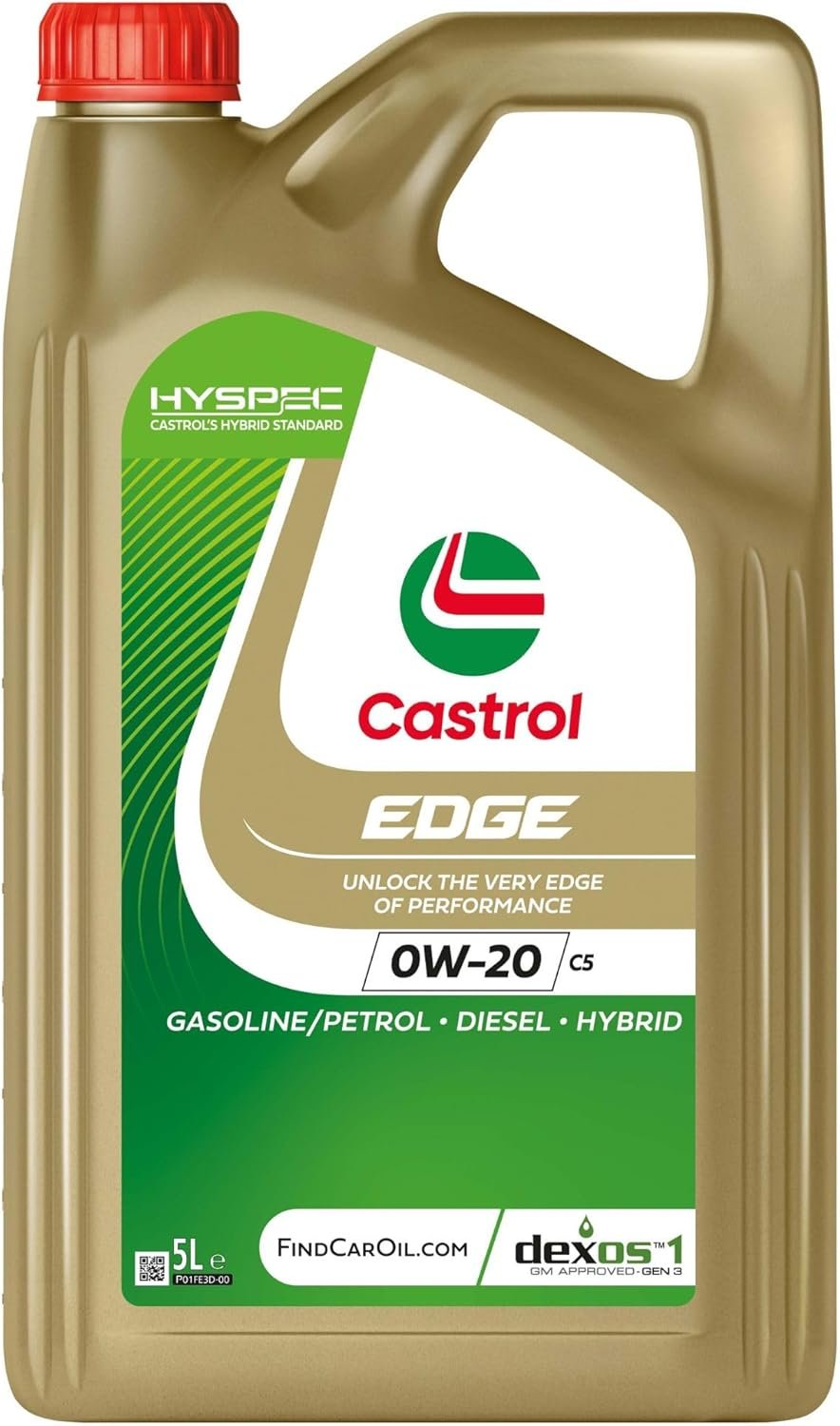

As an Amazon Associate, we may earn from qualifying purchases. This doesn't affect our recommendations — we only suggest oils that hold the exact OEM approval for your engine.
Best Engine Oil for Toyota Corolla E210 1.8 Hybrid (122 HP)
The Toyota Corolla E210 with the 1.8 Hybrid powertrain is one of the most dependable vehicles on British roads. Built around the 2ZR-FXE engine—a unit with over fifteen years of proven service in the Prius family—the Corolla Hybrid combines exceptional fuel economy with the kind of long-term durability that sees taxi fleets routinely exceed 400,000 miles. But hybrid operation places unique demands on engine oil. The 2ZR-FXE starts and stops constantly as the electric motor takes over, creating thermal cycling patterns that conventional engines never experience. This guide covers the correct oil specification, capacity, and best choices for your Corolla Hybrid, with particular attention to the demands hybrid driving places on the lubricant.
Quick Answer: Recommended Oil
For Toyota Corolla E210 1.8 Hybrid (122 HP):
- Specification: ACEA C5 with SAE 0W-20
- Preferred viscosity: SAE 0W-16 (where available)
- Alternative viscosity: SAE 0W-20
- Oil capacity: 4.2 litres with filter (3.9 L without)
Key point: Toyota’s preferred viscosity for the 2ZR-FXE is 0W-16 for maximum fuel efficiency, but 0W-20 meeting ACEA C5 is the widely available and fully acceptable alternative. Both viscosities protect the engine identically under normal operating conditions. Since 0W-16 oils remain uncommon in the UK aftermarket, 0W-20 is the practical choice for most owners.
The 2ZR-FXE Engine
The 2ZR-FXE is a 1,798cc inline four-cylinder petrol engine producing 98 HP at 5,200 RPM. Combined with the electric motor, the hybrid system delivers a total output of 122 HP. Originally introduced in the third-generation Prius in 2009, this engine has accumulated one of the longest and most thoroughly validated service records of any modern powertrain. Its deployment across the Prius, Corolla, C-HR, and various Lexus models means millions of units are in service worldwide, providing an enormous body of real-world reliability data.
The 2ZR-FXE operates on the Atkinson cycle, where the intake valves remain open longer than in a conventional Otto cycle engine. This allows a portion of the intake charge to flow back into the manifold before compression begins, effectively creating a smaller compression volume relative to the expansion volume. The result is higher thermal efficiency at the cost of reduced power per litre—a trade-off that makes perfect sense in a hybrid where the electric motor compensates for the power deficit during acceleration.
The engine features a DOHC 16-valve aluminium head with Toyota’s Dual VVT-i (Variable Valve Timing with intelligence) on both intake and exhaust camshafts. A timing chain drives the camshafts, eliminating the need for scheduled belt replacement. The chain is designed to last the engine’s lifetime, but it depends on adequate oil pressure and quality to keep the hydraulic tensioner functioning correctly. The bore of 80.5mm and stroke of 88.3mm create an undersquare design that favours low-end torque efficiency over high-RPM power—precisely the characteristic wanted in a hybrid application where the engine operates most frequently between 1,500 and 3,500 RPM.
At 4.2 litres with filter, the oil capacity is modest but adequate. Each litre of oil must manage combustion byproducts, maintain hydraulic pressure for the VVT-i system and chain tensioner, and endure the thermal cycling unique to hybrid operation. This makes oil quality and specification compliance essential rather than optional.
Understanding the Oil Specification
ACEA C5 (Primary Specification)
ACEA C5 is the lowest-viscosity category in the European ACEA classification system, designed specifically for engines that demand maximum fuel economy from their lubricant. Toyota specifies C5 for the 2ZR-FXE because the engine was designed around ultra-low friction oil from the outset.
- Ultra-low HTHS viscosity: ACEA C5 oils have a minimum High Temperature High Shear viscosity of 2.6 mPa.s—lower than C1, C2, or C3 categories. This reduces hydrodynamic friction losses within the engine, directly improving fuel economy.
- Low SAPS chemistry: The reduced Sulphated Ash, Phosphorus, and Sulphur content protects the catalytic converter over the vehicle’s lifetime, which is particularly important for a hybrid that produces fewer exhaust gases per mile and therefore needs its catalyst to remain efficient.
- Engineered for modern clearances: The 2ZR-FXE’s bearing and ring clearances were designed for this thin oil film. Using a thicker C3 or C4 oil provides no additional protection and increases parasitic friction, working against the engine’s fundamental design philosophy.
Do not substitute ACEA C3 oils. While they offer excellent protection in engines designed for them, their higher HTHS viscosity and different friction characteristics conflict with the 2ZR-FXE’s engineering. The fuel economy penalty is measurable, and the claimed “extra protection” from thicker oil is a myth when applied to an engine specifically designed for C5 lubricants.
SAE 0W-16 vs 0W-20
Toyota’s preferred viscosity for the 2ZR-FXE is 0W-16, the thinnest grade commonly specified for passenger car engines. This ultra-low viscosity maximises fuel economy by minimising oil film resistance, and the engine’s tight manufacturing tolerances support it safely. The “0W” cold rating ensures excellent flow at temperatures down to -40 degrees Celsius, protecting the engine from the first moment of cranking on the coldest British winter mornings.
However, 0W-16 oils remain relatively scarce in the UK aftermarket. Toyota dealers stock them, but independent garages and online retailers carry limited options. For this reason, 0W-20 meeting ACEA C5 is the practical everyday choice. The viscosity difference between 0W-16 and 0W-20 at operating temperature is marginal, and both grades provide full protection for the 2ZR-FXE under all normal driving conditions. The fuel economy difference amounts to fractions of a percent—measurable on a laboratory dynamometer but imperceptible in real-world driving.
Technical Specifications: 2ZR-FXE
| Specification | Value |
|---|---|
| Displacement | 1,798cc (1.8 litre) |
| Layout | Inline-4, transverse, aluminium block and head |
| Cycle | Atkinson |
| Valvetrain | DOHC, 16 valves, timing chain, Dual VVT-i |
| Bore x Stroke | 80.5mm x 88.3mm |
| Compression Ratio | 13.0:1 |
| Power (engine alone) | 98 HP @ 5,200 RPM |
| Combined System Output | 122 HP |
| Torque | 142 Nm @ 3,600 RPM |
| Fuel Type | Petrol, 95 RON minimum |
| Preferred Viscosity | SAE 0W-16 |
| Alternative Viscosity | SAE 0W-20 |
| Oil Capacity (without filter) | 3.9 litres |
| Oil Capacity (with filter) | 4.2 litres |
| ACEA Norm | C5 |
| Timing | Chain (lifetime, no scheduled replacement) |
Alternative: Shell Helix Ultra Professional AS-L 0W-20 Shell’s PurePlus gas-to-liquid base oil technology produces an exceptionally clean base stock with minimal impurities, starting from natural gas rather than crude oil. The result is strong oxidation stability and consistent viscosity performance throughout the drain interval. The AS-L formulation meets ACEA C5 requirements with effective low-SAPS chemistry to protect the catalytic converter. Widely available across the UK at £35-45 for 5 litres.
Oil Change Intervals
Toyota Official Recommendation:
- Standard service: 10,000 miles or 12 months (whichever comes first)
- Intermediate check: 5,000 miles or 6 months
Recommended Practice: 10,000 miles or annually.
The 2ZR-FXE is notably easy on its oil compared to turbocharged engines. The naturally aspirated Atkinson cycle generates lower exhaust gas temperatures, the absence of a turbocharger eliminates oil coking risk, and the hybrid system reduces the engine’s total running hours per mile driven. Many Corolla Hybrid owners report their oil remains clean and at the correct level even at 10,000-mile intervals.
Consider shorter intervals (7,500 miles) if:
- Predominantly short urban trips under 5 miles where the engine barely runs
- Extended periods of heavy traffic where thermal cycling is extreme
- Vehicle has exceeded 150,000 miles
- You notice any oil consumption between services
- Cold climate driving with frequent sub-zero starts
The cost of servicing the 2ZR-FXE is modest—4.2 litres of quality 0W-20 costs roughly £30-40, plus a filter at £6-10. Given the Corolla Hybrid’s exceptional fuel economy, the total running costs remain among the lowest in the family car segment.
Hybrid-Specific Oil Considerations
Thermal Cycling and Head Gasket Stress
The 2ZR-FXE in hybrid service operates in a fundamentally different pattern to a conventional engine. In a standard car, the engine starts once per journey and runs continuously until you switch off. In the Corolla Hybrid, the engine may start and stop dozens of times during a single drive as the hybrid system cycles between electric and petrol power. Each restart brings a burst of combustion heat into components that have partially cooled during electric-only running.
This repeated thermal cycling places stress on the head gasket, which must repeatedly expand and contract as temperatures fluctuate. While head gasket failure is not common on the 2ZR-FXE—Toyota’s engineering accounts for this duty cycle—it is a documented failure mode that becomes more likely with age and high mileage. Quality oil with strong thermal stability and effective corrosion inhibitors helps maintain the gasket’s sealing surface by preventing the localised hot spots and deposit formation that can initiate gasket erosion.
Engine Stops and Oil Film Retention
When the hybrid system shuts the engine down at traffic lights or during low-speed coasting, the oil pump stops turning. Oil drains from upper engine surfaces back into the sump, leaving the camshafts, VVT-i actuators, and timing chain momentarily unlubricated. When the engine restarts seconds later, it must build oil pressure from near-zero to full flow almost instantaneously.
This is precisely why Toyota specifies ultra-low viscosity oil. SAE 0W-20 (and 0W-16) flows faster through galleries and reaches critical components sooner after each restart than thicker grades would. The “0W” cold-flow rating is not just about winter mornings—it is about every engine restart throughout the day. An oil that flows quickly reduces the cumulative wear from hundreds of momentary dry-start events over the vehicle’s life.
Piston Ring Oil Consumption
Some 2ZR-FXE engines exhibit minor oil consumption from the piston rings, typically between 0.3 and 0.5 litres per 10,000 miles. This is within Toyota’s acceptable range and is not a defect. The tight piston ring tension that enables low friction and high efficiency allows a small amount of oil past the rings under certain operating conditions, particularly during engine braking phases when manifold vacuum is high.
Monitor your oil level monthly using the dipstick. With only 4.2 litres in the sump, losing even half a litre represents a meaningful reduction in total oil volume. Top up with the same specification oil rather than waiting for the next service. This minor maintenance habit is far preferable to running the engine a litre low, which concentrates contaminants and reduces the oil’s ability to cool and clean.
Other Known Issues
Coolant Pump Concerns: A small number of 2ZR-FXE engines have experienced electric water pump failures. The hybrid system uses an electric coolant pump rather than a mechanical one, allowing coolant circulation even when the engine is stopped. While failures are rare, a seized pump causes rapid overheating that degrades oil quality and can damage the engine. Watch for the temperature warning and investigate any coolant loss promptly.
Timing Chain Longevity: The timing chain on the 2ZR-FXE is exceptionally durable, with failures being almost unheard of in engines maintained with correct oil. The hydraulic tensioner relies on oil pressure, so maintaining proper oil level and quality is the single most important factor in chain longevity. Chain noise on cold start—a brief rattle lasting two to three seconds—may indicate a tensioner beginning to wear, though this is uncommon before 200,000 miles.
EGR System Deposits: The exhaust gas recirculation system can accumulate carbon deposits over high mileage, causing rough idle or reduced performance. This is not directly an oil issue, but quality oil with strong detergent properties helps minimise deposit formation throughout the engine. Regular motorway driving at sustained speeds helps burn off deposits naturally.
Conclusion
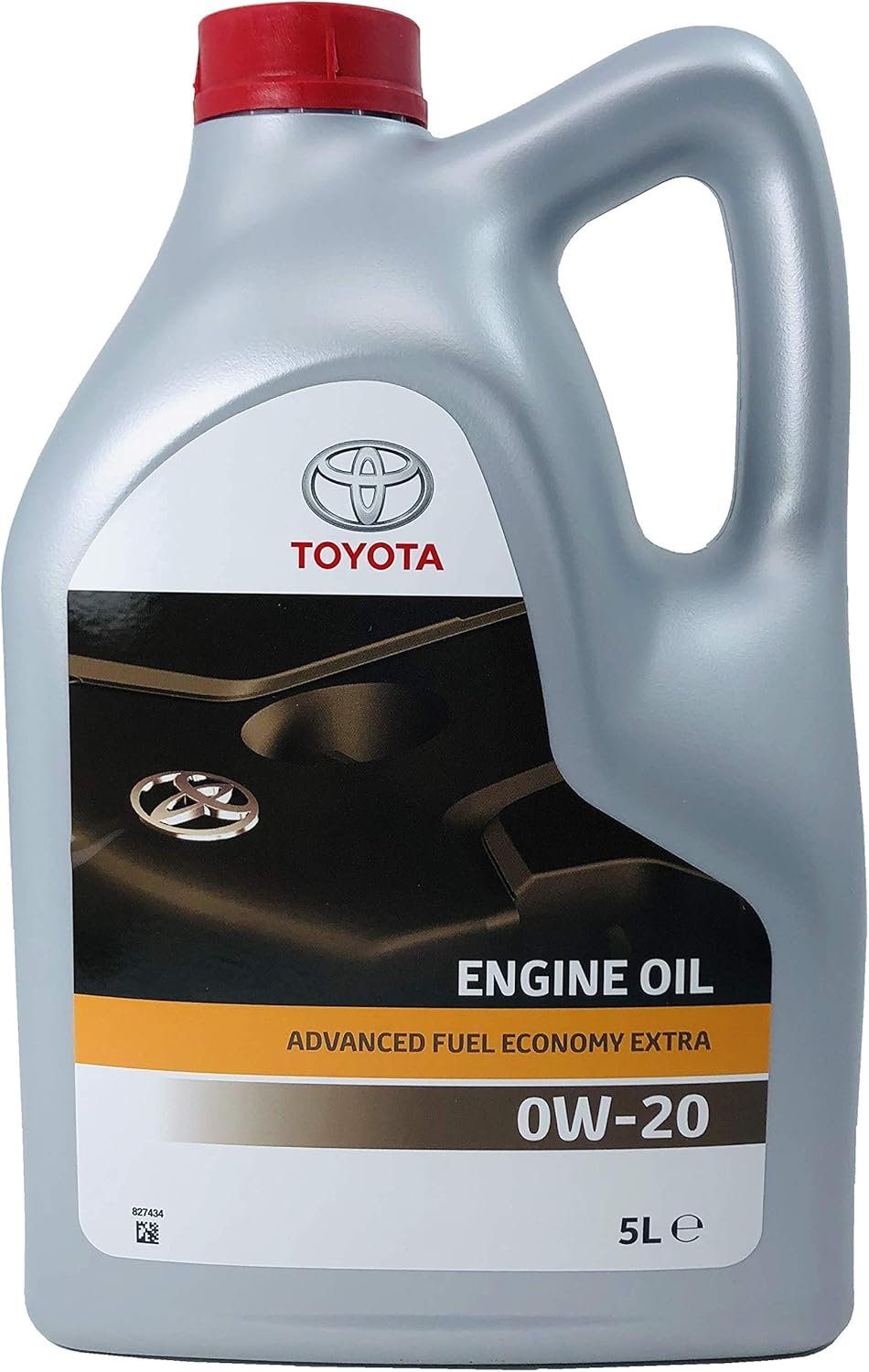
The Toyota Corolla E210 1.8 Hybrid requires ACEA C5 rated SAE 0W-20 engine oil (or 0W-16 where available) with a capacity of 4.2 litres including the filter. Choose from proven options—Toyota Genuine Motor Oil 0W-20, Mobil 1 ESP x2 0W-20, Castrol EDGE 0W-20, or Shell Helix Ultra Professional AS-L 0W-20—and confirm the ACEA C5 rating on the bottle before purchase.
The 2ZR-FXE is a genuinely remarkable engine. Its Atkinson cycle efficiency, Prius-proven reliability, and hybrid integration represent fifteen years of continuous refinement by Toyota. Taxi fleets running well beyond 400,000 miles demonstrate what is possible when this powertrain receives consistent, correct maintenance. The oil specification exists for a reason: ultra-low viscosity protects against the hundreds of daily engine restarts, ACEA C5 chemistry preserves the catalytic converter, and quality base stocks resist the thermal cycling unique to hybrid operation. Respect the specification, maintain sensible intervals, and the 2ZR-FXE will reward you with hundreds of thousands of trouble-free miles.
Our Top Picks
As an Amazon Associate, we may earn from qualifying purchases. This doesn't affect our recommendations — we only suggest oils that hold the exact OEM approval for your engine.