 Oil-
Oil-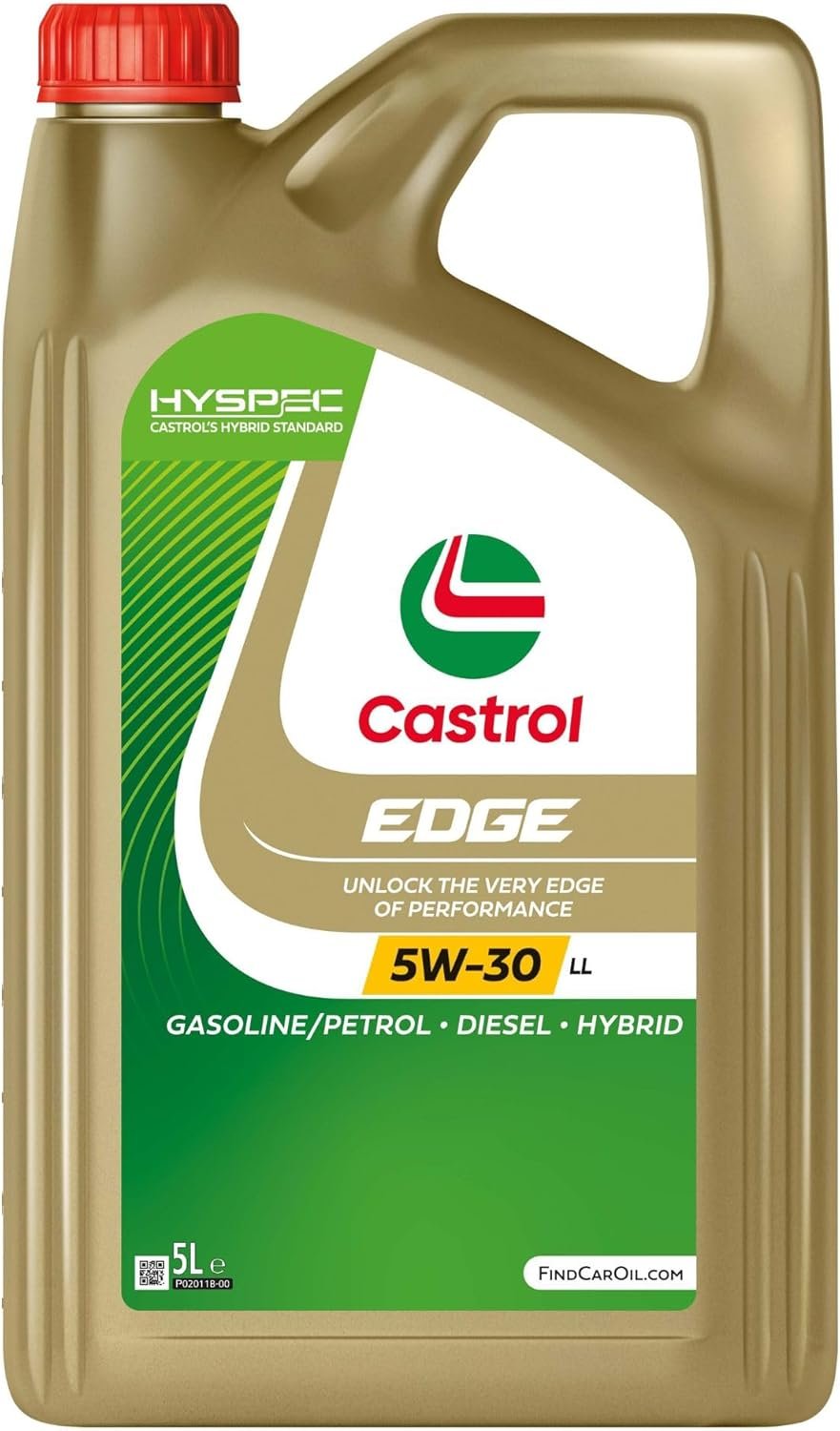
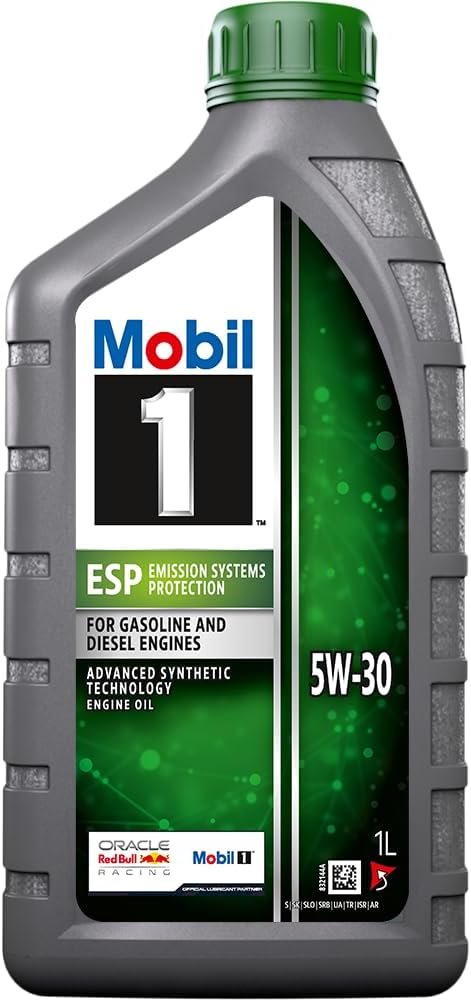
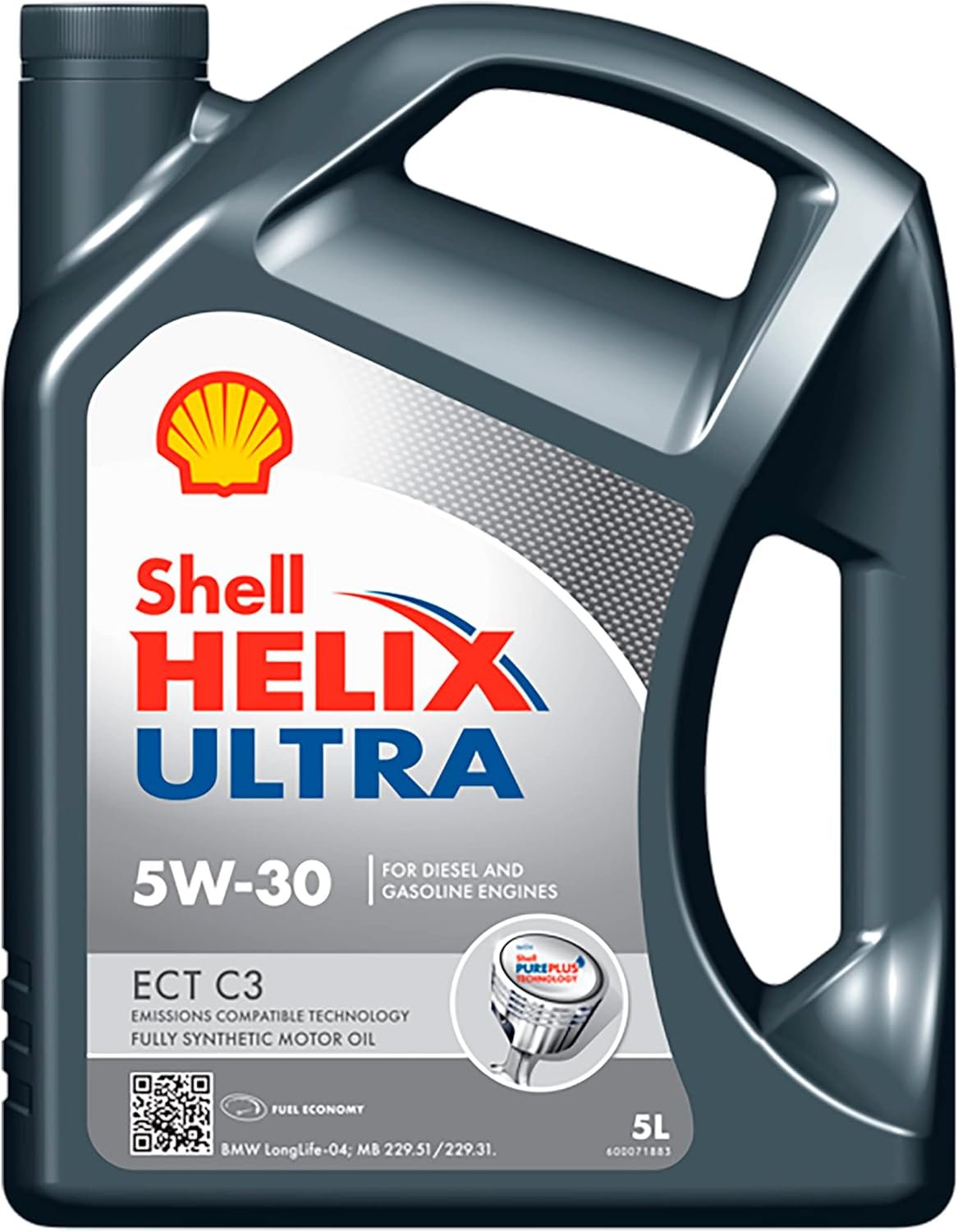
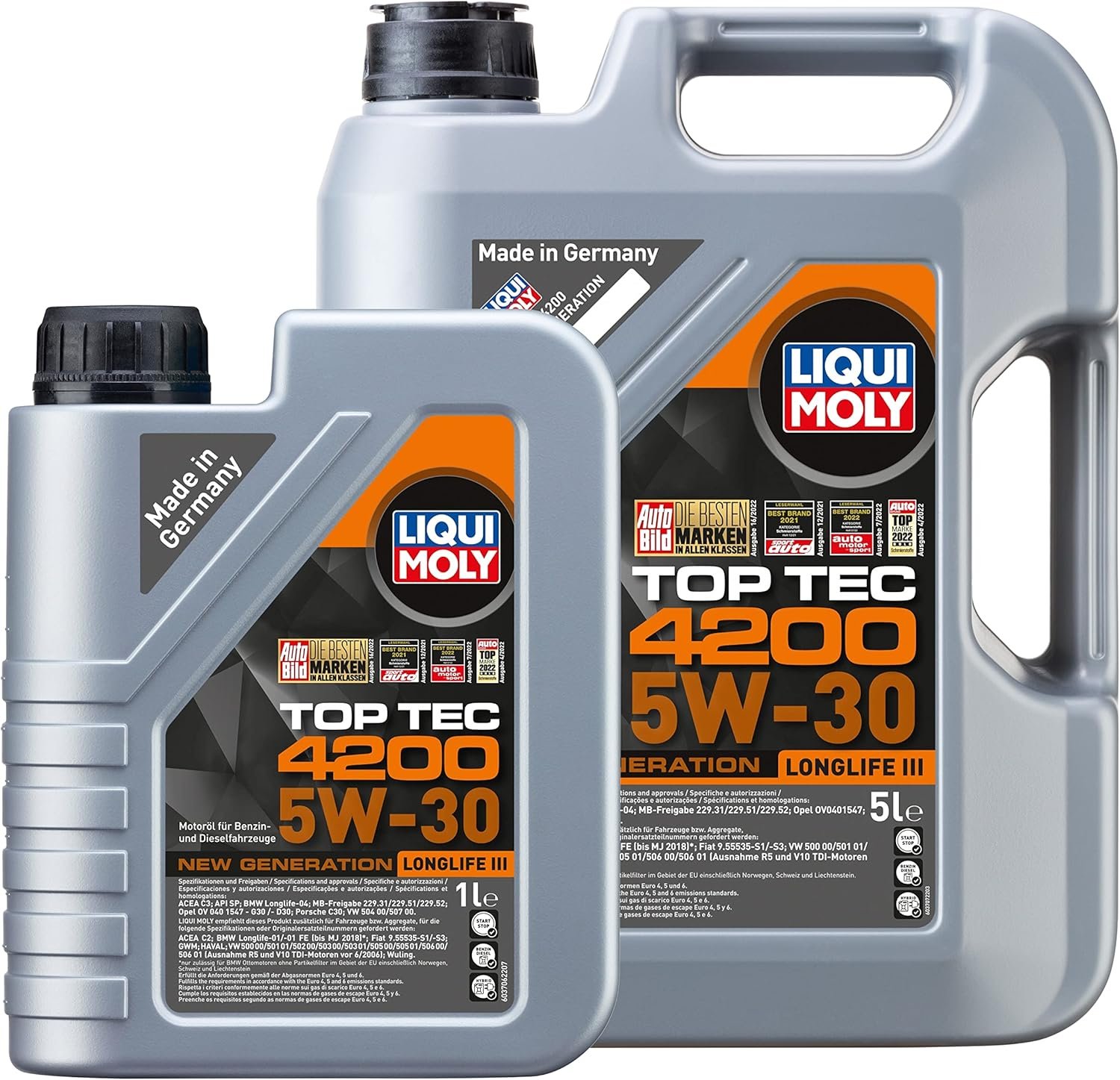
As an Amazon Associate, we may earn from qualifying purchases. This doesn't affect our recommendations — we only suggest oils that hold the exact OEM approval for your engine.
Best Engine Oil for Toyota Avensis T25 2.0 D-4D (1AD-FTV) – Capacity & Specifications
The Toyota Avensis T25 occupied an unusual position in the European diesel market: a Japanese car engineered specifically to compete with the Ford Mondeo and Volkswagen Passat on their home turf. The 2.0 D-4D variant, fitted with Toyota’s in-house 1AD-FTV engine, was the powertrain most buyers chose — and for good reason. At 116 hp in early tune and 126 hp from around 2005, it offered sufficient performance alongside the long-term reliability Toyota’s reputation demanded.
Choosing the right engine oil for the 1AD-FTV is not optional fine-tuning. This engine’s architecture — high-pressure common-rail injection, a diesel particulate filter standard on post-2006 UK examples, and relatively tight production tolerances for a diesel of its era — makes the lubricant specification critical. Use the wrong oil and you accelerate wear on injectors, risk DPF blockages, and compromise the engine’s long-term durability.
Quick Answer: Recommended Oil
- Primary specification: ACEA C3, 5W-30
- Alternative viscosity: 5W-40 (older vehicles, high-mileage, warmer climates)
- Oil capacity (drain and refill): 5.9 litres
- Oil capacity (with filter replacement): 6.3 litres
ACEA C3 is mandatory for any Avensis T25 2.0 D-4D fitted with a DPF. C3-rated oils are formulated with low SAPS (Sulphated Ash, Phosphorus, Sulphur) content, which is essential to prevent the DPF substrate from clogging with non-combustible ash over time. Using a conventional high-SAPS oil — even a high-quality one — will progressively poison the DPF and shorten its life.
The 1AD-FTV Engine and the AD-Series Diesel Family
Toyota’s AD-series diesel engines represented the company’s first serious attempt to build a competitive European-style common-rail diesel from scratch. Before the AD series, Toyota relied primarily on the 1CD-FTV (used in the earlier T220 Avensis and several other models) — a technically accomplished engine but one that proved prone to injector and head gasket problems at high mileage.
The 1AD-FTV, introduced in 2003 with the T25 Avensis, was a clean-sheet 2.0-litre unit. It displaces 1,998 cc with a bore of 86.0 mm and a stroke of 86.0 mm — a perfectly square configuration that balances reciprocating speed with combustion efficiency. The engine runs a Denso common-rail system delivering fuel at up to 1,600 bar in earlier variants, with the compression ratio set at 16.3:1. Power output was initially 116 hp (85 kW) with 260 Nm of torque, later upgraded to 126 hp (93 kW) and 300 Nm as Toyota refined the injection mapping.
The AD-series family subsequently expanded to include the 2.2-litre 2AD-FTV, used in later Avensis generations, Auris, and RAV4 models. The 2AD-FTV addressed some of the 1AD-FTV’s early teething problems and became Toyota’s primary diesel offering in Europe through the late 2000s and early 2010s, earning a strong reliability reputation. The 1AD-FTV, being the first generation of this family, had a more mixed record — capable and durable when maintained correctly, but with specific failure modes that buyers should know about.
Understanding the Oil Specification: Why ACEA C3?
ACEA (Association des Constructeurs Européens d’Automobiles) categorises engine oils by their suitability for different engine types and emission control systems. The C-category classifications are specifically designed for engines fitted with after-treatment devices — catalytic converters and diesel particulate filters.
ACEA C3 is the most demanding of the mainstream C-category specs. It requires:
- Low sulphated ash (maximum 0.8% by weight) to protect the DPF from ash accumulation
- Low phosphorus (maximum 0.08%) to protect the catalytic converter
- Low sulphur (maximum 0.3%) for both after-treatment compatibility and reduced engine deposits
- High-temperature viscosity stability (HTHS viscosity of at least 3.5 mPa·s)
The HTHS requirement is particularly relevant to the 1AD-FTV. Unlike some modern engines designed around ultra-low-viscosity oils, the 1AD-FTV was engineered to run with a film of meaningful thickness under load. The minimum 3.5 mPa·s HTHS in C3 oils ensures adequate protection across the engine’s bearings, piston rings, and turbocharger at operating temperature.
A 5W-30 viscosity grade is the primary recommendation: the cold-start “5W” rating provides adequate flow at low temperatures (important for UK winters), while the “30” grade hot viscosity suits normal operating conditions. The 5W-40 alternative is appropriate for higher-mileage examples where some bore wear has occurred and slightly greater viscosity provides better oil control, or for driving in sustained high-temperature conditions.
Technical Specifications
| Specification | Detail |
|---|---|
| Engine code | 1AD-FTV |
| Displacement | 1,998 cc |
| Layout | Inline-4, DOHC, 16-valve |
| Bore × Stroke | 86.0 mm × 86.0 mm |
| Compression ratio | 16.3:1 |
| Power output | 116 hp (85 kW) / 126 hp (93 kW) |
| Torque | 260 Nm (116 hp) / 300 Nm (126 hp) |
| Fuel system | Denso common-rail direct injection |
| Turbocharger | Single variable geometry (VGT) |
| Oil capacity (no filter) | 5.9 litres |
| Oil capacity (with filter) | 6.3 litres |
| Recommended viscosity | 5W-30 ACEA C3 |
| Alternative viscosity | 5W-40 ACEA C3 |
Oil Change Intervals
Toyota specified oil change intervals of up to 20,000 km or 12 months (whichever comes first) for the Avensis T25 under normal driving conditions. In practice, most diesel specialists recommend shortening this to 10,000–12,000 km or 12 months for UK driving patterns.
The reason is straightforward: UK urban and semi-urban driving — frequent short journeys, stop-start traffic, extended low-speed running — is classified as “severe” duty by most manufacturers even when their standard intervals appear generous. Under these conditions, fuel dilution of the oil (a known characteristic of DPF-equipped diesels during short-trip regeneration cycles), accelerated soot loading, and moisture accumulation all conspire to degrade oil quality faster than the extended interval assumes.
If the vehicle is used predominantly for motorway or long-distance driving, the longer OEM interval is reasonable with a quality ACEA C3 oil. For city-heavy use, the 10,000–12,000 km interval is the prudent choice. Always replace the oil filter at every change — the 1AD-FTV’s 6.3-litre fill capacity with filter reflects a generously sized sump designed to support extended intervals, but only if clean oil circulates through a fresh filter.
Why Correct Oil Matters for the 1AD-FTV
The 1AD-FTV is a mechanically robust engine, but it has specific sensitivities that make the correct lubricant genuinely important rather than a box-ticking exercise.
DPF protection. Using a high-SAPS oil causes inorganic ash to accumulate in the DPF over time. Unlike soot — which burns off during regeneration — ash is permanent. Over tens of thousands of kilometres, the DPF substrate fills with ash until back-pressure becomes excessive and the filter requires replacement or professional cleaning. A replacement OEM-quality DPF for the Avensis costs upwards of £800 fitted; the cost difference between C3 and non-C3 oil is negligible by comparison.
Turbocharger lubrication. The variable-geometry turbocharger fitted to the 1AD-FTV relies on the oil for both lubrication and cooling of the centre bearing. Thin or degraded oil at high operating temperatures can cause coking in the turbo’s oil feed passages, leading to bearing wear and eventual failure. ACEA C3 oils’ high HTHS rating protects the turbo bearing under sustained load.
Injector cleanliness. The Denso common-rail injectors in the 1AD-FTV are precision components with very tight tolerances. Clean, correctly specified oil helps maintain the cleanliness of the injection system’s return circuits and reduces the risk of lacquer deposits forming in areas where injector return fuel mixes with lubricating oil.
Common 1AD-FTV Problems Related to Oil and Maintenance
EGR valve carbon fouling. This is the most widely reported issue on 1AD-FTV engines in UK service. The exhaust gas recirculation system recirculates hot, soot-laden exhaust gases back into the intake to reduce NOx emissions. Over time — particularly on vehicles used for short urban journeys — carbon deposits accumulate on the EGR valve and intake manifold. Symptoms include rough idling, hesitation under load, black smoke, and in advanced cases limp-mode activation. While not directly caused by incorrect oil, a correctly maintained engine with clean oil extends the interval before EGR cleaning becomes necessary. EGR cleaning or replacement is a well-understood service item on these engines.
DPF clogging. As noted above, the DPF on post-2006 UK Avensis T25 models is sensitive to driving pattern. Vehicles used exclusively on short urban trips may struggle to complete active regeneration cycles — a process requiring sustained engine speed and exhaust temperature above approximately 550°C. Signs of DPF issues include the DPF warning light, reduced performance, and increased fuel consumption. Using ACEA C3 oil delays ash accumulation; regular motorway runs help maintain the filter through passive and active regeneration.
Dual-mass flywheel wear. This is a mechanical issue unrelated to oil specification, but worth knowing: the 1AD-FTV was paired with a dual-mass flywheel whose damper springs weaken over high mileages (typically beyond 180,000 km). A rattling noise at idle with the clutch pedal engaged is the typical symptom. Replacement is expensive (the flywheel and clutch are usually replaced together), but the failure is gradual and the engine itself is not affected.
Injector wear at very high mileage. Beyond 200,000 km, the Denso injectors can develop reduced spray pattern precision or return seal leaks. Symptoms include increased fuel consumption, rough running, and white smoke on cold start. Regular oil changes with clean ACEA C3 oil help minimise the deposit formation that can accelerate injector wear.
Conclusion
The Toyota Avensis T25 2.0 D-4D with the 1AD-FTV engine is a genuinely durable diesel that rewards correct maintenance. Its principal oil requirement is straightforward: ACEA C3 rated, 5W-30 viscosity, with a full fill of 6.3 litres including filter at each service.
The C3 specification is non-negotiable on DPF-equipped examples — it protects both the filter and the engine’s long-term condition. Change the oil every 10,000–12,000 km or 12 months for typical UK driving, and the 1AD-FTV will reliably reach high mileages with no major mechanical intervention. The engine’s known weak points — EGR fouling and DPF clogging — are largely management problems rather than design flaws, and both are mitigated by regular servicing with the correct lubricant.
Our Top Picks
As an Amazon Associate, we may earn from qualifying purchases. This doesn't affect our recommendations — we only suggest oils that hold the exact OEM approval for your engine.