 Oil-
Oil-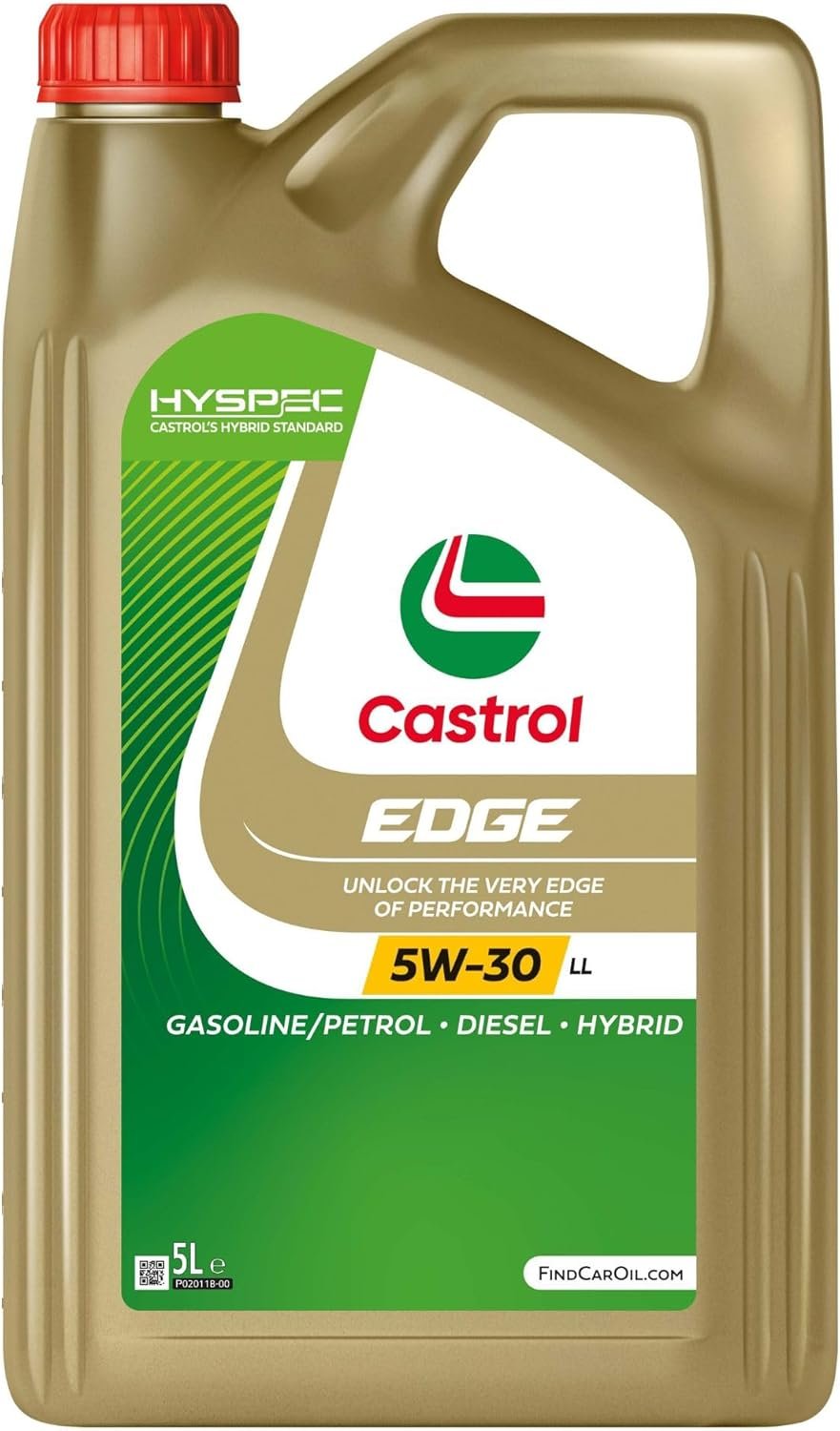
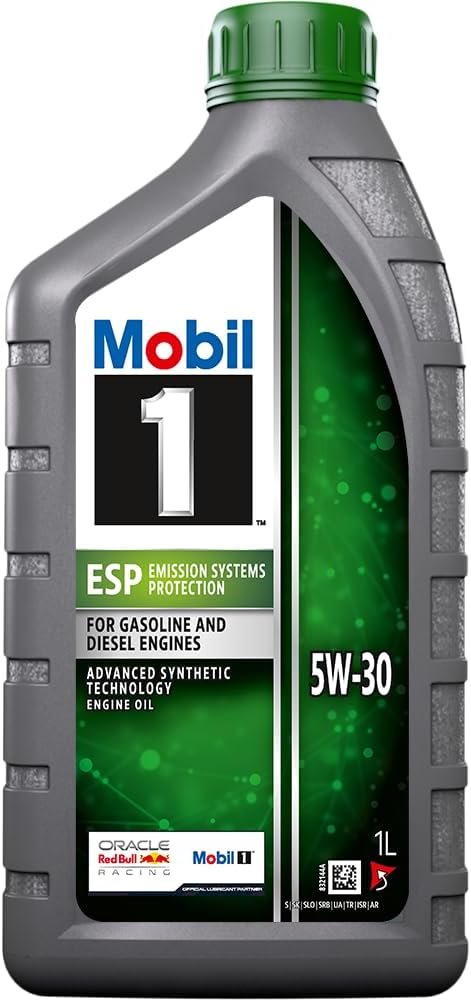
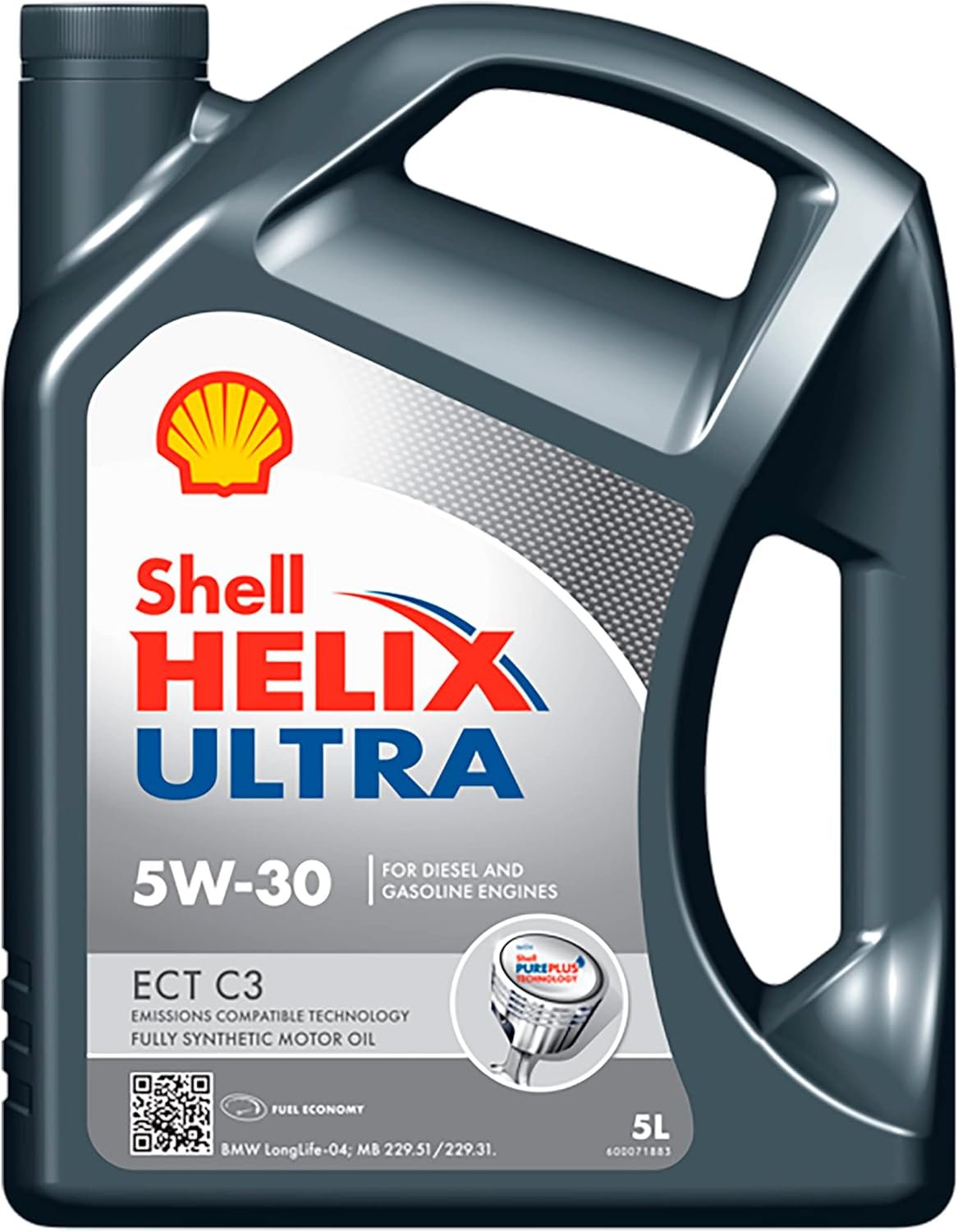
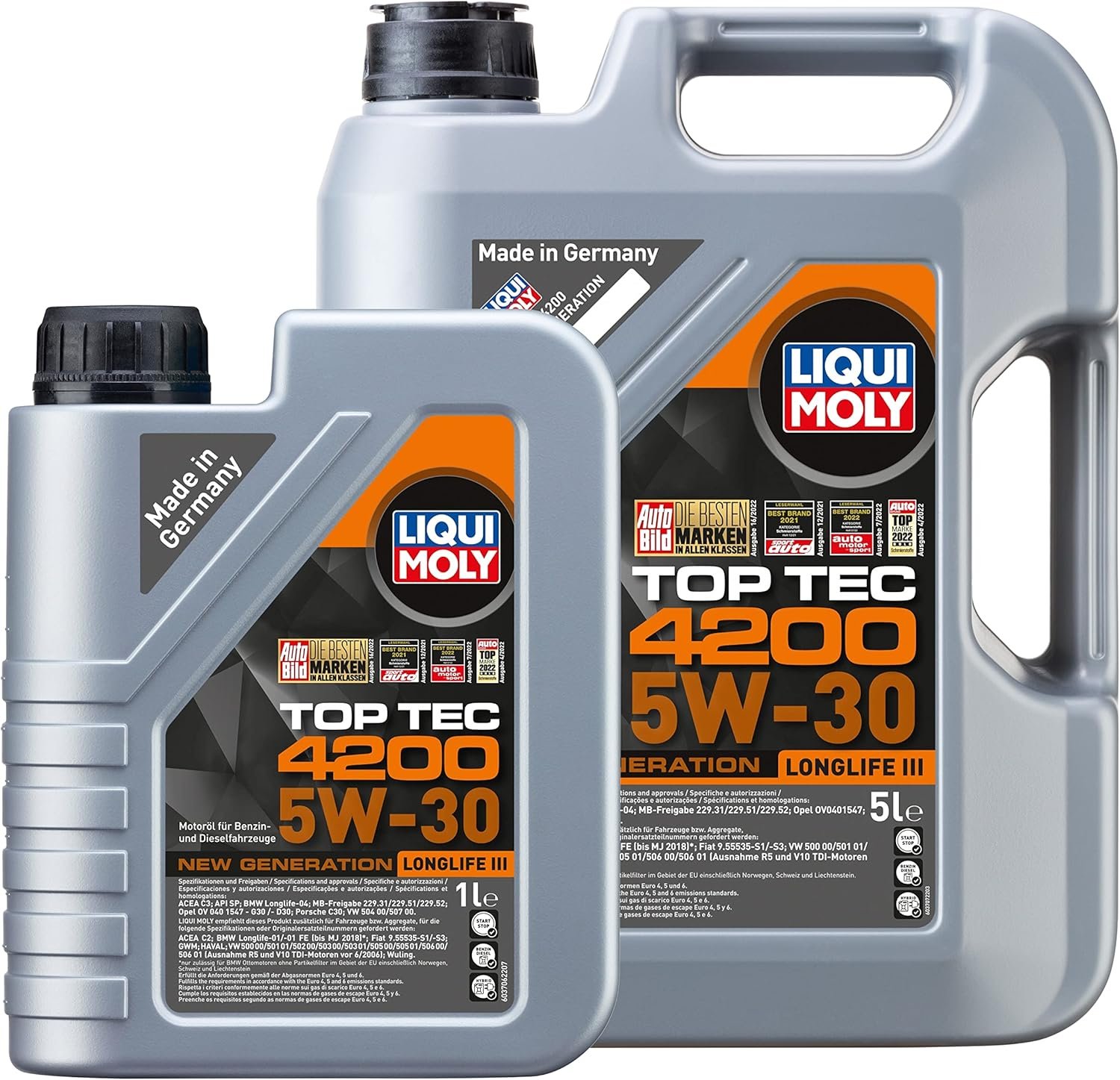
As an Amazon Associate, we may earn from qualifying purchases. This doesn't affect our recommendations — we only suggest oils that hold the exact OEM approval for your engine.
Best Engine Oil for Skoda Yeti 5L 2.0 TDI (110/140/170 hp)
The Skoda Yeti (5L, 2009–2017) is one of the most characterful compact SUVs of its era — practical, honest, and executed with the VW Group’s platform quality at a price below the equivalent Tiguan. The 2.0 TDI diesel variants span three engine codes and output levels: CBDB (110 hp), CFHC (140 hp), and CFFB (170 hp), all from the EA189 common-rail diesel family. This is the same engine family as the VW Scirocco TDI, Audi A5 TDI, and VW Golf TDI — and it carries the same histories: VW 507 00 specification, ACEA C3, and the context of the Volkswagen Dieselgate emissions software recall that affected all EA189-equipped vehicles globally.
Quick Answer: Recommended Oil
- Specification: VW 507 00 / ACEA C3, 5W-30 full synthetic
- Alternative: VW 504 00 5W-30 (if 507 00 unavailable — not preferred for DPF protection)
- Oil capacity with filter: 4.7 litres
- Oil capacity without filter: approx. 4.3 litres
The EA189 2.0 TDI Engines
All three Yeti TDI engines belong to the EA189 common-rail family — a 1,968 cc inline-four turbodiesel developed across VW Group for Euro 5 passenger car applications.
CBDB (110 hp): The base 2.0 TDI in the Yeti, producing 110 hp and 250 Nm. Front-wheel drive, manual transmission. The CBDB uses a single-stage variable-geometry turbocharger.
CFHC (140 hp): The volume UK Yeti diesel, producing 140 hp and 320 Nm. Available in both 2WD and 4x4 (4Motion) configurations. This is the most common Yeti TDI in UK ownership.
CFFB (170 hp): The highest-output 2.0 TDI, 170 hp and 350 Nm, available with 4Motion only. Higher injection pressure and more aggressive boost calibration than the CFHC.
All three engines use VW’s common-rail injection system at up to 1,800 bar rail pressure, timing chain (not belt), and DPF + EGR aftertreatment. All were subject to the 2015 Dieselgate recall: the EA189 software update modifies the EGR and injection strategy for real-world NOx compliance. Post-recall fuel consumption increases by 2–4%; oil specification is unchanged.
Understanding VW 507 00 for the Yeti
VW 507 00 is Volkswagen Group’s mandatory specification for all EA189 TDI engines with DPF. It requires ACEA C3 chemistry — low sulphated ash (≤ 0.8%), controlled phosphorus and sulphur — to protect the DPF from premature ash loading. The Yeti’s active 4x4 system and higher average road speeds compared to a Golf or A5 produce similar oil contamination rates; 4Motion-equipped Yetis used for regular off-road or gravel track use may benefit from slightly more conservative service intervals due to elevated load on the engine.
Do not use older VW 505 00 or VW 506 01 specifications — these are non-DPF formulations with inappropriate ash content for the EA189’s DPF system.
Technical Specifications
| Specification | Value |
|---|---|
| Displacement | 1,968 cc |
| Layout | Inline-4, DOHC, turbodiesel |
| Engine codes | CBDB (110 hp) / CFHC (140 hp) / CFFB (170 hp) |
| Power / Torque | 110–170 hp / 250–350 Nm |
| Injection | Common-rail direct injection |
| Aftertreatment | DPF + EGR |
| Timing system | Timing chain |
| Oil capacity (with filter) | 4.7 L |
| Recommended viscosity | 5W-30 |
| VW specification | VW 507 00 |
| ACEA classification | C3 |
Oil Change Intervals
Skoda specifies 15,000 km or 12 months via the variable service indicator. For a Yeti in typical UK mixed driving — motorway and local use — 15,000 km or 12 months is appropriate. For 4x4 Yetis used regularly for off-road tracks, towing, or gravel driving, 10,000–12,000 km or 12 months accounts for the elevated average load and higher thermal demand on the oil.
Common Problems Related to Oil
EGR carbon deposits: The EA189’s most prevalent maintenance concern in the Yeti application. Carbon accumulates at the EGR valve and intake manifold ports over 80,000–120,000 km, producing rough idle, hesitation, and fault codes. Post-recall Yetis with higher EGR rates may show this earlier. EGR cleaning at 100,000 km is appropriate preventive maintenance. Correct VW 507 00 at regular intervals minimises combustion by-product contribution to deposits.
DPF passive regeneration: The Yeti’s SUV proportions and higher kerb weight produce adequate exhaust temperatures at motorway speed for passive regeneration. Urban-use Yetis face the same short-trip regeneration challenges as other EA189 vehicles; ensure monthly motorway runs to maintain DPF health.
Turbocharger wear on CFFB: The 170 hp CFFB’s more aggressive boost calibration places higher sustained thermal load on the turbocharger. Oil condition directly affects turbo bearing lubrication — annual VW 507 00 changes are especially important on the higher-output variant. Symptoms of turbo wear include excessive blow-off and black smoke under boost.
Conclusion
The Skoda Yeti 2.0 TDI is a practical and rewarding compact SUV whose EA189 engine requires VW 507 00 5W-30 ACEA C3 at 15,000 km annual intervals. Post-recall software has no impact on oil requirements. Budget for EGR carbon cleaning at 100,000 km — particularly on post-recall cars — and ensure periodic motorway driving to support DPF passive regeneration. A well-maintained Yeti TDI is one of the most practical and honest compact SUVs of its generation.
Our Top Picks
As an Amazon Associate, we may earn from qualifying purchases. This doesn't affect our recommendations — we only suggest oils that hold the exact OEM approval for your engine.