 Oil-
Oil-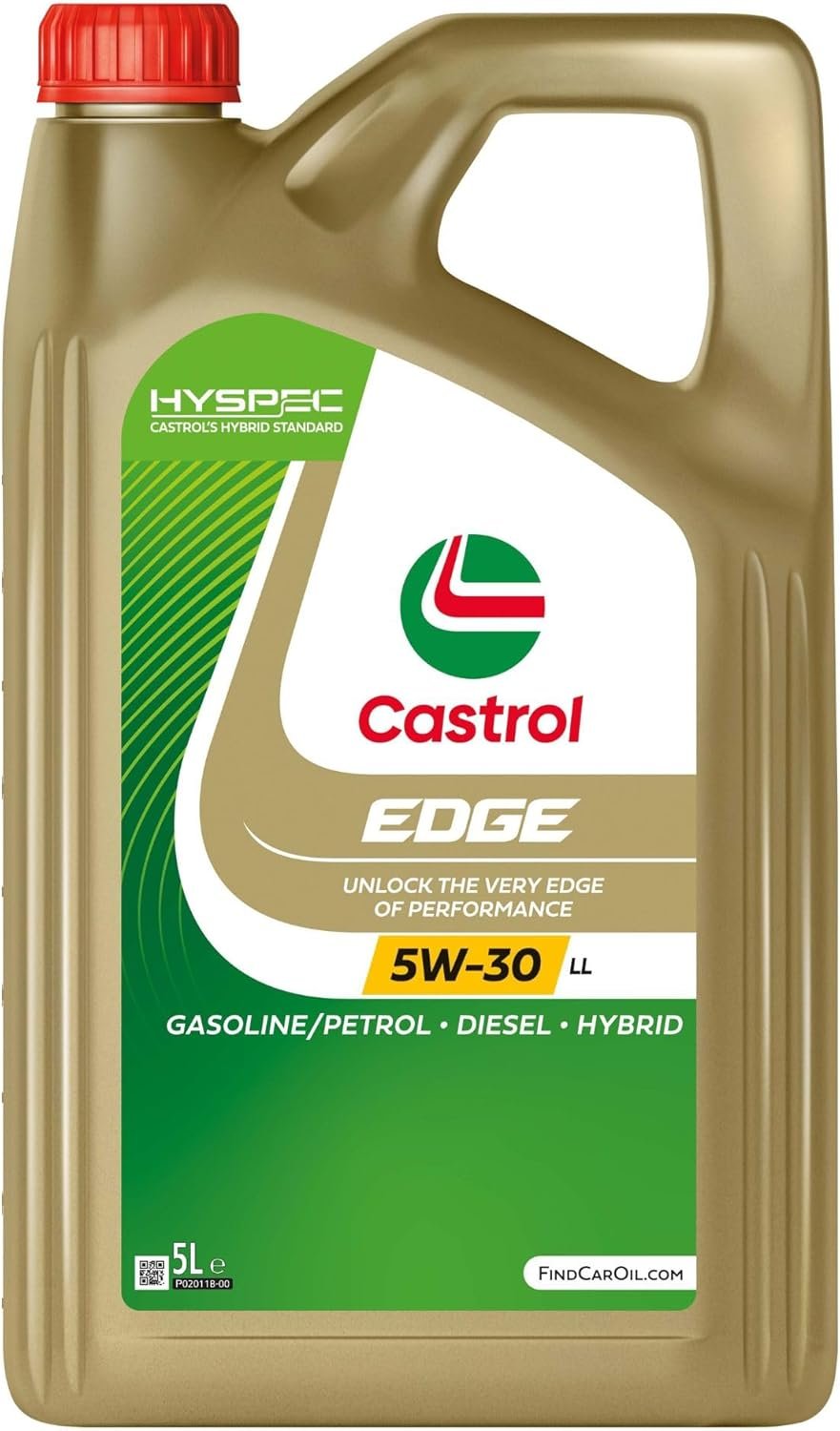
As an Amazon Associate, we may earn from qualifying purchases. This doesn't affect our recommendations — we only suggest oils that hold the exact OEM approval for your engine.
Best Engine Oil for Skoda Fabia 4th Gen (PJ) 1.0 TSI (95/110 HP)
The fourth-generation Skoda Fabia, launched in 2021 on the MQB-A0 platform, is the largest Fabia yet and one of the best-value family superminis on sale in the UK. Its 1.0 TSI three-cylinder engine, available in 95 HP and 110 HP guises, belongs to Volkswagen’s EA211 evo family — the same architecture found in the Polo AW and SEAT Ibiza, but packaged here in a car that prioritises practicality and running costs above all else. The EA211 evo’s fine oil galleries, oil-bathed timing belt, and compact turbocharger all require oil meeting Volkswagen’s VW 504 00 specification. Anything less risks accelerated wear in the components that matter most.
Quick Answer: Recommended Oil
For Skoda Fabia 4th Gen (PJ) 1.0 TSI (95/110 HP):
- Specification: VW 504 00 / 507 00 with ACEA C3
- Viscosity: SAE 5W-30 (alternative: 0W-20 for maximum fuel economy)
- Oil capacity: 4.0 litres with filter (3.7 L without)
Important: Only use oil carrying the VW 504 00 / 507 00 approval number on the container. Generic oils labelled “suitable for VW” without the specific approval number may lack the turbo coking resistance and catalyst compatibility this engine requires.
The 1.0 TSI EA211 evo Engine
The DKLA (95 HP) and DKRF (110 HP) engine codes identify the EA211 evo variant of Volkswagen’s three-cylinder 1.0 TSI. This is an evolution of the original EA211, carrying forward an aluminium block and head, direct fuel injection at up to 350 bar, and a single-scroll turbocharger with electronic wastegate. The 110 HP version produces 200 Nm from just 2,000 RPM, giving the Fabia brisk acceleration that belies its displacement.
The “evo” designation brings meaningful changes. The Miller combustion cycle improves thermal efficiency, and the compression ratio rises to 12.5:1. Most relevant to oil choice is the timing system: unlike older EA211 units with a conventional dry timing belt, the EA211 evo runs its timing belt in an oil bath. This reduces noise and extends belt life, but the belt is permanently immersed in sump oil. Degraded or incorrect oil attacks the belt rubber, making oil quality a structural concern rather than merely a lubrication one.
The balance shaft and oil pump are chain-driven from the crankshaft. Clean, correctly specified oil maintains hydraulic tension on this chain. Neglected oil accelerates chain and tensioner wear, eventually producing a characteristic rattle at cold start.
Why VW 504 00 Matters
The Primary Specification
VW 504 00 (petrol) and 507 00 (diesel) is the only specification that should enter this engine. Developed for the LongLife service regime, it goes substantially beyond generic ACEA C3:
- Low SAPS formulation: Controlled Sulphated Ash, Phosphorus, and Sulphur protects the catalytic converter from poisoning. A damaged catalyst will fail the MOT.
- Turbo coking resistance: The turbo’s centre bearing operates at extreme temperatures. VW 504 00 oils pass specific coking tests that generic oils do not.
- Oil-bathed belt compatibility: The EA211 evo’s wet timing belt demands oil that does not degrade rubber compounds over extended drain periods.
- Sludge resistance: Direct injection and turbocharging raise thermal stress. Combined with British urban driving, VW 504 00 mandates exceptional resistance to sludge formation.
ACEA C3
ACEA C3 is necessary but not sufficient for this engine. VW 504 00 adds turbo coking, belt compatibility, and extended oxidation requirements that ACEA C3 does not cover. Always look for the VW 504 00 number.
Alternative Viscosity: 0W-20
Volkswagen permits SAE 0W-20 for the EA211 evo, primarily for fuel economy benefits. The thinner oil reduces friction losses during cold starts. However, 5W-30 remains the primary recommendation for UK driving and provides a more robust oil film under sustained load. For predominantly motorway use in milder climates, 0W-20 with VW 504 00 approval is valid. For mixed or urban driving, 5W-30 is the safer default.
Technical Specifications: 1.0 TSI (DKLA / DKRF)
| Specification | Value |
|---|---|
| Displacement | 999cc (1.0 litres) |
| Layout | Inline-3, transverse, aluminium block and head |
| Valvetrain | DOHC, 12 valves, oil-bathed timing belt |
| Compression Ratio | 12.5:1 |
| Power | 95 HP (DKLA) / 110 HP (DKRF) @ 5,000–5,500 RPM |
| Torque | 175 Nm (DKLA) / 200 Nm (DKRF) @ 2,000–3,500 RPM |
| Fuel Type | Petrol, 95 RON minimum |
| Recommended Viscosity | SAE 5W-30 |
| Alternative Viscosity | SAE 0W-20 |
| Oil Capacity (without filter) | 3.7 litres |
| Oil Capacity (with filter) | 4.0 litres |
| ACEA Norm | C3 |
| VW Norm | VW 504 00 / 507 00 |
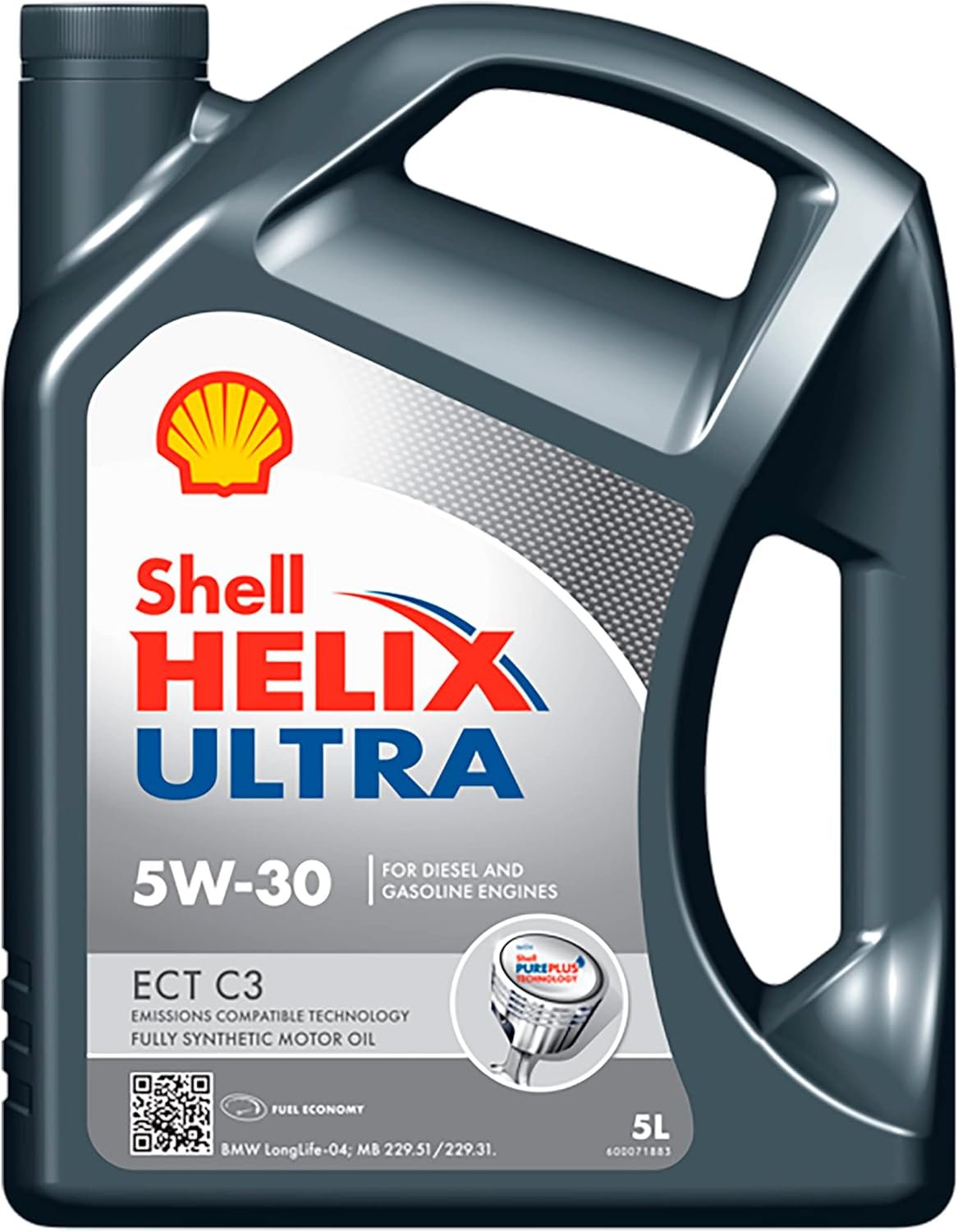
Alternative: Shell Helix Ultra ECT C3 5W-30 Shell’s PurePlus gas-to-liquid base oil starts with an exceptionally clean synthetic base. Fewer deposits in the oil galleries and on the timing belt surface make this a meaningful choice for the EA211 evo’s belt-in-oil system. Widely available at £38-45 for 5 litres.
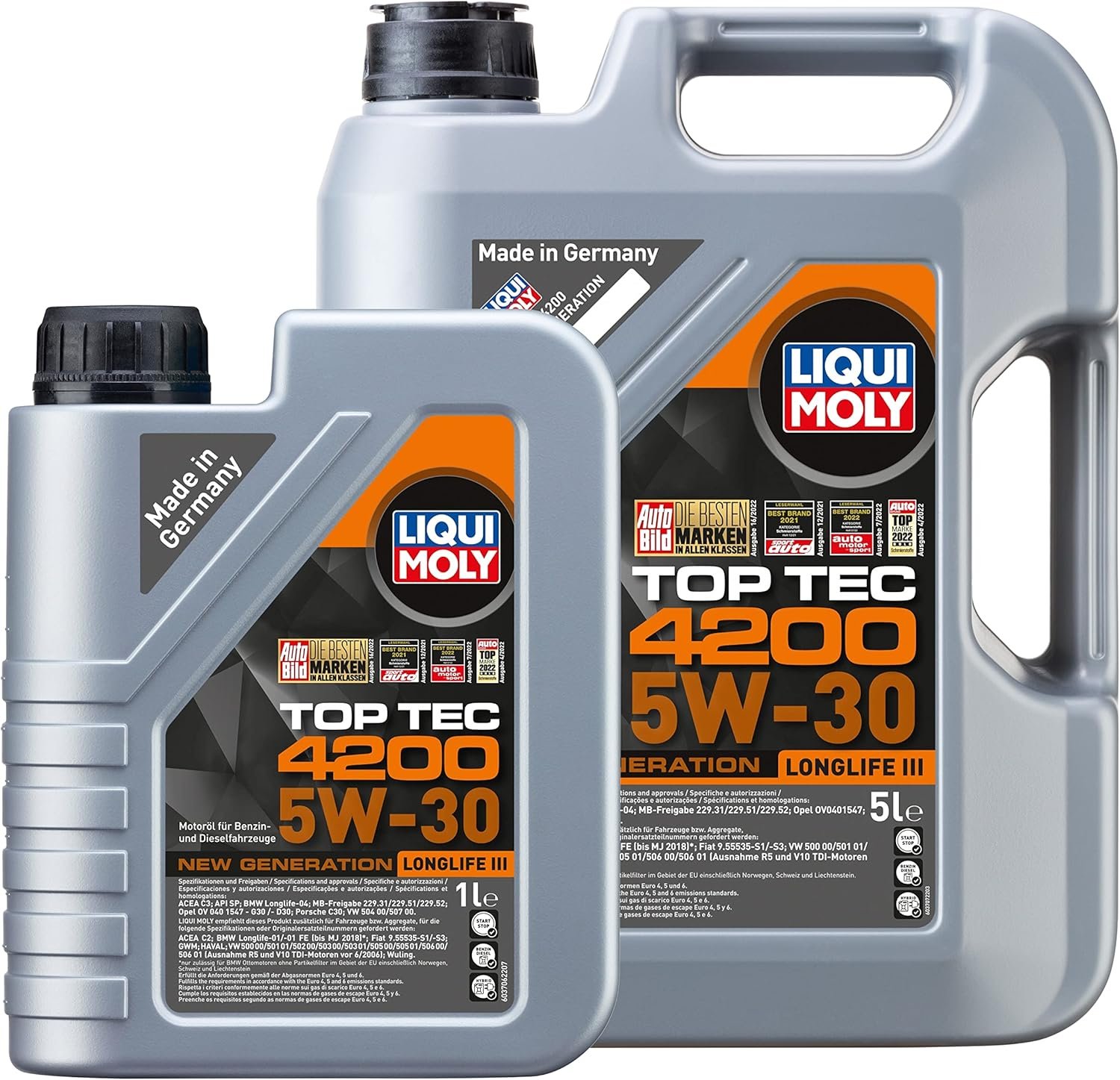
Best Value: Liqui Moly Top Tec 4200 5W-30 German-engineered with full VW 504 00 approval at the most competitive price. Effective detergent package for managing direct-injection carbon deposits, with reliable cold-start protection through British winters. At £34-42 for 5 litres, this is the no-nonsense choice for Fabia owners who change oil at shorter intervals and keep running costs under control. Skoda ownership has always been about value, and this oil fits that philosophy.
Oil Change Intervals
Skoda Official Recommendation:
- LongLife service: up to 15,000 km (approximately 9,300 miles) or 24 months
- Fixed service: 10,000 km (approximately 6,200 miles) or 12 months
Recommended Practice: 10,000 km or 12 months, whichever comes first.
The 15,000 km LongLife interval assumes ideal conditions: consistent motorway driving at moderate speeds. The reality of UK Fabia ownership is different. This is a family car used for school runs, supermarket trips, and town commutes — precisely the conditions that degrade oil fastest through short journeys, stop-and-go traffic, and frequent cold starts that dilute the sump oil with unburned fuel.
Consider 7,000-8,000 km intervals if:
- The car is used predominantly for city driving and short trips under 10 km
- Frequent cold starts without reaching full operating temperature
- Stop-and-go commuting in heavy traffic
- Vehicle has covered more than 80,000 km
- Any sign of oil consumption above 0.5 litres per 10,000 km
- You want maximum protection for the oil-bathed timing belt
The cost difference is one extra oil change per year — roughly £50-70 in materials. Against turbo replacement (£800-1,400) or timing belt failure, this is the straightforward, practical insurance that Skoda owners tend to appreciate.
Known Issues and Oil-Related Wear Points
Carbon Buildup on Intake Valves: Direct injection sprays fuel into the combustion chamber rather than over the intake valves, so carbon deposits accumulate on valve stems over time. Symptoms — rough idle, hesitation, minor power loss — typically appear between 60,000 and 100,000 km. Quality VW-approved oil slows deposit formation, but walnut blasting is the eventual solution for severe cases (£250-400 at a specialist).
Turbocharger Wear in Urban Driving: The small turbo works hardest in typical Fabia conditions — pulling away from roundabouts, accelerating in traffic, merging onto dual carriageways. Around 80,000 km of predominantly city use, some owners report increased turbo whistle or minor oil seepage from turbo seals. Strict oil change intervals and a brief idle before switching off after hard driving both preserve turbo bearing integrity. Full replacement costs £800-1,400 fitted.
Plastic Water Pump Housing: The EA211 evo uses a plastic water pump housing that can develop coolant leaks with age. Undetected coolant loss causes overheating, which rapidly degrades engine oil. Check coolant level monthly alongside your oil check.
Oil-Bathed Timing Belt: The wet belt is designed for the engine’s life under ideal conditions, but that assumes correct oil at correct intervals. Degraded or incorrect oil accelerates rubber breakdown. Many independent specialists recommend inspection at 120,000 km and preventive replacement at 150,000 km.
How Far Will It Go?
The EA211 evo 1.0 TSI is a robust engine when maintained correctly. Across the VW Group range, owners regularly report 200,000 km with no major issues, and well-maintained examples reach 300,000 km without internal work. The keys are consistent VW 504 00 oil, disciplined change intervals, and prompt attention to any coolant or oil consumption changes. The fourth-generation Fabia — with its generous boot, class-above interior space, and no-fuss build quality — rewards this straightforward maintenance with the dependable family transport Skoda has built its reputation on.
Conclusion
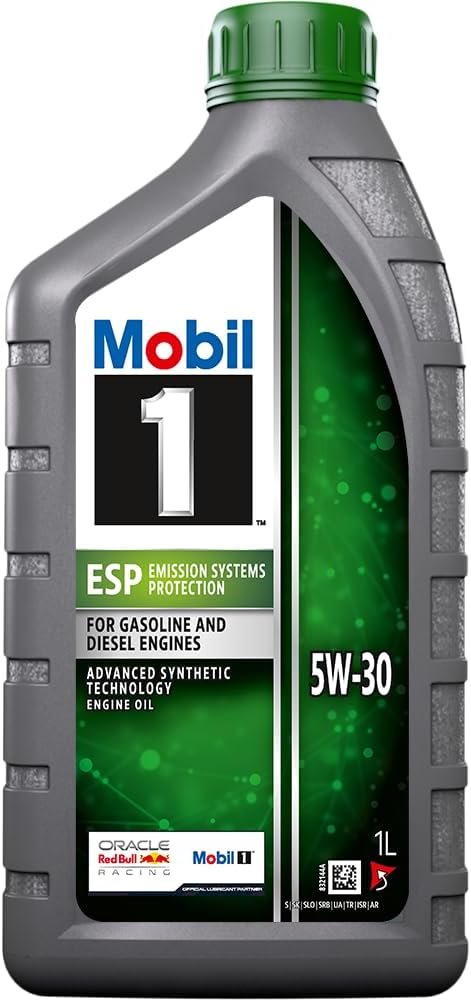
The Skoda Fabia 4th Gen (PJ) 1.0 TSI requires VW 504 00 / 507 00 approved SAE 5W-30 engine oil with a capacity of 4.0 litres including the filter. Choose from Castrol EDGE Professional LL 03, Mobil 1 ESP, Shell Helix Ultra ECT C3, or Liqui Moly Top Tec 4200 — and always verify the VW 504 00 approval number on the bottle before purchase.
Change the oil at 10,000 km or annually as a maximum, dropping to 7,000-8,000 km for urban use. Monitor your oil level monthly, address any consumption or coolant loss promptly, and this dependable three-cylinder will serve your family for years to come. That is the Skoda promise — sensible engineering maintained sensibly — and it starts with the oil you pour into it.
Our Top Picks
As an Amazon Associate, we may earn from qualifying purchases. This doesn't affect our recommendations — we only suggest oils that hold the exact OEM approval for your engine.