 Oil-
Oil-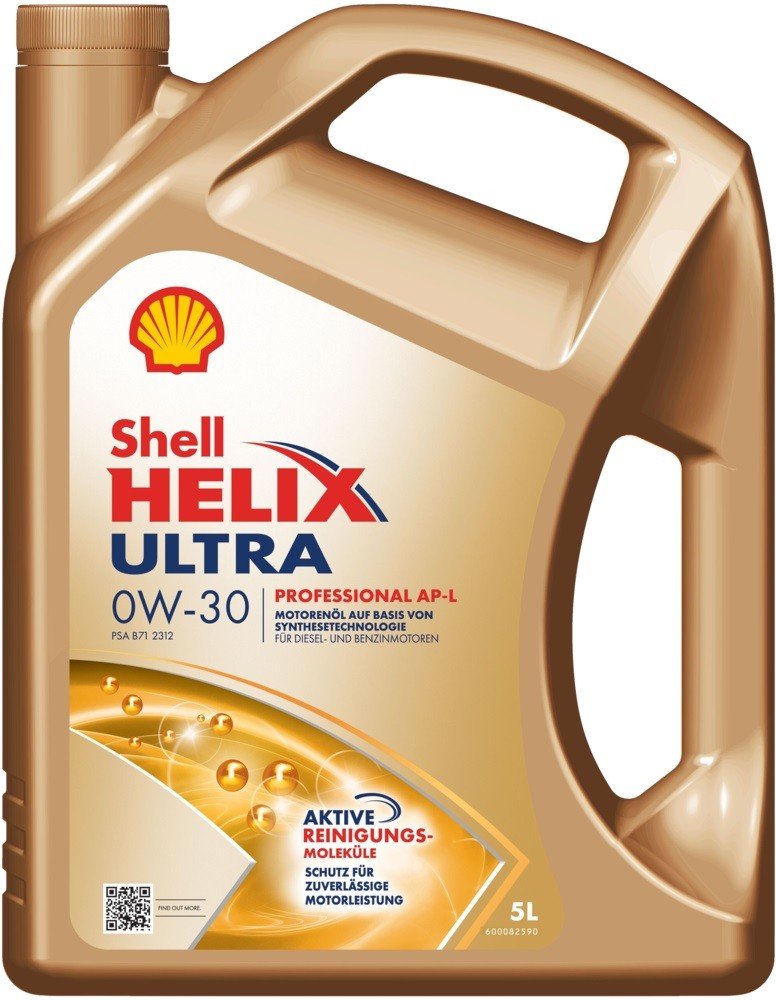
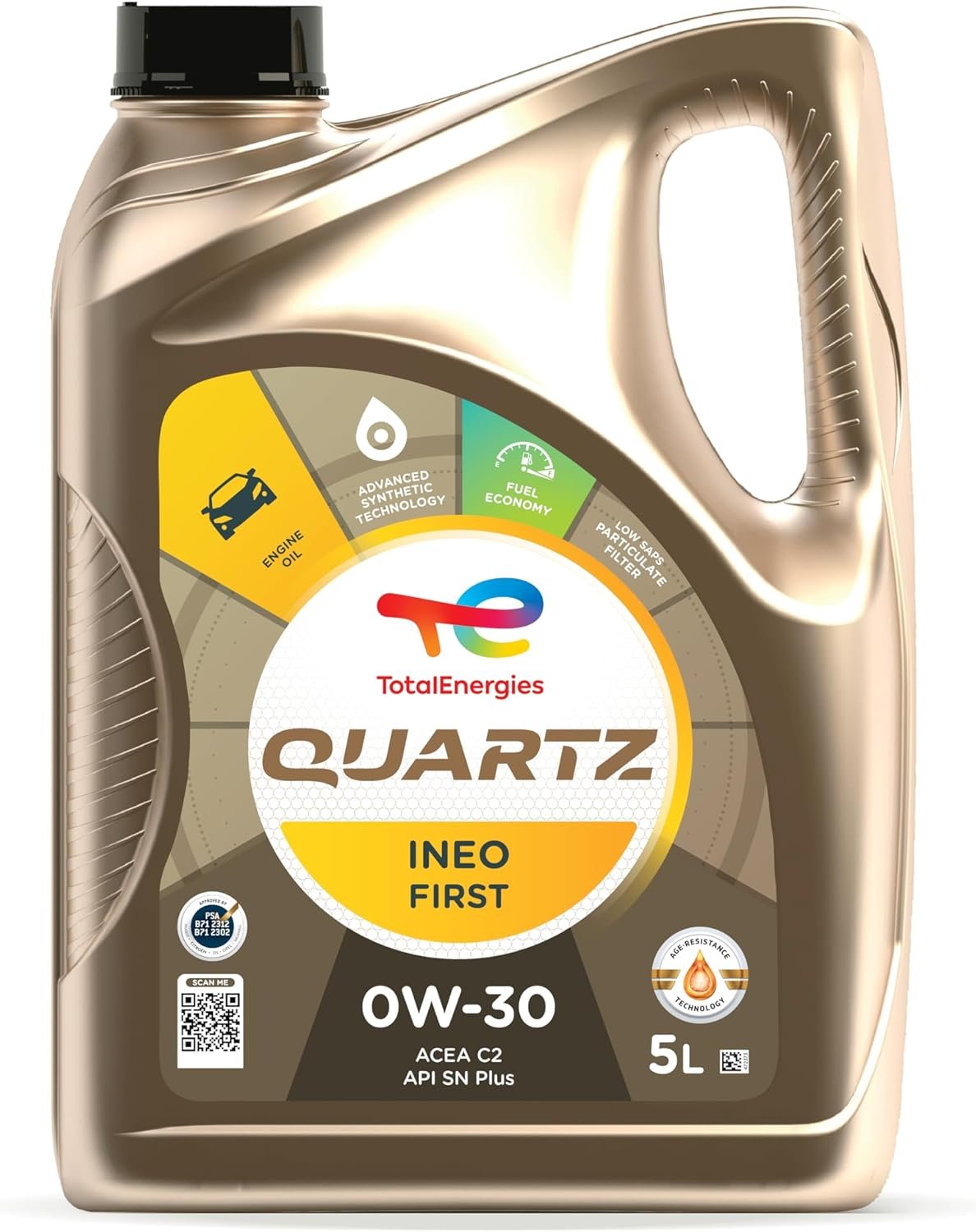
As an Amazon Associate, we may earn from qualifying purchases. This doesn't affect our recommendations — we only suggest oils that hold the exact OEM approval for your engine.
Best Engine Oil for Peugeot Partner 2nd Gen 1.6 BlueHDi (100 hp)
The Peugeot Partner 2nd generation 1.6 BlueHDi represents PSA’s arrival at full Euro 6 compliance in a small van format. The “BlueHDi” designation is not simply a marketing rebrand of the existing HDi diesel — it signals a specific aftertreatment architecture combining both selective catalytic reduction (SCR) with AdBlue and a catalysed diesel particulate filter, making this engine one of the most emissions-capable 1.6-litre diesels of its era. For owners and fleet operators, that architecture has direct implications for which engine oil is correct, and why using the wrong specification can be expensive.
Quick Answer: Recommended Oil
- Specification: PSA B71 2312 (ACEA C2), 0W-30
- Alternative: 5W-30 ACEA C2 (where 0W-30 unavailable — PSA B71 2290)
- Oil capacity with filter: 3.75 litres
- Oil capacity without filter: approx. 3.5 litres
The DV6FD Engine and What BlueHDi Means
The engine fitted to the Partner 2nd Gen BlueHDi carries the PSA internal code DV6FD and the type code BHY. It is a 1,560cc inline-4 SOHC 8-valve diesel — bore × stroke 75.0 mm × 88.3 mm — with common-rail direct injection and a variable-geometry turbocharger. Output is 100 hp and 254 Nm.
The critical distinction from the preceding HDi 90/92 hp Partner (which used the DV6C with a FAP particulate filter and Eolys cerium additive) is the BlueHDi aftertreatment system. BlueHDi in PSA’s terminology specifically means SCR + DPF in a combined system. PSA made an unusual engineering choice: the SCR catalyst is placed upstream of the DPF (closer to the engine), rather than the more common downstream position used by most manufacturers. The rationale is thermal: upstream placement means the SCR receives hotter exhaust gases, enabling faster light-off and more effective NOx reduction at the low exhaust temperatures typical of urban van use. The DPF sits downstream of the SCR, protected from AdBlue contamination.
The practical implication for owners: the Partner 1.6 BlueHDi requires regular AdBlue top-ups (approximately 1 litre per 1,000 km), in addition to standard oil and filter services. The AdBlue tank holds approximately 17 litres; a dashboard warning appears at around 2,400 km remaining. Running out of AdBlue triggers an engine derate and eventually prevents restart under Euro 6 regulations.
Understanding PSA B71 2312 and ACEA C2
PSA operates a tiered oil approval system. For the DV6FD BlueHDi:
- PSA B71 2312: The primary specification — a 0W-30 ACEA C2 low-SAPS formulation. This is the oil approved for the BlueHDi aftertreatment system.
- PSA B71 2290: An acceptable alternative where B71 2312 is unavailable — 5W-30 ACEA C2.
ACEA C2 is a “low-SAPS” category: sulphated ash is capped at 0.8%, phosphorus at 0.08%, sulphur at 0.3%. These limits protect the DPF from irreversible ash loading. The SCR catalyst upstream is also sensitive to oil-derived sulphur compounds — high-sulphur oil residues can degrade the SCR wash-coat over time.
PSA B71 2312 additionally specifies friction modifier chemistry (MoDTC) to achieve the low internal friction targets that allow the fuel economy benefits claimed for the BlueHDi system. Standard ACEA C3 or A3/B4 oils do not meet this requirement and should not be used in this engine.
Technical Specifications
| Specification | Value |
|---|---|
| Displacement | 1,560 cc |
| Layout | 4-cylinder inline, SOHC 8-valve, turbodiesel |
| Engine codes | BHY / DV6FD |
| Power / Torque | 100 hp / 254 Nm |
| Bore × stroke | 75.0 mm × 88.3 mm |
| Injection system | Common-rail direct injection |
| Timing system | Timing belt (not chain) |
| Aftertreatment | SCR (upstream) + DPF (downstream) |
| AdBlue required | Yes (~1L/1,000 km) |
| Oil capacity (with filter) | 3.75 litres |
| Oil capacity (without filter) | approx. 3.5 litres |
| Recommended viscosity | 0W-30 |
| Alternative viscosity | 5W-30 |
| PSA OEM norm | PSA B71 2312 |
| ACEA classification | C2 |
Oil Change Intervals
PSA’s long-life service schedule can extend oil changes to 20,000–30,000 km in ideal conditions. For the Partner in typical UK van use, this is entirely unrealistic. The recommended maximum interval is 10,000 km or 12 months for mixed use — and for vans used exclusively for urban delivery work, reduce to 7,500 km or 10 months.
The reason is the van duty cycle. Urban delivery routes involve constant cold starts, 2–5 minute hops between stops, and continuous low-load operation. The engine rarely reaches full operating temperature; combustion blow-by accumulates in the oil faster than on a car doing longer journeys. DPF passive regeneration — which requires sustained motorway driving at 2,500+ rpm with exhaust temperatures above 550°C — is simply impossible in this use pattern. Monthly dipstick checks are advisable; a diesel smell from the oil indicates incomplete DPF regen cycles are diluting the sump.
Common DV6FD Problems Related to Oil and Aftertreatment
EGR valve and inlet fouling: The most frequently reported issue on Partner vans. Carbon from EGR recirculation coats the EGR valve and inlet manifold progressively. At urban duty cycles, deposits build quickly — typically requiring cleaning at 60,000–80,000 km on vans. Correct low-SAPS oil reduces combustion by-products; regular longer drives help burn off deposits.
DPF blockage: Chronic in delivery van applications. Without motorway use, passive regeneration never occurs; active regeneration cycles either fail to complete or are never triggered at adequate temperature. Forced regeneration via diagnostic equipment, or full DPF replacement, is the common outcome. Correct ACEA C2 oil slows ash loading and extends DPF service life significantly versus high-SAPS alternatives.
SCR/AdBlue system faults: AdBlue dosing pump failure (particularly on vehicles that sit unused for periods), NOx sensor drift, and AdBlue freezing in severe winter conditions are all documented. Using ISO 22241-certified AdBlue only — not domestic window wash fluid, which will destroy the SCR catalyst.
Timing belt service: The DV6FD uses a timing belt, not a chain. PSA specifies replacement at 160,000 km / 10 years, but independent mechanics routinely recommend 100,000 km on vans given higher load cycles. This is an interference engine — belt failure means bent valves.
Injector seizure: A known trade workshop issue on the DV6 family at high mileage. Copper sleeve corrosion can lock injectors in the head; removal risks head damage. Regular fuel filter changes and quality fuel reduce injector tip deposits.
Conclusion
The Peugeot Partner 2nd Gen 1.6 BlueHDi is a technically advanced small van with an emissions system that requires both the correct engine oil and correct AdBlue fluid to function as designed. PSA B71 2312 0W-30 ACEA C2 is the only correct oil specification — protecting the SCR catalyst, the DPF, and the low-friction engine internals simultaneously. For urban delivery fleets, reduce service intervals to 7,500–10,000 km; the standard long-life schedule assumes driving conditions that delivery vans never see.
Our Top Picks
As an Amazon Associate, we may earn from qualifying purchases. This doesn't affect our recommendations — we only suggest oils that hold the exact OEM approval for your engine.