 Oil-
Oil-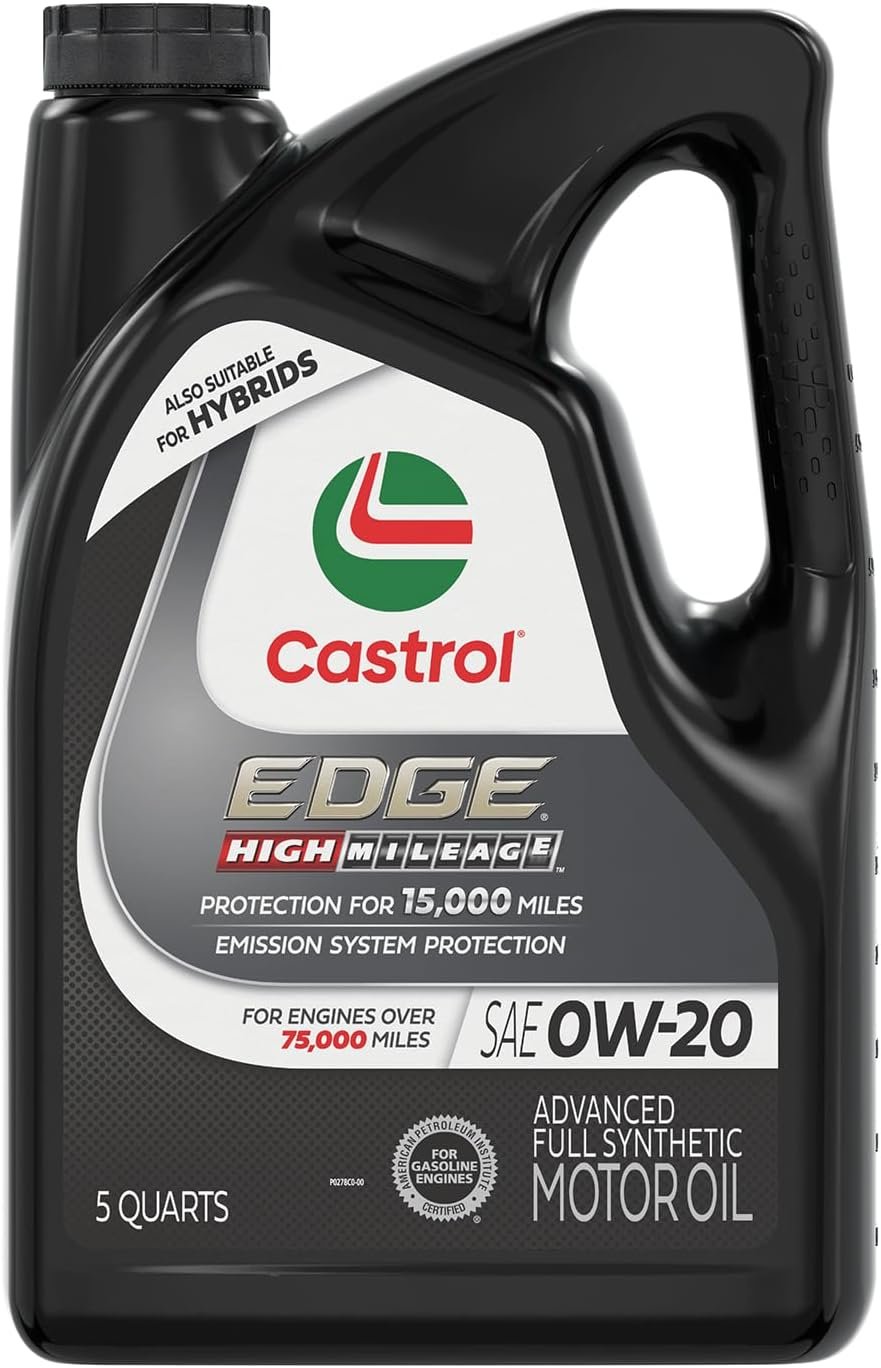
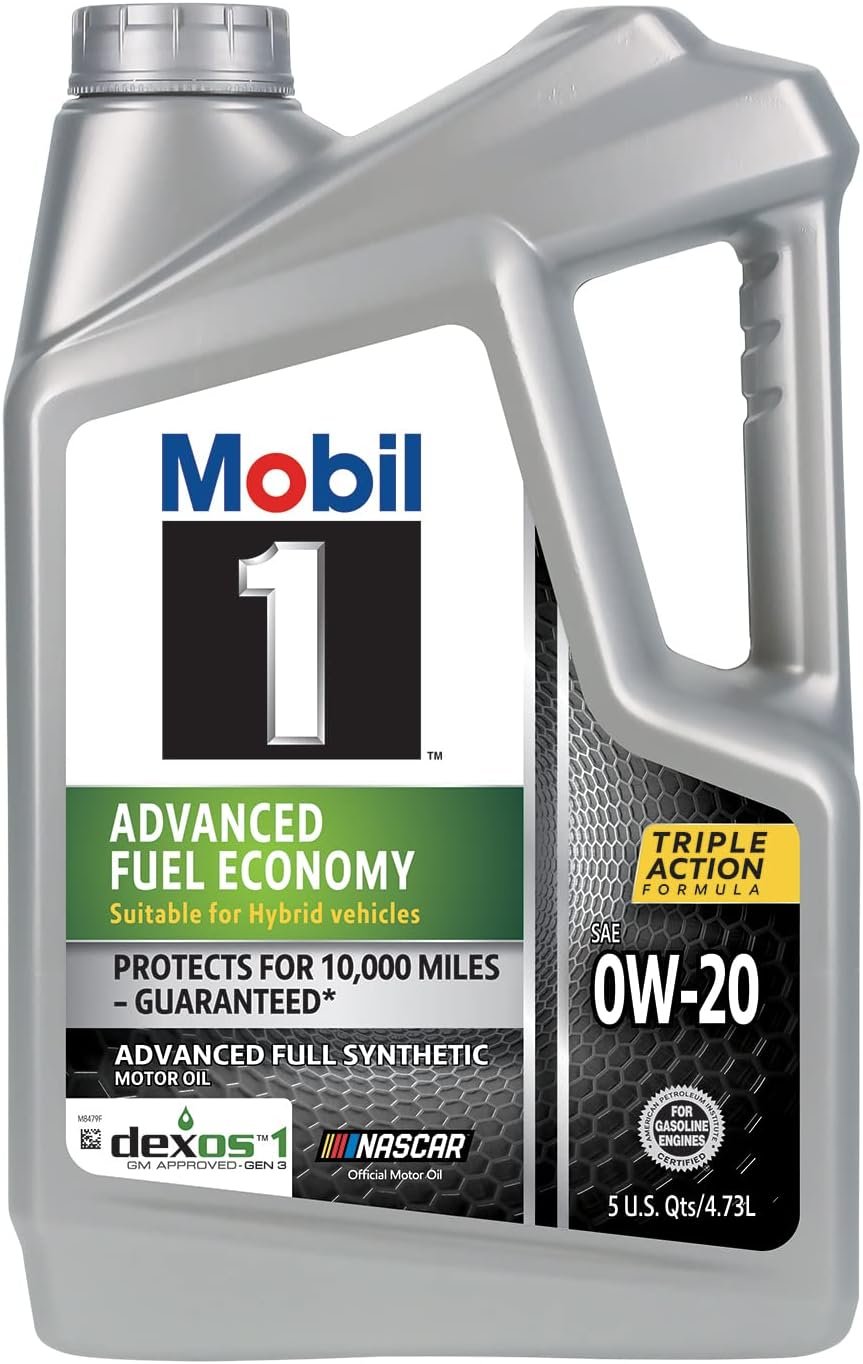
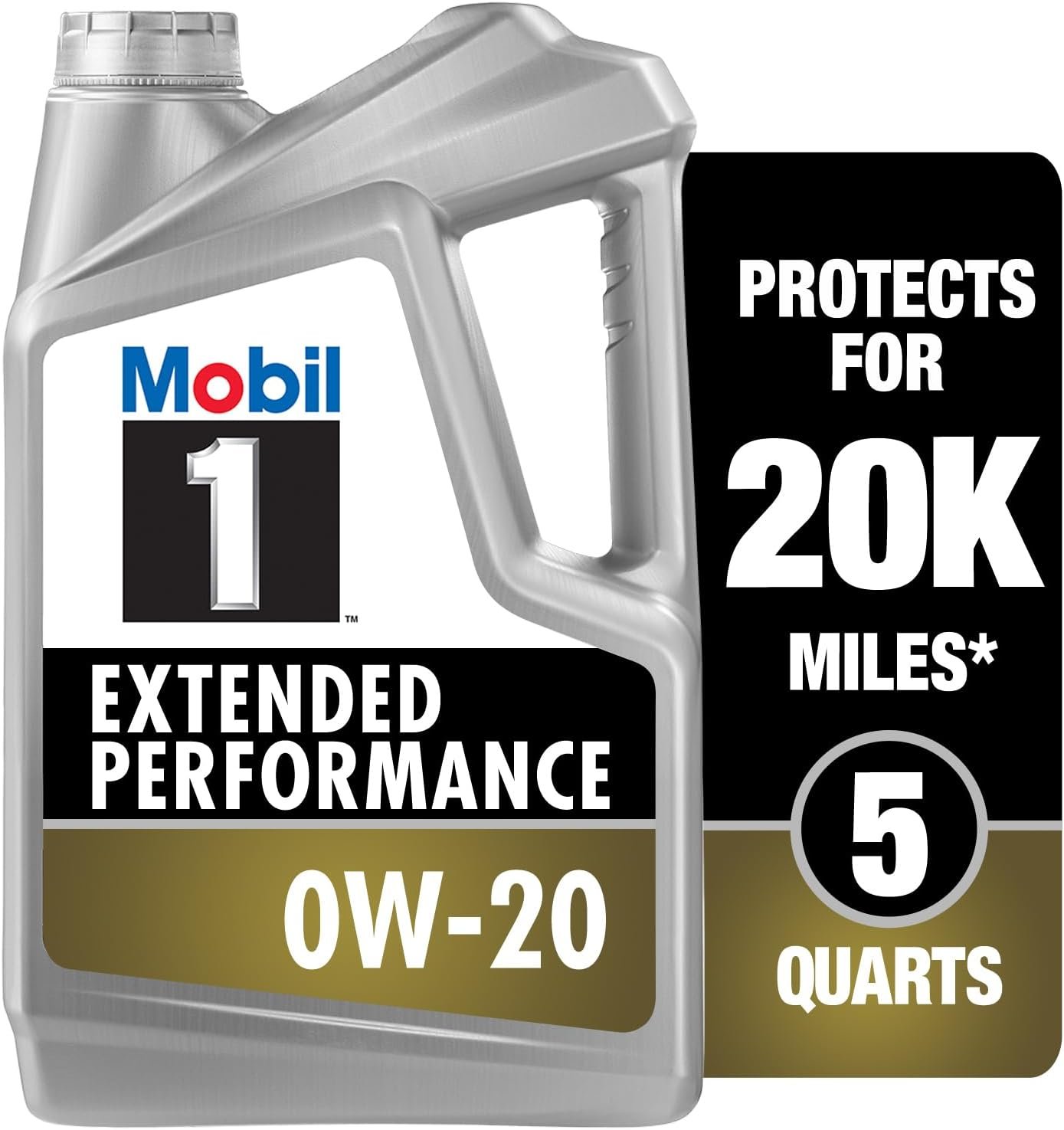
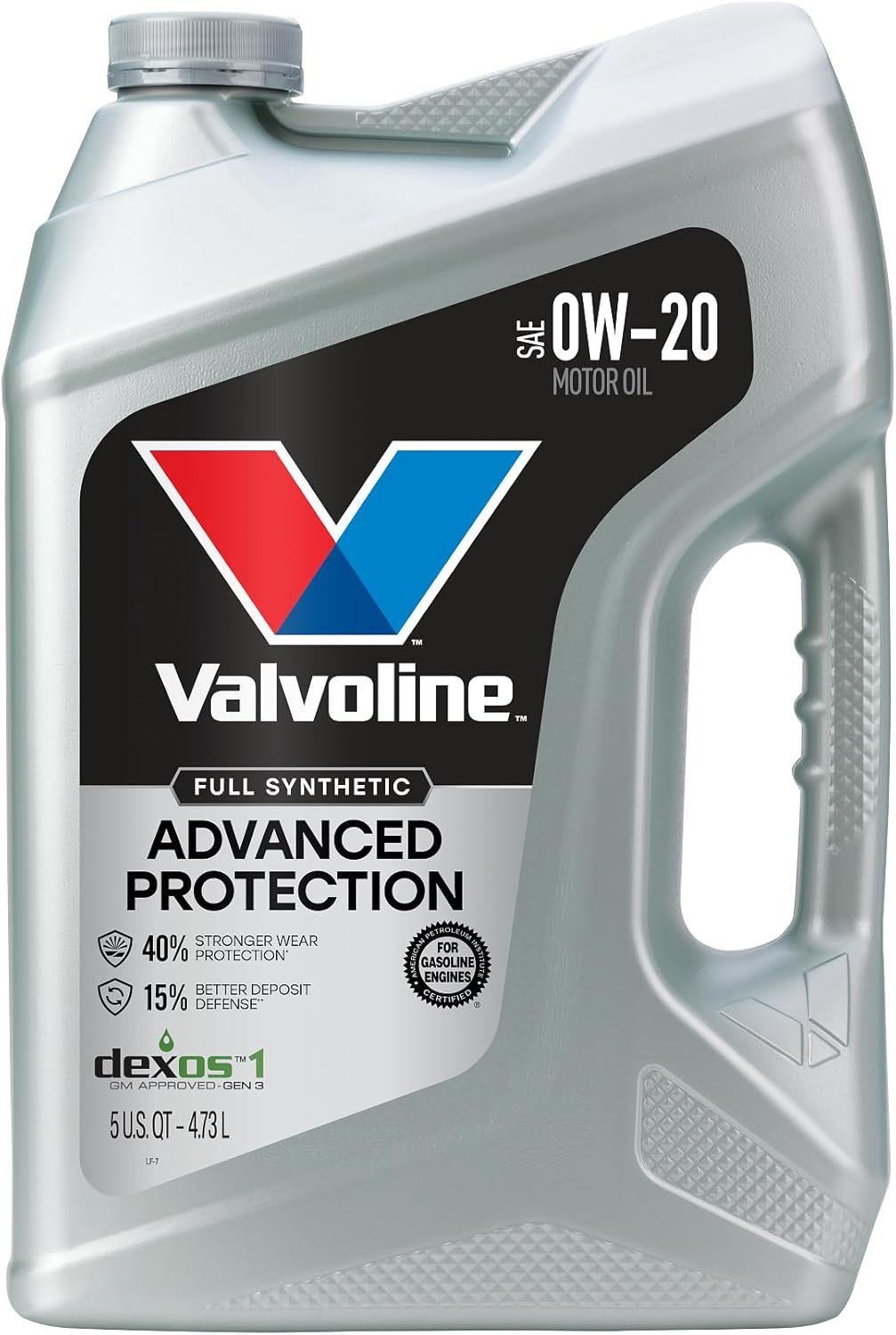
As an Amazon Associate, we may earn from qualifying purchases. This doesn't affect our recommendations — we only suggest oils that hold the exact OEM approval for your engine.
Best Engine Oil for Nissan Pathfinder 5th Gen R53 3.5L V6 (284 hp)
The Nissan Pathfinder 5th generation (R53 platform, 2022 onwards) represents a full architectural reset for the nameplate — moving from the 4th generation’s CVT-plagued reputation to a nine-speed automatic transmission and a substantially revised engine. The VQ35DD 3.5-litre V6 is the direct-injection evolution of the long-running VQ35DE that powered Pathfinders for two decades. The “DD” designation signals the critical change: gasoline direct injection replaces the DE’s port injection, altering both the combustion characteristics and the oil maintenance requirements. ILSAC GF-6A 0W-20 is the specification, and understanding what GDI changes about long-term maintenance determines whether the R53 Pathfinder’s powertrain remains reliable across its ownership life.
Quick Answer: Recommended Oil
- Specification: ILSAC GF-6A (API SP), 0W-20 full synthetic
- Alternative: None specified (0W-20 GF-6A is the sole recommendation)
- Oil capacity with filter: 4.8 litres (5.1 US quarts)
- Oil capacity without filter: approx. 4.5 litres (4.8 US quarts)
The VQ35DD Engine
The VQ35DD is 3,498 cc — the same displacement as the VQ35DE it evolved from. DOHC 24-valve V6, bore × stroke 95.5 mm × 81.4 mm. The platform is shared with the Infiniti QX60 and several other Nissan crossover applications, giving the VQ35DD a large production volume that validates the architecture across diverse duty cycles.
Gasoline direct injection: The defining difference between the DD and DE variants. Where the VQ35DE used sequential port injectors spraying fuel upstream of each intake valve, the VQ35DD uses high-pressure direct injectors mounted in the combustion chamber, spraying fuel under pressure directly into the cylinder at the moment of injection. The combustion benefits are real: the R53 Pathfinder achieves better fuel economy than the previous generation while producing more power. The maintenance implication is equally real: the intake valves no longer receive a fuel wash on every intake stroke. Combustion blow-by deposits that migrate past the intake valves accumulate progressively on valve stems and backs, reducing airflow and eventualy causing rough idle and hesitation.
CVVT on intake camshafts: The VQ35DD uses continuously variable valve timing on the intake camshafts — hydraulically actuated phasers that advance and retard intake timing based on engine load and RPM. The exhaust camshafts use fixed timing. The intake CVVT provides improved low-RPM torque for acceleration from rest while maintaining adequate high-RPM airflow. The phaser actuators depend on prompt oil pressure delivery at cold start for accurate cam phasing from the first seconds of operation.
Timing chain: Like all VQ-series engines, the VQ35DD uses a timing chain — no scheduled replacement interval. Chain longevity under correct oil maintenance is the engine’s service life.
Understanding ILSAC GF-6A for the VQ35DD
ILSAC GF-6A (corresponding to API SP) is the current ILSAC category as of 2020, adding requirements over the previous GF-5/SN that are directly relevant to the VQ35DD’s architecture:
LSPI protection: GF-6A introduced mandatory Low Speed Pre-Ignition prevention testing — an LSPI sequence where oil candidates must not contribute to pre-ignition events under high-load, low-speed conditions. The VQ35DD is naturally aspirated, reducing LSPI risk versus a turbocharged GDI engine, but Nissan’s specification of GF-6A reflects the GDI combustion environment where oil droplet ingestion into the combustion zone is possible. GF-6A oils limit calcium-based detergent concentrations that contribute to LSPI.
Timing chain wear protection: GF-6A added a timing chain wear test that GF-5 did not require. For the VQ35DD’s timing chain running at engine speed, GF-6A oil’s improved anti-wear additive package slows chain guide wear compared to older GF-5 formulations.
0W-20 viscosity: The low cold-temperature viscosity delivers oil to CVVT phaser galleries and main bearings in the critical first seconds after cold start. At operating temperature, the HTHS (High Temperature High Shear) minimum of 2.6 mPa·s required for GF-6A 0W-20 maintains adequate film strength at bearing operating temperatures.
Technical Specifications
| Specification | Value |
|---|---|
| Displacement | 3,498 cc |
| Layout | V6, DOHC 24v, naturally aspirated |
| Engine code | VQ35DD |
| Power / Torque | 284 hp / 259 lb-ft |
| Bore × stroke | 95.5 mm × 81.4 mm |
| Block material | Aluminium |
| Injection | Gasoline direct injection (GDI) |
| Intake VVT | CVVT (hydraulic, intake only) |
| Exhaust VVT | None (fixed timing) |
| Timing system | Timing chain |
| Oil capacity (with filter) | 4.8 L (5.1 qt) |
| Oil capacity (without filter) | approx. 4.5 L (4.8 qt) |
| Recommended viscosity | 0W-20 |
| Alternative viscosity | None specified |
| ILSAC classification | GF-6A (API SP) |
Oil Change Intervals
Nissan specifies 5,000 miles or 6 months for normal conditions on the R53 Pathfinder, with an Intelligent Oil Life Monitor providing variable guidance based on actual driving patterns. The recommended practical interval is 5,000 miles or 6 months, with the shorter applied. For vehicles in primarily urban use with frequent cold starts, short trips, and stop-start patterns, 5,000 miles or 6 months strictly applied is the correct interval.
The R53 Pathfinder’s CVVT system and GDI combustion both benefit from consistent fresh oil. Degraded oil with depleted additives and elevated oxidation products affects CVVT phaser response and contributes more aggressively to intake valve deposit accumulation than fresh oil. The 4.8-litre sump provides moderate thermal buffering; for urban driving with frequent short trips, oil quality degrades faster than the volume would suggest, making strict interval adherence more important than sump size would indicate.
Why Correct Oil Matters for the VQ35DD
CVVT phaser response: Cold-start CVVT function depends on oil pressure reaching the phaser galleries promptly. The intake cam phasers must phase accurately within seconds of startup for the fuel management system to run optimally. 0W-20’s low cold-flow resistance means the CVVT oil galleries fill and pressurize faster than with heavier grades, reducing the open-loop operating period at cold start.
GDI combustion clean-up: While no oil can prevent GDI intake valve deposits — the mechanism is inherent to the combustion design — correct low-SAPS oil chemistry within GF-6A limits reduces the contribution of oil combustion by-products to deposit formation. High-calcium oils outside GF-6A limits increase combustion by-product deposition and may accelerate carbon build-up on intake valve backs.
Timing chain protection: The VQ35DD’s timing chain runs at engine speed for the engine’s full service life. GF-6A’s chain wear test validates the oil’s anti-wear additive retention over extended operation. Oils meeting GF-6A maintain chain guide film thickness more consistently through the drain interval than older-generation GF-5 oils.
Common VQ35DD Problems Related to Oil
Intake valve carbon deposits: The central long-term maintenance consideration for the VQ35DD. As with all GDI-only engines, the absence of port injection allows combustion blow-by products to accumulate on intake valve backs over 60,000–100,000 miles. Early symptoms are minor: slight roughness at cold idle, marginally slower throttle response at light loads. Advanced deposits cause persistent rough idle, hesitation under acceleration, and reduced power output. Walnut blasting (abrasive media cleaning through the intake ports) is the established corrective procedure. Correct GF-6A oil reduces the rate of deposit accumulation compared to older oil specifications.
Cold-start CVVT rattle: Brief CVVT actuator rattle on cold start — clearing within 5–15 seconds — is occasionally reported on higher-mileage VQ35DD engines and is attributed to oil drainback from the phaser circuit after extended parking. Fresh 0W-20 with good cold-flow characteristics minimises this; extended drain intervals with degraded oil that has lost cold-temperature performance are a contributing factor.
Oil consumption: The VQ35DD shows moderate oil consumption on some examples, particularly in urban short-trip use where piston rings don’t fully seat between cold starts. Consumption above 1 quart per 3,000 miles warrants investigation; check dipstick between services.
Conclusion
The Nissan Pathfinder R53 VQ35DD delivers a meaningful upgrade over the previous VQ35DE with improved power and efficiency from direct injection, but introduces the intake valve carbon maintenance item that all GDI-only engines require. ILSAC GF-6A 0W-20 full synthetic at 5,000-mile intervals is the correct specification — providing LSPI protection, CVVT phaser prompt cold-start supply, and timing chain protection beyond what older oil generations offered. Budget a walnut blast cleaning at 80,000–100,000 miles as a scheduled maintenance item; with correct oil and regular intervals, the VQ35DD’s straightforward architecture supports long-term reliability.
Our Top Picks
As an Amazon Associate, we may earn from qualifying purchases. This doesn't affect our recommendations — we only suggest oils that hold the exact OEM approval for your engine.