 Oil-
Oil-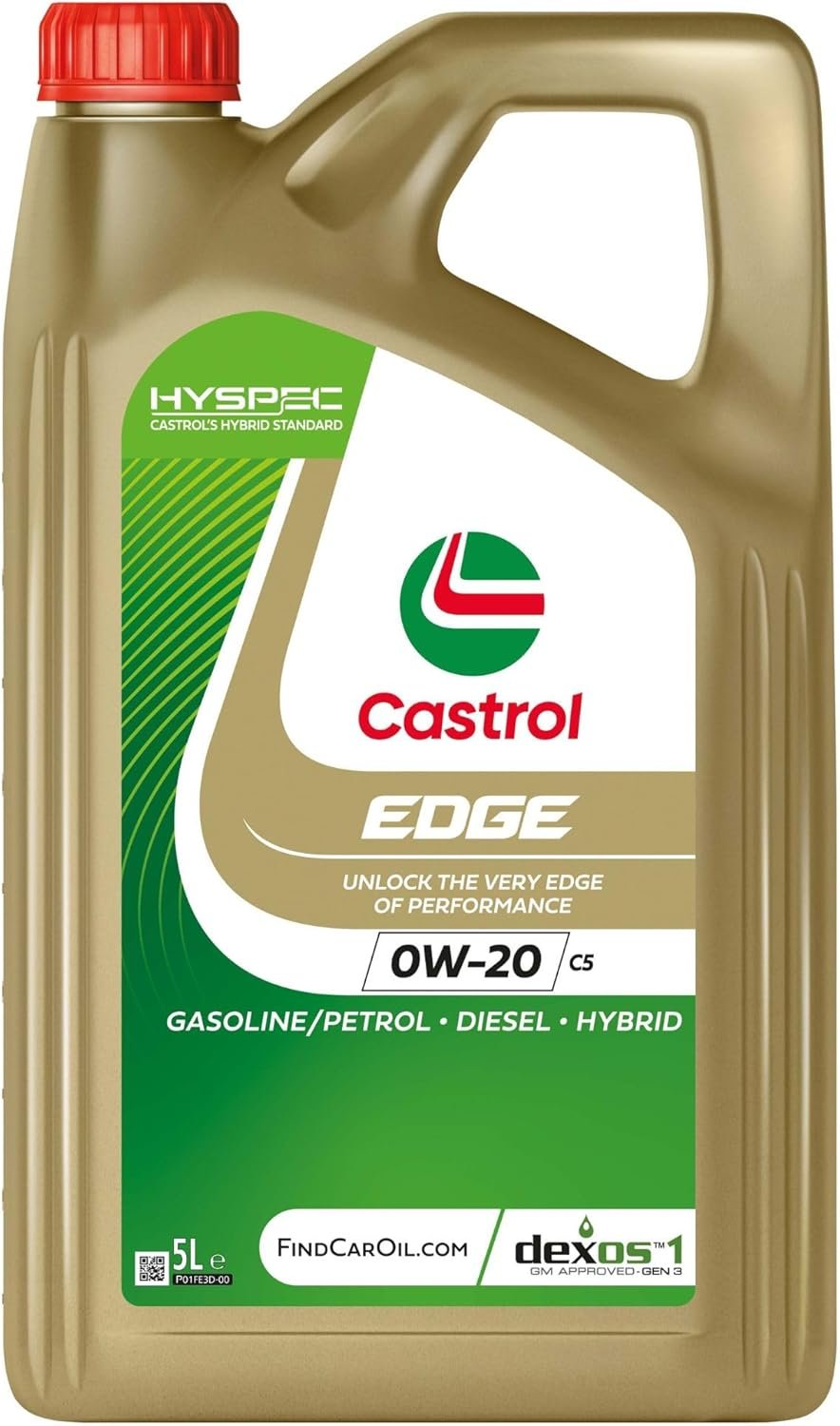
As an Amazon Associate, we may earn from qualifying purchases. This doesn't affect our recommendations — we only suggest oils that hold the exact OEM approval for your engine.
Best Engine Oil for Nissan Frontier 3.8L V6 (310 HP) — VQ38DD
The fourth-generation Nissan Frontier (D41, 2022-present) arrived with a completely new engine after nearly two decades of the VQ40DE powering the previous generation. The VQ38DD is a 3.8-liter direct-injected V6 producing 310 horsepower, and it represents a significant modernization of Nissan’s legendary VQ engine family. That VQ lineage is important — the VQ35DE and VQ37VHR powered everything from the 350Z to the Infiniti G37 and earned a reputation as some of the most reliable V6 engines ever built. The VQ38DD carries that DNA forward but adds direct injection, which introduces maintenance considerations that older VQ owners never dealt with. This guide covers the correct oil specification, capacity, and best choices for the Frontier 3.8 V6 under both normal driving and the severe conditions that towing, hauling, and off-road use impose on a midsize truck.
Quick Answer: Recommended Oil
For Nissan Frontier 3.8L V6 (310 HP, VQ38DD):
- Specification: API SP / ILSAC GF-6A
- Viscosity: SAE 0W-20
- Oil capacity: 5.4 quarts with filter (5.1 quarts without)
Critical: Only use 0W-20 full synthetic oil meeting API SP or ILSAC GF-6A. The VQ38DD’s bearing clearances, variable valve timing solenoids, and direct injection system are all calibrated around this viscosity. Running 5W-30 because it is a truck engine will not improve protection and disrupts the oil delivery the engine expects.
The VQ38DD Engine
The VQ38DD is a 3,798cc 60-degree V6 producing 310 horsepower at 6,400 RPM and 281 lb-ft of torque at 4,400 RPM, paired with a nine-speed automatic transmission. It is the latest evolution of Nissan’s VQ engine family, which has been in continuous production since 1994 and has appeared on Ward’s 10 Best Engines list more times than any other engine in history.
What sets the VQ38DD apart from its predecessors is the shift to direct fuel injection. Previous VQ engines used port injection, where fuel sprays into the intake port and washes over the intake valves before entering the combustion chamber. Direct injection sprays fuel at extremely high pressure directly into the cylinder for better fuel atomization, improved thermal efficiency, and cleaner emissions. The tradeoff is that the intake valves no longer receive the cleaning action of fuel passing over them. Over tens of thousands of miles, oil vapors from the PCV system bake onto the intake valve surfaces, forming carbon deposits that restrict airflow and degrade engine performance.
The engine uses a timing chain driving dual overhead camshafts with continuously variable valve timing (CVVT) on both intake and exhaust camshafts. There is no timing belt to replace — the chain is designed to last the life of the engine when properly lubricated. The block is aluminum with cast-iron cylinder liners, and the heads are aluminum with sodium-filled exhaust valves for improved heat dissipation under sustained high-load conditions like towing.
Understanding Nissan Oil Specifications
Nissan does not maintain a proprietary OEM oil specification like Volkswagen (VW 504 00) or BMW (LL-01). Instead, Nissan relies entirely on the API and ILSAC certification system. The current requirement for the VQ38DD is API SP, which replaced API SN Plus in 2020.
API SP matters for the Frontier for two reasons. First, low-speed pre-ignition (LSPI) protection. LSPI occurs under low-RPM, high-load conditions — exactly the operating envelope a truck sees when towing uphill or accelerating with a loaded bed. A single LSPI event can destroy a piston. API SP oils contain reformulated calcium and magnesium additive chemistry that significantly reduces this risk compared to older API SN oils.
Second, timing chain wear protection. The VQ38DD relies on its timing chain to synchronize four camshafts across two cylinder banks, with hydraulic tensioners and CVVT actuators that depend on oil pressure and viscosity to function correctly. API SP provides enhanced anti-wear protection for these components, particularly during cold starts when oil has not yet reached full operating pressure.
ILSAC GF-6A is the companion fuel economy standard that adds friction-reduction requirements while maintaining all API SP protections. Any oil displaying both the API SP donut and the ILSAC GF-6A starburst on the bottle meets every requirement the VQ38DD needs.
Technical Specifications: VQ38DD
| Specification | Value |
|---|---|
| Displacement | 3,798cc (3.8 liters) |
| Layout | 60-degree V6, aluminum block, aluminum heads |
| Valvetrain | DOHC, 24 valves, dual CVVT, timing chain |
| Fuel System | Direct injection |
| Power | 310 HP @ 6,400 RPM |
| Torque | 281 lb-ft @ 4,400 RPM |
| Compression Ratio | 11.0:1 |
| Fuel Type | Regular unleaded (87 octane minimum) |
| Recommended Viscosity | SAE 0W-20 |
| Oil Capacity (without filter) | 5.1 quarts (4.8 liters) |
| Oil Capacity (with filter) | 5.4 quarts (5.1 liters) |
| Oil Specification | API SP / ILSAC GF-6A |
| Transmission | 9-speed automatic |
| Timing | Chain (lifetime, no scheduled replacement) |
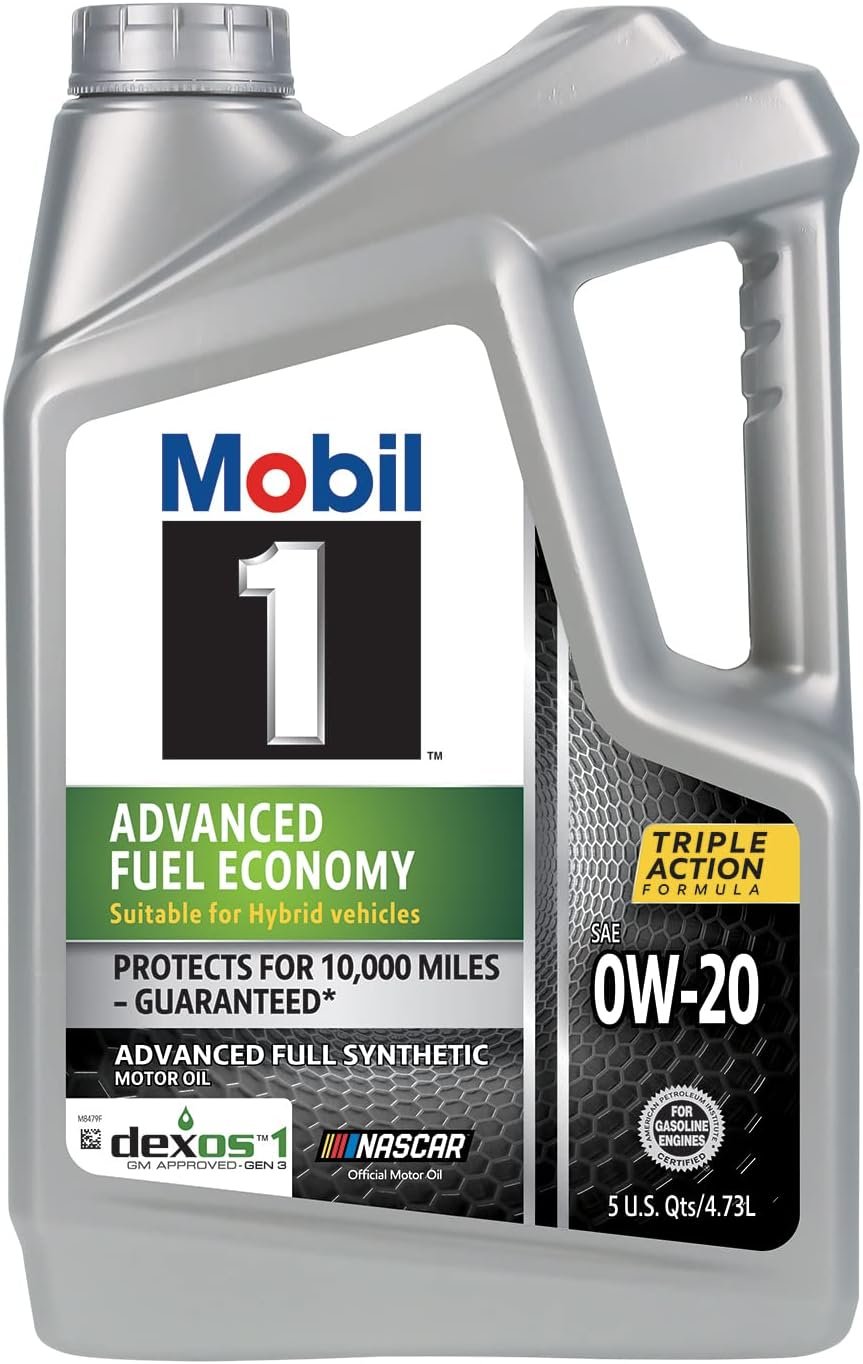
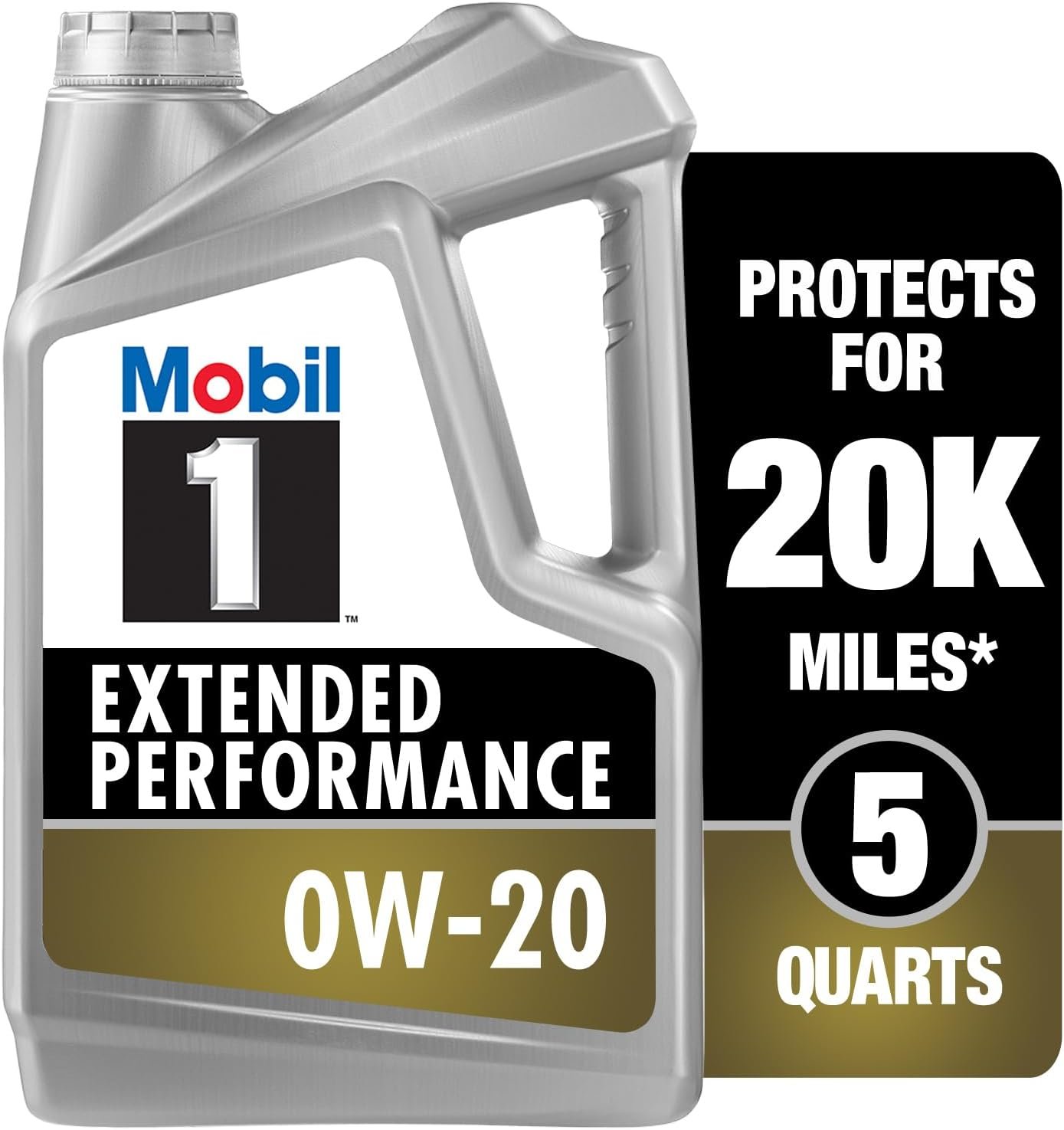
ExxonMobil’s SuperSyn base stock technology provides exceptional thermal stability under the sustained high-temperature conditions that towing and desert driving create. Strong detergent package keeps CVVT oil passages and direct injection components clean. Excellent shear stability maintains viscosity grade through the full drain interval.
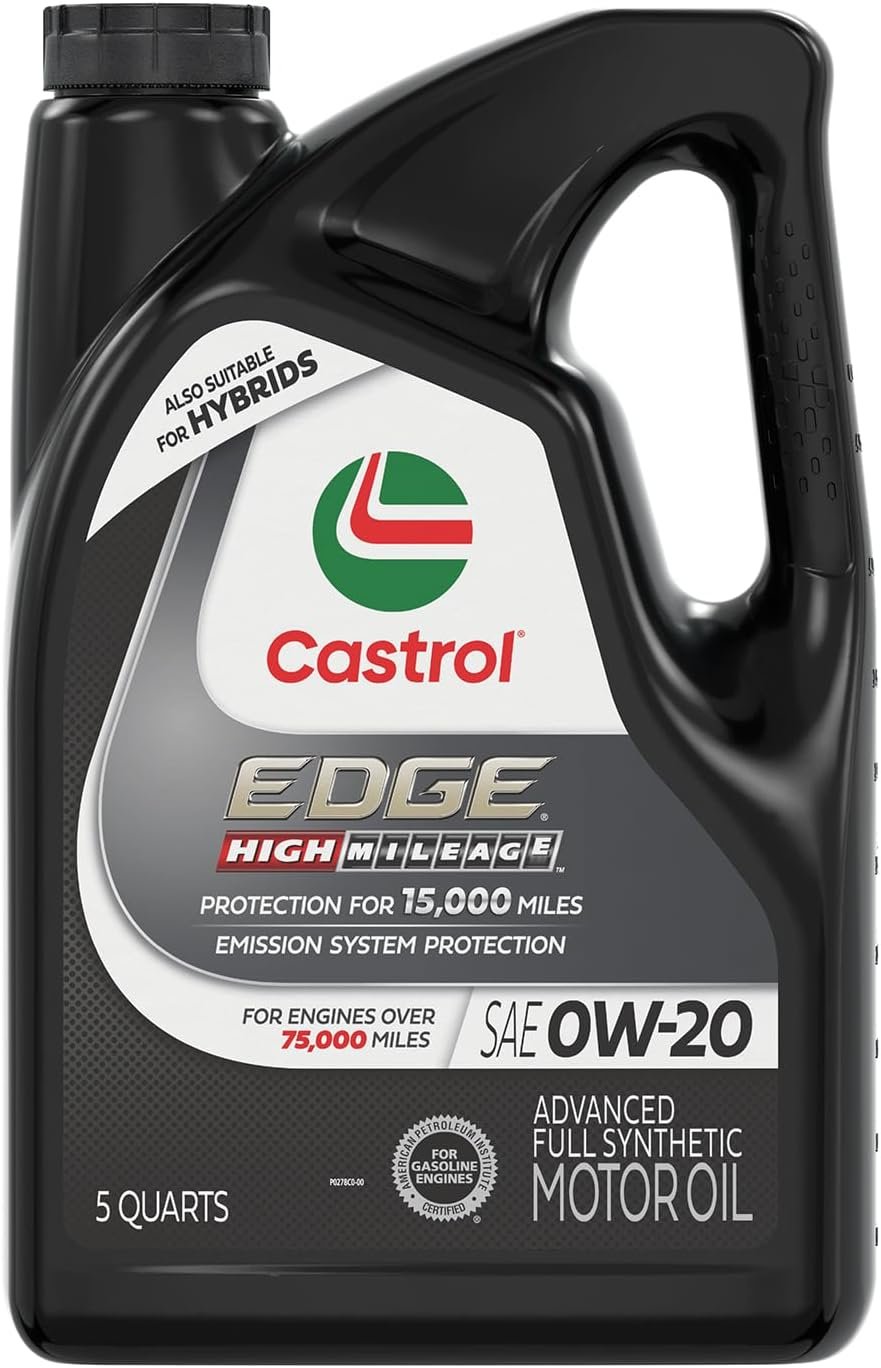
Castrol’s Fluid Titanium Technology delivers strong oil film strength under the high shear conditions found during towing and off-road driving. Effective LSPI protection combined with robust anti-wear properties for the timing chain and CVVT system make this a strong choice for owners who work their trucks hard.
Best Value: Valvoline Advanced Full Synthetic 0W-20 (~$22-27/5 qt) Well-balanced additive package at the most accessible price point. Widely available at Walmart, AutoZone, O’Reilly, and Amazon. For Frontier owners who shorten their change intervals due to towing or off-road use, the lower cost per change makes Valvoline the practical choice without sacrificing any specification requirements.
Oil Change Intervals
Nissan Official Recommendation:
- 5,000 miles or 6 months under normal conditions
- 3,750 miles or 3 months under severe conditions
Nissan’s definition of severe conditions includes frequent towing, hauling, off-road driving, dusty environments, extensive idling, and repeated short trips. If you bought a Frontier, there is a strong chance at least one of these applies to you. The Frontier is a working truck and a capable off-roader, and most owners use it as such.
Recommended practice: 5,000 miles or 6 months for highway-dominant driving with no towing. 3,750 miles or 3 months if you tow regularly, drive off-road, operate in dusty conditions, or use the truck for frequent short trips. The VQ38DD holds only 5.4 quarts — a modest sump for a 310-horsepower V6 under truck duty. Shorter intervals keep the oil’s anti-wear and detergent properties at full strength, which directly protects the timing chain, CVVT system, and direct injection components.
Why Correct Oil Matters for the VQ38DD
The VQ38DD’s direct injection system operates at fuel pressures exceeding 2,900 PSI. The high-pressure fuel pump is cam-driven and relies on engine oil for lubrication of its drive mechanism. Degraded or incorrect oil accelerates wear on this component, and a failing high-pressure fuel pump causes rough running, misfires, and eventually an inability to start.
The CVVT system on both intake and exhaust camshafts uses oil pressure to actuate phasing changes. Sludge, varnish, or oil that has lost its viscosity characteristics causes sluggish VVT response, triggering check engine lights and reducing both performance and fuel economy. The timing chain tensioners are also hydraulic — they depend on oil pressure to maintain correct chain tension. Low-quality or degraded oil allows chain slack, which produces a rattling noise on cold starts and, if ignored, can lead to jumped timing.
The 0W-20 viscosity is not an economy compromise — it is an engineering requirement. The bearing clearances, oil passages, and hydraulic circuits in the VQ38DD are sized for 0W-20 flow characteristics. Thicker oil reduces flow through narrow CVVT passages and delays oil delivery to critical components during cold starts.
Common VQ38DD Problems Related to Oil
The VQ38DD is a relatively new engine with limited long-term field data, but early ownership patterns have revealed several points worth monitoring.
Carbon buildup on intake valves is the most predictable issue. As a direct-injection-only engine without port injectors to wash the valves, carbon deposits will accumulate over time. Symptoms include rough idle, slight hesitation on acceleration, and gradually worsening fuel economy, typically appearing after 60,000 to 80,000 miles. Walnut shell blasting is the established cleaning method. Using oil with strong detergent properties helps slow the rate of accumulation by keeping PCV system vapors cleaner before they reach the intake valves.
Oil pump concerns surfaced on a small number of early 2022 production units. Owners reported oil pressure warnings and, in rare cases, low oil pressure events traced to the oil pump assembly. Nissan addressed this through dealer-level repairs, and the issue does not appear widespread in 2023 and later production. Monitoring oil pressure behavior and responding immediately to any warning light is essential. If the oil pressure light illuminates, shut the engine off immediately — do not drive to a shop.
Timing chain noise on cold starts has been reported by some owners, typically a brief rattle lasting a few seconds before oil pressure fully charges the tensioners. This is common in chain-driven DOHC V6 engines and is generally harmless if it resolves within seconds. Persistent rattling beyond 5 to 10 seconds after startup warrants inspection. Maintaining correct oil level and using quality 0W-20 ensures the tensioners receive adequate pressure as quickly as possible.
Conclusion
The Nissan Frontier 3.8L V6 (VQ38DD) requires 5.4 quarts of API SP compliant SAE 0W-20 full synthetic engine oil at every service. Use Nissan Genuine 0W-20, Mobil 1 Advanced Fuel Economy, Castrol EDGE Advanced, or Valvoline Advanced Full Synthetic. Change the oil at 5,000 miles for normal driving and 3,750 miles if you tow, haul, drive off-road, or operate in dusty conditions. Check your oil level between services — 5.4 quarts is a modest sump for a 310-horsepower truck engine under load.
The VQ38DD carries the proven durability of Nissan’s VQ engine family into a modern direct-injection package. Carbon buildup on intake valves is the long-term maintenance reality of direct injection, and monitoring for it after 60,000 miles will prevent performance degradation. The $25-35 spent on quality 0W-20 every 3,750 to 5,000 miles protects a $40,000 truck and an engine lineage with a quarter-century track record of running well past 200,000 miles.
Our Top Picks
As an Amazon Associate, we may earn from qualifying purchases. This doesn't affect our recommendations — we only suggest oils that hold the exact OEM approval for your engine.