 Oil-
Oil-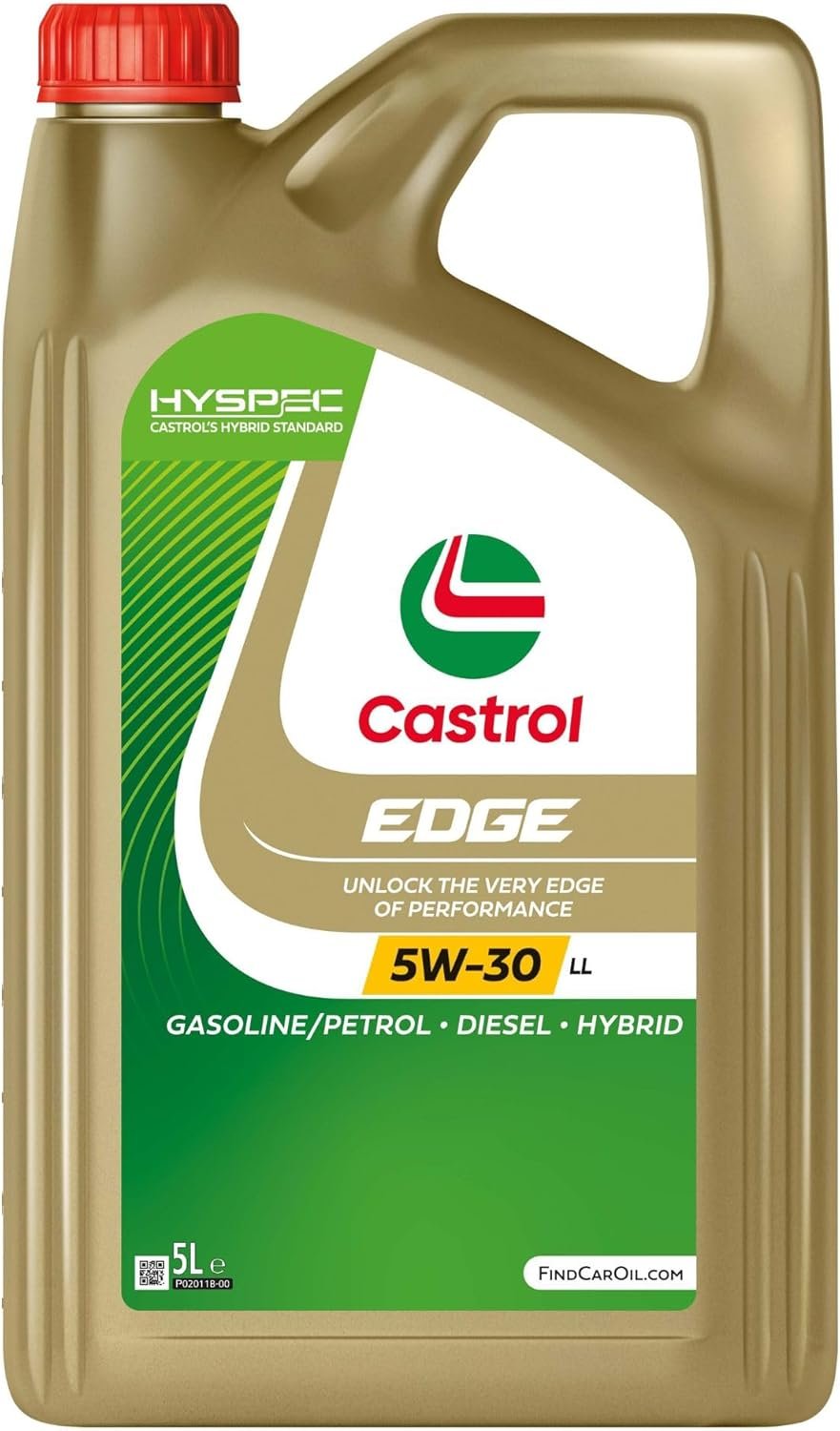
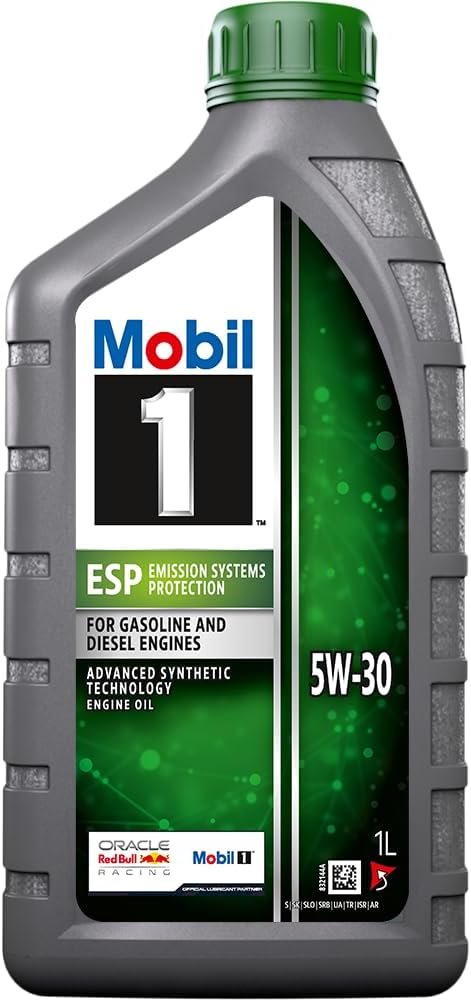
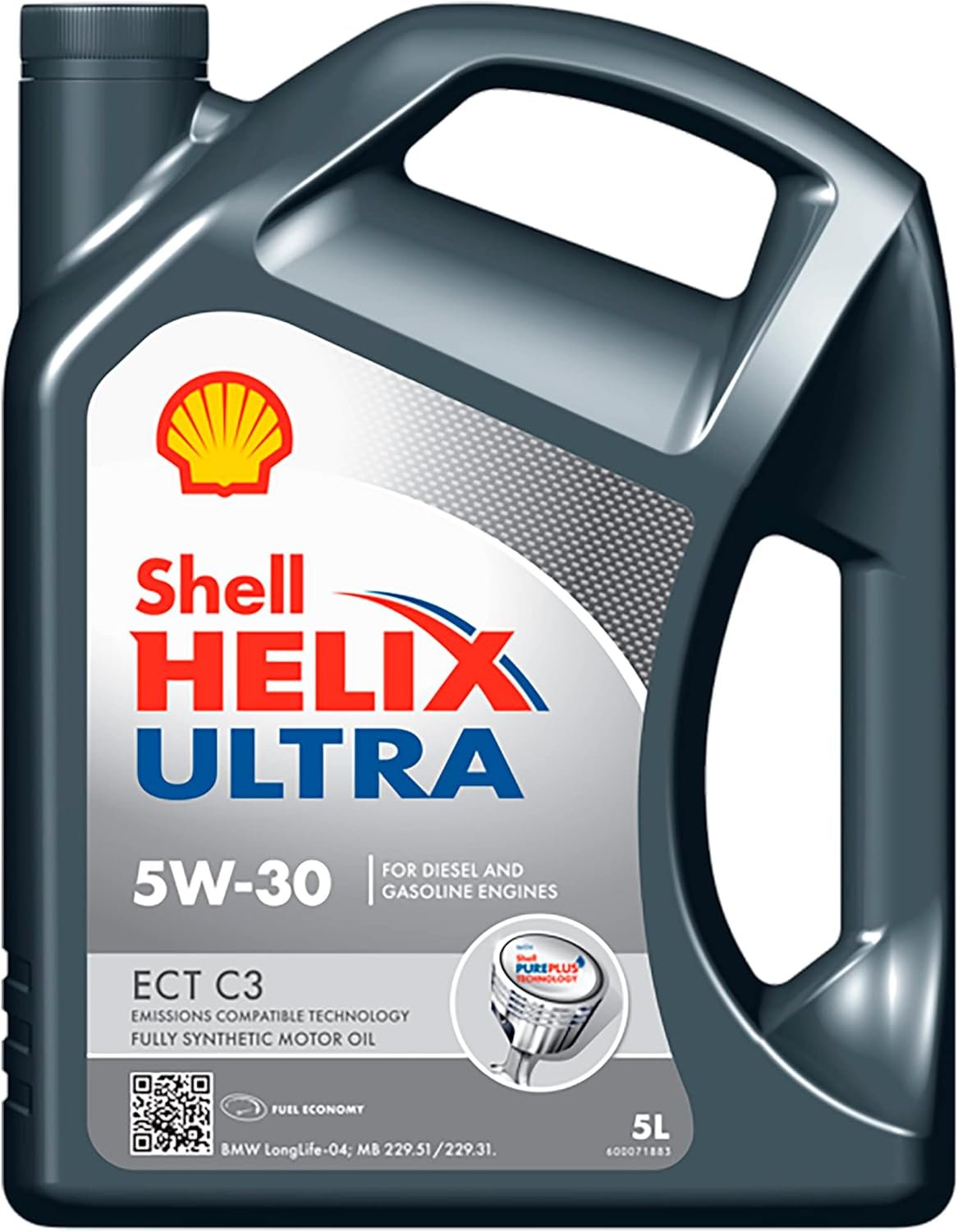
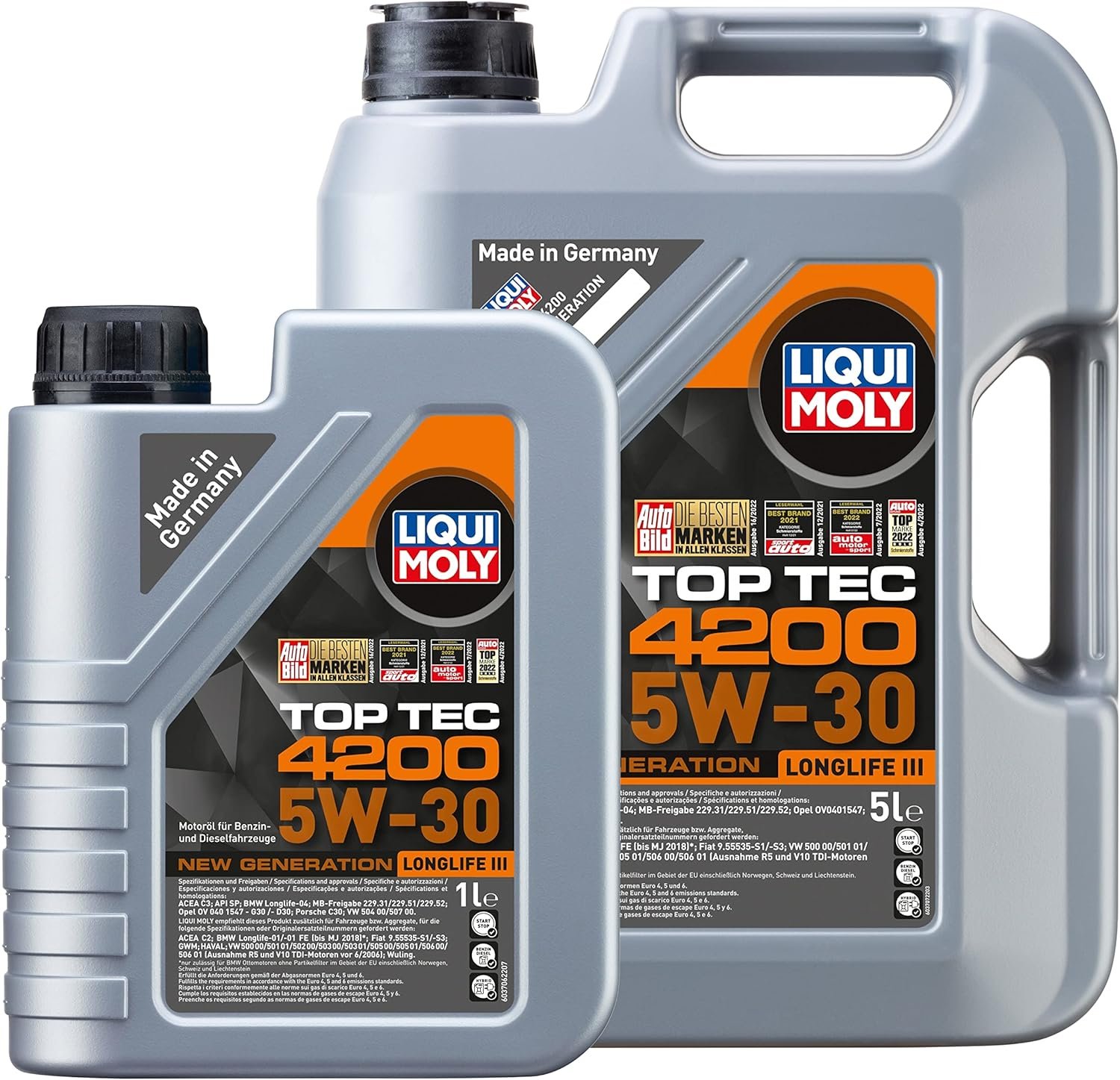
As an Amazon Associate, we may earn from qualifying purchases. This doesn't affect our recommendations — we only suggest oils that hold the exact OEM approval for your engine.
Best Engine Oil for Nissan Navara D23 2.3 dCi (160/190 hp)
The Nissan Navara D23 (NP300) established itself as one of the most capable mid-size pickup trucks in the UK market when it arrived in 2015, combining a tow rating of 3,500 kg with the comfort and refinement expected of a modern double cab. The 2.3 dCi engine — available in 160 hp single-turbo (YS23DDT) and 190 hp sequential twin-turbo (YS23DDTT) forms — is a capable unit, but it comes with documented oil and maintenance sensitivities that every owner must understand.
Quick Answer: Recommended Oil
- Specification: ACEA C3, 5W-30 (fully synthetic)
- Alternative viscosity: 5W-40 (ACEA C3, for high-mileage engines or sustained towing use)
- Oil capacity with filter: 6.7 litres
- Oil capacity without filter: 6.3 litres
The YS23DDT and YS23DDTT Engines
Both variants share the same 2,298cc cast-iron block with an aluminium cylinder head — a DOHC 16-valve design with common-rail direct injection. Bore × stroke is 89.0 mm × 92.3 mm, a long-stroke configuration optimised for torque rather than high-revving performance. The compression ratio is approximately 15.4:1.
The distinction between variants lies in the forced induction system. The YS23DDT (160 hp, 403 Nm) uses a single variable-geometry turbocharger. The YS23DDTT (190 hp, 450 Nm) adds a sequential twin-turbo setup: a small-wheel turbo handles low-rpm response and spool-up, while the larger turbo takes over at higher engine speeds and loads. This arrangement delivers strong torque from low revs — important for towing — but also introduces additional oil-sensitivity at the small turbo, which runs under load almost continuously in urban driving.
A DPF is standard fitment on all UK-market D23 variants. There is no SCR/AdBlue urea aftertreatment system on pre-2021 Navara D23 production.
Understanding the Oil Specification
Nissan specifies 5W-30 meeting ACEA C3 for the UK/European D23. The ACEA C3 designation carries two requirements that are non-negotiable for this engine:
Low-SAPS chemistry: ACEA C3 limits sulphated ash to a maximum of 0.8%. The DPF catalyst converts diesel soot through active regeneration; if the oil contains high sulphated ash (as in ACEA A3/B4 or API CI-4 heavy-duty diesel oils), non-combustible ash deposits accumulate irreversibly in the DPF filter media. A D23 run on high-ash oil will experience premature DPF failure.
5W-30 viscosity: The sequential twin-turbo system requires immediate oil pressure on cold starts. The small turbo in the YS23DDTT spins at very high rotational speeds within seconds of ignition — it depends on oil film at the journal bearings before temperatures stabilise. A 5W-30 fully synthetic oil reaches these bearings faster at cold start than a 10W-40 or 15W-40.
Technical Specifications
| Specification | Value |
|---|---|
| Displacement | 2,298 cc |
| Layout | 4-cylinder inline, DOHC, turbodiesel |
| Engine codes | YS23DDT (160 hp / 403 Nm) / YS23DDTT (190 hp / 450 Nm) |
| Bore × stroke | 89.0 mm × 92.3 mm |
| Compression ratio | ~15.4:1 |
| Injection system | Common-rail direct injection |
| Turbocharger | Single VGT (YS23DDT) / Sequential twin-turbo (YS23DDTT) |
| DPF | Standard on all UK variants |
| Oil capacity (with filter) | 6.7 litres |
| Oil capacity (without filter) | 6.3 litres |
| Recommended viscosity | 5W-30 |
| Alternative viscosity | 5W-40 |
| ACEA classification | C3 |
Oil Change Intervals
Nissan’s published UK service interval for the D23 is 12,500 miles or 12 months, whichever comes first. This is widely considered over-optimistic given the documented fuel dilution risk with this engine.
The recommended real-world interval is 6,000–7,500 miles or 12 months, particularly for vehicles used predominantly for urban driving, short commutes, or any use pattern that involves frequent cold starts without sustained motorway running. The reason is fuel dilution: active DPF regeneration injects raw diesel post-combustion to burn accumulated soot; on short trips that abort before regeneration completes, unburned diesel reaches the sump and dilutes the oil. Diluted oil is thinner than specified, loses anti-wear capability rapidly, and provides inadequate protection to turbo bearings.
For vehicles used primarily for long-distance driving or regular towing — which actually promotes passive DPF regeneration through sustained exhaust temperatures — Nissan’s 12,500-mile interval is more appropriate.
The Fuel Dilution Problem
Oil dilution is the defining maintenance concern of the Navara D23 2.3 dCi, and understanding it is essential for any owner. Active DPF regeneration occurs automatically when the engine management system detects sufficient soot accumulation; it injects fuel late in the combustion cycle to raise exhaust temperatures and burn the trapped particles. When this cycle is interrupted — by switching off the engine before the regen completes — unburned diesel enters the sump via cylinder blow-by.
The symptom is a rising oil level. A dipstick reading above maximum between services, combined with a diesel smell from the oil, confirms dilution. Do not interpret a rising level as a sign of a well-running engine — it is an early warning of dilution that requires an immediate oil change regardless of mileage. Running diluted oil in a twin-turbo diesel is a direct path to turbo failure.
Common D23 Problems Related to Oil
DPF clogging: The most reported issue across UK Navara D23 forums. Urban use prevents passive regeneration; repeated incomplete active regenerations cause dilution and soot accumulation simultaneously. Correct low-SAPS ACEA C3 oil slows ash loading; regular motorway runs address the regeneration problem.
Injector failure: White smoke from the exhaust — particularly on the YS23DDTT — is typically traced to injectors spraying an incorrect fuel pattern. Nissan replaced injectors on some vehicles under warranty at low mileage, with recurrence reported. Correct oil specification reduces combustion deposits around injector tips.
EGR valve and cooler fouling: Carbon deposits from EGR recirculation cause rough idle and restricted airflow. Low-SAPS oil reduces combustion by-products; regular oil changes maintain cleaner combustion conditions.
Turbo wear: Oil dilution and extended drain intervals are the primary causes of turbo failure on the D23. The small turbo in the sequential YS23DDTT setup is particularly sensitive — it operates under high load at low engine speeds and requires consistent oil film from cold start. Annual oil changes with quality ACEA C3 5W-30 are the primary available preventive measure.
Conclusion
The Nissan Navara D23 2.3 dCi is a capable and well-specified pickup truck, but the YS23 engine family requires conscientious oil maintenance. ACEA C3 5W-30 is the only correct specification — protecting the DPF, the twin-turbo system, and the EGR circuit simultaneously. For urban use, reduce the service interval to 6,000–7,500 miles and check the oil level monthly; a rising dipstick is a warning, not a reassurance. Correct oil, realistic intervals, and regular motorway runs to support DPF regeneration are the foundations of reliable long-term ownership.
Our Top Picks
As an Amazon Associate, we may earn from qualifying purchases. This doesn't affect our recommendations — we only suggest oils that hold the exact OEM approval for your engine.