 Oil-
Oil-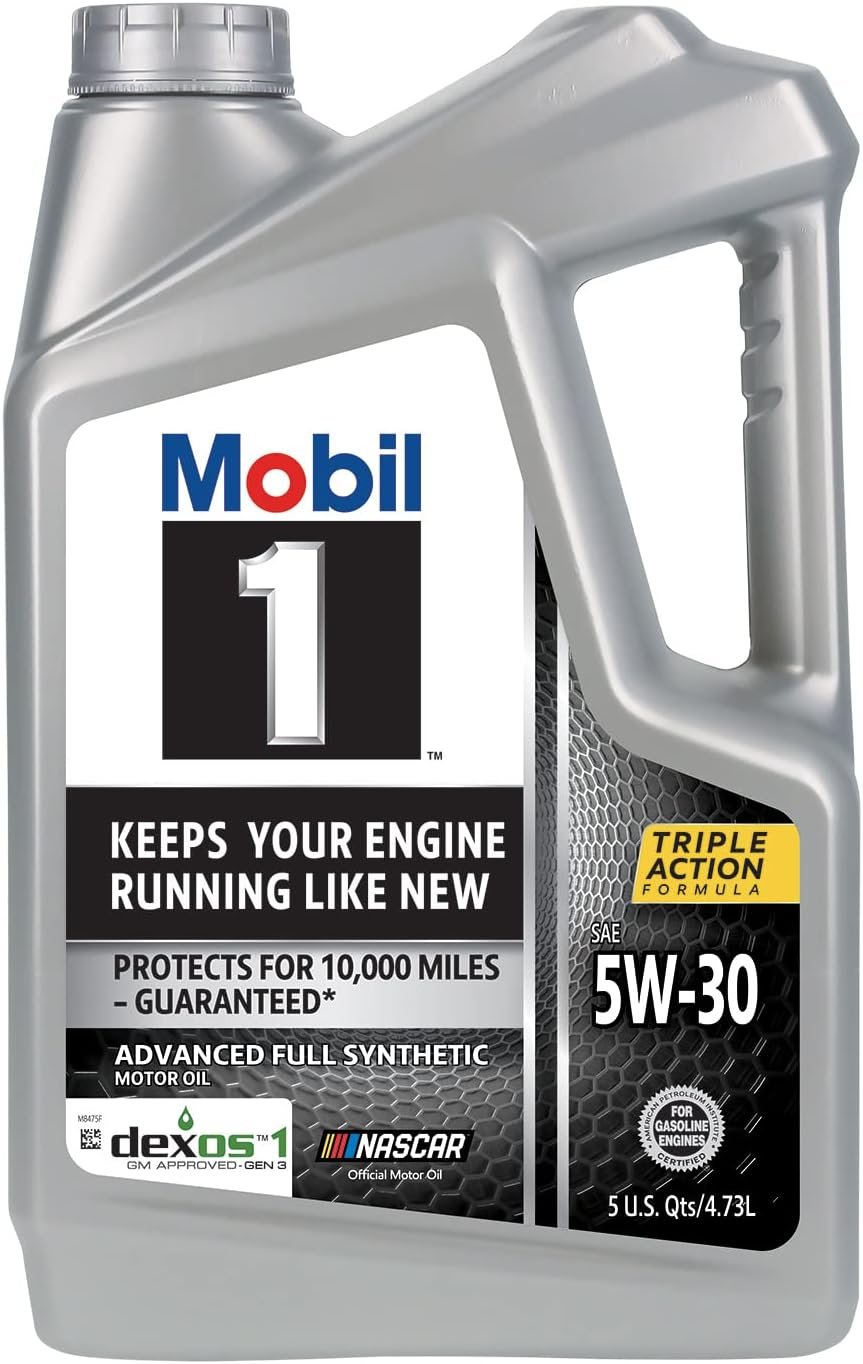
As an Amazon Associate, we may earn from qualifying purchases. This doesn't affect our recommendations — we only suggest oils that hold the exact OEM approval for your engine.
Best Engine Oil for Nissan Frontier D40 4.0L VQ40DE V6 (2005–2021)
The Nissan Frontier D40 had one of the longest production runs of any mid-size truck sold in America. From 2005 through 2021 — sixteen years, essentially unchanged in powertrain — Nissan kept selling this truck because it worked. The 4.0L VQ40DE V6 is the engine at the heart of it, and it shares its DNA with the Xterra, Pathfinder, and, in displacement-reduced form (VQ35DE), the 350Z sports car. That heritage means real performance, but it also comes with specific weak points that every Frontier owner needs to understand. Choosing the right engine oil is not a luxury consideration with this motor — it’s directly tied to how long your timing chain lasts and whether your Variable Timing Control (VTC) system keeps working correctly.
Quick Answer: Recommended Oil
- Required specification: API SN or higher, ILSAC GF-5 or higher
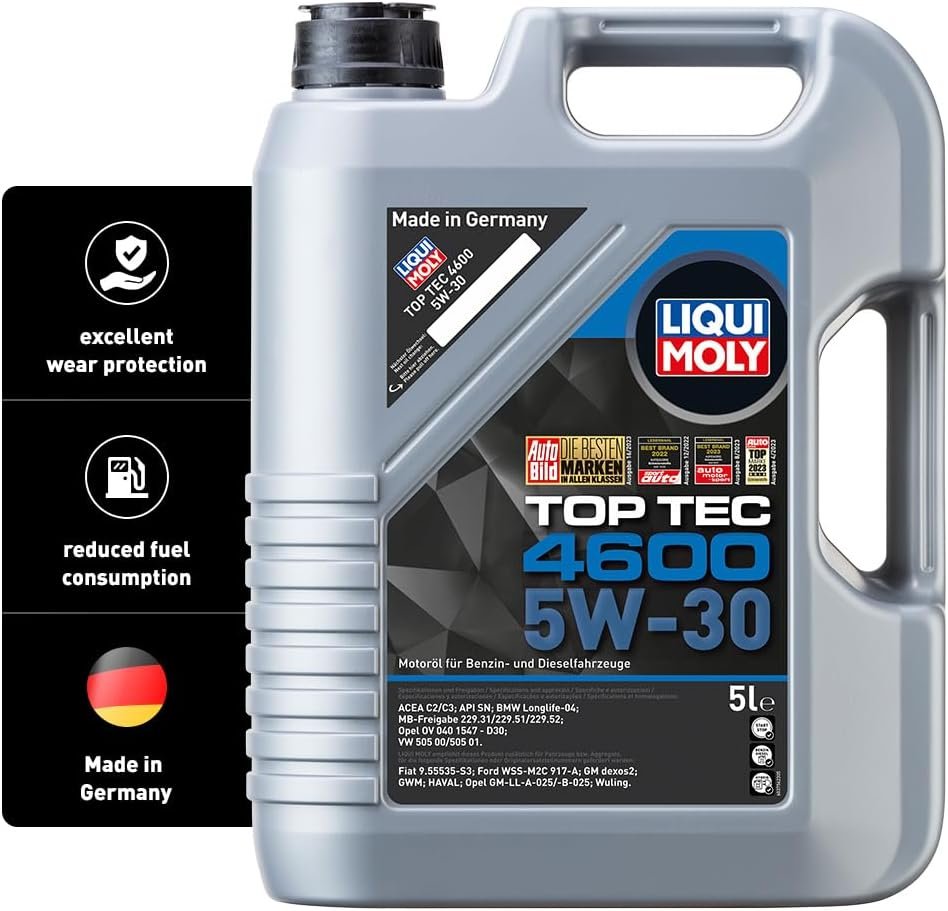
- Recommended viscosity: 5W-30
- Alternative viscosity: 10W-30 (acceptable in warm climates only)
- Oil capacity (drain and fill, no filter): 4.8 liters (5.1 US quarts)
- Oil capacity (with filter replacement): 5.1 liters (5.4 US quarts)
- Change interval: Every 5,000 miles with conventional oil; every 7,500–10,000 miles with full synthetic (always follow Nissan’s Intelligent Oil Life Monitor if equipped)
The VQ40DE Engine
The VQ40DE is a 4.0-liter, naturally aspirated, 60-degree V6 with dual overhead camshafts (DOHC) and four valves per cylinder — 24 valves total. It produces 261 horsepower at 5,600 rpm and 281 lb-ft of torque at 4,000 rpm in its Frontier tune. These are strong numbers for a naturally aspirated truck engine, and they come from a relatively sophisticated architecture that Nissan refined over decades.
One of the key technologies on the VQ40DE is the Variable Timing Control (VTC) system on the intake camshafts. VTC is Nissan’s cam phasing system, similar in function to Honda’s i-VTEC or Toyota’s VVT-i. At idle and low load, the system retards intake cam timing to reduce pumping losses and improve fuel economy. As RPM and load climb, it advances timing to maximize torque and power. The VTC actuators are hydraulically driven — meaning they respond to oil pressure and oil viscosity. If your oil is degraded, too thin at operating temperature, or slow to pressurize on cold starts, the phasers don’t move correctly. You’ll hear a brief rattle at startup, get a check engine light for cam timing faults, and eventually wear the actuator itself.
The VQ40DE also uses a cassette-style timing chain system with three chains: a primary chain at the rear of the engine (facing the firewall) driving intermediate shafts, and two secondary chains driving the cylinder head camshafts. This layout is one of the more complex chain systems in the class, which is relevant when we get to the well-documented timing chain stretch issues.
Understanding Nissan’s Oil Specifications for the VQ40DE
Nissan specifies API SN / ILSAC GF-5 motor oil in 5W-30 viscosity for the D40 Frontier across all model years and most operating temperatures.
API SN is a performance rating from the American Petroleum Institute covering oxidation resistance, deposit control, sludge control, and compatibility with emission systems. API SN+ (introduced mid-decade) adds Low Speed Pre-Ignition (LSPI) protection — not strictly required for the VQ40DE since it’s naturally aspirated, but any SN+ or the current API SP rating is fully backward compatible and acceptable.
ILSAC GF-5 is the International Lubricant Standardization and Approval Committee standard, developed jointly by API and auto manufacturers including Nissan. GF-5 oils must pass rigorous tests for fuel economy retention, turbo deposit control, and sludge protection. The current standard, ILSAC GF-6A, is backward compatible with GF-5 and is what most 5W-30 oils on store shelves carry today — it’s fully approved for the VQ40DE.
Why 5W-30 specifically? The “5W” means the oil flows like a thin 5-weight oil in cold temperatures, ensuring rapid lubrication on cold starts — critical for the VTC phasers. The “30” means it maintains a 30-weight viscosity at operating temperature, which is sufficient for the VQ40DE’s bearing clearances without being so thick that it starves the hydraulic cam phasers of flow.
When is 10W-30 acceptable? Nissan does list 10W-30 as an alternative for ambient temperatures above 0°F (-18°C). In practice, if you live in a region that stays warm year-round and you’re using conventional oil, 10W-30 is fine. However, in most of the US, 5W-30 full synthetic is the smarter choice because cold-start protection is where the VQ40DE’s timing chain and VTC components are most vulnerable.
Technical Specifications
| Specification | Detail |
|---|---|
| Engine code | VQ40DE |
| Displacement | 3,954 cc (4.0L) |
| Configuration | 60° V6, DOHC, 24-valve |
| Bore × Stroke | 95.5 mm × 92.0 mm |
| Compression ratio | 9.7:1 |
| Power output | 261 hp @ 5,600 rpm |
| Torque | 281 lb-ft @ 4,000 rpm |
| Valvetrain | Dual overhead cams, VTC on intake |
| Fuel system | Electronic multi-point injection |
| Oil capacity (no filter) | 4.8 L / 5.1 US qt |
| Oil capacity (with filter) | 5.1 L / 5.4 US qt |
| Recommended viscosity | 5W-30 |
| Alternative viscosity | 10W-30 (warm climates) |
| Oil specification | API SN / ILSAC GF-5 (or current equivalent) |
| Production years (D40) | 2005–2021 |
Oil Change Intervals
Nissan’s official recommendation for the D40 Frontier with the VQ40DE is every 5,000 miles using conventional oil, or every 7,500 miles using full synthetic, under normal operating conditions. The owner’s manual also defines “severe” operating conditions: frequent towing near capacity, extensive idling, dusty environments, or regular short trips under 5 miles in cold weather. Under severe conditions, Nissan recommends dropping to 3,000–4,000 miles regardless of oil type.
Real-world best practice for most Frontier owners: full synthetic, 5W-30, changed every 6,000–7,500 miles. This interval balances cost with protection. Given the timing chain and VTC sensitivity documented below, running oil well past its service life is a false economy. A $60 oil change is dramatically cheaper than a $2,000+ timing chain job.
If your D40 is used as a work truck — towing trailers, hauling heavy loads regularly, or sitting at idle on job sites — treat it as severe duty and change at 5,000 miles. The VQ40DE will respond well to that care.
Why the Correct Oil Matters for the VQ40DE
The VQ40DE has two systems that are directly oil-dependent: the VTC cam phasers and the timing chain tensioners.
VTC Phasers: These are hydraulic actuators that require consistent oil pressure to operate correctly. At startup, before oil pressure builds (typically 2–4 seconds on a cold engine), the phasers are unpressurized. If the oil is too thick to pump quickly (wrong viscosity for ambient temperature), or if the oil is degraded and foamy, the phasers clatter during that window. Repeated cold-start clatter accelerates wear on the phaser vanes and the actuator housing. Over time, this leads to a check engine light — typically P1145 or P1148 (cam timing over-advanced or retarded), which on a 2005–2010 Frontier can show up even with a relatively low-mileage engine if oil changes were neglected.
Using a quality 5W-30 full synthetic with a robust additive package directly reduces this cold-start vulnerability. Synthetic 5W-30 flows significantly faster than conventional 5W-30 in cold conditions, building oil pressure faster and protecting the phasers during those first critical seconds.
Timing Chain Lubrication: All three of the VQ40DE’s timing chains require clean, properly viscous oil to keep the tensioners pressurized and the chain guides lubricated. Degraded oil increases chain stretch rates. Thick, sludged oil starves the hydraulic tensioners. Either condition allows the chain to slap, which is audible as a rattle or buzz — and which, left unaddressed, eventually allows timing to jump.
Common VQ40DE Problems Related to Oil and Maintenance
Timing Chain Stretch and Rattle (2005–2010, primary concern)
The most significant VQ40DE reliability issue is timing chain stretch, especially in 2005–2010 model year trucks. The root cause identified by the industry was a manufacturing defect in the BorgWarner timing chain sets used in that production window: improperly stamped chain links left sharp edges that wore through the plastic faces of the chain tensioners faster than expected. As the tensioner faces wore down, the chains stretched and eventually slapped against guides.
The symptom is a buzzing or rattling noise on cold startup that typically disappears within 30–60 seconds as oil pressure builds. Owners who ignored this or dismissed it as normal often found themselves with jumped timing and bent valves — a very expensive outcome. Nissan issued a technical service bulletin (TSB) addressing this, and BorgWarner eventually released updated timing sets with corrected chain link geometry.
If you own a 2005–2010 Frontier D40 and hear any cold-start rattle from the top end, have the timing chain system inspected immediately. Do not delay. 2011 and later D40 Frontiers used revised timing components and are significantly less prone to this failure.
Radiator Failure — Coolant Contaminating Transmission Fluid (2005–2010)
This is arguably the most expensive failure mode associated with the D40 generation and it has nothing to do with engine oil directly — but it’s essential knowledge for every D40 owner. The 2005–2010 Frontier used a Calsonic radiator with an integrated automatic transmission fluid (ATF) cooler built inside the radiator core. Coolant and ATF are separated by a thin steel tube wall. After years of heat cycling, that wall fatigues and cracks. Because engine coolant runs at higher pressure than the ATF return circuit, coolant pushes into the transmission fluid.
The result: the ATF turns pink and foamy. At first, the transmission may still shift normally, but the coolant destroys the clutch packs, seals, and valve body over a relatively short period — sometimes just a few hundred miles of driving. A complete transmission replacement can run $3,000–$5,000. Many 2005–2010 D40 owners were caught off guard because the mixing can happen gradually.
The fix is to replace the factory radiator with an updated 2011+ Nissan OEM unit (which uses an external transmission cooler) or an aftermarket radiator that does not have an internal ATF cooler. Install an external transmission cooler inline. This is considered a mandatory preventive maintenance item for any 2005–2010 D40 Frontier that hasn’t already been addressed.
To check your ATF, pull the transmission dipstick. Normal ATF is red and translucent with a faint petroleum smell. Contaminated ATF is pink, frothy, and smells faintly of coolant. If you see that, stop driving the truck immediately.
VTC Actuator Noise (High-Mileage Trucks)
On high-mileage VQ40DE engines — typically 150,000+ miles — the VTC actuators can wear to the point where the cold-start rattle becomes a consistent issue rather than an occasional annoyance. This is a normal wear item on a high-mileage truck, but it’s significantly accelerated by infrequent oil changes or use of the wrong oil specification. Keeping up with 5W-30 full synthetic at proper intervals is the most effective preventive measure.
Conclusion
The Nissan Frontier D40 with the VQ40DE 4.0L V6 is a genuinely tough truck, and the engine will go well past 200,000 miles when maintained correctly. The key inputs are straightforward: 5W-30 API SN/ILSAC GF-5 (or better) motor oil, changed every 5,000–7,500 miles depending on conditions, with an oil filter replaced at every change. Full synthetic is strongly recommended given the VTC phaser sensitivity on cold starts. If you own a 2005–2010 D40, verify your radiator has been updated to prevent the coolant-in-ATF failure — that’s a separate but equally important maintenance call. Take care of the basics on this truck and the VQ40DE will reward you with reliable, high-output performance for the long haul.
Our Top Picks
As an Amazon Associate, we may earn from qualifying purchases. This doesn't affect our recommendations — we only suggest oils that hold the exact OEM approval for your engine.