 Oil-
Oil-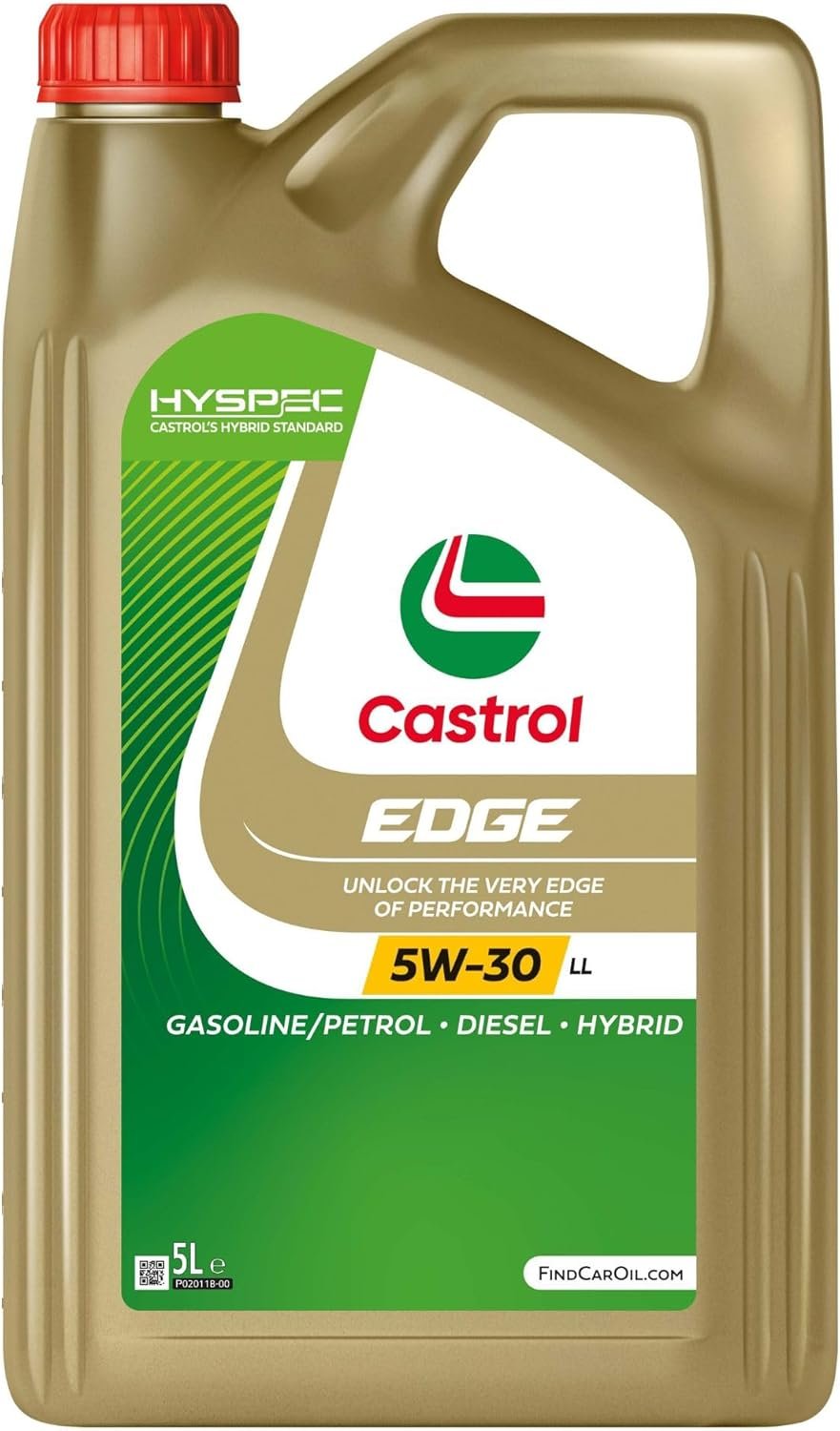
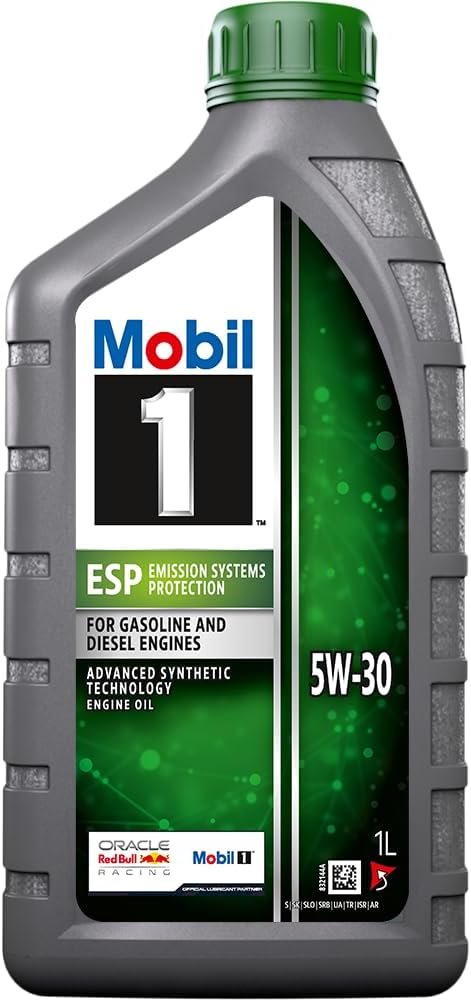
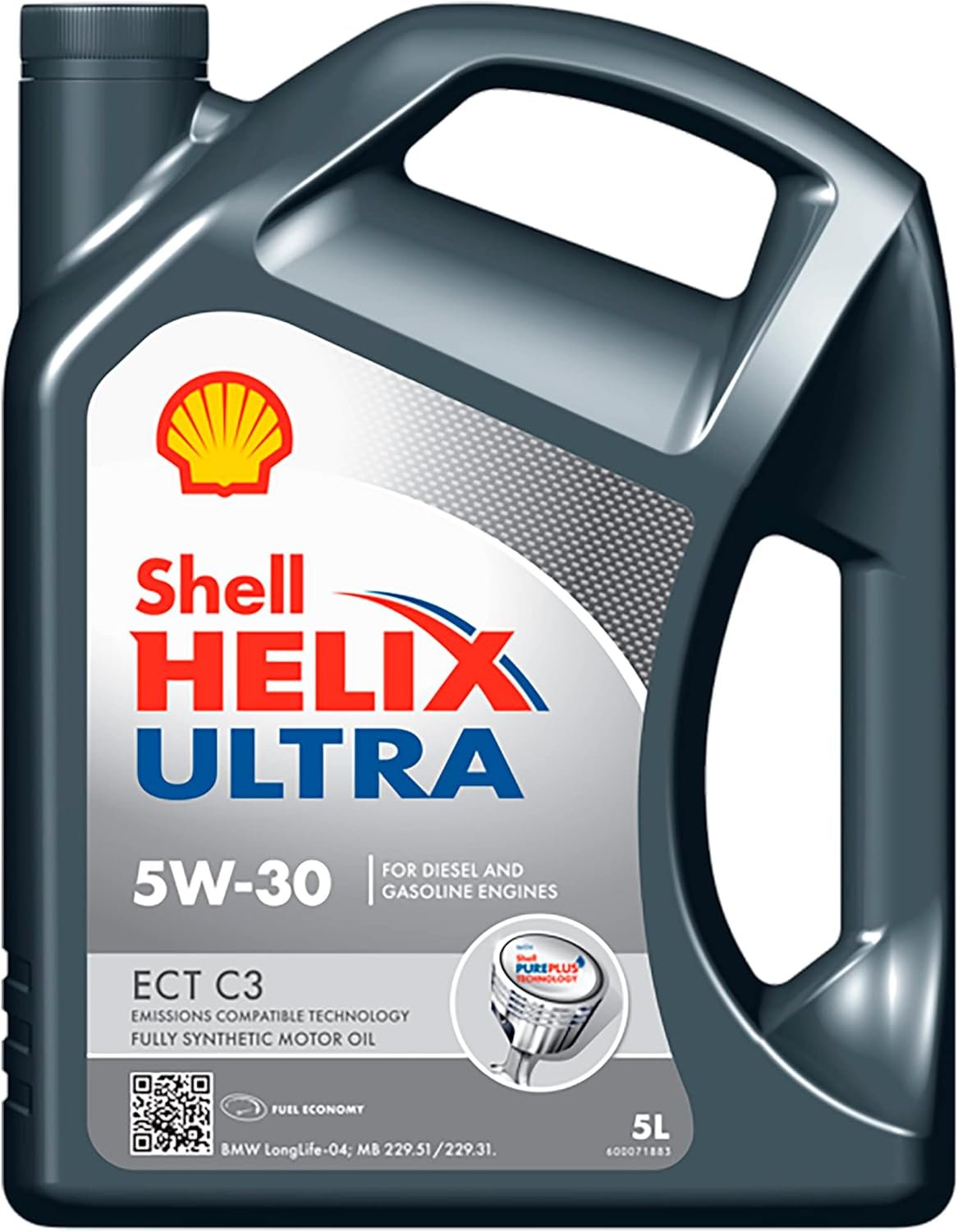
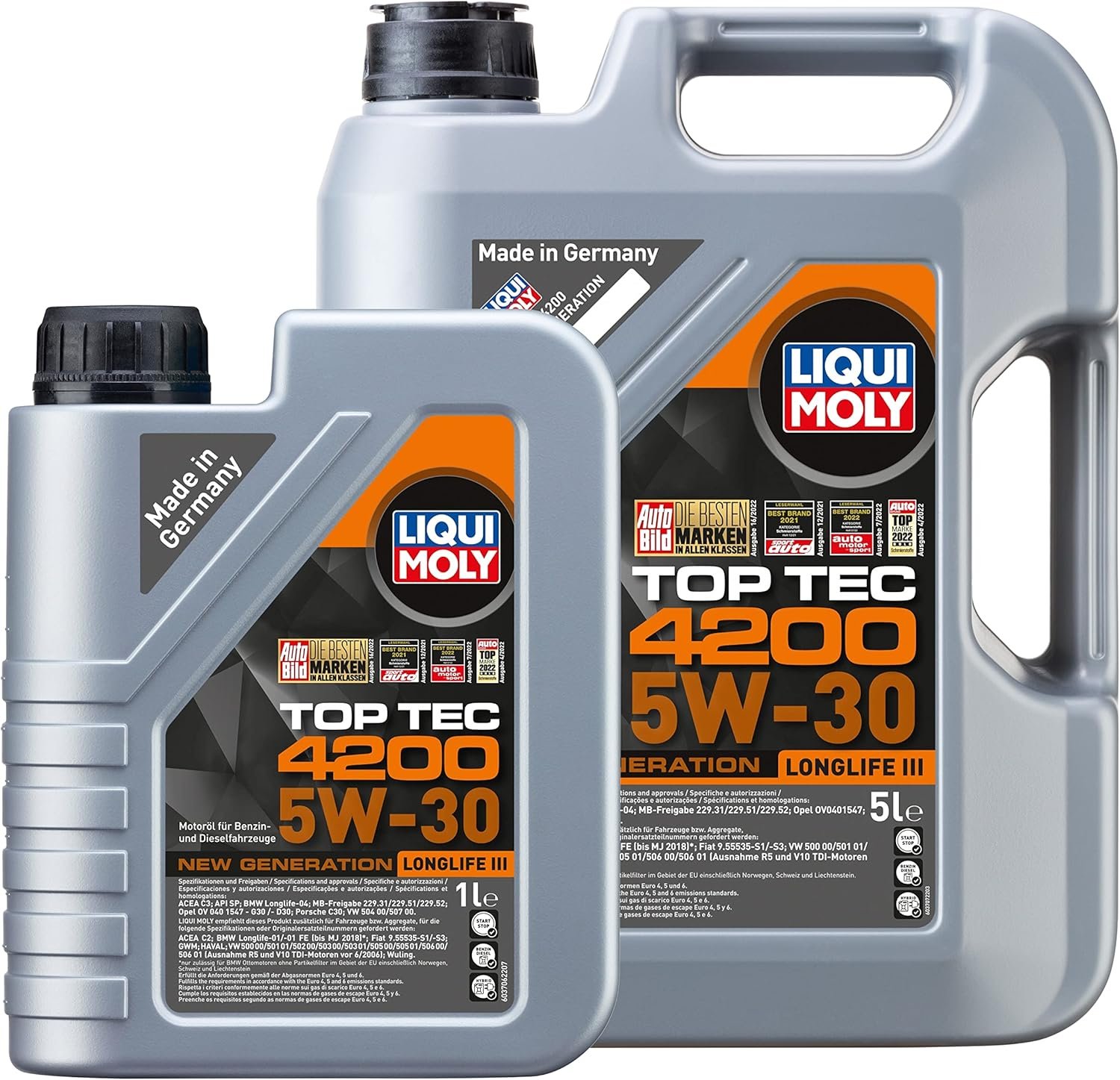
As an Amazon Associate, we may earn from qualifying purchases. This doesn't affect our recommendations — we only suggest oils that hold the exact OEM approval for your engine.
Best Engine Oil for Mercedes W211 E220 CDI (OM646) – Capacity & Specifications
The Mercedes-Benz W211 E-Class ran from 2002 to 2009 and became one of the most popular executive saloons of its era. The E 220 CDI sits at the heart of the range — a 2.1-litre four-cylinder diesel that offers a compelling mix of refinement and long-distance capability. With the OM646.953 engine producing 170 hp and a substantial 400 Nm of torque, the W211 E 220 CDI was built for motorway cruising and high-mileage company-car use alike.
Choosing the right engine oil is especially critical for this engine. Mercedes-Benz developed the MB 229.51 specification precisely because the OM646 was among the first series-production diesel engines to be paired with a diesel particulate filter (DPF) from the factory. The wrong oil — even a high-quality one that does not meet MB 229.51 — can accelerate DPF blockage, leave ash deposits on the turbocharger, and shorten the life of components that are expensive to replace. Getting this right from the start pays dividends over the life of the car.
Quick Answer: Recommended Oil
- Primary specification: MB 229.51, ACEA C3, 5W-30
- Alternative viscosity: 5W-40 (must still carry MB 229.51 / ACEA C3)
- Oil capacity (drain only): 6.0 litres
- Oil capacity (with filter change): 6.5 litres
The OM646 Engine
The OM646 is a 2,148 cc inline-four diesel that Mercedes introduced in 2002 as a replacement for the older OM611 unit. It uses a common-rail direct injection system operating at pressures up to 1,600 bar, combined with a variable-geometry turbocharger and two-stage charge-air cooling. The result is strong mid-range torque delivered smoothly — a characteristic well suited to the W211’s long-wheelbase saloon and estate body styles.
A facelift in 2006 brought meaningful engine refinements. The revised OM646 gained piezoelectric injectors in place of the earlier solenoid units, delivering faster and more precise fuel metering, quieter combustion at idle, and slightly improved fuel economy. If you are buying a W211 E 220 CDI today, a post-June 2006 facelift example is generally considered the sweeter engineering package.
The W211 generation also had a reputation for bodywork corrosion — particularly around the rear wheel arches and the boot lid — especially on cars that spent their early years in regions where road salt is used heavily. Rust does not affect the mechanical oil specification, but it is worth inspecting carefully on any used purchase.
Understanding MB 229.51 Oil Specifications
Mercedes-Benz introduced MB 229.51 as a low-SAPS (Low Sulphated Ash, Phosphorus, and Sulphur) specification for diesel engines equipped with DPFs. It superseded the older MB 229.31 for these applications. The key differences matter:
Why low-SAPS matters for the OM646: The DPF works by trapping soot particles from exhaust gases. Over time the filter is regenerated — burnt clean — during sustained motorway driving when exhaust temperatures rise sufficiently. Metallic additives in conventional engine oils produce incombustible ash that cannot be regenerated and gradually fills the DPF. MB 229.51 oils use a carefully controlled additive chemistry that drastically reduces ash loading, extending DPF service life significantly.
MB 229.51 vs MB 229.31: MB 229.31 is a perfectly good specification for non-DPF Mercedes diesels, but it carries higher sulphated ash levels that are incompatible with DPF-equipped engines over the long term. Never use MB 229.31 in a post-2004 W211 E 220 CDI that retains its original DPF.
ACEA C3 alignment: MB 229.51 aligns with the ACEA C3 category — the European industry classification for mid-SAPS lubricants suitable for both petrol and diesel engines with advanced after-treatment systems. If you see an oil carrying both ACEA C3 and MB 229.51 on the label, it is correct for your car.
5W-30 vs 5W-40: Mercedes specifies 5W-30 as the primary viscosity for the OM646 in most European operating conditions. The lower high-temperature viscosity improves fuel economy and cold-start oil flow to the turbocharger bearings. A 5W-40 carrying MB 229.51 is acceptable as an alternative — particularly if the car is used in consistently high ambient temperatures or is working hard with heavy loads — but 5W-30 is the preferred choice for UK conditions.
Technical Specifications
| Specification | Detail |
|---|---|
| Engine code | OM646.953 |
| Displacement | 2,148 cc |
| Layout | Inline-4, diesel |
| Bore × stroke | 83.0 mm × 99.0 mm |
| Compression ratio | 18.0:1 |
| Power output | 170 hp (125 kW) at 3,800 rpm |
| Peak torque | 400 Nm at 1,800–2,600 rpm |
| Fuel system | Common-rail direct injection |
| Turbocharger | Variable geometry (electronic actuator) |
| After-treatment | DPF (diesel particulate filter) |
| Oil capacity (drain) | 6.0 litres |
| Oil capacity (with filter) | 6.5 litres |
| Recommended viscosity | 5W-30 |
| Alternative viscosity | 5W-40 |
| OEM oil specification | MB 229.51 |
| Industry classification | ACEA C3 |
Oil Change Intervals
Mercedes-Benz designed the W211 around a variable service interval system, with the ASSYST service indicator calculating intervals based on driving style, load, and fuel consumption. The theoretical maximum is 15,000 miles (approximately 25,000 km) or one year, whichever comes first.
In practice, many experienced W211 owners and independent specialists recommend shortening this to around 10,000 miles (16,000 km) or annually — particularly for cars covering a mix of urban and motorway miles rather than exclusively long-distance work. The OM646’s common-rail injectors are sensitive to fuel dilution of the oil (a phenomenon that increases during frequent short-trip urban use and cold-engine DPF regenerations), and more frequent changes provide a cheap insurance policy against premature wear.
For a W211 used primarily on long motorway runs — the typical executive-car pattern the E-Class was designed for — the 15,000-mile interval is reasonable, provided the oil level is checked every 3,000–5,000 miles. The 6.5-litre capacity means the engine carries a healthy oil volume that dilutes contaminants effectively on sustained runs.
Always change the oil filter at every oil change. Use a genuine Mercedes-Benz or equivalent-quality filter; cheap aftermarket units can bypass or collapse under cold-start pressure surges.
Why Correct Oil Matters for the OM646
The OM646’s turbocharger is particularly dependent on oil quality. The variable-geometry mechanism uses sliding vanes controlled by an electronic actuator. Carbon deposits — which accumulate faster when the wrong oil or extended intervals are used — can cause the vanes to stick, resulting in limp mode and a loss of power. Cleaning a seized VGT turbo is a specialist job; replacing it is considerably more expensive.
The DPF is the other critical component. An ash-loaded filter that has exceeded its capacity cannot be regenerated by driving; it requires either forced regeneration by a dealer using diagnostic equipment or, in severe cases, replacement. The DPF on the W211 E 220 CDI is not a cheap part. Using an MB 229.51-rated oil from the outset is the single most effective measure a W211 owner can take to preserve DPF life.
The common-rail injectors on the OM646 operate at extremely high pressures and have tight internal clearances. Degraded or incorrect oil provides inadequate lubrication to the high-pressure fuel pump that shares oil with the engine, and contamination from soot-laden oil can accelerate injector wear. Correct oil viscosity also helps maintain the oil film at the turbo shaft bearings during cold starts — the period of highest bearing wear.
Common W211 E220 CDI Problems Related to Oil and Maintenance
Variable-geometry turbo sticking: The electronic actuator and VGT vanes are prone to carbon seizure, especially on cars used frequently for short urban trips where the engine never reaches full operating temperature. The DPF cannot regenerate properly on short runs, which increases soot loading of the oil more rapidly. Regular motorway runs and correct MB 229.51 oil significantly reduce this risk.
DPF clogging (post-2004 models): A blocked DPF triggers limp mode and restricted performance. Prevention is straightforward — use ACEA C3/MB 229.51 oil, do not exclusively use the car for short journeys, and ensure service intervals are respected.
SBC braking system (pre-facelift, pre-June 2006): Pre-facelift W211s were fitted with the Sensotronic Brake Control system — an electrohydraulic brake-by-wire unit. The SBC pump has a finite service life and can be expensive to overhaul. This is unrelated to engine oil but is the most significant ownership risk on early cars. Post-facelift W211s (from June 2006) reverted to conventional hydraulic brakes, eliminating this concern.
Rear ABS sensor rings: Corrosion can attack the ABS tone rings on the rear driveshafts, causing ABS and traction-control faults. Again, this is a chassis issue rather than an oil-related problem, but it is a known W211 characteristic worth monitoring.
Conclusion
The Mercedes W211 E 220 CDI with the OM646.953 engine is a well-engineered executive diesel that rewards correct maintenance with exceptional longevity. Use a 5W-30 or 5W-40 that carries the MB 229.51 approval and ACEA C3 classification, change the oil and filter every 10,000–15,000 miles, and keep an eye on the oil level between services. With 6.5 litres of the right oil and regular motorway use to allow proper DPF regeneration, this engine will cover very high mileages without drama. The combination of correct specification and sensible driving habits is the W211 E220 CDI’s recipe for reliability.
Our Top Picks
As an Amazon Associate, we may earn from qualifying purchases. This doesn't affect our recommendations — we only suggest oils that hold the exact OEM approval for your engine.