 Oil-
Oil-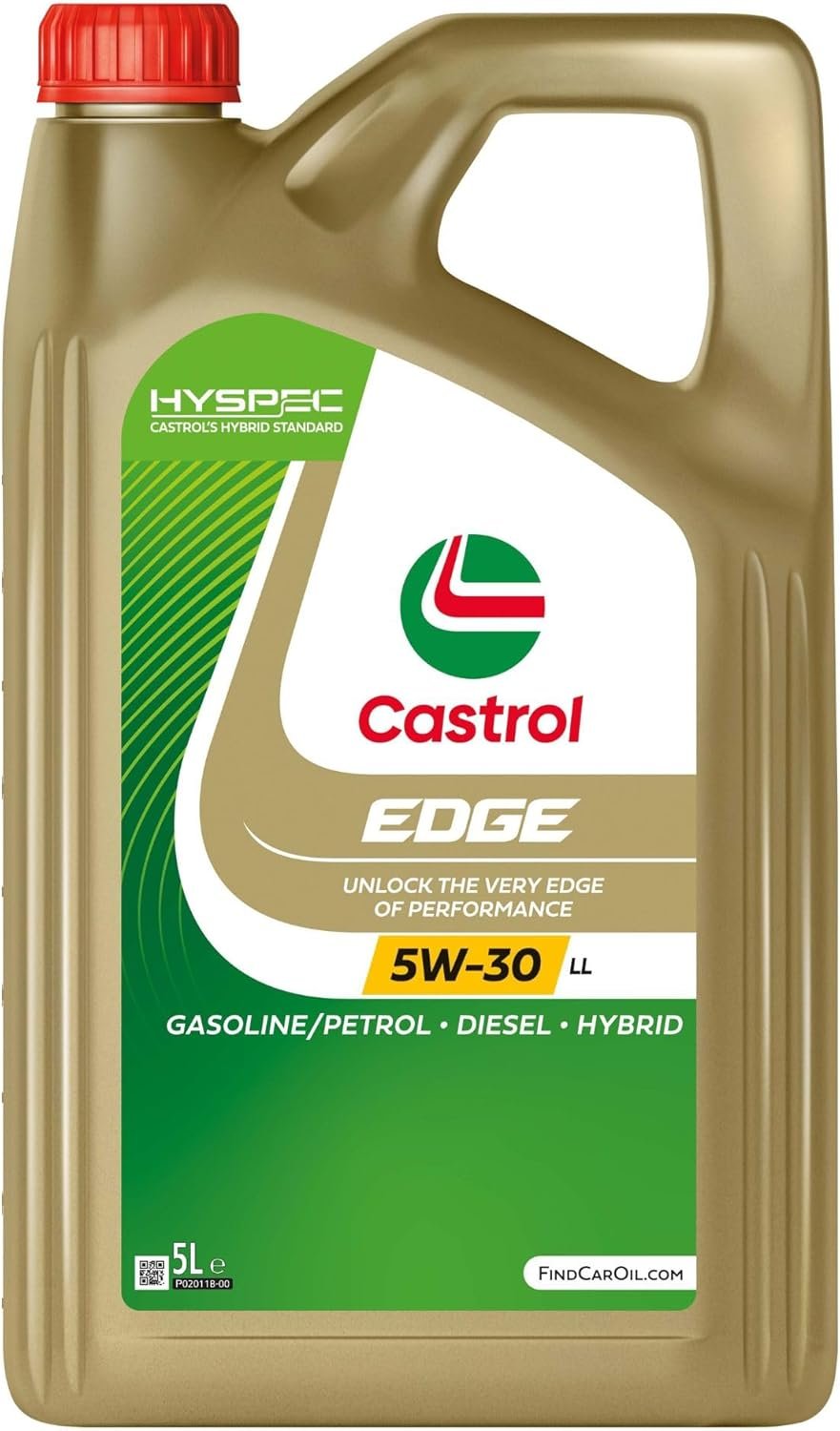
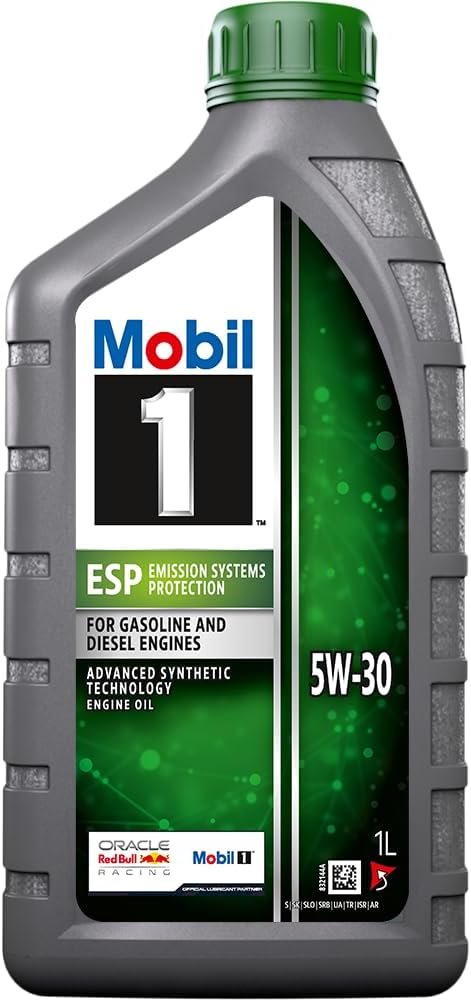
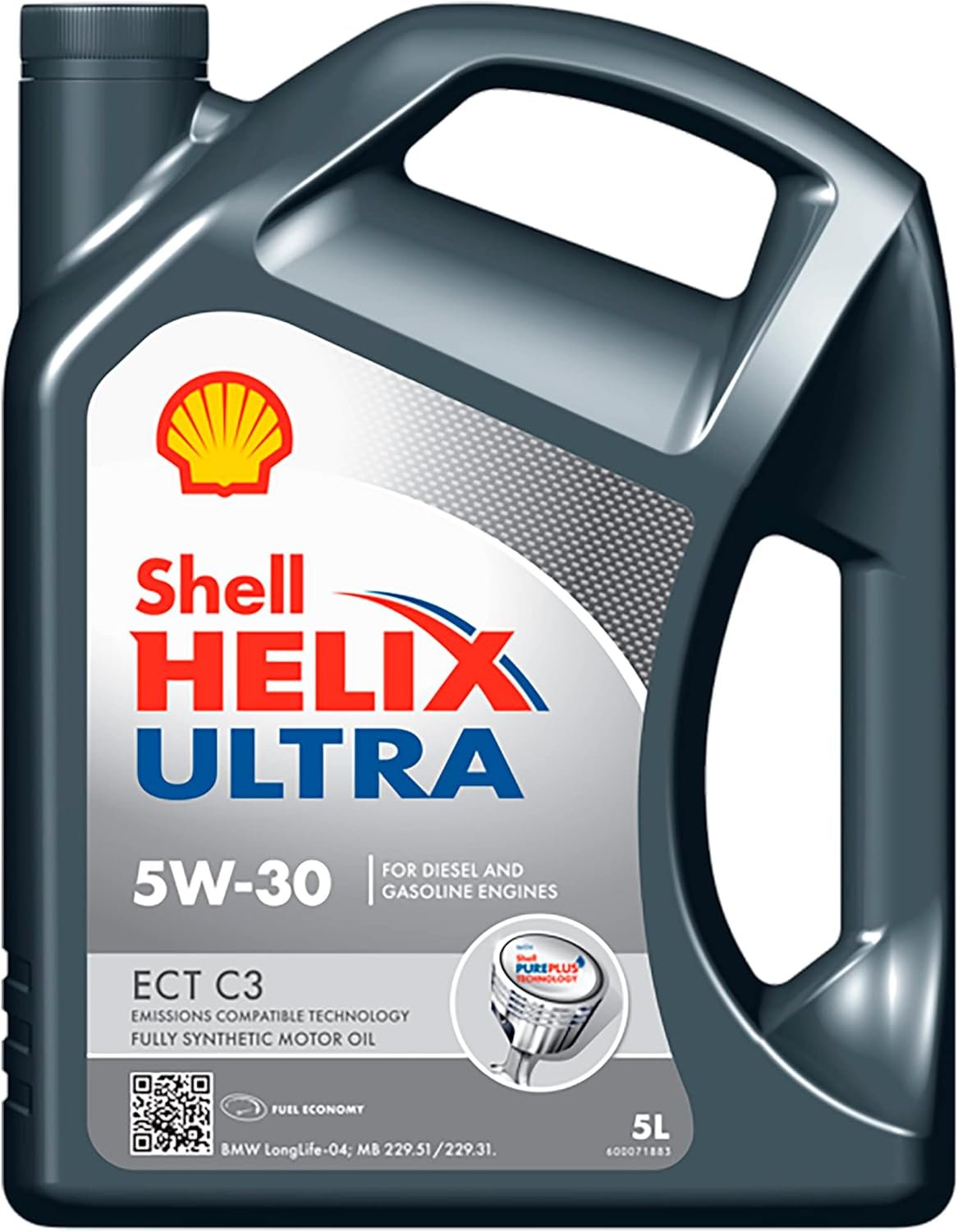
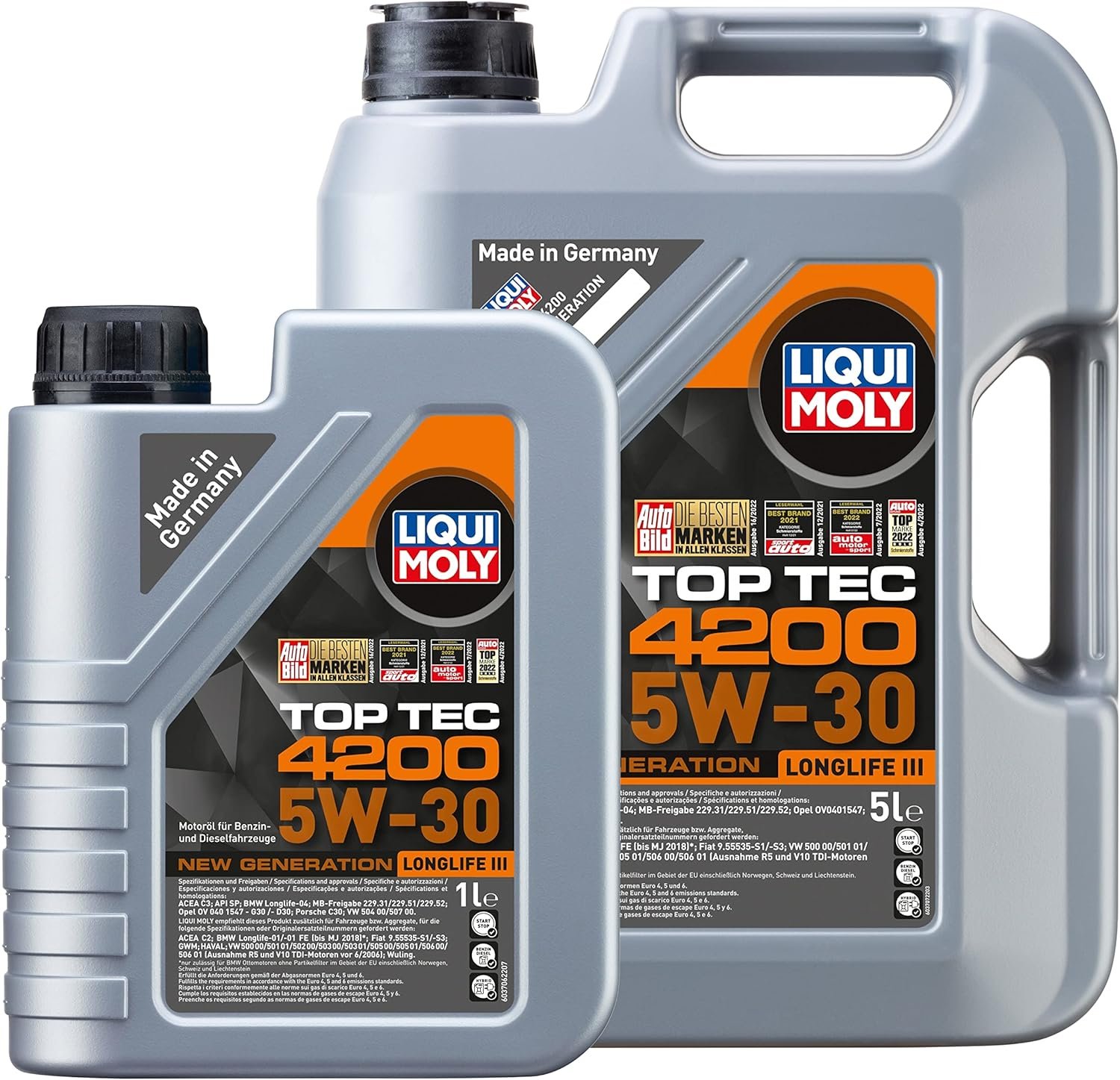
As an Amazon Associate, we may earn from qualifying purchases. This doesn't affect our recommendations — we only suggest oils that hold the exact OEM approval for your engine.
Best Engine Oil for Mercedes C-Class W203 C 220 CDI (150 hp)
The Mercedes C 220 CDI in W203 form was one of the most popular diesel executive saloons of the early 2000s, and for good reason. Economical, torquey, and refined enough for daily use, it made the 2.1-litre four-cylinder diesel formula feel genuinely premium. But behind that competence lies an engine that demands careful maintenance — particularly when it comes to oil specification. Get the oil wrong on the OM646 and you risk accelerating injector wear, turbocharger damage, and deposit build-up that is both expensive and time-consuming to clear.
This guide covers the correct oil for the W203 C 220 CDI, explains why the MB 229.51 specification matters, and sets out what owners need to know about the OM646’s known weaknesses.
Quick Answer: Recommended Oil
- Primary specification: MB 229.51 · ACEA C3 · 5W-30
- Alternative viscosity: 0W-30 (same ACEA C3 / MB 229.51 approval required)
- Oil capacity (drain only): 6.0 litres
- Oil capacity (with filter change): 6.5 litres
The OM646 Engine
The OM646 is a 2.148 cc four-cylinder common-rail diesel that Mercedes introduced in 2002 as a direct replacement for the older OM611 unit. In the W203 C 220 CDI it produces 150 hp at 3,800 rpm and 340 Nm of torque from as low as 1,800 rpm — figures that gave the C-Class a notably strong mid-range for its era.
The engine uses a single-stage turbocharger with fixed geometry in its earlier form, moving to a variable-geometry turbo (VGT) in later production. Injection is handled by a Bosch common-rail system operating at up to 1,600 bar, with solenoid-type injectors seated directly into the aluminium cylinder head. That injector mounting arrangement is central to one of the OM646’s best-known failure modes, discussed below.
The OM646.963 variant, as fitted to the W203, does not carry a diesel particulate filter (DPF) as standard — the DPF became standard on W211 and W204 variants. This is relevant when choosing between MB 229.31 and MB 229.51 oil specifications.
Despite its age, the OM646 is generally considered a robust unit when properly maintained. Its aluminium block is lighter than the OM611 it replaced, and the common-rail injection system offers more precise fuel delivery. Timing is driven by a chain, eliminating the belt-change intervals of many competitors from the same period.
Understanding MB 229.51
Mercedes-Benz publishes its own engine oil approval sheet, and the C 220 CDI OM646 requires MB 229.51. Understanding what this means — and why it differs from the older MB 229.31 — matters for anyone maintaining this car.
MB 229.31 is Mercedes’ long-established low-SAPS (Sulphated Ash, Phosphorus, Sulphur) specification for diesel engines. It covers ACEA C3 oils and was the standard recommendation for CDI engines before DPF fitment became widespread.
MB 229.51 is a stricter specification introduced specifically for engines equipped with — or intended to be compatible with — diesel particulate filter systems. It mandates a lower sulphated ash content (≤ 0.8%) than 229.31, further reducing the inorganic residue that can accumulate in and damage a DPF over time. It also specifies a lower high-temperature high-shear (HTHS) viscosity floor, which benefits fuel economy.
For the W203 OM646.963 without a factory DPF, you might ask why 229.51 is required. Mercedes phased in 229.51 across the OM646 family from around 2004 onwards as the global specification, partly to create one unified recommendation that would work across all variants — DPF-equipped or not — and partly because the lower-ash formulation benefits injector cleanliness regardless of filter fitment. Using a 229.31 oil in a car specced for 229.51 is not catastrophic, but it is outside the recommended limits and may void any remaining warranty or extended guarantee coverage.
The ACEA C3 classification that underpins MB 229.51 confirms mid-SAPS chemistry: it protects catalytic converters and particulate filters, resists viscosity breakdown under high mechanical stress (HTHS ≥ 3.5 mPa·s), and provides strong anti-wear properties for the camshafts, turbocharger bearings, and injector tips.
Viscosity: 5W-30 is the primary recommendation and appropriate for the UK climate year-round. In conditions below -20 °C, 0W-30 (also to MB 229.51) can be specified, but this is rarely relevant in British driving.
Technical Specifications
| Parameter | Detail |
|---|---|
| Engine code | OM646.963 |
| Displacement | 2,148 cc |
| Layout | Inline 4-cylinder, DOHC |
| Bore × Stroke | 88.0 mm × 88.4 mm |
| Compression ratio | 18.0:1 |
| Max power | 150 hp (110 kW) at 3,800 rpm |
| Max torque | 340 Nm at 1,800–2,400 rpm |
| Injection system | Bosch common-rail, up to 1,600 bar |
| Turbocharger | Fixed or variable geometry (build-dependent) |
| Oil specification | MB 229.51 · ACEA C3 |
| Recommended viscosity | 5W-30 |
| Alternative viscosity | 0W-30 |
| Oil capacity (drain) | 6.0 litres |
| Oil capacity (with filter) | 6.5 litres |
| Oil change interval | Up to 25,000 km / 15,500 miles (Flexible Service) |
Oil Change Intervals
Mercedes fitted the W203 with its Flexible Service System (FSS), which extends oil change intervals based on driving style, temperature, and engine load. In theory, the system may not flag a service until 25,000 km or more.
In practice, many independent specialists and experienced W203 owners recommend shortening this to 12,000–15,000 km (7,500–9,000 miles) or annually, whichever comes first. Diesel engines accumulate soot in the oil more rapidly than petrol units, and the OM646’s known sensitivity to injector cleanliness argues for keeping fresh oil in the system. Used oil analysis on OM646 units sampled at factory-recommended intervals frequently shows soot levels that have pushed viscosity upward — a sign the oil has been working hard.
For higher-mileage examples or vehicles used frequently on short runs where the engine rarely reaches full operating temperature, an annual change with a quality 5W-30 MB 229.51 oil is good practice regardless of FSS indication.
Why Correct Oil Matters for the OM646
The OM646 has a few specific areas where oil quality and specification directly affect longevity.
Injector tips and combustion chamber deposits: Common-rail injectors spray fuel at extremely fine tolerances. An oil that deposits excessive sulphated ash or breaks down under heat encourages coking — carbon build-up on injector tips — which disrupts the spray pattern, increases fuel consumption, and accelerates wear. ACEA C3’s ash limits are set specifically to reduce this risk.
Turbocharger bearings: Variable-geometry turbochargers rely on oil film to lubricate their shaft bearings and to operate the vane actuator mechanism. Degraded oil with poor shear stability loses its protective film at high temperatures, leading to shaft wear and, eventually, bearing failure. A quality HTHS ≥ 3.5 mPa·s oil maintains that film even under boost conditions.
Cold start protection: Diesel engines at cold start endure their highest wear rates. A 5W-30 oil flows to critical surfaces faster at low temperatures than heavier viscosities, reducing the window of metal-to-metal contact during warm-up.
Common OM646 Problems Related to Oil
Injector seal failure — “Black Death”
The most talked-about OM646 failure is injector seal degradation. The solenoid injectors are sealed against the cylinder head by copper washers and O-ring seals. Over time — and more rapidly if oil changes are neglected or sub-specification oil is used — these seals break down, allowing pressurised combustion gases to leak around the injector body. The escaping gases carry partially burned fuel and carbon particles that accumulate around the injector clamp as a thick, oily black crust: hence the nickname Black Death.
The consequences range from misfires and rough idle to injectors that become mechanically seized into the head, making removal extremely difficult without specialist tooling. Early diagnosis — look for black, sooty deposits around any injector base — allows seal replacement before the injector becomes locked. Neglect can result in damaged threads in the aluminium head, turning a relatively affordable seal job into a major repair.
Clean oil reduces combustion gas contamination of the seal area and keeps the injector tips free of deposits that can exacerbate the pressure differential driving gas past the seals.
Variable geometry turbo actuator
W203 C 220 CDI models with VGT turbochargers occasionally suffer sticking vane actuators, often caused by carbon build-up inside the housing. Symptoms include a loss of power (limp mode) and excessive black smoke. Fresh, clean oil minimises the carbon contribution from blow-by gases that recirculate through the intake system.
EGR system fouling
Like most diesel engines of this era, the OM646 recirculates exhaust gases to reduce NOx emissions. Over time, the EGR valve and intake manifold accumulate carbon deposits, especially on vehicles used predominantly for short urban trips. While this is not directly an oil specification issue, using a quality low-SAPS oil reduces the ash content of combustion residues entering the EGR circuit.
Conclusion
The Mercedes W203 C 220 CDI is a capable and rewarding diesel, but its OM646 engine is not forgiving of maintenance shortcuts. The correct oil — 5W-30 to MB 229.51 and ACEA C3 — is non-negotiable: it protects the common-rail injectors, keeps turbocharger bearings lubricated under load, and reduces the combustion residues that contribute to Black Death seal failure. Fill with 6.5 litres on a full drain-and-filter change, and consider shortening the FSS-indicated interval to no more than 15,000 km for best long-term results. Get the oil right and the OM646 will return many reliable miles; cut corners and injector and turbo repairs will follow.
Our Top Picks
As an Amazon Associate, we may earn from qualifying purchases. This doesn't affect our recommendations — we only suggest oils that hold the exact OEM approval for your engine.