 Oil-
Oil-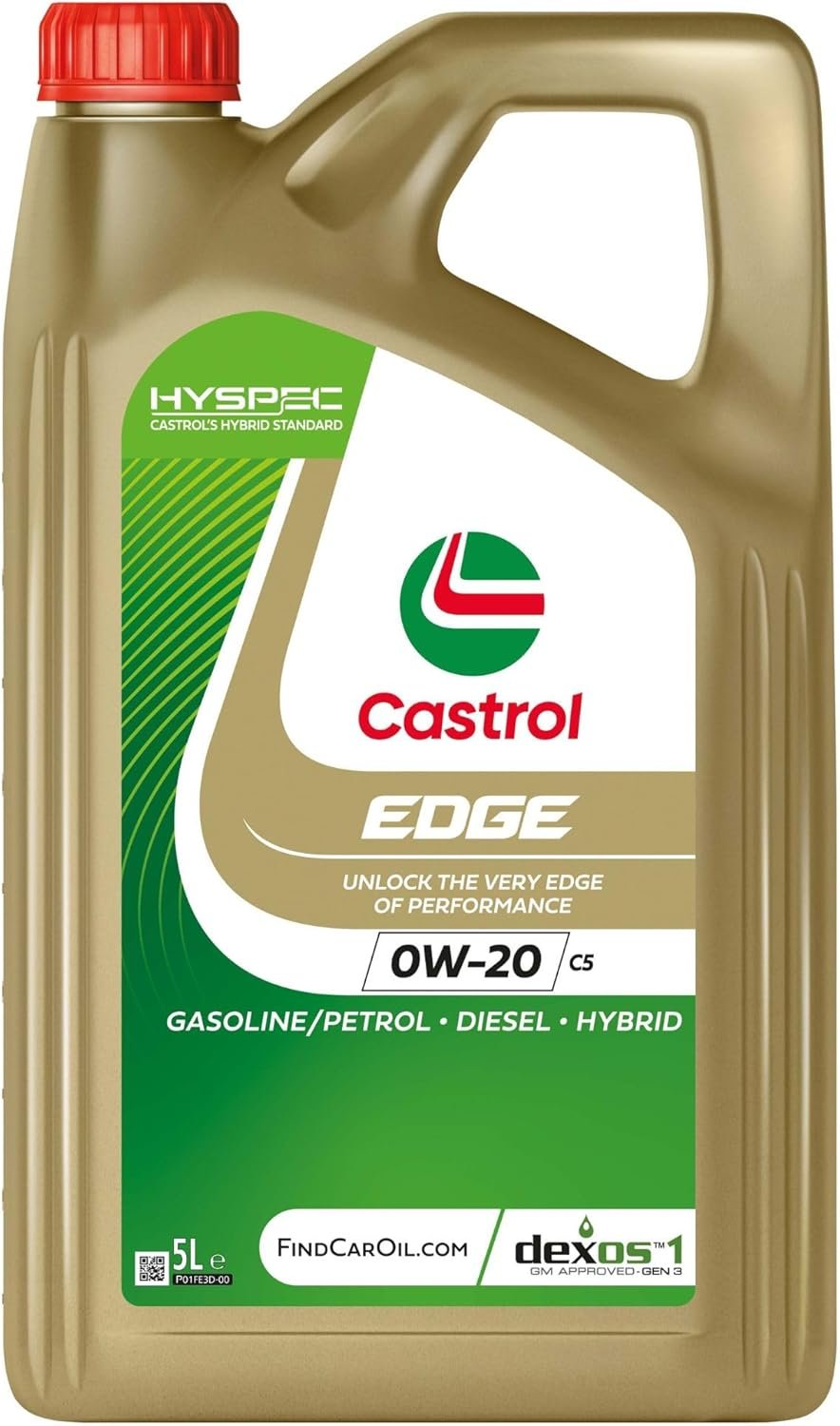
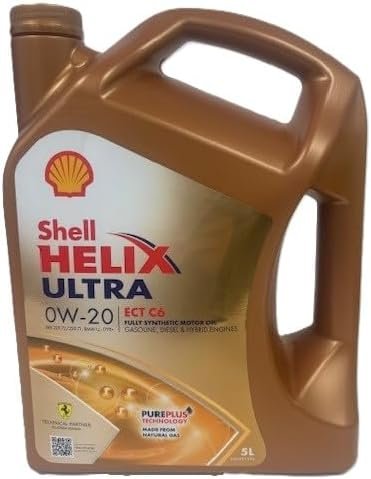

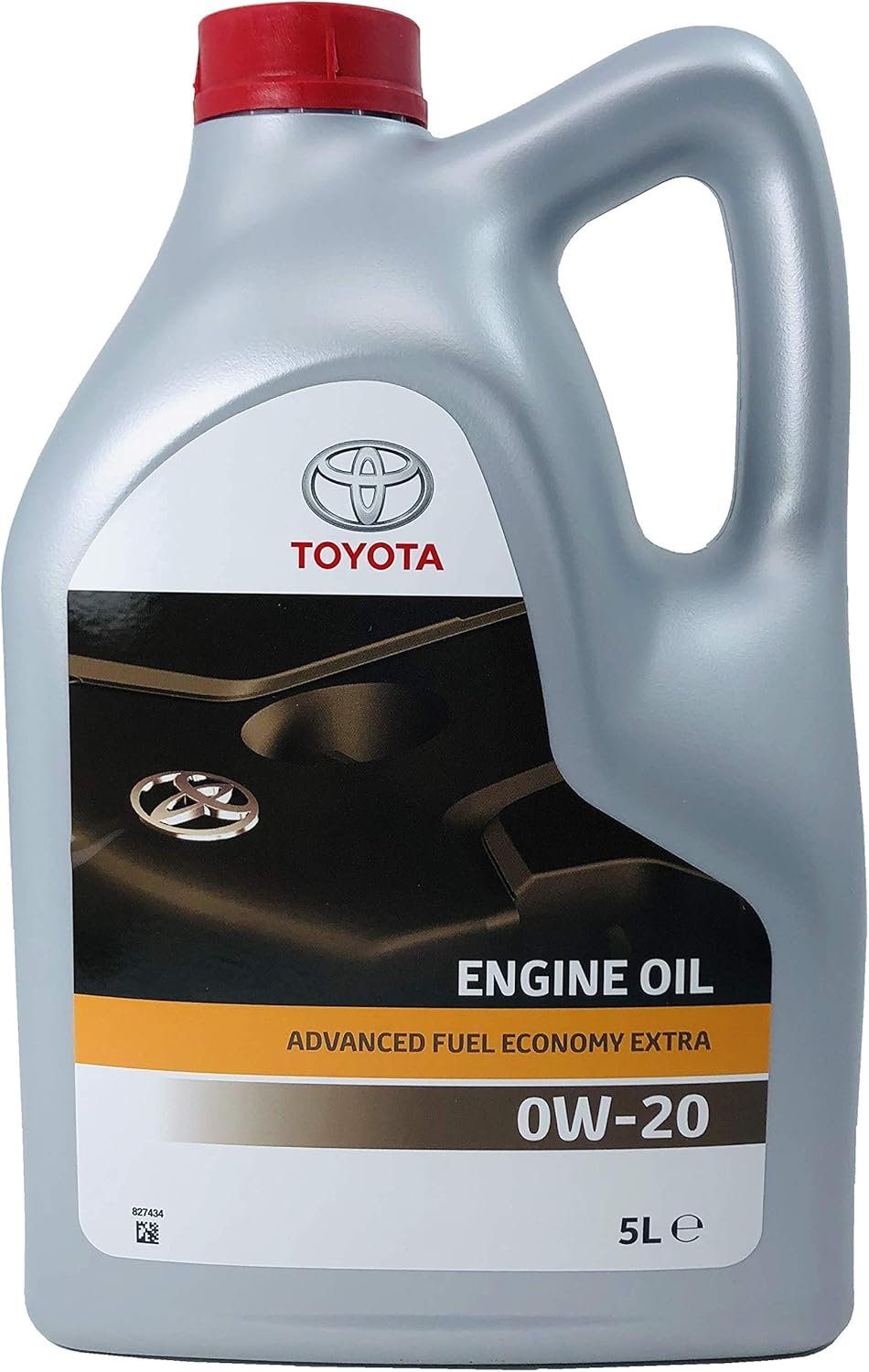
As an Amazon Associate, we may earn from qualifying purchases. This doesn't affect our recommendations — we only suggest oils that hold the exact OEM approval for your engine.
Best Engine Oil for Mercedes C-Class W206 C 300 (M254 2.0 Turbo, 258 hp)
The Mercedes C-Class W206 C 300 represents a significant engineering step forward for Stuttgart, powered by the all-new M254 2.0-litre turbocharged four-cylinder. Introduced with the W206 generation in 2021, this engine replaces the outgoing M264 family and brings a raft of modern technologies: a 48V integrated starter-generator (ISG), a petrol particulate filter (GPF), and a revised combustion architecture. With 258 hp and 400 Nm of torque on tap, the M254 is a genuinely capable unit — but it demands a specific, low-viscosity oil to operate as Mercedes intended.
Getting the oil specification right is not a matter of preference here. The M254’s tight production tolerances, high-pressure fuel injection system, and integrated mild-hybrid components all depend on oil that meets the MB 229.71 standard. Using an incorrect specification risks increased wear, reduced fuel efficiency, and potential warranty complications. This guide covers everything you need to know to make the right choice.
Quick Answer: Recommended Oil for the Mercedes C 300 W206
- Recommended viscosity: 0W-20
- OEM specification: MB 229.71
- ACEA classification: C5
- Oil capacity (without filter): 5.9 litres
- Oil capacity (with filter): 6.0 litres
The M254 Engine
The M254 is a clean-sheet design that replaces Mercedes’ M264 four-cylinder family. While the M264 served well in the C-Class W205 and GLC X253, it was known for occasional cylinder head concerns under sustained high load. The M254 addresses these with a structurally reinforced cylinder head and revised cooling architecture.
The defining feature of the M254 in C 300 trim is its integration with Mercedes’ EQ Boost 48-volt mild-hybrid system. A belt-driven integrated starter-generator (ISG) sits between the engine and the seven-speed 9G-Tronic automatic gearbox. The ISG enables seamless engine stop-start at low speeds, provides up to 10 kW of supplementary electrical assistance during acceleration, and allows the car to coast with the engine off at motorway speeds. This keeps the M254 in its most efficient operating range far more often than a conventional petrol engine.
Combustion is handled by a twin-scroll turbocharger paired with Mercedes’ port and direct injection system — known internally as CAMTRONIC. Variable valve timing on both the intake and exhaust camshafts, combined with the twin-scroll design, significantly reduces turbo lag whilst expanding the usable torque band. The engine also features a petrol particulate filter (GPF) to meet Euro 6d emissions standards.
The M254.920 variant fitted to the C 300 produces 258 hp at 5,800 rpm and 400 Nm between 1,800 and 4,000 rpm, giving it a broad, accessible power delivery well suited to the executive saloon brief.
Understanding MB 229.71
MB 229.71 is Mercedes-Benz’s most current low-viscosity oil specification, introduced specifically for engines designed around ACEA C5 chemistry. It supersedes the older MB 229.51 and MB 229.52 standards, and it is not backwards-compatible in the other direction — using a 229.51 or 229.52 oil in an M254 is not sanctioned by Mercedes.
The key distinction of MB 229.71 over previous MB specs is its focus on low high-temperature high-shear (HTHS) viscosity, rated at a minimum of 2.6 mPa·s. This lower HTHS value reduces internal friction across the bearings, camshafts, and piston rings during normal operating temperatures — directly improving fuel economy and reducing CO₂ output. For the M254 with its integrated 48V mild-hybrid system, every marginal gain in engine efficiency contributes to the overall system’s performance targets.
ACEA C5 formulation also means the oil carries a low-SAPS (Sulphated Ash, Phosphorus, Sulphur) chemistry, which is essential for protecting the GPF from premature blockage. Higher-ash oils — such as those meeting ACEA A3/B4 — would gradually poison the GPF catalyst, increasing back-pressure and degrading both performance and emissions compliance.
For the C 300 W206, only oils simultaneously carrying both the MB 229.71 approval and a 0W-20 viscosity rating should be used. There is no approved alternative viscosity grade for this engine under standard UK operating conditions.
Technical Specifications
| Specification | Detail |
|---|---|
| Engine code | M254.920 |
| Displacement | 1,991 cc |
| Configuration | Inline-4, turbocharged |
| Bore × stroke | 83.0 mm × 92.0 mm |
| Compression ratio | 10.5:1 |
| Power output | 258 hp (190 kW) at 5,800 rpm |
| Torque | 400 Nm at 1,800–4,000 rpm |
| Induction | Twin-scroll turbocharger |
| Injection | Port + direct injection (combined) |
| Valve timing | Variable (intake & exhaust) |
| Mild hybrid | 48V ISG (EQ Boost) |
| Emissions standard | Euro 6d (GPF fitted) |
| Recommended oil viscosity | 0W-20 |
| OEM oil specification | MB 229.71 |
| ACEA classification | C5 |
| Oil capacity (without filter) | 5.9 litres |
| Oil capacity (with filter) | 6.0 litres |
Oil Change Intervals
Mercedes-Benz specifies a variable service interval for the C 300 W206, managed by the ASSYST PLUS service indicator system built into the instrument cluster. Under typical UK driving conditions — a mix of urban, A-road, and motorway — the system typically calls for an oil change every 12,000 to 15,500 miles (approximately 20,000 to 25,000 km) or once per year, whichever comes first.
These long intervals are possible because MB 229.71-grade oils are formulated with high-performance additive packages that resist degradation over extended periods. However, independent mechanics and enthusiast communities often recommend reducing this to around 10,000 miles for owners who regularly use the car in demanding conditions: sustained motorway driving at high speeds, track days, extensive urban stop-start commuting, or towing.
If the ASSYST indicator has been reset but you are uncertain when the oil was last changed, it is always safe to change it earlier than the system suggests. Fresh oil costs far less than premature engine wear.
Always check the oil level using the electronic dipless system (via the instrument cluster menu) between service intervals. The M254 can consume oil over extended periods, particularly on early production examples.
Common M254 Problems Related to Oil
Oil consumption on early units. A number of early M254-equipped C-Class and GLC models exhibited higher-than-expected oil consumption during the engine’s running-in period. Mercedes-Benz acknowledges some consumption as normal during the first 10,000 miles as piston rings seat, but consumption beyond one litre per 1,000 miles warrants investigation. Checking the oil level monthly during the first year of ownership is advisable.
Central valve screw filter failure. One of the more serious issues documented in the M254 family involves the small mesh filter screen inside the central valve screw (CPS — camshaft phase adjuster). In affected units, this screen can detach and circulate freely within the engine, causing severe accelerated wear to the camshaft lobes and camshaft bearing housing. Mercedes released a technical service bulletin and an updated central valve screw design. Owners experiencing unusual ticking or rattling from the top of the engine, or a drop in oil pressure, should have the system inspected promptly. Using the correct, approved oil specification ensures the VVT solenoids and their associated passages remain free of deposit build-up that can accelerate this type of failure.
Integrated starter-generator (ISG) concerns. The 48V ISG is a relatively new component in this configuration, and some early owners reported intermittent faults related to the ISG software calibration and torque signal mismatch between control units. A known technical service bulletin (TSB LI07.70-P-078547) addresses idle fluctuation caused by a mismatch between the MRG and PTCU control units in specific PTCU software versions. This is a software issue rather than an oil-related one, but it underlines the importance of keeping the car up to date with Mercedes dealer software flashes.
High-pressure fuel pump. A recall affecting certain 2023–2024 M254-equipped vehicles in North America was issued for incorrectly installed screws on the high-pressure fuel pump during manufacturing. UK owners should verify their vehicle’s recall status via the DVSA recall checker using their VIN.
Fuel injector sensitivity. The combined port-and-direct injection system is sensitive to fuel quality. Using at least 95 RON unleaded — and preferably 98 RON premium — is recommended. Poor fuel quality accelerates deposit formation on the injectors and intake valves, which can compound any oil-related issues.
Why Correct Oil Matters for the M254
The M254’s engineering is tightly coupled to its oil specification in ways that older engines are not. The variable valve timing system relies on precise oil pressure pulses delivered through narrow internal galleries to actuate camshaft phase adjusters. A thicker oil — even one that meets ACEA A3 — does not flow quickly enough at cold start to pressurise these galleries promptly, increasing camshaft wear during the critical first seconds of operation. A 0W-20 oil at -20°C has the same cold-start flow characteristics as a 0W-30 or even a 0W-40, but its lower operating viscosity reduces friction across the bearing shells and valve train throughout normal driving.
The low-SAPS formulation required by ACEA C5 is equally non-negotiable. The GPF is a catalytic device that will be permanently degraded by metallic ash deposits from high-sulphated-ash oils. Once the GPF is blocked or damaged, replacement is an expensive workshop operation and the car will fail emissions testing.
Using the correct 0W-20 MB 229.71 oil is not a marketing exercise — it is an engineering requirement for this specific engine.
Conclusion
The Mercedes C-Class W206 C 300 is a technically sophisticated machine, and its M254 engine demands an equally sophisticated approach to maintenance. The oil specification is straightforward: 0W-20, meeting MB 229.71 and ACEA C5, with a sump capacity of 6.0 litres when replacing the filter. Keep an eye on oil level during the first year, follow the ASSYST PLUS service indicators, and consider reducing the interval slightly if you cover high annual mileage or regularly drive in demanding conditions. Do this, and the M254 is a refined, responsive engine with strong long-term reliability potential.
Our Top Picks
As an Amazon Associate, we may earn from qualifying purchases. This doesn't affect our recommendations — we only suggest oils that hold the exact OEM approval for your engine.