 Oil-
Oil-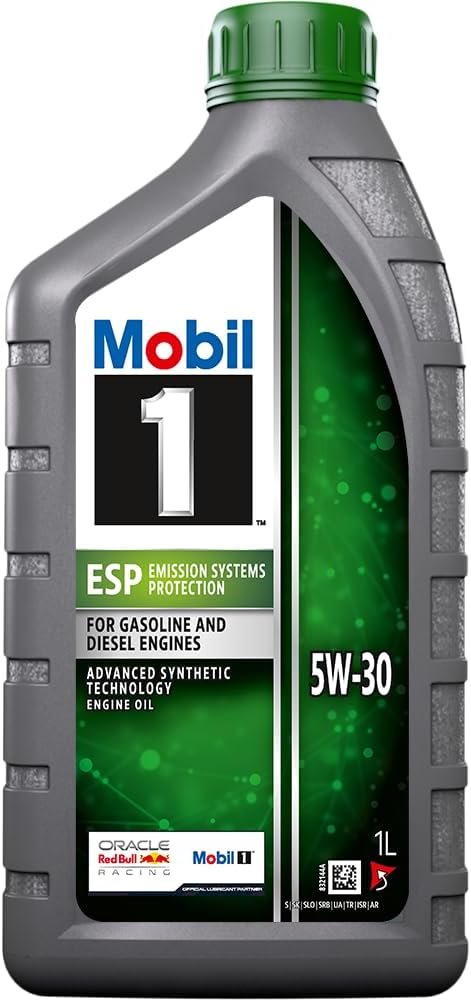
As an Amazon Associate, we may earn from qualifying purchases. This doesn't affect our recommendations — we only suggest oils that hold the exact OEM approval for your engine.
Best Engine Oil for Mercedes A-Class W177 A 200 1.3 Turbo (163 HP)
The fourth-generation Mercedes A-Class (W177), launched in 2018, marked a sharp departure from the utilitarian character of earlier models. It arrived as a genuinely premium small car, and the entry-level petrol engine powering the A 200 is one of its more interesting engineering stories. The M282 is a 1.3-litre four-cylinder turbocharged unit co-developed with the Renault-Nissan Alliance, sharing its fundamental architecture with the H5Ht and HR13DDT engines found across the Renault and Nissan ranges. Despite its modest displacement, this engine produces 163 HP and 250 Nm of torque, and its lubrication requirements are defined by the Mercedes-Benz 229.52 oil specification. Getting this right matters more than many owners realise, particularly as the M282 relies on tight tolerances, direct injection, and a turbocharger that all demand precisely formulated oil. This guide covers the correct specification, capacity, and the best oils available in the UK.
Quick Answer: Recommended Oil
For Mercedes A-Class W177 A 200 1.3 Turbo (163 HP):
- Recommended viscosity: SAE 5W-30 (alternative: 0W-30)
- Oil capacity: 5.4 litres with filter (5.1 L without)
- Required norms: ACEA C3, MB 229.52
Key point: Only use oil carrying MB 229.52 approval. This specification governs low-SAPS chemistry, thermal stability, and exhaust aftertreatment compatibility specific to modern Mercedes petrol engines. A generic ACEA C3 oil without the Mercedes approval may meet the base performance level but has not been tested against Mercedes’s own extended validation programme. The approval printed on the bottle is what matters.
The M282: A Franco-German Alliance Engine
The M282 is a 1,332cc inline four-cylinder turbocharged petrol engine with a DOHC 16-valve aluminium block and head. It was developed jointly by Mercedes-Benz and the Renault-Nissan Alliance as part of a broader cooperation agreement that saw both parties share powertrain components for smaller vehicles. The engine shares its core DNA with Renault’s H5Ht (used in the Megane and Kadjar) and Nissan’s HR13DDT (used in the Qashqai J11), though Mercedes applied its own calibration, engine management, and ancillary component specifications to differentiate it from its alliance siblings.
Direct fuel injection via a high-pressure system delivers efficient combustion and strong specific output for the displacement. A single twin-scroll turbocharger provides boost from low in the rev range, producing peak torque of 250 Nm from just 1,620 RPM. The result is an engine that feels considerably stronger than its 1.3-litre badge suggests, pulling the W177 A-Class with genuine authority in urban and motorway driving alike.
One feature worth noting is the generous sump capacity. At 5.4 litres with filter, the M282 carries a substantial oil volume for a 1.3-litre engine. This is a deliberate design choice that benefits the engine in several ways: a larger oil volume means slower thermal degradation per unit of oil, better heat dissipation from the turbocharger bearings, and a greater buffer against the oil dilution effects of direct injection. It is one of the quietly sensible engineering decisions that helps the M282 maintain its oil quality between service intervals.
Technical Specifications: M282 1.3L Turbo
| Specification | Value |
|---|---|
| Displacement | 1,332cc (1.3 litres) |
| Layout | Inline-4, transverse, aluminium block and head |
| Valvetrain | DOHC, 16 valves |
| Fuel delivery | Direct injection |
| Turbocharger | Twin-scroll |
| Power | 163 HP @ 5,500 RPM |
| Torque | 250 Nm @ 1,620 RPM |
| Fuel Type | Petrol, 95 RON minimum |
| Recommended Viscosity | SAE 5W-30 (alternative: 0W-30) |
| Oil Capacity (without filter) | 5.1 litres |
| Oil Capacity (with filter) | 5.4 litres |
| ACEA Norm | C3 |
| OEM Norm | MB 229.52 |
Why MB 229.52 Matters
Mercedes-Benz 229.52 is the manufacturer’s current low-SAPS oil specification for petrol engines equipped with exhaust aftertreatment systems. Understanding its requirements helps explain why not every 5W-30 on the shelf will do.
ACEA C3 forms the baseline: a mid-SAPS category that balances metallic additive content between engine protection and catalyst/particulate filter compatibility. MB 229.52 builds on C3 with additional requirements for oxidation resistance, shear stability, and long-drain capability. Mercedes tests approved oils against their own extended protocols, including turbocharger deposit testing and high-temperature viscosity retention, that go beyond the ACEA minimum. An oil carrying only an ACEA C3 claim may perform adequately in the short term, but it has not been validated against the specific thermal and chemical stresses that Mercedes’s testing programme simulates.
The January 2024 update to the MB 229.52 specification sheet is worth noting. Mercedes periodically revises its approval lists and testing criteria. Owners of newer W177 models delivered from late 2023 onwards should verify that their chosen oil appears on the current Mercedes-Benz approval list, as some previously approved products may have been removed or superseded. For the majority of 2018-2023 W177 A 200 models, the established MB 229.52 products recommended in this guide remain fully appropriate.
0W-30 as an alternative: Mercedes permits 0W-30 viscosity as an alternative to 5W-30 provided the oil carries MB 229.52 approval. The thinner cold-start viscosity of 0W-30 offers marginal benefits in cold climates and during short-journey driving where the engine spends more time below full operating temperature. In the UK, either viscosity is perfectly suitable year-round. The critical factor is always the MB 229.52 approval, not the viscosity grade alone.
Known Issues: Carbon Buildup and Thermostat Faults
The M282 is a relatively new engine, and early signs of long-term reliability are broadly positive. With proper maintenance, 150,000 miles and beyond is a reasonable expectation. However, two issues have emerged that owners should be aware of.
Carbon buildup on intake valves is an inherent characteristic of all direct-injection petrol engines, and the M282 is no exception. Because fuel is injected directly into the combustion chamber rather than across the intake valves, there is no fuel wash to clean carbon deposits from the valve stems and tulip faces. Over time, carbon accumulates and restricts airflow, causing rough idling, misfires, and reduced performance. The accepted preventive maintenance for this is walnut shell blasting of the intake valves approximately every 60,000 miles. This is not a warranty-covered service, and Mercedes does not include it in the standard maintenance schedule, but it is widely recommended by specialists who work on direct-injection engines across all manufacturers. A walnut blast at an independent specialist typically costs between £200 and £350 and takes a few hours.
Using the correct MB 229.52 oil does not prevent carbon buildup (it is a fuel delivery design issue, not an oil quality issue), but it does ensure that the PCV (positive crankcase ventilation) system recirculates cleaner blowby gases back into the intake, marginally slowing the rate of deposit accumulation. Poor-quality or degraded oil increases the volume of oil vapour in the crankcase gases, which bakes onto the intake valves as hard carbon more rapidly.
Thermostat faults have been reported on a number of M282-equipped vehicles. Symptoms include slow warm-up, fluctuating temperature gauge readings, and occasional fault codes related to coolant temperature regulation. The thermostat on the M282 is an electronically controlled unit that modulates coolant flow for optimal engine temperature management. When it fails, it typically sticks open, causing the engine to run cooler than intended. This increases fuel consumption, accelerates oil dilution (the engine stays in its cold enrichment map longer), and can trigger limp mode in some cases. Replacement is straightforward and relatively affordable at an independent garage.
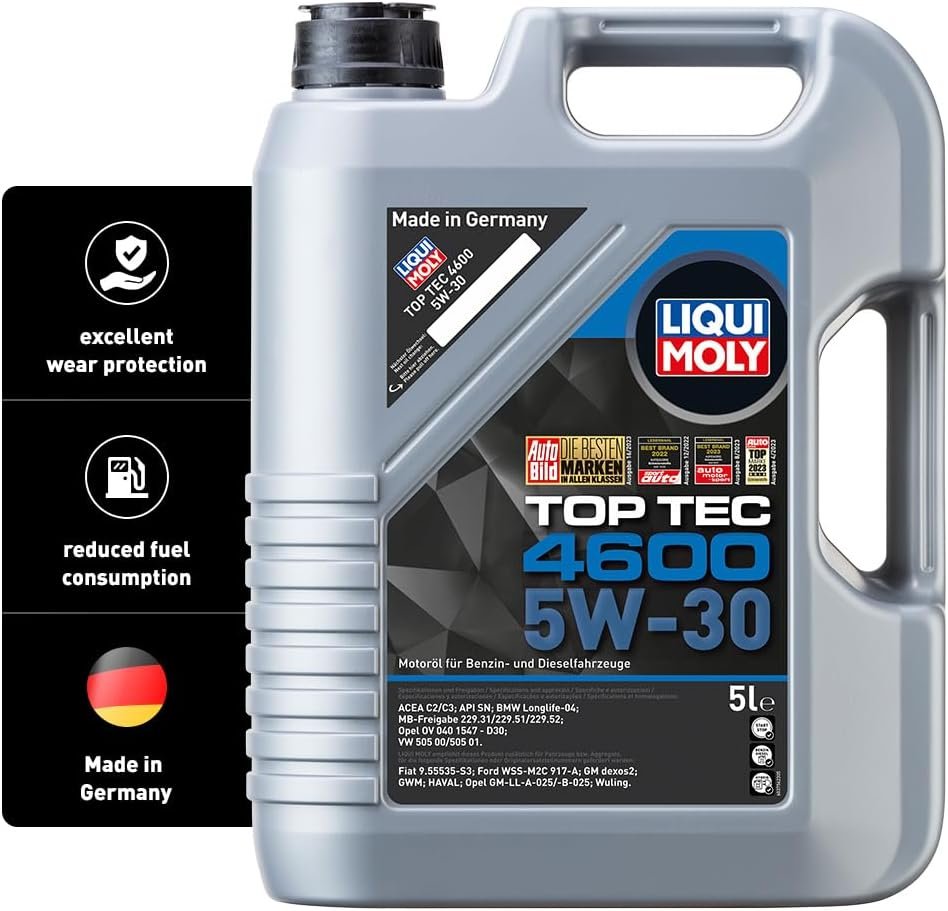
Best Value: Liqui Moly Top Tec 4600 5W-30 The German oil specialist’s Top Tec 4600 carries MB 229.52 approval and offers strong protection at a notably lower price point than the three premium alternatives above. Liqui Moly has built a loyal following among European car owners, and the Top Tec 4600 is one of their most popular products for Mercedes applications. It meets ACEA C3 and provides reliable low-SAPS protection for both the engine internals and the exhaust aftertreatment system. At £35-40 for 5 litres, it represents the most affordable approved option without compromising on the specification that matters. An excellent choice for cost-conscious owners who want full MB 229.52 compliance without paying the premium brand surcharge.
Oil Change Intervals
Mercedes Official Recommendation:
- ASSYST Plus flexible service indicator (typically 15,000-20,000 miles or 12-24 months)
Recommended Practice: 10,000 miles or 12 months, whichever comes first.
Mercedes’s ASSYST Plus system calculates service intervals dynamically based on driving style, trip length, engine load, and ambient conditions. In theory this is sophisticated and sensible. In practice, UK driving patterns with frequent cold starts, short urban trips, and stop-start traffic produce fuel dilution and thermal cycling that degrade oil faster than the ASSYST algorithm always accounts for. Many independent Mercedes specialists recommend halving the indicated interval, particularly for cars used primarily in urban environments.
Consider 7,500-mile intervals if:
- Predominantly short journeys under 10 miles
- Frequent cold starts without reaching full operating temperature
- Heavy traffic with extended idling
- Vehicle used for urban delivery or taxi work
- Oil appears dark and thin well before the service indicator triggers
Check the dipstick monthly. The M282’s 5.4-litre capacity provides a healthy buffer, but direct-injection engines are prone to fuel dilution of the sump oil during short-journey driving. A rising oil level that smells of petrol indicates fuel contamination. A falling level indicates consumption. Both warrant attention, and if the oil level drops to the minimum mark, top up immediately with the same MB 229.52 approved product.
Conclusion
The Mercedes A-Class W177 A 200 requires SAE 5W-30 engine oil meeting ACEA C3 and MB 229.52, with a capacity of 5.4 litres including the filter. The M282 is a well-engineered small-displacement turbo that benefits from its generous sump capacity and Franco-German development pedigree, and early reliability indicators are encouraging. Carbon buildup from direct injection is manageable with periodic walnut blasting, and thermostat issues are inexpensive to resolve. The engine’s long-term health depends above all on consistent use of correctly specified oil at sensible intervals.
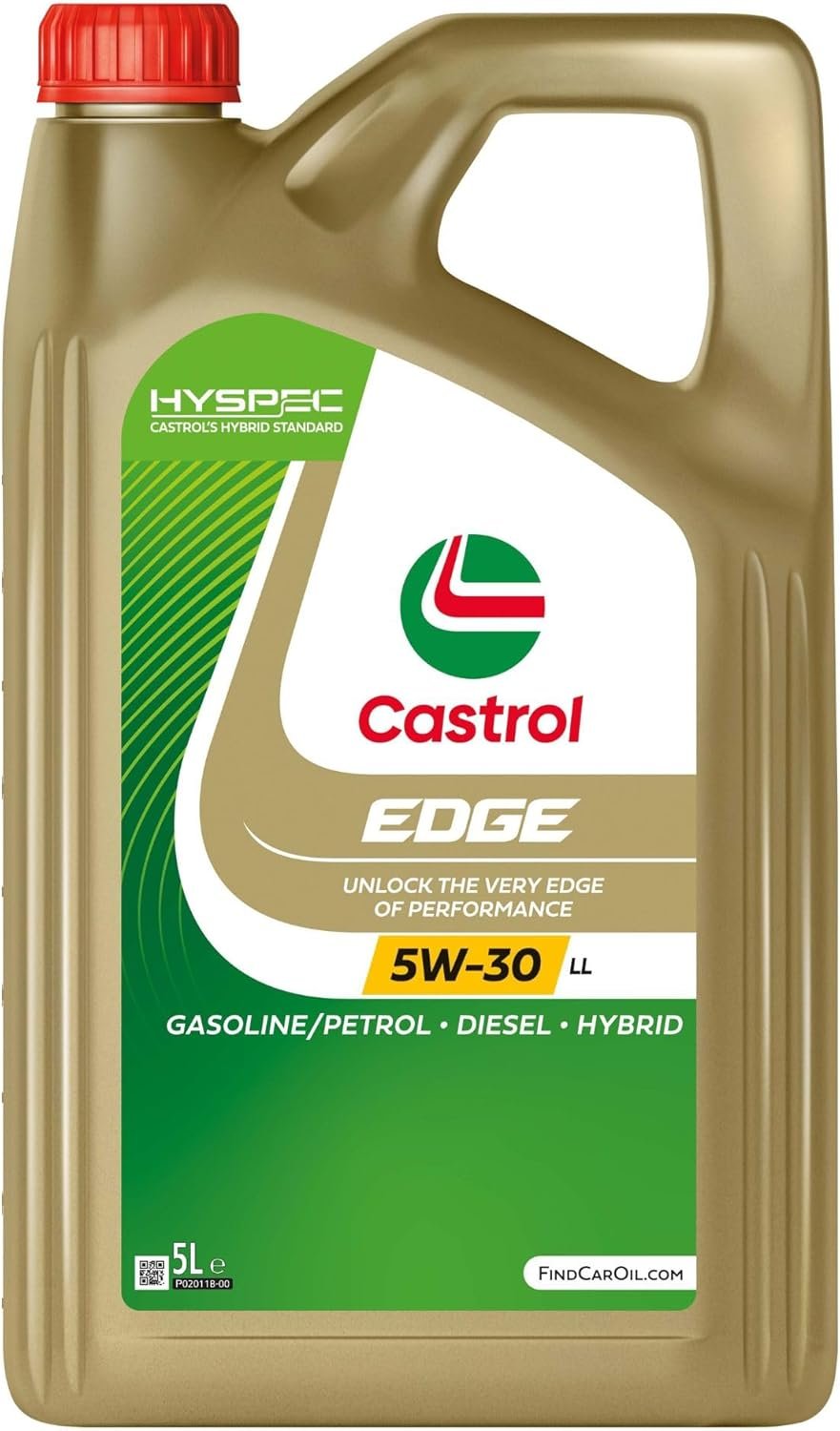
Castrol EDGE Professional LL 03 5W-30 is the natural first choice at £42-48 for 5 litres, carrying factory-fill credentials and full MB 229.52 approval. Mobil 1 ESP 5W-30 and Shell Helix Ultra Professional AF 5W-30 offer premium alternatives for demanding use, while Liqui Moly Top Tec 4600 5W-30 delivers the same specification compliance at the lowest price. Whichever you choose, verify the MB 229.52 approval on the label, change the oil at intervals no longer than 10,000 miles, and keep an eye on the dipstick. The M282 rewards attentive maintenance with the smooth, willing performance that makes the A 200 a genuinely enjoyable car to drive.
Our Top Picks
As an Amazon Associate, we may earn from qualifying purchases. This doesn't affect our recommendations — we only suggest oils that hold the exact OEM approval for your engine.