 Oil-
Oil-
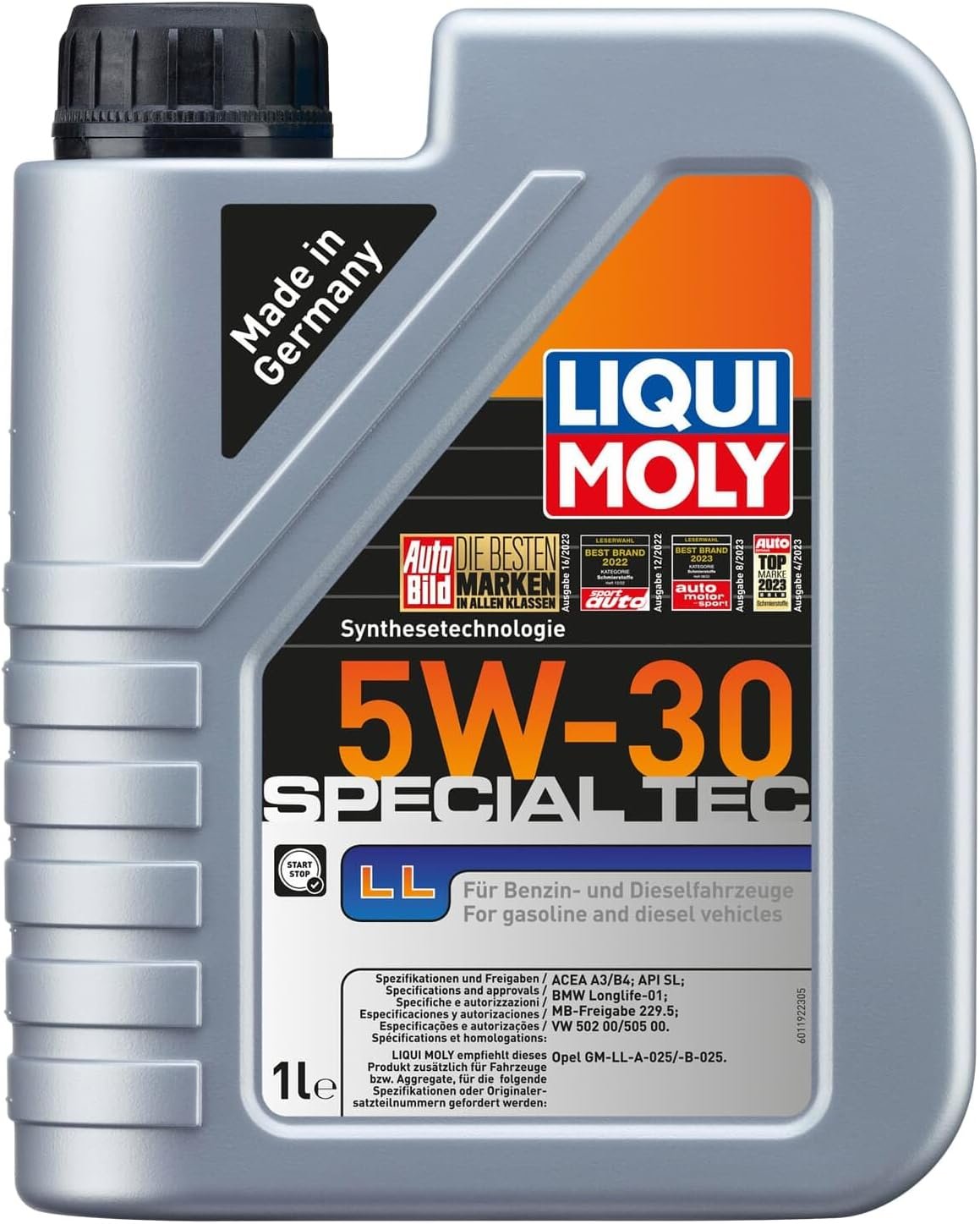
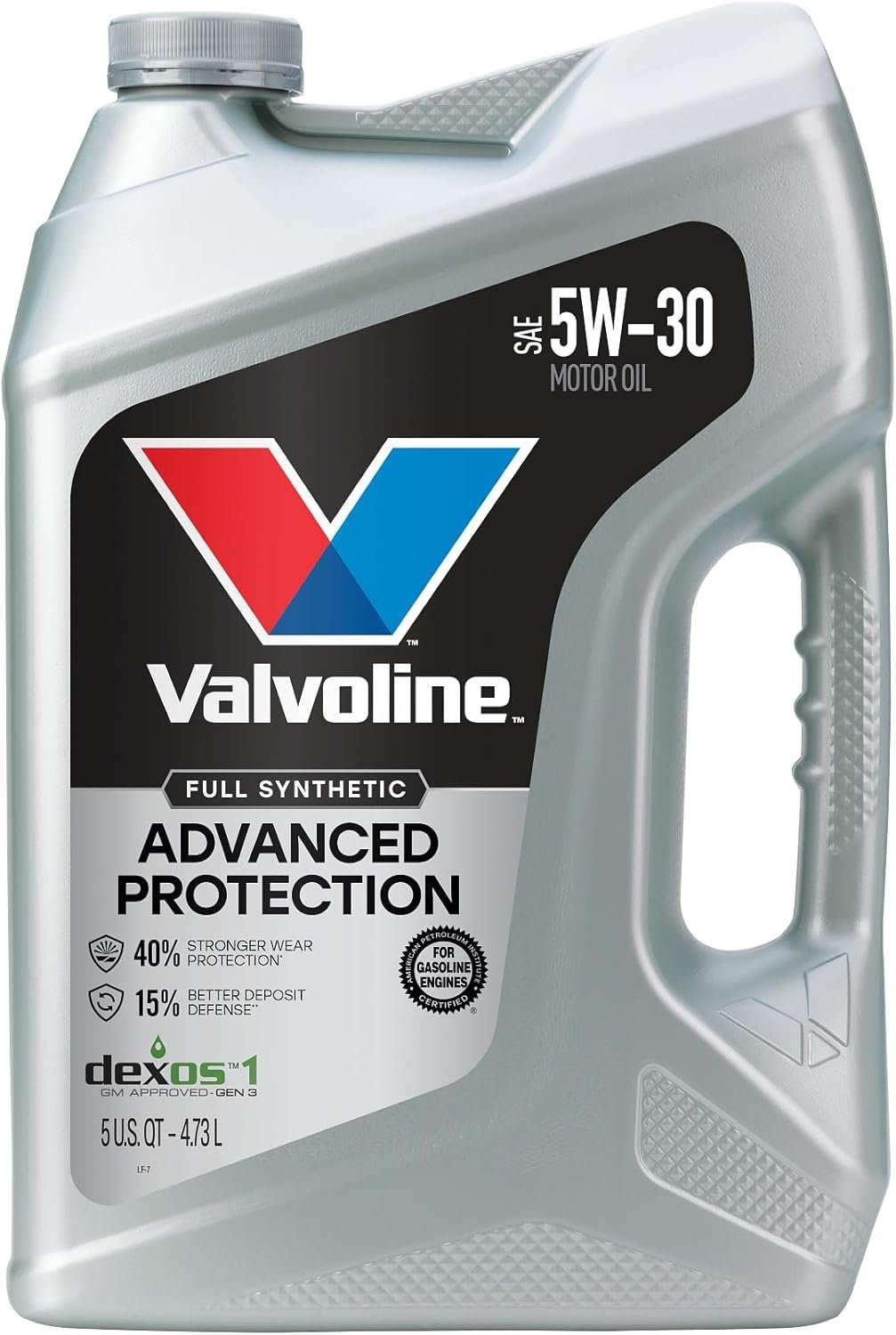
As an Amazon Associate, we may earn from qualifying purchases. This doesn't affect our recommendations — we only suggest oils that hold the exact OEM approval for your engine.
Best Engine Oil for Mazda CX-9 2nd Gen TC 2.5L Turbo SKYACTIV-G (250 hp)
The Mazda CX-9 2nd generation (TC platform, 2016–2023) is powered exclusively by the 2.5-litre turbocharged SKYACTIV-G — Mazda’s first turbocharged petrol engine for North America and a significant engineering statement for a company whose identity is built around naturally-aspirated efficiency. The PY-VPTS engine family delivers 250 hp on premium fuel and 227 hp on regular — a real-world power difference that arises from the high-compression architecture that defines SKYACTIV-G design philosophy. Oil maintenance for the CX-9 2.5T is uncomplicated: 5W-30 ILSAC GF-6A, no alternatives. Understanding why the engine’s 10.5:1 compression ratio matters for oil chemistry — and what to watch for on 2021 model years specifically — is the practical knowledge CX-9 owners need.
Quick Answer: Recommended Oil
- Specification: ILSAC GF-6A (API SP), 5W-30 full synthetic
- Alternative: None specified (5W-30 GF-6A is the sole recommendation)
- Oil capacity with filter: 4.8 litres (5.1 US quarts)
- Oil capacity without filter: approx. 4.5 litres (4.8 US quarts)
The SKYACTIV-G 2.5T Engine
The 2.5T is a 2,488 cc DOHC 16-valve inline-four, bore × stroke 89.0 mm × 100.0 mm. At 10.5:1 compression — unusually high for a turbocharged engine — the SKYACTIV-G philosophy of maximising thermal efficiency through compression applies even with the addition of a turbocharger. Most turbocharged petrol engines use 9.5:1 or lower to manage detonation risk; Mazda manages this through a cooled EGR (Exhaust Gas Recirculation) system that introduces exhaust gas into the intake charge to suppress knock at high loads.
Dynamic Pressure Turbo: Mazda’s term for a variable-scroll turbocharger that modifies exhaust energy routing based on engine speed. At low RPM, exhaust flow is concentrated through a smaller scroll to increase turbine velocity and spool speed — reducing turbo lag. At higher RPM, the larger scroll contributes. The result is power delivery that feels more progressive and linear than conventional fixed-geometry turbochargers.
Direct injection only: The SKYACTIV-G 2.5T uses gasoline direct injection without a port injection backup. This provides the precise mixture control needed to manage the high compression ratio safely across the load range. The maintenance consequence: without fuel washing the intake valves, carbon deposits accumulate on valve backs over time — the standard GDI maintenance consideration.
Octane sensitivity: The difference between 227 hp (87 AKI regular) and 250 hp (93 AKI premium) arises from the ECU’s ignition timing retard under regular fuel. At 10.5:1 compression with boost, the risk of detonation on 87 octane requires pulling timing at higher loads — which reduces peak power output measurably. Mazda rates the engine at 250 hp on premium as the design point; regular fuel is permitted but comes with a 23 hp penalty. There is no long-term engine durability difference between fuel grades; the ECU manages detonation safely on either.
Understanding ILSAC GF-6A for the 2.5T
ILSAC GF-6A’s LSPI protection is directly relevant to the CX-9 2.5T. At the low engine speeds and high torques that the turbocharged SKYACTIV-G delivers from 2,000 RPM — the exact conditions that trigger LSPI in turbocharged GDI engines — the oil’s calcium content affects detonation risk. GF-6A’s calcium limits reduce the oil’s contribution to LSPI events at high-load low-RPM operation.
The 5W-30 (rather than the 0W-20 used in lower-output Mazda engines) provides additional HTHS viscosity at turbocharger operating temperatures — the turbo bearing film at sustained highway speeds requires the thicker base that 5W-30 delivers over 0W-20.
Technical Specifications
| Specification | Value |
|---|---|
| Displacement | 2,488 cc |
| Layout | Inline-4, DOHC 16v, turbocharged petrol |
| Engine code | PY-VPTS |
| Power / Torque | 250 hp (premium) / 227 hp (regular) / 310 lb-ft |
| Bore × stroke | 89.0 mm × 100.0 mm |
| Compression ratio | 10.5:1 |
| Injection | Gasoline direct injection (GDI) |
| Turbocharger | Dynamic Pressure Turbo (variable scroll) |
| EGR | Cooled EGR (knock suppression) |
| Timing system | Timing chain |
| Oil capacity (with filter) | 4.8 L (5.1 qt) |
| Recommended viscosity | 5W-30 |
| ILSAC classification | GF-6A (API SP) |
Oil Change Intervals
Mazda specifies 7,500 miles or 12 months for normal conditions. The recommended practical interval for the CX-9 2.5T is 5,000–7,500 miles or 12 months. The turbocharged engine’s higher oil temperature regime — particularly on sustained highway driving at 80 mph or in hot ambient conditions — accelerates oil degradation faster than a naturally-aspirated equivalent of the same displacement. 5,000 miles is the conservative choice for high-mileage, hot-climate, or towing use.
Why Correct Oil Matters
Turbocharger bearing film: The Dynamic Pressure Turbo’s centre section bearing depends on oil film at temperatures exceeding 120°C at sustained highway speeds. 5W-30 provides greater HTHS protection at these temperatures than 0W-20 — this is why Mazda specifies the heavier grade for the CX-9 2.5T versus the 0W-20 used in naturally-aspirated SKYACTIV-G applications. Post-shutdown heat soak can cooke oil in the turbo feed circuit; avoiding immediate shutdown after sustained high-speed driving protects the turbo bearing.
GDI carbon accumulation: At 60,000–100,000 miles, direct-injection-only combustion accumulates carbon on intake valve backs. Monitor for rough cold idle and light-throttle hesitation as early indicators. Walnut blasting is the established remedy.
Common 2.5T Problems Related to Oil
Oil consumption (2021 models): A documented TSB covers 2021 model year CX-9 engines showing oil consumption of approximately 1 quart per 5,000 miles — above Mazda’s acceptable threshold. Affected engines were identified early in 2021 production; the TSB addresses piston ring seating. Any 2021 CX-9 owner should verify dipstick level at 3,000-mile intervals in the first year of ownership to establish their engine’s consumption rate. Later production 2021 and all 2022–2023 examples show normal consumption.
VVT screen fouling: The variable valve timing system’s oil control screens can accumulate debris from extended drain intervals, restricting oil flow to the VVT actuators. Consistent 5W-30 GF-6A at 5,000–7,500 miles maintains clean passages.
Conclusion
The Mazda CX-9 2nd gen 2.5T SKYACTIV-G is a technically accomplished turbocharged engine whose high-compression architecture requires the LSPI protection that ILSAC GF-6A provides. 5W-30 GF-6A at 5,000–7,500 mile intervals is the correct specification — providing turbo bearing film strength and GDI combustion protection. 2021 model year owners should monitor oil consumption closely; all other years are maintenance-straightforward.
Our Top Picks
As an Amazon Associate, we may earn from qualifying purchases. This doesn't affect our recommendations — we only suggest oils that hold the exact OEM approval for your engine.