 Oil-
Oil-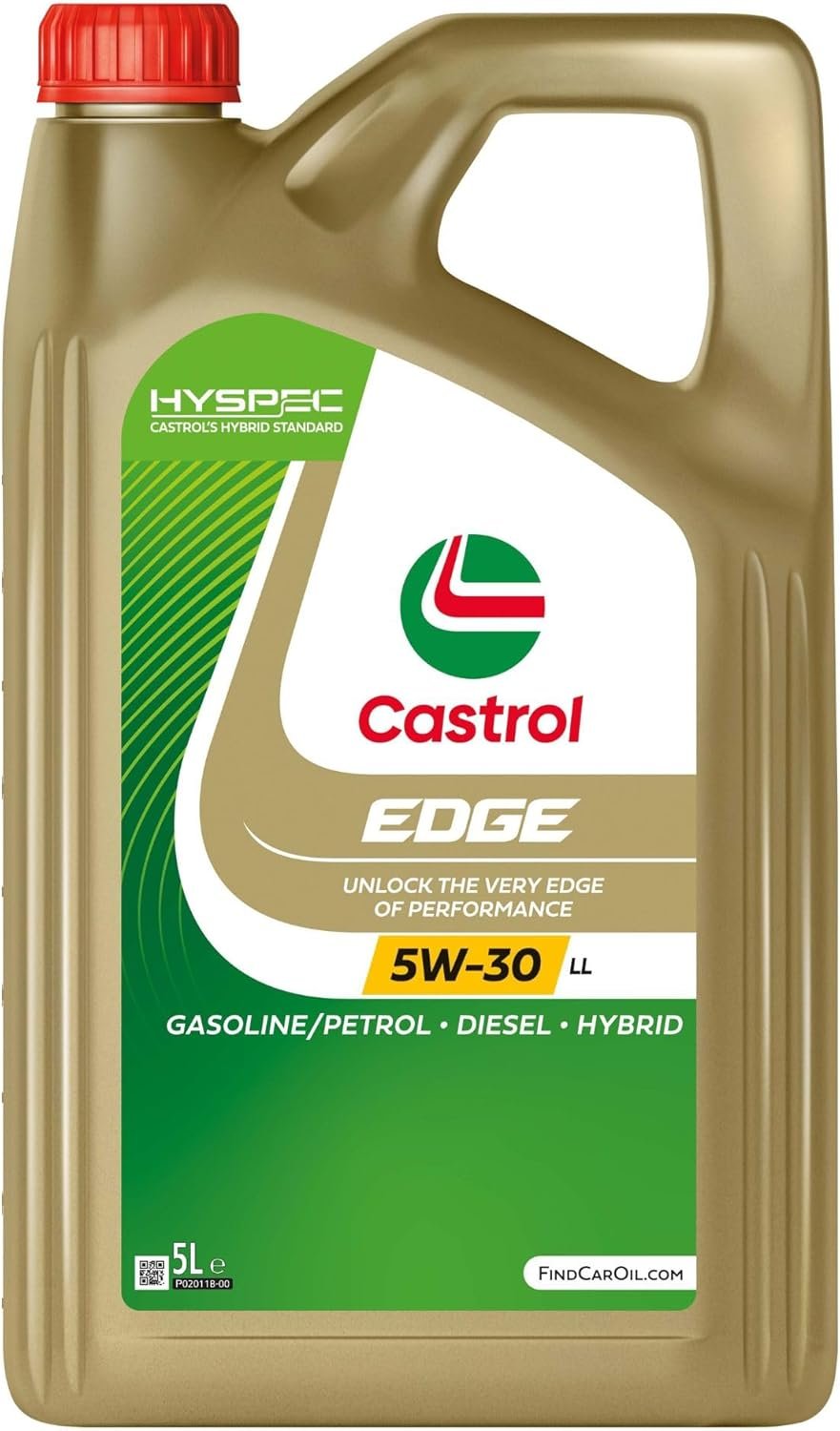
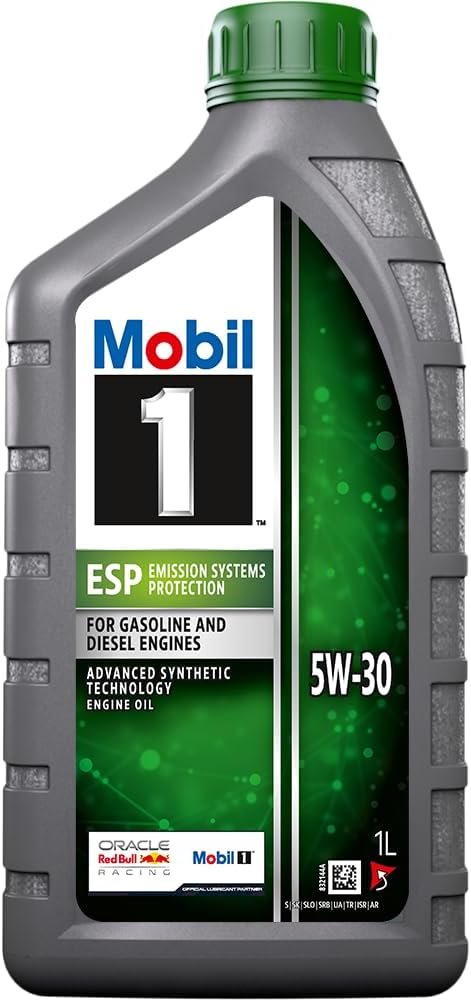
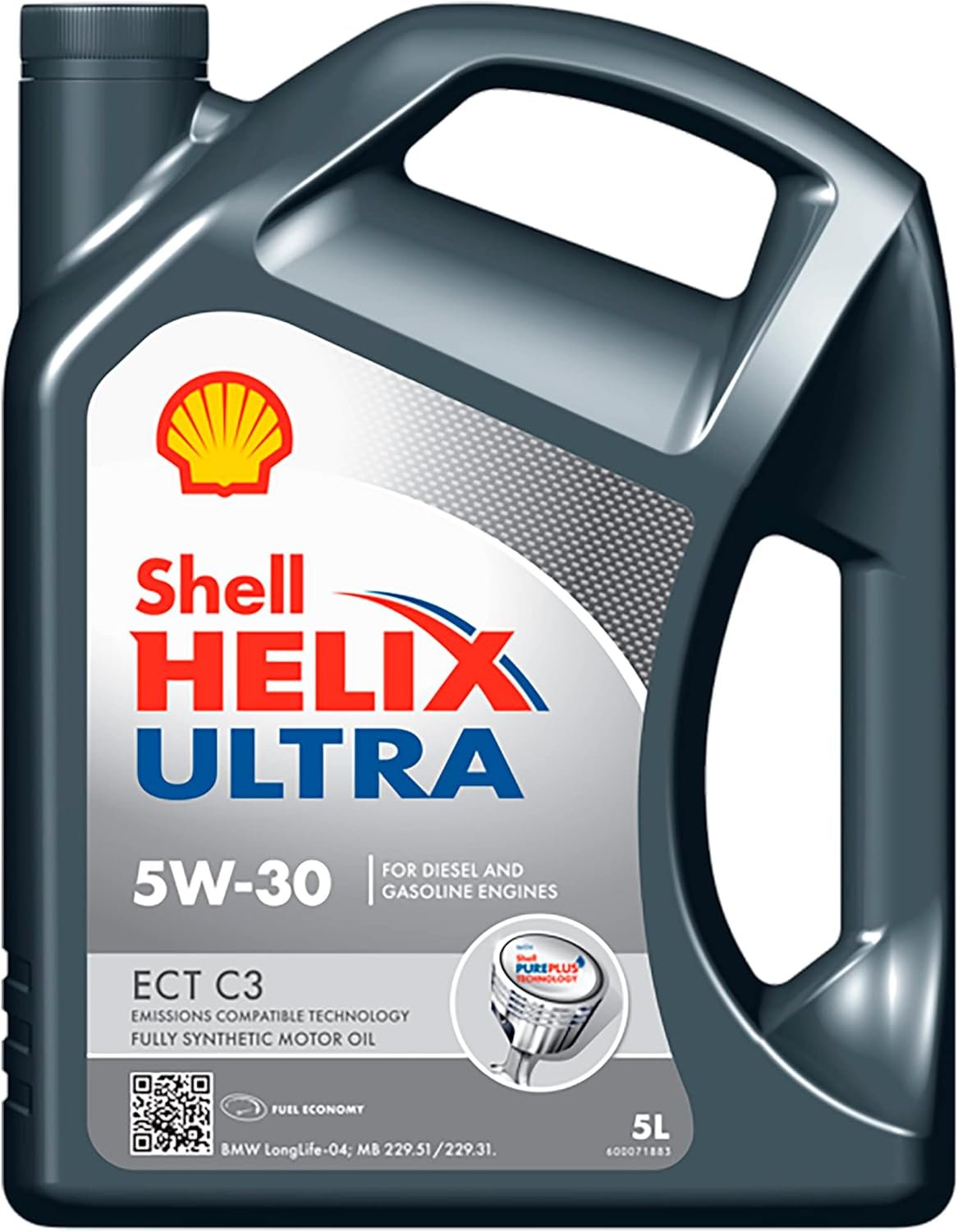
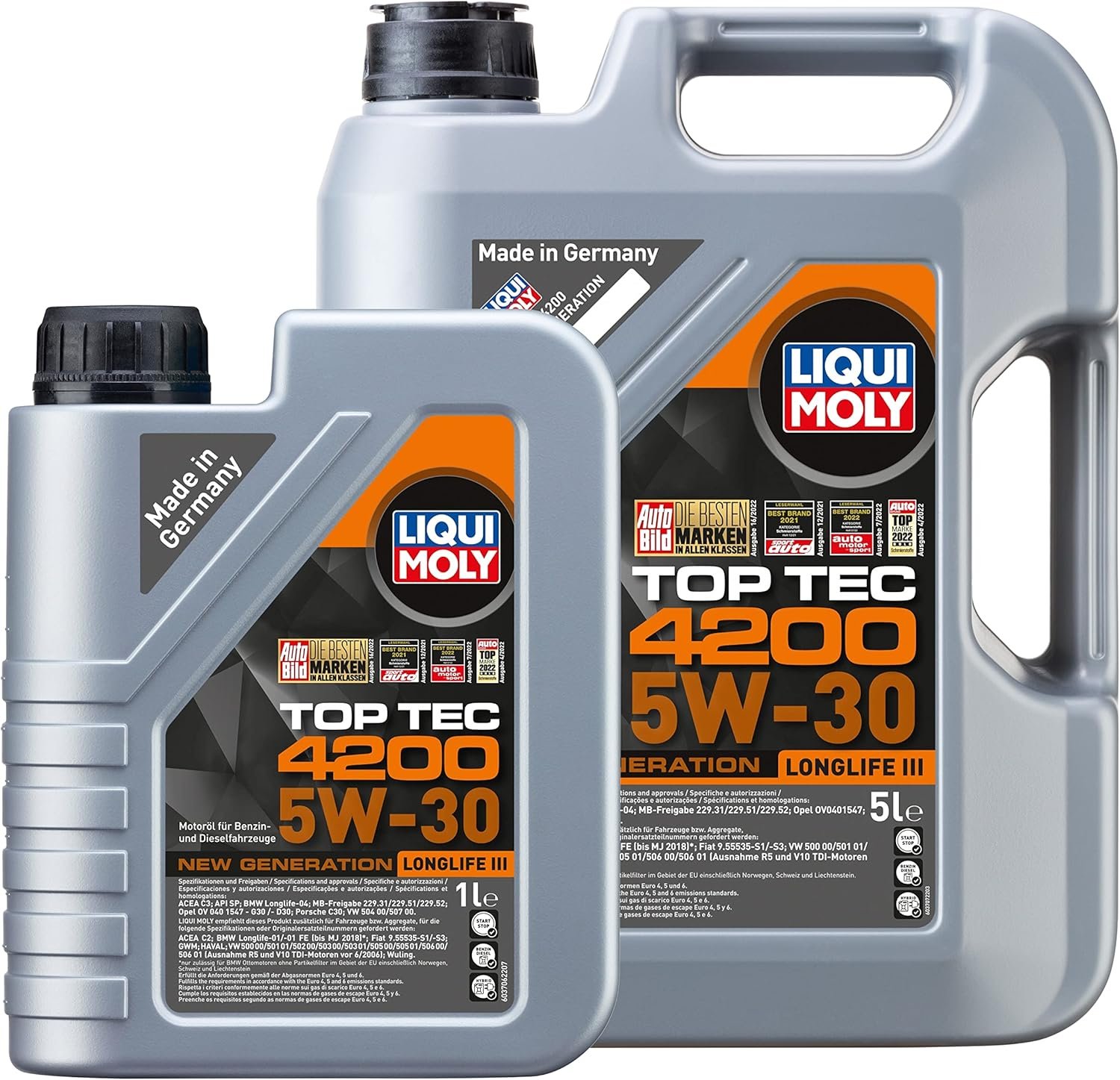
As an Amazon Associate, we may earn from qualifying purchases. This doesn't affect our recommendations — we only suggest oils that hold the exact OEM approval for your engine.
Best Engine Oil for Mazda 3 BM/BN 2.2 SKYACTIV-D (150 hp)
The Mazda 3 BM/BN (2013–2018) is one of the most technically ambitious compact cars of its generation — Mazda’s execution of SKYACTIV technology across the entire vehicle: body, chassis, transmission, and engine. The 2.2 SKYACTIV-D diesel (engine code SH-VPTS, 150 hp) is the engineering centrepiece of that story: a diesel engine that broke from conventional diesel design by dramatically reducing compression ratio, pioneering a new approach to combustion efficiency. The oil specification — 5W-30 ACEA C3 — is straightforward, but the engine’s unique technical architecture makes understanding why correct oil matters more important than the specification alone implies.
Quick Answer: Recommended Oil
- Specification: ACEA C3, 5W-30 full synthetic (ACEA B4/C3 per Mazda specification)
- Alternative: None — 5W-30 ACEA C3 is the mandatory specification
- Oil capacity with filter: 5.5 litres
- Oil capacity without filter: approx. 5.0 litres
The SH-VPTS Engine: Low Compression Innovation
The SH-VPTS is Mazda’s 2.2-litre four-cylinder diesel, distinguished by its compression ratio of 14:1 — dramatically lower than the 16–17:1 typical of contemporary diesel engines at its introduction. This unconventional choice defines the engine’s character and its demands on the oil.
In conventional diesel engines, the high compression ratio generates sufficient heat for reliable fuel self-ignition across all operating conditions, including cold starts. At 14:1 compression, the SH-VPTS relies instead on advanced ceramic glow plugs that reach 1,000°C within two seconds to ensure combustion initiation at cold start. The lower compression generates less mechanical stress on bearings and piston rings — contributing to the engine’s internal friction reduction — but requires consistent glow plug function to avoid cold-start misfires.
SKYACTIV-D valve timing: The SH-VPTS incorporates a variable valve timing system on the intake camshaft — unusual for a diesel engine — that adjusts intake valve timing to optimise the effective compression ratio across the operating range. At idle and low load, later valve closing effectively reduces compression to minimise combustion pressure and noise. Under load, timing advances to maximise combustion efficiency. The valve timing mechanism is lubricated by engine oil; oil quality and viscosity consistency directly affect the timing system’s hydraulic response.
The fuel injection system uses piezo common-rail injectors at high rail pressure, enabling multiple injection events per combustion cycle — a strategy that shapes the pressure rise curve for lower NVH and reduced NOx formation without catalytic aftertreatment compromise.
Oil Selection for the SH-VPTS
Mazda specifies 5W-30 ACEA C3 (with ACEA B4 as the secondary reference for non-DPF markets, not applicable to UK variants). The engine’s DPF requires low-SAPS chemistry; its variable valve timing mechanism requires consistent viscosity at cold start and at temperature. The 5W-30 grade meets both requirements.
The 5.5-litre oil capacity — large for a 2.2-litre diesel — reflects the SH-VPTS’s larger sump relative to competitors. This additional volume buffers oil oxidation and soot contamination, but should not be interpreted as a reason to extend service intervals.
Technical Specifications
| Specification | Value |
|---|---|
| Displacement | 2,191 cc |
| Layout | Inline-4, DOHC, turbodiesel |
| Engine code | SH-VPTS |
| Power / Torque | 150 hp / 380 Nm |
| Compression ratio | 14:1 |
| Injection | Piezo common-rail |
| Valve timing | Variable (intake) |
| Aftertreatment | DPF + EGR |
| Timing system | Timing chain |
| Oil capacity (with filter) | 5.5 L |
| Recommended viscosity | 5W-30 |
| ACEA classification | C3 |
Oil Change Intervals
Mazda specifies annual or mileage-based intervals. For the SH-VPTS in UK use, 12,000–15,000 km or 12 months is the correct interval. For Mazda 3s used predominantly for short urban journeys — journeys under 10 miles that prevent DPF passive regeneration — reduce to 10,000 km or 12 months. Mazda’s own service data shows DPF-related failure rates three to four times higher on vehicles covering fewer than 12,000 miles annually in predominantly urban use.
Common Problems Related to Oil
DPF soot loading from incomplete regeneration: The SKYACTIV-D’s DPF passive regeneration requires sustained exhaust temperatures — approximately 15–20 minutes at motorway speed. Short-trip urban use prevents regeneration, causing progressive soot loading. When the active regeneration system compensates through post-injection fuel additions, incomplete regeneration introduces fuel to the sump, raising the oil level and reducing viscosity. Check oil level monthly — a rising level indicates fuel dilution.
SH-VPTS valve timing mechanism: The variable intake valve timing system’s hydraulic actuator relies on clean oil at correct viscosity. Degraded oil can cause sluggish actuator response, producing rough running during warm-up and hesitation at low RPM. Annual oil changes maintain the actuator’s hydraulic function.
Injector seal wear: The SH-VPTS piezo injectors have documented injector seat and seal wear at higher mileage, producing a characteristic ticking under load. Seal failure leads to fuel loss into the cylinder and sump contamination.
Timing chain at mileage: Cold-start timing chain rattle at 150,000+ km can indicate tensioner wear. Annual ACEA C3 changes maintain the tensioner hydraulic circuit.
Conclusion
The Mazda 3 BM 2.2 SKYACTIV-D is a technically distinctive and rewarding compact diesel whose 14:1 compression ratio and variable valve timing make it unlike any contemporary competitor. ACEA C3 5W-30 at 12,000–15,000 km annual intervals is the correct specification. Ensure regular motorway driving to complete DPF regeneration cycles — the Mazda 3’s compact dimensions and sporting character make it a natural motorway companion, and this usage pattern is exactly what the SH-VPTS’s DPF management requires.
Our Top Picks
As an Amazon Associate, we may earn from qualifying purchases. This doesn't affect our recommendations — we only suggest oils that hold the exact OEM approval for your engine.