 Oil-
Oil-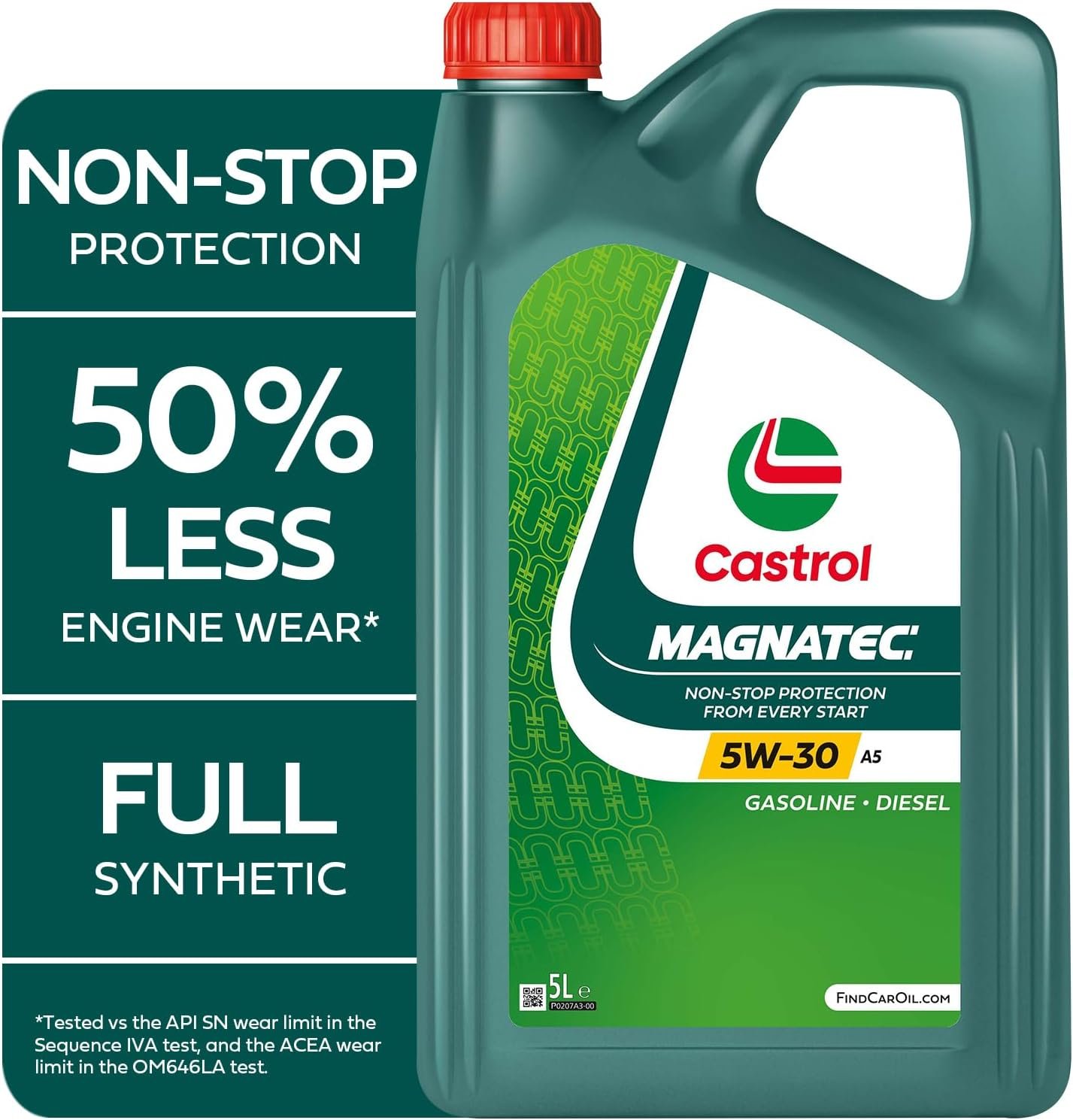
As an Amazon Associate, we may earn from qualifying purchases. This doesn't affect our recommendations — we only suggest oils that hold the exact OEM approval for your engine.
Best Engine Oil for Ford S-Max Mk2 2nd Gen 2.0 TDCi (150/180 hp)
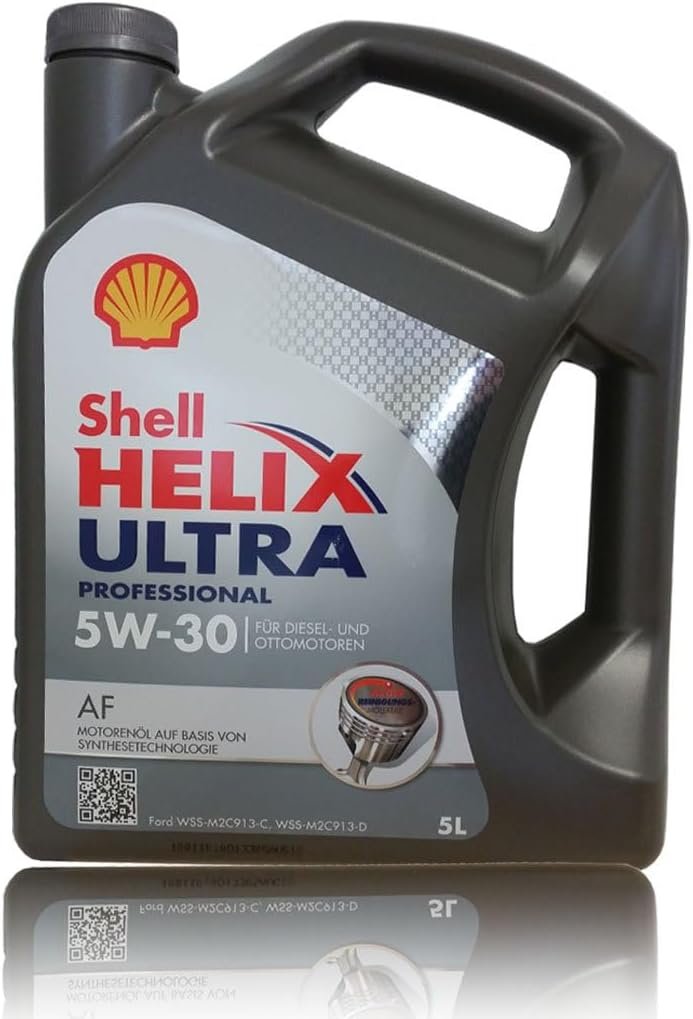
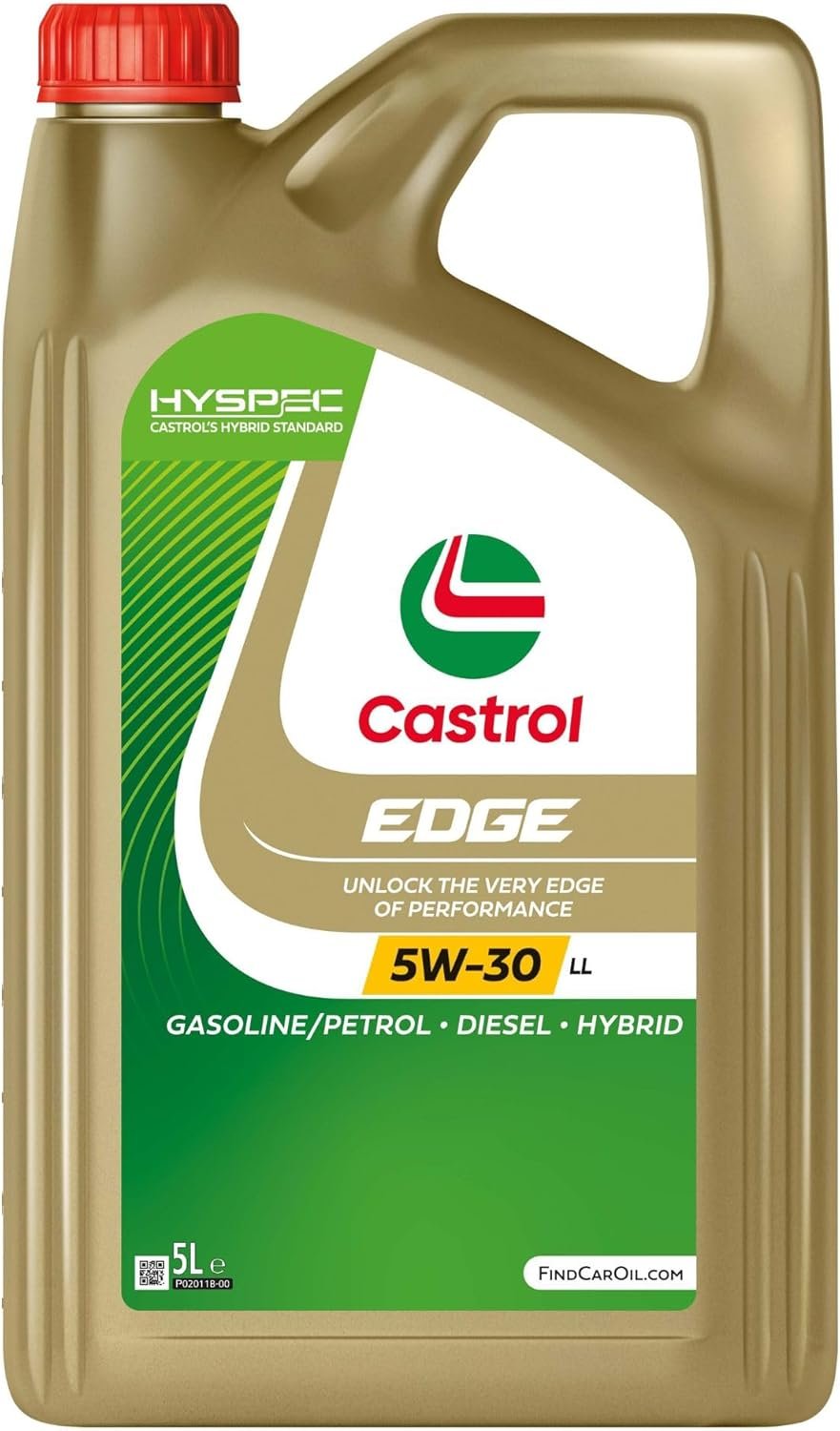
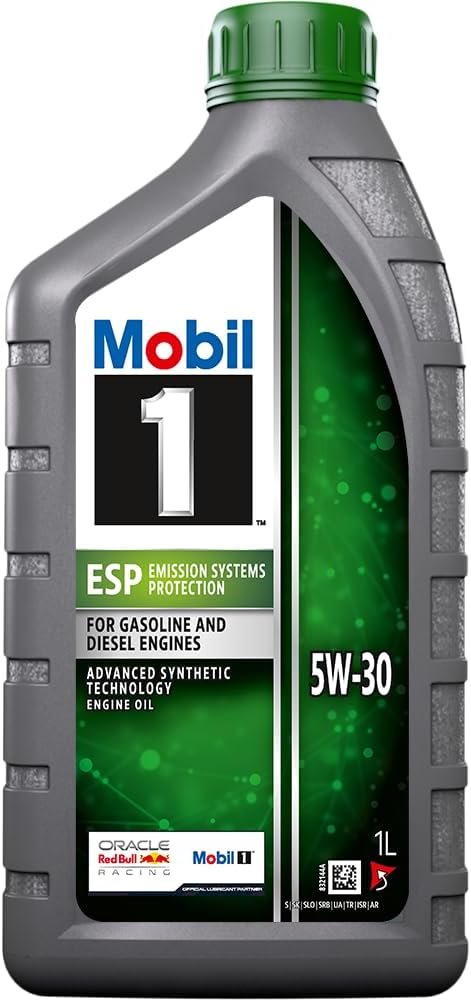
The Ford S-Max 2nd generation (2015–2023) replaced the original sports MPV with a significantly revised platform and a new generation of the 2.0 TDCi diesel — now in EcoBlue form, meeting Euro 6 requirements with an updated engine architecture. The S-Max occupies a specific UK market role: a large family MPV positioned as more driver-focused than the Galaxy, with the same 2.0 TDCi powertrain in 150 hp (engine code UFMA) and 180 hp (T8MA) outputs. Ford’s oil specification for the EcoBlue diesel is WSS-M2C913-D, 5W-30 ACEA C3 — Ford’s mid-SAPS diesel standard that superseded the older WSS-M2C913-C of the previous Duratorq generation.
Quick Answer: Recommended Oil
- Specification: Ford WSS-M2C913-D / ACEA C3, 5W-30 full synthetic
- Alternative: None (WSS-M2C913-D is the current spec; older C-spec oils are not recommended)
- Oil capacity with filter: 5.5 litres
- Oil capacity without filter: approx. 5.0 litres
The 2.0 EcoBlue Engine (UFMA / T8MA)
The 2nd gen S-Max’s 2.0 TDCi uses Ford’s EcoBlue engine family — a 1,997 cc inline-four diesel that replaced the older Duratorq TDCi in 2018 across the S-Max range (the 2015–2018 examples may carry Duratorq-derived engines depending on build date; from the 2018 model year, EcoBlue is standard). The UFMA code denotes the 150 hp variant; T8MA is the 180 hp version. Both share the same block and head — the power difference is turbocharger calibration and boost mapping.
The EcoBlue is a clean-sheet Euro 6 design with integrated DPF and — on higher-power variants — selective catalytic reduction (SCR) with AdBlue injection for NOx control. The emission control architecture is more complex than the older Duratorq it replaced, making the oil specification’s low-SAPS requirement more consequential for long-term emission system health.
EGR system: The EcoBlue uses cooled EGR to reduce in-cylinder NOx formation. On early 2015–2017 production (pre-2018 facelift), EGR valve carbon deposits were a documented issue — the valve body and associated galleries accumulated soot at the rate typical for high-EGR-rate Euro 6 diesel calibrations. Ford revised the EGR design for the 2018 facelift with improved port geometry and a more aggressive self-cleaning cycle. Post-2018 examples show significantly reduced EGR fouling rates.
WSS-M2C913-D vs Older Ford Norms
Ford’s WSS-M2C913-D is the current diesel oil specification for EcoBlue applications, superseding WSS-M2C913-C (which was applied to Duratorq TDCi engines). The D specification requires ACEA C3 performance — mid-SAPS chemistry with enhanced soot dispersancy suited to the EcoBlue’s higher soot output calibration at Euro 6 injection pressures. Using WSS-M2C913-C-only approved oil in a D-spec engine is sub-optimal; the C specification’s soot dispersancy was calibrated for the older Duratorq’s combustion characteristics, not the EcoBlue.
Technical Specifications
| Specification | Value |
|---|---|
| Displacement | 1,997 cc |
| Layout | Inline-4, diesel, turbocharged |
| Engine codes | UFMA (150 hp) / T8MA (180 hp) |
| Power / Torque | 150–180 hp / 370–400 Nm |
| Injection | Common-rail direct injection |
| Aftertreatment | DPF + EGR (+ SCR/AdBlue on higher trims) |
| Timing system | Timing chain |
| Oil capacity (with filter) | 5.5 L |
| Recommended viscosity | 5W-30 |
| Ford specification | WSS-M2C913-D |
| ACEA classification | C3 |
Oil Change Intervals
Ford specifies 12 months or mileage-based intervals via the Intelligent Oil Life Monitor. The recommended practical interval is 15,000 km or 12 months for mixed urban/motorway use, reducing to 10,000–12,000 km or 12 months for predominantly urban short-journey use. The S-Max’s size — heavier than a hatchback, with more interior volume to heat at cold start — means cold-start warm-up cycles are slightly longer, producing more blow-by contamination per cold start than a lighter vehicle.
Common EcoBlue Problems Related to Oil
EGR carbon deposits (2015–2017): Pre-facelift S-Max with the earlier EGR design are the most affected. Carbon cleaning at 80,000–120,000 km restores correct EGR function. Correct WSS-M2C913-D 5W-30 reduces combustion by-product contribution to deposit formation; annual changes maintain oil chemistry at full additive capacity.
DPF passive regeneration: The S-Max’s mixed urban/motorway use profile is reasonably well-suited to passive DPF regeneration — motorway journeys of 30+ minutes at sustained speed allow the DPF to burn off accumulated soot. If the S-Max is primarily used for urban commuting, active regeneration cycles increase, and DPF soot loading builds faster. WSS-M2C913-D’s low-SAPS chemistry limits ash accumulation separately from soot — keeping both within management range.
Timing chain tensioner: At extended mileage (above 150,000 km), timing chain tensioner wear can produce a brief cold-start rattle. Annual WSS-M2C913-D changes maintain the tensioner hydraulic circuit through the drain interval.
Conclusion
The Ford S-Max Mk2 2.0 TDCi EcoBlue is a well-rounded large MPV with a capable Euro 6 diesel that requires correct low-SAPS chemistry for its DPF and emission system. Ford WSS-M2C913-D 5W-30 ACEA C3 at 15,000 km annual intervals is the correct specification. Pre-facelift 2015–2017 owners should budget for EGR carbon cleaning at 80,000–120,000 km; post-2018 examples are generally more EGR-stable.
Our Top Picks
As an Amazon Associate, we may earn from qualifying purchases. This doesn't affect our recommendations — we only suggest oils that hold the exact OEM approval for your engine.