 Oil-
Oil-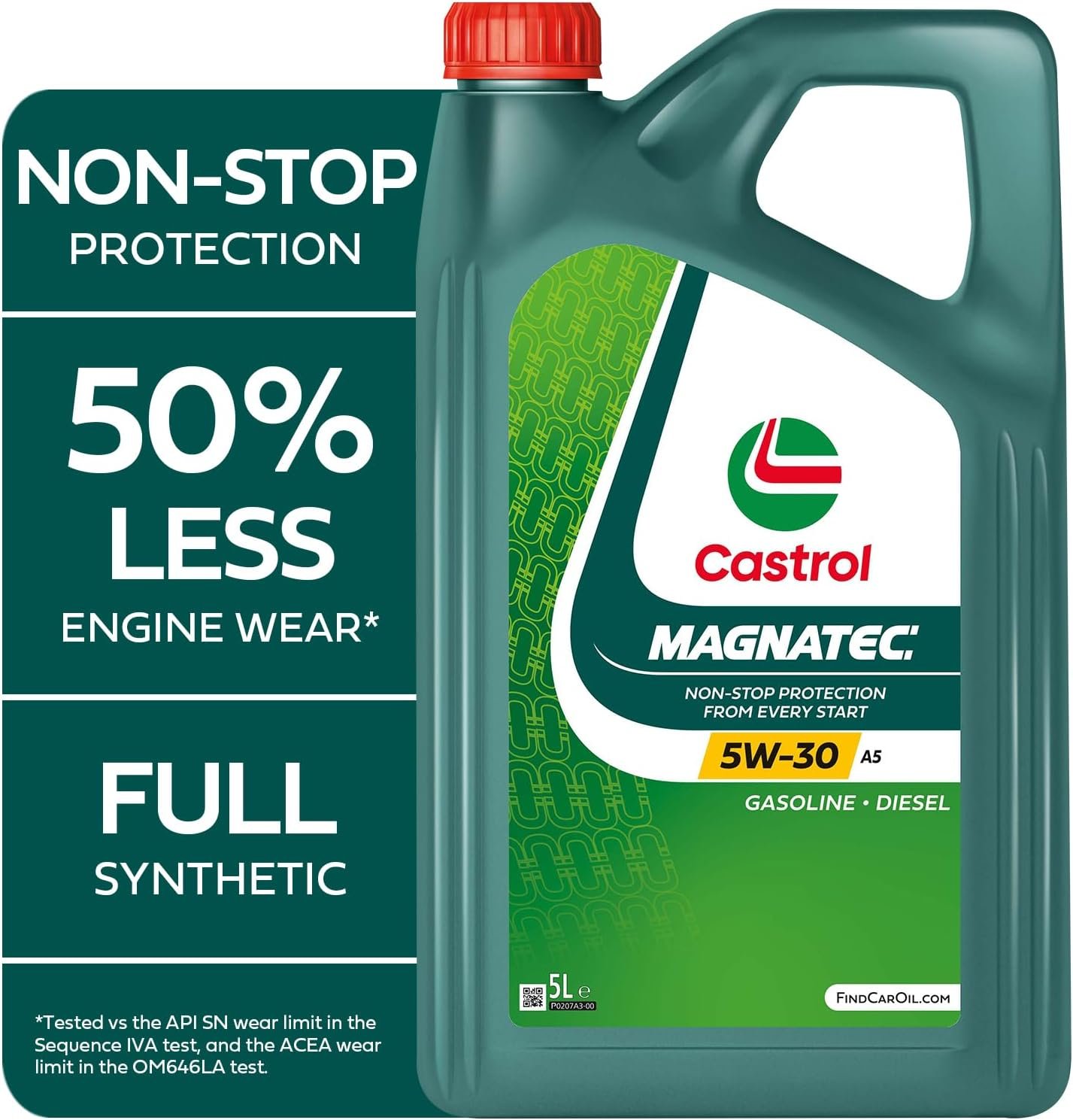
As an Amazon Associate, we may earn from qualifying purchases. This doesn't affect our recommendations — we only suggest oils that hold the exact OEM approval for your engine.
Best Engine Oil for Ford Galaxy Mk3 3rd Gen 2.0 TDCi (150/190 hp)
The Ford Galaxy 3rd generation (2015–2023) shares its platform, engine, and most mechanical components with the S-Max Mk2 — but occupies a distinct position in the market as Ford’s dedicated large family MPV: longer, more space-focused, and oriented toward family comfort over the S-Max’s mild driver engagement. The Galaxy’s diesel lineup centres on the 2.0 TDCi EcoBlue in 150 hp (UFMA) and 190 hp (T8MA) forms. The oil specification is identical to the S-Max: Ford WSS-M2C913-D, 5W-30 ACEA C3. What distinguishes Galaxy service from S-Max service is the duty cycle — a seven-seat Galaxy loaded with passengers and luggage makes different demands on oil than a lightly-loaded S-Max commuter.
Quick Answer: Recommended Oil
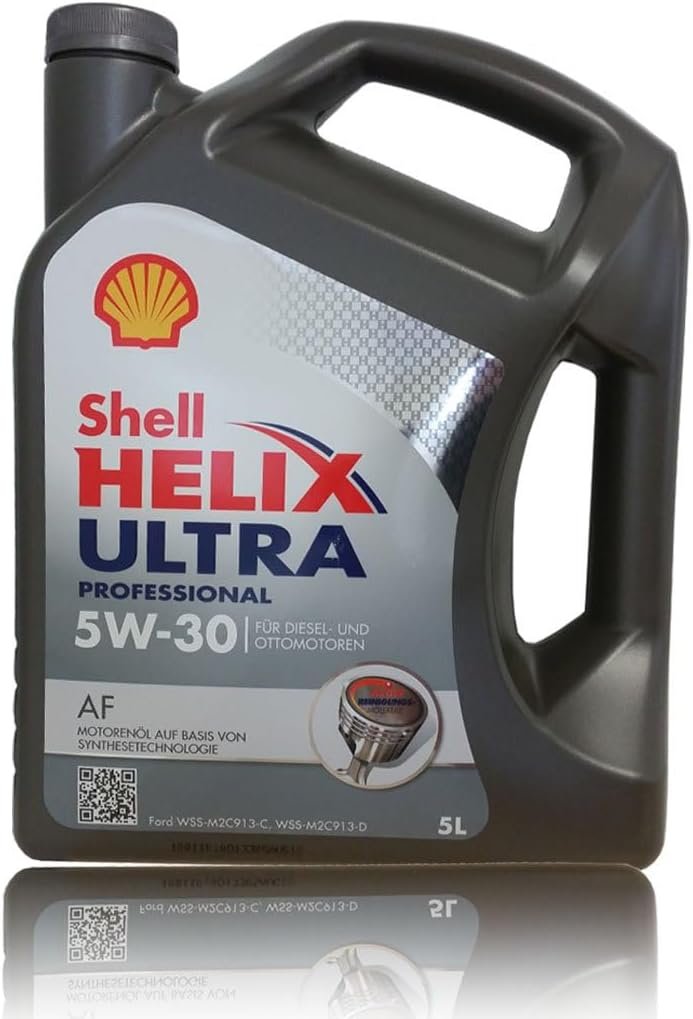
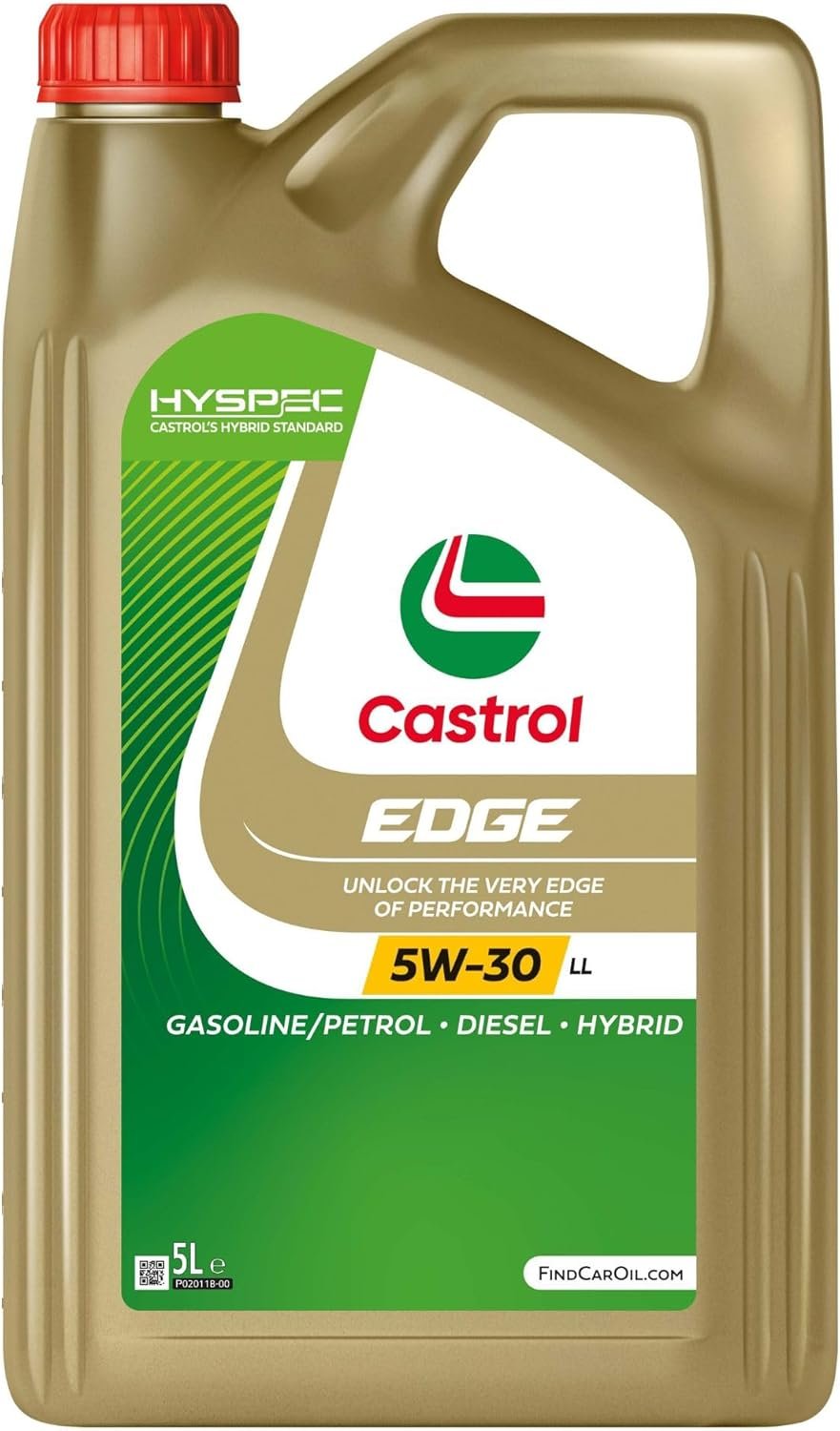
- Specification: Ford WSS-M2C913-D / ACEA C3, 5W-30 full synthetic
- Alternative: None (WSS-M2C913-D is the mandatory Ford EcoBlue specification)
- Oil capacity with filter: 5.5 litres
- Oil capacity without filter: approx. 5.0 litres
The Galaxy Mk3 and EcoBlue Engine
The Galaxy Mk3 uses the same 1,997 cc EcoBlue inline-four diesel as the S-Max Mk2. Engine codes UFMA (150 hp) and T8MA (190 hp on the Galaxy — slightly higher than the S-Max’s 180 hp T8MA through ECU calibration) are the same engine hardware with different boost and injection mapping. The Galaxy’s heavier kerb weight (approximately 50–80 kg more than the equivalent S-Max) means the engine operates at slightly higher average load to maintain the same road speed — increasing thermal demand on the oil in sustained family transport use.
Heavy-load DPF implications: A Galaxy routinely carrying five to seven passengers and luggage at motorway speeds sustains oil temperatures meaningfully above a lightly-loaded equivalent. This accelerates oil thermal degradation and increases blow-by volume — both factors that argue for conservative service intervals. The positive side of the Galaxy’s motorway-biased family transport role: sustained high-speed driving provides ideal conditions for DPF passive regeneration. A Galaxy that regularly completes 30-minute motorway stretches will maintain DPF health better than an urban-only vehicle of the same mileage.
AdBlue (SCR) on higher-power variants: T8MA-equipped Galaxies with SCR (Selective Catalytic Reduction) require AdBlue (aqueous urea solution) top-ups at approximately 10,000–12,000 km intervals. AdBlue is separate from the oil circuit and has no interaction with oil specification, but it is a service item that Galaxy owners should track alongside oil changes. A Galaxy that has run out of AdBlue will enter a restricted-power mode under Euro 6 regulations.
WSS-M2C913-D for the Galaxy Application
Ford WSS-M2C913-D mandates ACEA C3 chemistry — sulphated ash ≤ 0.8%, phosphorus ≤ 0.07%, sulphur ≤ 0.2%. For the Galaxy’s DPF, this low-SAPS requirement limits incombustible ash accumulation from oil combustion products. A Galaxy used for long-distance family transport accumulates miles faster than a typical urban car; correct low-SAPS oil ensures that ash accumulation rate is kept within the DPF’s management capacity across the vehicle’s higher annual mileage.
Technical Specifications
| Specification | Value |
|---|---|
| Displacement | 1,997 cc |
| Layout | Inline-4, diesel, turbocharged |
| Engine codes | UFMA (150 hp) / T8MA (190 hp) |
| Power / Torque | 150–190 hp / 370–420 Nm |
| Injection | Common-rail direct injection |
| Aftertreatment | DPF + EGR (+ SCR/AdBlue on T8MA) |
| Timing system | Timing chain |
| Oil capacity (with filter) | 5.5 L |
| Recommended viscosity | 5W-30 |
| Ford specification | WSS-M2C913-D |
| ACEA classification | C3 |
Oil Change Intervals
The recommended interval for the Galaxy Mk3 2.0 TDCi in family transport use — mixed motorway and local driving — is 15,000 km or 12 months. For vehicles that are regularly loaded to near-capacity or tow a caravan, reduce to 10,000–12,000 km or 12 months to account for the elevated thermal load. Checking oil level at every refuel is appropriate practice for high-mileage family vehicles; the Galaxy’s 5.5-litre sump provides reasonable buffering but does not eliminate the need for level monitoring between services.
Common EcoBlue Problems in Galaxy Application
EGR carbon deposits: The same EGR fouling that affects early S-Max Mk2 examples applies to pre-2018 Galaxy Mk3s. Carbon cleaning at 80,000–120,000 km is the appropriate maintenance item. Post-2018 Galaxy examples with the revised EGR design show improved fouling resistance.
DPF management in heavy-load use: A fully-loaded Galaxy running urban school runs will struggle to complete passive DPF regeneration. If the Galaxy’s primary use is local short journeys with occasional motorway stretches, ensure at least one 30–45 minute sustained motorway run per month to support regeneration. Avoiding frequent forced regen interruptions (turning off before the regen cycle completes) is critical — interrupted cycles compound soot loading faster than city driving alone.
Timing chain tensioner wear: At high mileage (150,000+ km), tensioner wear produces brief cold-start chain rattle. Annual WSS-M2C913-D changes maintain the tensioner hydraulic circuit across the drain interval.
Conclusion
The Ford Galaxy Mk3 2.0 TDCi shares its engine and oil specification with the S-Max Mk2 — WSS-M2C913-D 5W-30 ACEA C3 at 15,000 km annual intervals (10,000–12,000 km for towing or near-capacity regular use). The Galaxy’s family transport role, with higher average loads and potentially higher annual mileage, makes conservative intervals the correct choice. Monitor DPF health through active regeneration frequency — a Galaxy that rarely completes a 30-minute motorway run needs a periodic extended drive to prevent DPF saturation.
Our Top Picks
As an Amazon Associate, we may earn from qualifying purchases. This doesn't affect our recommendations — we only suggest oils that hold the exact OEM approval for your engine.