 Oil-
Oil-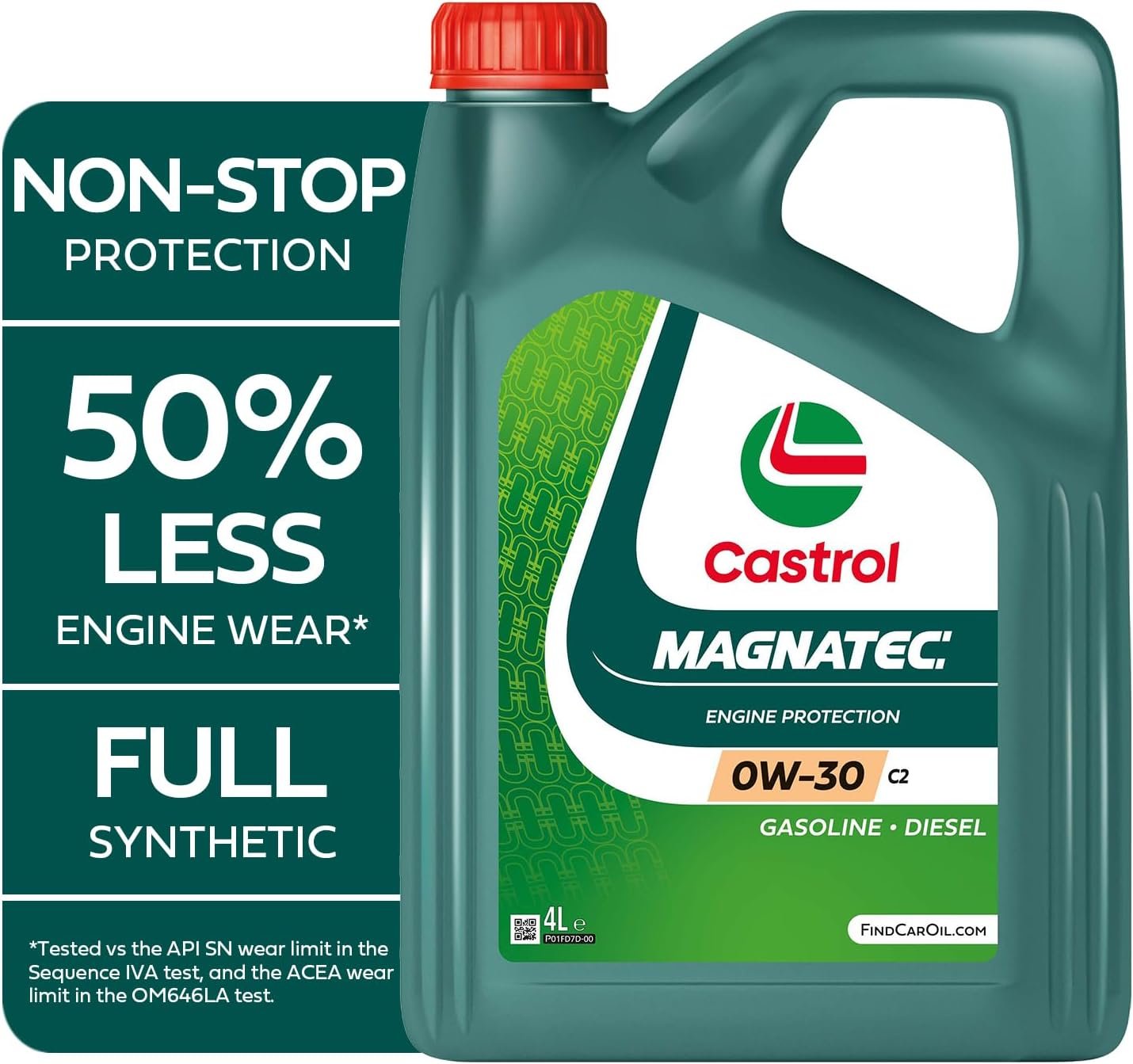
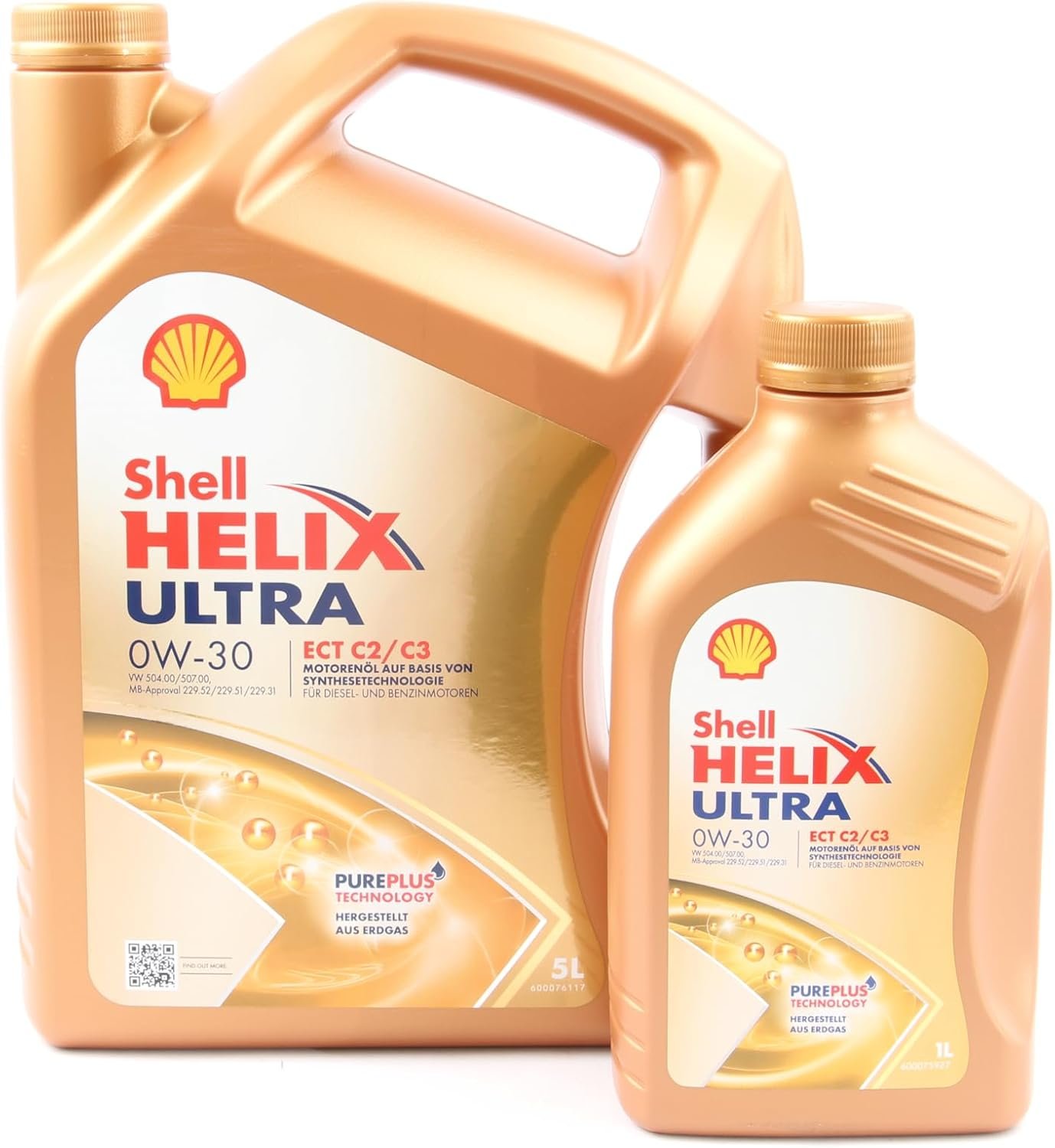
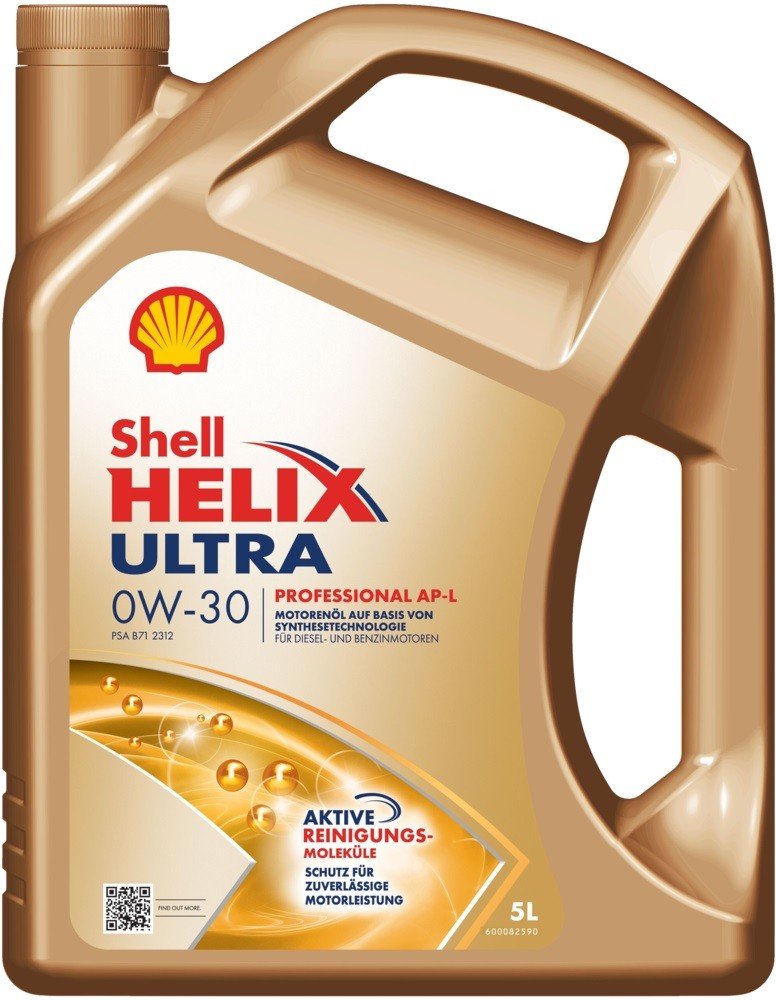
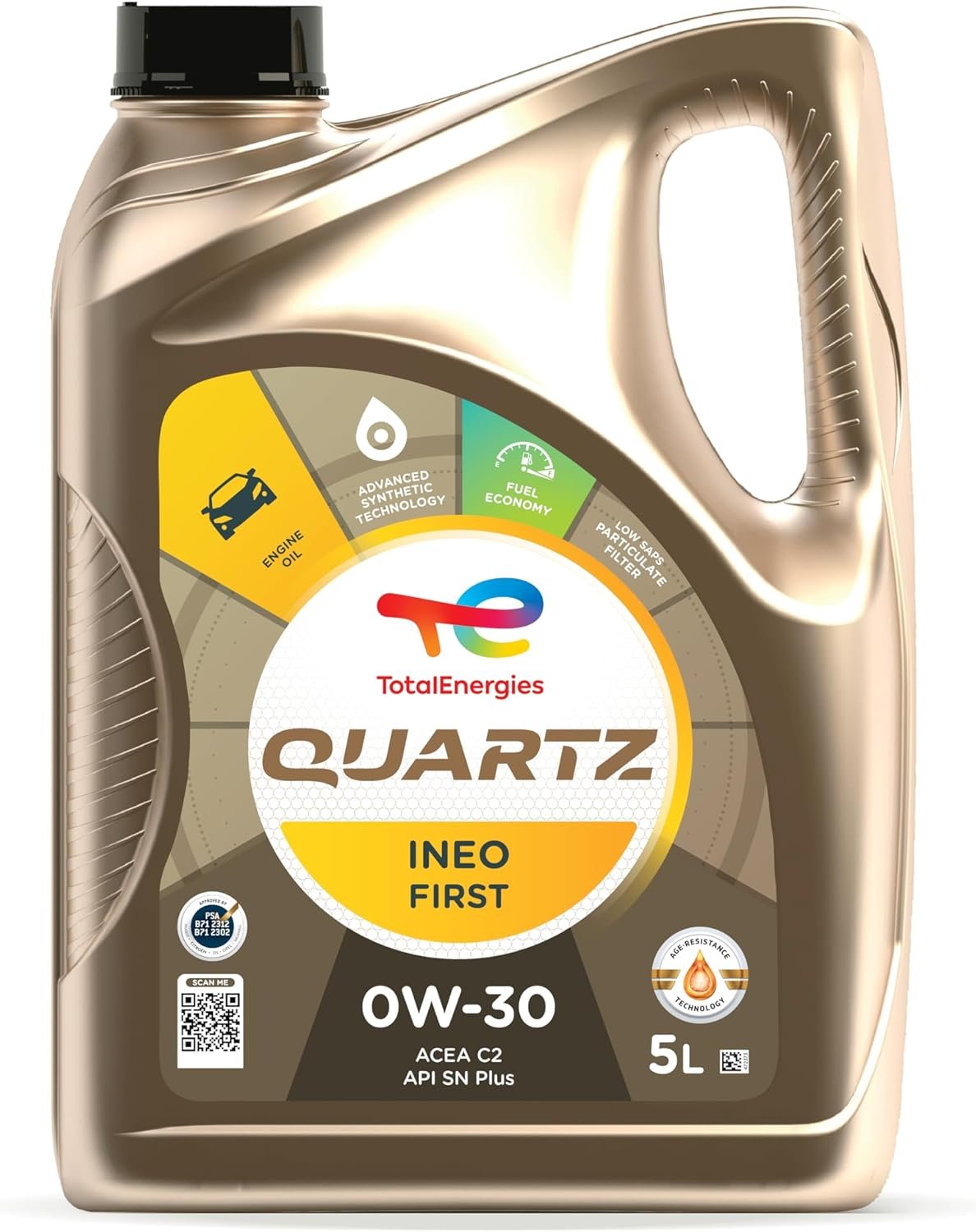
As an Amazon Associate, we may earn from qualifying purchases. This doesn't affect our recommendations — we only suggest oils that hold the exact OEM approval for your engine.
Best Engine Oil for Ford Focus ST Mk4 2.3 EcoBoost (280 hp)
The Ford Focus ST Mk4 sits at the sharper end of the hot hatch segment, and its 2.3-litre EcoBoost engine is the centrepiece of that performance. This engine shares its DNA directly with the Mustang EcoBoost — the same displacement, the same twin-scroll turbocharger architecture, the same high-output ambitions — yet it has been retuned to deliver 280 hp and 420 Nm of torque in a front-wheel-drive package that’s both accessible on the road and capable on track.
That Mustang heritage is impressive on paper, but it comes with an important caveat: the 2.3 EcoBoost operates under significant thermal and mechanical stress, particularly when pushed hard. Choosing the correct engine oil is not a minor detail here. The wrong viscosity or an oil that lacks Ford’s WSS-M2C950-A approval can leave the turbocharger oil-starved at high temperatures, accelerate wear on the big-end bearings, and — in worst-case scenarios — contribute to the head gasket failures that have become a known concern on this engine family.
Quick Answer: Recommended Oil
- Specification: Ford WSS-M2C950-A / ACEA C2
- Primary viscosity: 0W-30
- Alternative viscosity: 5W-30 (WSS-M2C950-A approved)
- Oil capacity (without filter): 5.1 litres
- Oil capacity (with filter): 5.4 litres
Always use an oil carrying the WSS-M2C950-A approval stamp. The low-SAPS chemistry required by this norm protects the catalytic converter while maintaining the film strength needed by the 2.3’s high-boost internals.
The 2.3 EcoBoost Engine
Ford’s 2.3-litre EcoBoost is a four-cylinder aluminium unit with a cast-iron cylinder block liner, direct injection, and a twin-scroll turbocharger. The twin-scroll design is central to the engine’s character: by separating the exhaust pulses from cylinders 1–4 and 2–3 into two dedicated scroll paths, the turbo spools faster at lower rpm, cutting lag and delivering the broad torque curve that makes the Focus ST so tractable in everyday driving.
The engine uses a chain-driven camshaft rather than a belt, removing one maintenance variable — but the chain tensioner and guides still require clean, low-viscosity oil to function correctly from cold starts. The variable valve timing system (Ti-VCT) on both intake and exhaust camshafts also relies on oil pressure to operate the cam phasers. If the oil is thickened by cold temperatures or degraded by extended drain intervals, phaser response slows, and the engine can log fault codes or run roughly until it reaches operating temperature.
Compression ratio sits at 9.5:1 — relatively modest for a modern turbocharged unit, which helps manage combustion temperatures but also means Ford’s engineers have deliberately left headroom for the turbo to do the heavy lifting. Peak power arrives at 5,500 rpm, with the 420 Nm torque plateau held between 2,500 and 4,500 rpm.
The engine was developed alongside the Mustang 2.3 EcoBoost (which produces 290 hp in some markets) and shares its basic architecture. The Focus ST version runs slightly lower boost pressure to keep the tune stable in a permanent front-wheel-drive application, where traction management adds additional thermal cycles.
Understanding the Ford WSS-M2C950-A Specification
Ford WSS-M2C950-A is the OEM oil standard specified for the 2.3 EcoBoost in the Focus ST. It is a mid-SAPS (sulphated ash, phosphorus, sulphur) specification built around ACEA C2 chemistry, designed to strike a balance between component protection and exhaust aftertreatment compatibility.
The key properties mandated by WSS-M2C950-A include:
- Low-friction base chemistry — the 0W-30 viscosity grade ensures fast lubrication from a cold start, which matters enormously for a turbocharged engine where the bearings see high loads within seconds of ignition
- Thermal stability — the additive package must maintain viscosity integrity at sustained high temperatures, a critical requirement given the 2.3’s known sensitivity to overheating
- Oxidation resistance — direct injection and high combustion temperatures accelerate oil oxidation; the WSS-M2C950-A additive package is formulated to slow this degradation
- Compatibility with DPF-equipped variants — the reduced SAPS content prevents ash accumulation in the particulate filter
WSS-M2C950-A should not be substituted with WSS-M2C948-B (specified for the smaller 1.0 EcoBoost) or with WSS-M2C917-A (an older Ford standard for lower-output engines). These specifications differ meaningfully in film strength at high shear rates and will not adequately protect the 2.3’s larger, more heavily loaded bearings.
If WSS-M2C950-A oil is unavailable, an ACEA C2-rated 5W-30 is an acceptable short-term substitute — but always return to the full OEM-approved grade as soon as possible.
Technical Specifications
| Specification | Detail |
|---|---|
| Engine code | 2.3L EcoBoost |
| Displacement | 2,261 cc |
| Layout | Inline-4, turbocharged, direct injection |
| Compression ratio | 9.5:1 |
| Power output | 280 hp (206 kW) @ 5,500 rpm |
| Torque | 420 Nm @ 2,500–4,500 rpm |
| Turbocharger | Twin-scroll |
| Valve timing | Twin independent variable (Ti-VCT) |
| Cam drive | Chain |
| Oil capacity (dry fill) | 5.1 litres |
| Oil capacity (with filter) | 5.4 litres |
| Recommended viscosity | 0W-30 |
| Alternative viscosity | 5W-30 |
| OEM oil specification | Ford WSS-M2C950-A |
| ACEA norm | ACEA C2 |
Oil Change Intervals
Ford’s factory service interval for the Focus ST is variable, governed by the Intelligent Oil-Life Monitor (IOLM) — a system that calculates remaining oil life based on driving style, load cycles, and temperature. Under Ford’s official programme, intervals can extend to 12,500 miles or 24 months, whichever comes first.
In practice, many Focus ST owners who drive the car spiritedly — including occasional track sessions — reduce this to 8,000–10,000 miles or once per year. The reasoning is straightforward: the 2.3 EcoBoost runs hot, the turbocharger sits close to the exhaust manifold, and the oil temperature spikes regularly under sustained high loads. Thermal degradation erodes additive packages faster than the IOLM algorithm can fully account for in hard-driven examples.
If the car is used on track days, even infrequently, an annual oil change regardless of mileage is a sensible precaution. Always drain while the engine is warm to ensure the old oil carries contaminants out with it, and always replace the sump drain plug washer.
Common Problems Related to Oil
Head gasket failures are the most documented issue affecting the 2.3 EcoBoost family. The open-deck block design — which offers good cooling efficiency but leaves the cylinder bores with limited support between them — creates pressure differentials that the head gasket must manage under sustained high load. On earlier examples (2018–2019 production years in particular), this design, combined with high combustion pressures, led to head gasket seepage and in some cases outright failure. Symptoms include unexplained coolant loss, white exhaust smoke under acceleration, bubbling in the expansion tank, and — at an advanced stage — milky oil on the dipstick.
Maintaining the correct oil specification matters here because degraded or incorrect oil accelerates thermal stress on the head gasket interface. An oil with insufficient high-temperature viscosity retention allows localised hot spots to form, increasing the likelihood of gasket failure.
Cooling system stress is a related concern. The 2.3 EcoBoost runs a small coolant volume relative to its output, and the system can struggle to dissipate heat during back-to-back hard runs. A partially blocked thermostat or a marginal water pump will quickly push temperatures into the danger zone. Regular coolant checks — and maintaining clean, correctly mixed coolant — complement the oil in keeping the engine within its thermal limits.
Turbocharger oil feed is another area where oil quality directly influences longevity. The twin-scroll turbocharger on the 2.3 EcoBoost runs a journal bearing system that relies entirely on oil pressure and oil cleanliness for lubrication. Extended drain intervals, or oil that has lost its low-friction properties through thermal breakdown, will accelerate wear on the turbo shaft and housing. The characteristic symptoms are whine under boost and, eventually, shaft play that allows oil to enter the inlet tract.
Carbon build-up on intake valves is inherent to direct injection engines and the 2.3 is no exception. Oil vapour from the crankcase ventilation system gradually deposits carbon on the back of the intake valves. This can reduce airflow and cause misfires at high rpm. The rate of build-up is influenced by oil quality — higher-quality oils with lower volatility produce fewer vapour-phase deposits.
Conclusion
The Ford Focus ST Mk4’s 2.3 EcoBoost is a genuinely impressive engine, and its Mustang heritage gives it character that the smaller EcoBoost units simply cannot match. Getting the oil right is one of the most straightforward ways to protect that investment. Use a 0W-30 carrying Ford WSS-M2C950-A approval, change it no less than once per year or every 8,000–10,000 miles if you drive the car hard, and monitor the coolant level regularly as an early indicator of head gasket health. Combined with clean coolant and functioning cooling system components, the correct oil gives this engine the foundation it needs to deliver its full performance potential reliably.
Sources:
- Ford 2.3 EcoBoost Problems: Real Owner Issues
- Ford 2.3 EcoBoost Problems: Head Gaskets, Fuel Fails & Why 2020 Changed Everything
- 5 Ford 2.3 Ecoboost Problems & How to Fix Them
Our Top Picks
As an Amazon Associate, we may earn from qualifying purchases. This doesn't affect our recommendations — we only suggest oils that hold the exact OEM approval for your engine.