 Oil-
Oil-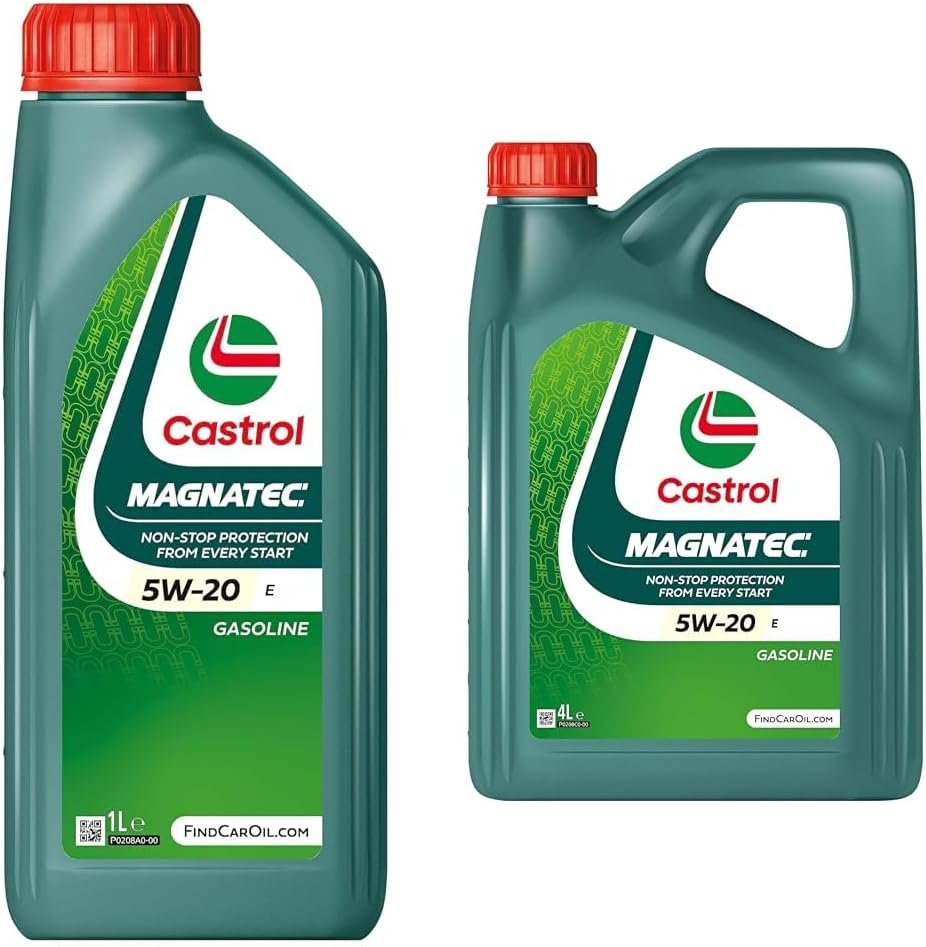
As an Amazon Associate, we may earn from qualifying purchases. This doesn't affect our recommendations — we only suggest oils that hold the exact OEM approval for your engine.
Best Engine Oil for Ford Focus Mk4 1.0 EcoBoost (125 HP)
The fourth-generation Ford Focus arrived in 2018 carrying the familiar 1.0 EcoBoost three-cylinder turbo, but not all Focus Mk4 1.0 EcoBoost engines are the same. Early 2018 production models use a wet timing belt submerged in engine oil, while cars built from approximately mid-2018 onwards switched to a conventional timing chain. This single distinction fundamentally changes the risk profile of the engine and makes oil selection either critically important or merely important, depending on which variant sits under your bonnet. This guide covers both, explains how to identify which you have, and recommends the correct oil for each.
Quick Answer: Recommended Oil
For Focus Mk4 1.0 EcoBoost (125 HP), engine code B7DA:
- Primary specification: Ford WSS-M2C948-B with SAE 5W-20
- ACEA norm: C2
- Oil capacity: 4.1 litres with filter (3.8 L without)
Key warning: The Ford WSS-M2C948-B specification is mandatory for all Focus Mk4 1.0 EcoBoost engines regardless of whether yours has the wet belt or the timing chain. This approval governs additive chemistry and low-HTHS viscosity requirements that Ford engineered into the B7DA from the outset. Generic 5W-20 without this approval is not acceptable.
Wet Timing Belt vs Timing Chain: The Critical Distinction
The 1.0 EcoBoost engine family was introduced in 2012 with its signature engineering feature: a toothed rubber timing belt running fully submerged in engine oil. This “belt-in-oil” design eliminated scheduled belt replacement, reduced packaging size, and cut noise. Ford originally claimed the wet belt would last 240,000 km without replacement. Reality proved otherwise.
In the field, wet belt degradation began appearing far sooner than Ford anticipated. The rubber compound, permanently immersed in hot oil, would swell, crack, and shed particles into the sump. These fragments clogged the oil pickup strainer and oil pump, starving the engine of lubrication and causing sudden, catastrophic failure. The gap between Ford’s claimed 240,000 km lifespan and real-world failures of 60,000-100,000 miles forced the company to act.
By mid-2018, Ford transitioned the 1.0 EcoBoost to a timing chain for the Focus Mk4 production run. The chain variant is substantially more reliable and eliminates the single greatest risk factor of the earlier design. However, early-build Focus Mk4 cars registered in the first half of 2018 still carry the wet belt engine.
How to identify which you have: Check the vehicle build date on the chassis plate (driver’s door frame), not the registration date. Cars built before approximately June 2018 are likely wet belt variants. A Ford dealer can confirm definitively using the VIN. Alternatively, the wet belt engine produces a distinctive cold-start rattle that disappears within a few seconds of starting. If your Focus has always been quiet on cold starts, it is almost certainly a chain model. If you hear a brief mechanical rattle each morning, that is the belt tensioner taking up slack, and it is a sign of belt wear that demands attention.
Early 2018 Models: The Wet Belt Risk
If you own an early 2018 Focus Mk4 with the wet timing belt, your maintenance discipline is the only thing standing between a healthy engine and a catastrophic failure. Everything revolves around oil quality and change intervals.
The wet belt rubber must remain chemically stable while permanently submerged in hot oil under pressure. Ford developed the WSS-M2C948-B specification specifically to ensure this compatibility. The spec mandates a particular additive chemistry and a low-HTHS (High Temperature High Shear) viscosity profile that protects the belt material while maintaining adequate film strength for the turbocharger bearings. Using any oil without this specific approval, regardless of its quality or price, risks belt degradation.
Cold-start rattle is the early warning sign. A brief rattling noise from the engine bay during the first one to three seconds after a cold start indicates the belt tensioner is struggling to take up slack in a stretching belt. This is not a benign quirk to live with. It means the belt material is degrading and the engine needs inspection by a Ford specialist immediately. Ignored, the next stage is belt particle shedding, oil starvation, and engine seizure.
5W-20 is not optional. Ford engineered the wet belt material, bearing clearances, and oil pump delivery around SAE 5W-20 viscosity. Using thicker oil does not add protection. It reduces oil flow, increases operating temperatures, and alters the chemical interaction with the belt rubber. The WSS-M2C948-B specification ties viscosity and additive chemistry together as a single package. Do not let a garage substitute 5W-30 or 5W-40 regardless of how premium the product claims to be.
Mid-2018 Onwards: The Chain Advantage
Focus Mk4 models built from mid-2018 with the timing chain are significantly more reliable engines. The chain eliminates the belt degradation failure mode entirely, removes the sensitivity to additive chemistry interaction with rubber, and restores the engine to a conventional maintenance profile.
That said, WSS-M2C948-B and 5W-20 remain the correct specification for chain models too. Ford did not redesign the bearing clearances or oil pump when switching from belt to chain, and the ACEA C2 low-ash formulation protects the catalytic converter and particulate management system. The chain simply means that a slightly delayed oil change or a marginally degraded oil condition will not trigger the same catastrophic failure cascade that the wet belt invites.
If you are buying a used Focus Mk4 1.0 EcoBoost, prioritise mid-2018 build date or later. The chain models command a slight premium on the used market, and they are worth every penny.
The Aluminium Cylinder Head: Overheating Vulnerability
Both wet belt and chain variants of the B7DA share an aluminium cylinder head that is vulnerable to warping if the engine overheats. The Focus Mk4’s coolant system has known weak points, including the thermostat housing and degas pipe, which can develop cracks under thermal cycling and cause slow coolant loss.
A warped head on an aluminium engine is rarely economically repairable. Prevention means monitoring the coolant level monthly, watching the temperature gauge for any deviation from normal, and addressing coolant leaks immediately rather than topping up and ignoring them. On wet belt cars, overheating also accelerates oil degradation, which accelerates belt deterioration. A single overheating event can set in motion a chain of failures that destroys the engine weeks later.
Oil Dilution from City Driving
The 1.0 EcoBoost’s direct injection system sprays fuel at high pressure directly into the combustion chamber. During cold starts and short trips, unburned fuel washes past the piston rings and accumulates in the sump. This fuel dilution is a particular problem in urban driving patterns where the engine rarely reaches full operating temperature.
Diluted oil loses viscosity below the designed 5W-20 profile, reducing bearing protection and altering the chemical environment around the wet belt. Check the dipstick regularly. If the oil level rises above the maximum mark, fuel is accumulating in the sump and the oil needs changing regardless of mileage. For predominantly city driving, reduce oil change intervals to 6,000-8,000 miles rather than Ford’s standard schedule.
Technical Specifications: 1.0 EcoBoost B7DA
| Specification | Value |
|---|---|
| Displacement | 999cc (1.0 litre) |
| Layout | Inline-3, transverse, aluminium block and head |
| Valvetrain | DOHC, 12 valves |
| Timing System | Wet belt (early 2018) / Chain (mid-2018 onwards) |
| Turbocharger | Twin-scroll, integrated exhaust manifold |
| Power | 125 HP @ 6,000 RPM |
| Torque | 200 Nm @ 1,400-4,500 RPM |
| Fuel Type | Petrol, 95 RON minimum |
| Recommended Viscosity | SAE 5W-20 |
| Oil Capacity (without filter) | 3.8 litres |
| Oil Capacity (with filter) | 4.1 litres |
| ACEA Norm | C2 |
| Ford Norm | WSS-M2C948-B |
Oil Change Intervals
Ford Official Recommendation:
- Standard service: 12,500 miles or 1 year
Recommended Practice: 8,000-10,000 miles or annually, whichever comes first.
Consider 6,000-mile intervals if:
- Predominantly short urban journeys under 10 miles
- Frequent cold starts without the engine reaching full operating temperature
- Oil level rises on the dipstick (indicating fuel dilution)
- You own a wet belt variant (extra caution is warranted)
- The car has unknown service history under a previous owner
When draining the oil, inspect it for any rubber debris or gritty texture. On wet belt engines, dark particles in the oil or on the drain plug magnet may indicate early belt degradation and warrant immediate specialist inspection.
Conclusion
The Ford Focus Mk4 1.0 EcoBoost is two engines in one nameplate. Early 2018 wet belt models demand absolute precision in oil specification, viscosity, and change intervals. Mid-2018 onwards chain models are substantially more forgiving and represent one of the better small-displacement turbo engines on the British market. Both require Ford WSS-M2C948-B approved SAE 5W-20 oil with ACEA C2 classification, and neither tolerates substitution with generic products.
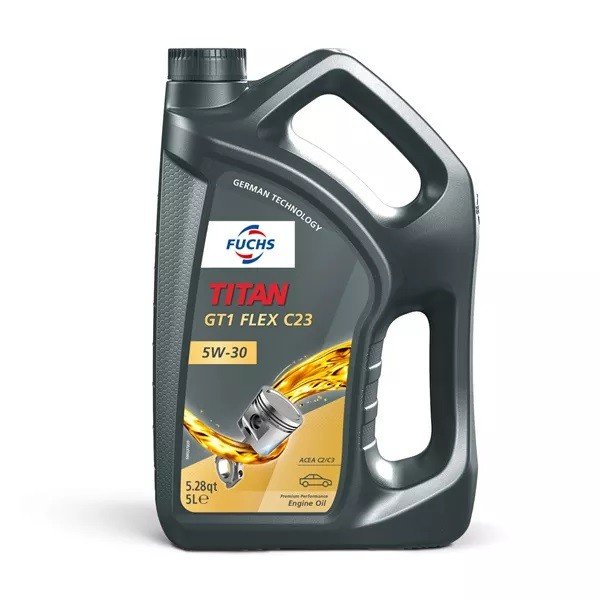
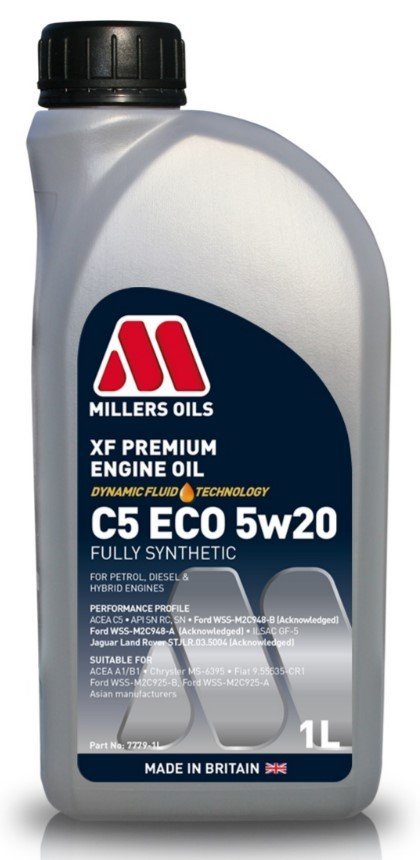
If you own a wet belt car, treat cold-start rattle as an urgent warning, keep oil changes to 8,000 miles maximum, monitor coolant levels obsessively, and never allow a garage to use unapproved oil. If you are buying used, seek a mid-2018 or later build date and verify the timing system before committing. Ford Castrol Magnatec Professional E 5W-20 remains the safest default for either variant, with Mobil 1 ESP x2, Fuchs Titan GT1 Pro V, and Millers Oils XF Premium as fully approved alternatives. The £30-50 per year spent on correct oil is trivial insurance against a failure that will cost the engine entirely.
Our Top Picks
As an Amazon Associate, we may earn from qualifying purchases. This doesn't affect our recommendations — we only suggest oils that hold the exact OEM approval for your engine.