 Oil-
Oil-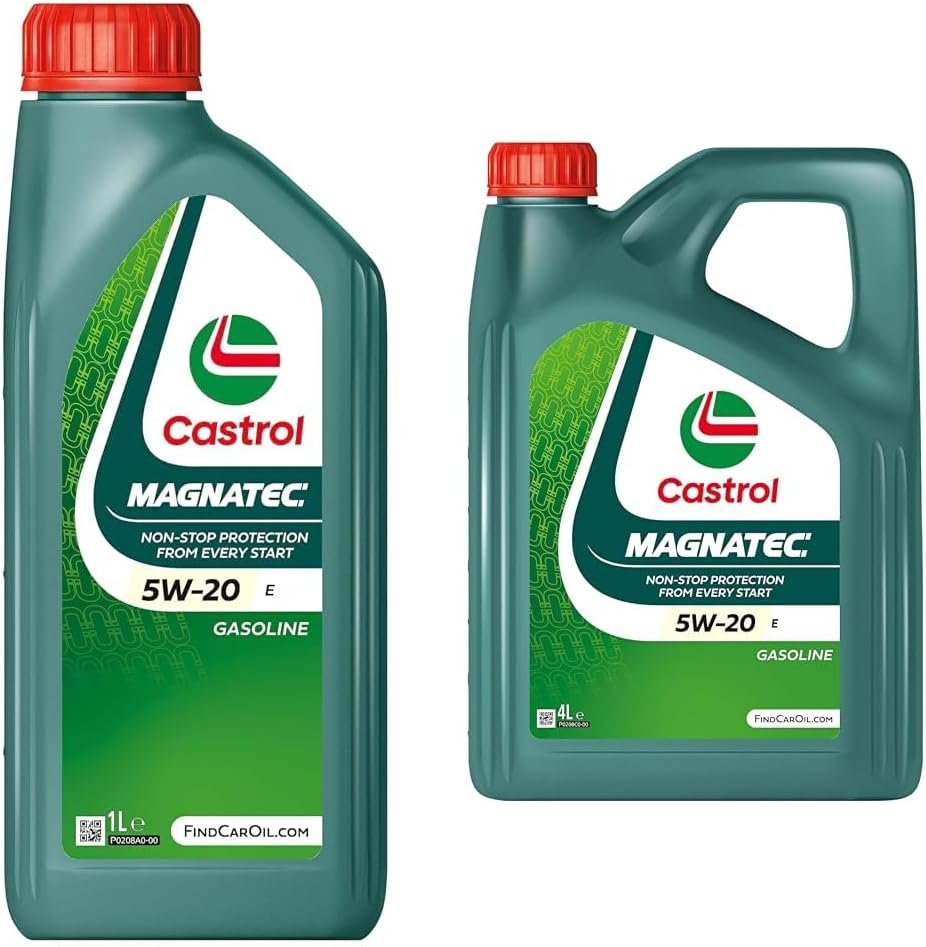
As an Amazon Associate, we may earn from qualifying purchases. This doesn't affect our recommendations — we only suggest oils that hold the exact OEM approval for your engine.
Best Engine Oil for Ford Fiesta ST Mk8 1.5 EcoBoost (200 hp)
The Ford Fiesta ST Mk8 occupies a unique position in the hot hatch world: a three-cylinder turbocharged engine producing 200 hp, wrapped in a compact, driver-focused chassis. Launched in 2018, the Mk8 ST brought a significant step up in power and technology over its predecessor, introducing Ford’s 1.5-litre three-cylinder EcoBoost unit (code YZJA) as a replacement for the outgoing 1.6-litre four-cylinder. That shift to a triple-cylinder configuration might raise eyebrows, but it produces a punchy, rev-happy character that enthusiast owners have come to appreciate. Getting the engine oil right is not a luxury — it’s essential to keep the cylinder deactivation system functioning correctly, protect against the thermal stress of hard driving, and avoid the coolant and oil-related issues that have affected a subset of these cars.
Quick Answer: Recommended Oil
For the Ford Fiesta ST Mk8 1.5 EcoBoost (YZJA), Ford mandates:
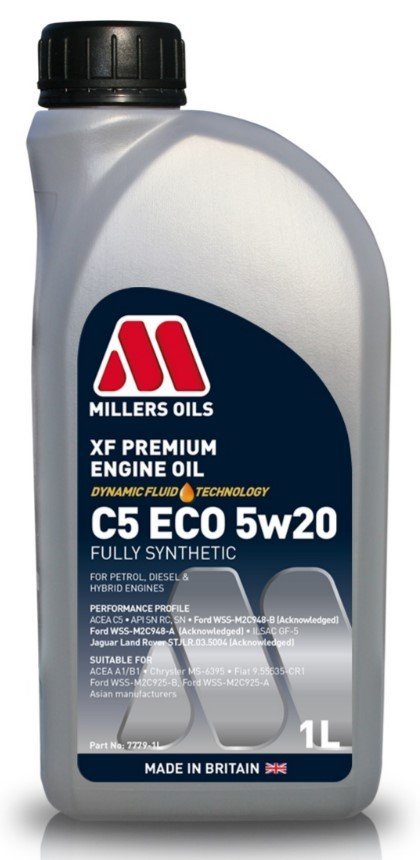
- Primary specification: 5W-20, meeting Ford WSS-M2C948-B and ACEA C5
- Alternative viscosity: 0W-20 (same specification, suitable for colder climates)
- Oil capacity (with filter change): 4.75 litres
- Oil capacity (without filter): 4.5 litres
Always verify the specification label on the bottle matches WSS-M2C948-B before purchase. ACEA C5 oils are low-SAPS (low sulphated ash, phosphorus and sulphur) formulations designed to protect the Gasoline Particulate Filter (GPF) fitted to Euro 6d-compliant versions of this engine. Using a higher-SAPS oil risks blocking the GPF and triggering warning lights over time.
The YZJA 1.5 EcoBoost Engine
The 1.5-litre three-cylinder EcoBoost (YZJA) is a genuinely impressive piece of engineering, even if it sounds unconventional for a hot hatch application. Displacing 1,497 cc across three cylinders, it produces 200 hp at 6,000 rpm and 290 Nm of torque between 1,600 and 4,000 rpm — figures that make the Fiesta ST exceptionally fast in urban driving conditions.
One of the engine’s standout technologies is Cylinder Deactivation (CDA), which Ford calls “cylinder cutoff.” Under light loads — steady motorway cruising, gentle acceleration — the middle cylinder is deactivated, reducing the effective engine to a 1.0-litre twin. The valves close, fuel injection stops, and the engine runs asymmetrically to cut fuel consumption. The transition is largely imperceptible in everyday driving, though some owners notice a subtle vibration change. Critically, the CDA system depends on clean, correctly specified oil to operate its deactivation actuators reliably. Using the wrong oil viscosity or a high-SAPS lubricant can cause the actuators to stick or respond sluggishly.
The engine uses a chain-driven cam, which is a positive feature for long-term reliability — it eliminates the timing belt service interval that affected the earlier 1.6-litre ST. Induction is handled by twin-scroll turbocharging, with a charge air cooler keeping intake temperatures in check during sustained performance driving. Euro 6d versions of the engine are fitted with a Gasoline Particulate Filter (GPF), making the ACEA C5 / WSS-M2C948-B specification non-negotiable on these cars.
Understanding Ford WSS-M2C948-B
Ford’s WSS-M2C948-B specification is the successor to the earlier WSS-M2C913-series standards. It sets strict requirements for low-viscosity, low-SAPS engine oils designed around the fuel economy and emissions demands of modern Ford turbocharged petrol engines. Key characteristics of an oil carrying this approval:
- Low SAPS formulation: sulphated ash below 0.5%, phosphorus and sulphur within tight limits — critical for GPF compatibility
- Low viscosity: 5W-20 or 0W-20 HTHS (High-Temperature High-Shear) viscosity aligned with ACEA C5 requirements
- Fuel economy performance: the specification includes a fuel economy test to confirm a measurable improvement over reference oils
- Thermal stability: must maintain a stable film under the high thermal loads of a boosted three-cylinder engine running 200 hp
Do not substitute a WSS-M2C913-series oil (used on older Ford EcoBoosts) for the WSS-M2C948-B — while they share a family resemblance, the 948-B standard has tighter low-SAPS limits and different HTHS viscosity requirements. Using an M2C913 oil in an YZJA engine may not adequately protect the GPF and may not meet ACEA C5 requirements.
0W-20 vs 5W-20: Both viscosities are acceptable provided they carry the WSS-M2C948-B approval. The 0W-20 flows marginally faster during cold starts in winter conditions, which is the main practical difference. For year-round UK use, 5W-20 is perfectly adequate and is what Ford fits at the factory.
Technical Specifications
| Specification | Detail |
|---|---|
| Engine code | YZJA |
| Displacement | 1,497 cc |
| Layout | Inline 3-cylinder, turbocharged |
| Bore × Stroke | 83.0 mm × 92.4 mm |
| Compression ratio | 10.0:1 |
| Power output | 200 hp (147 kW) @ 6,000 rpm |
| Torque | 290 Nm @ 1,600–4,000 rpm |
| Fuel system | Direct injection (GDI) |
| Aspiration | Twin-scroll turbocharger |
| Cam drive | Chain |
| Emissions standard | Euro 6d (GPF fitted) |
| Recommended oil viscosity | 5W-20 (0W-20 alternative) |
| Oil specification | Ford WSS-M2C948-B / ACEA C5 |
| Oil capacity with filter | 4.75 litres |
| Oil capacity without filter | 4.5 litres |
Oil Change Intervals
Ford’s official oil change interval for the Fiesta ST Mk8 is every 2 years or 18,000 miles under the Intelligent Oil-Life Monitor (IOLM) system. The IOLM calculates service intervals based on driving style, engine load and temperature cycles rather than a fixed mileage figure — so hard or frequent short-journey driving will shorten the interval.
For performance driving, track use, or spirited road driving, many experienced ST owners and independent specialists recommend shortening this to 12 months or 10,000 miles, whichever comes first. The YZJA engine runs hot under sustained boost, and a 200 hp three-cylinder is working harder per cylinder than a comparable four-cylinder. Fresh oil maintains better film strength under those conditions and reduces the risk of varnish build-up on the cylinder deactivation actuators.
Always replace the oil filter at every change. The filter housing on the YZJA is accessible from the top of the engine bay, making DIY servicing straightforward.
Common YZJA Problems Related to Oil
Coolant ingress (pre-August 2019 engines): Early YZJA units — those built before Ford’s running production change in August 2019 — can suffer from a cylinder block design issue that allows coolant to leak into the combustion chamber. This manifests as white smoke at cold starts, a dropping coolant level with no visible external leak, or sweet-smelling exhaust. If coolant contaminates the oil, the oil level rises, the lubricant takes on a milky appearance, and bearing wear accelerates rapidly. Any suspected coolant-in-oil situation requires immediate investigation and a flush of the entire lubrication system before returning the engine to service. If buying a used pre-2019 Mk8 ST, check the oil filler cap for white emulsion and confirm the block revision status with a Ford dealer.
Oil separator recall (22S21): A Ford recall (reference 22S21) was issued covering a faulty oil separator that could in rare cases create a fire risk. Any unresolved cars should have had this rectified under the recall — worth confirming on a used purchase.
Cam cover oil leaks: A proportion of YZJA engines develop minor oil leaks from the camshaft cover gasket, particularly on higher-mileage examples or where oil changes have been delayed. The cam cover on this engine runs at relatively high temperatures due to the three-cylinder’s combustion density, and the gasket can harden and shrink over time. The fix is straightforward and inexpensive, but left unattended, the leak can contaminate ancillaries below the cover.
CDA actuator sensitivity: The cylinder deactivation system relies on hydraulically operated valve actuators. These are sensitive to oil condition — degraded oil or the wrong specification can leave the actuators responding slowly, potentially causing a rougher idle during deactivation transitions. Keeping to the correct low-viscosity, low-SAPS specification is the simplest preventative measure.
Conclusion
The Ford Fiesta ST Mk8’s 1.5 EcoBoost YZJA engine is a capable and rewarding unit, but it demands respect when it comes to oil selection. Use 5W-20 (or 0W-20) meeting Ford WSS-M2C948-B and ACEA C5, fill to 4.75 litres with a filter change, and don’t stretch the interval beyond 12 months or 10,000 miles if the car sees performance use. For pre-August 2019 cars, keep a close eye on coolant levels and oil condition between services. Get these basics right and the three-cylinder hot hatch will reward you with a reliably entertaining and durable engine.
Sources:
- Rumours of significant problems with new 1.5 3-cylinder chain cam engine | Fiesta ST Forums
- Mk8 Fiesta ST reliability | PistonHeads UK
- 2018-2023 Ford Fiesta ST 1.5L EcoBoost engine problems | Motor Animal
- Ford Fiesta ST Mk8 Reliability | Car Checker
Our Top Picks
As an Amazon Associate, we may earn from qualifying purchases. This doesn't affect our recommendations — we only suggest oils that hold the exact OEM approval for your engine.