 Oil-
Oil-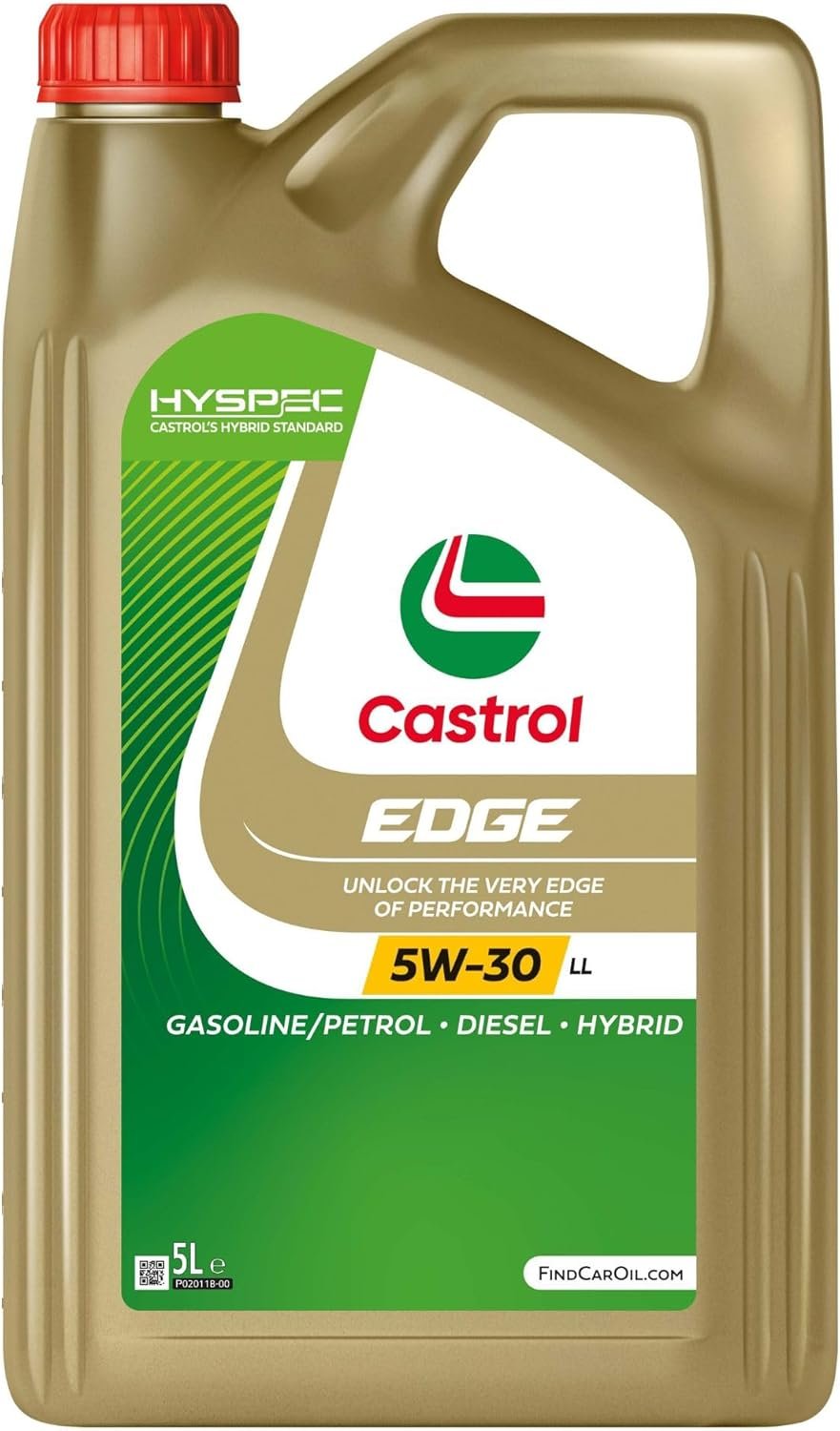
As an Amazon Associate, we may earn from qualifying purchases. This doesn't affect our recommendations — we only suggest oils that hold the exact OEM approval for your engine.
Best Engine Oil for BMW X3 F25 xDrive20d (184/190 hp)
The BMW X3 F25 is one of BMW’s most commercially important models and the car that defined the premium compact SUV segment in the UK. The xDrive20d diesel is its mainstay powertrain — available with the N47D20 engine from the 2010 launch and updated to the quieter and more efficient B47D20 from 2014. Both deliver the combination of performance, efficiency, and all-weather traction that makes the X3 such a compelling proposition in the UK market.
However, the N47D20 in particular carries a significant and well-documented engineering issue — timing chain failure — that is directly influenced by oil maintenance. Getting the oil specification and change interval right on the F25 20d is not merely a best practice; for the N47, it is the single most important maintenance decision you can make.
Quick Answer: Recommended Oil
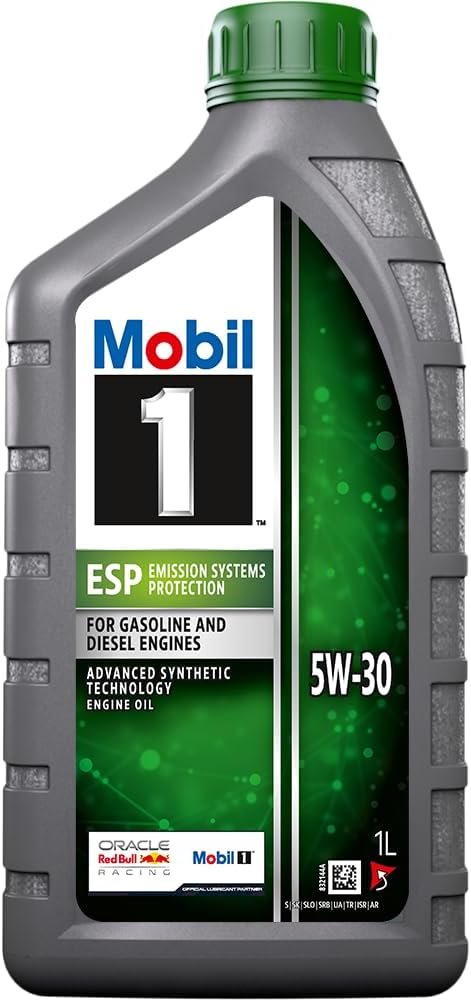
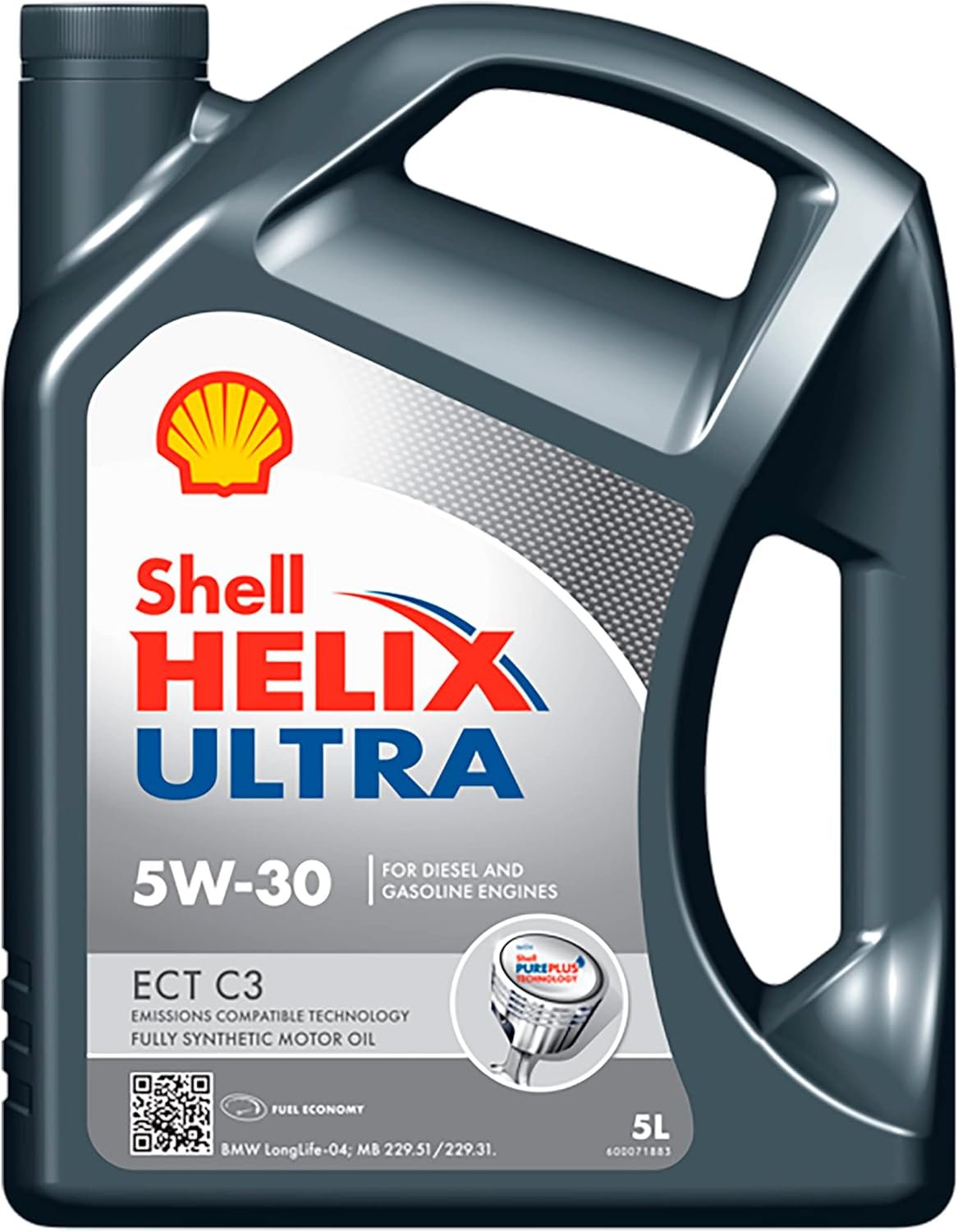
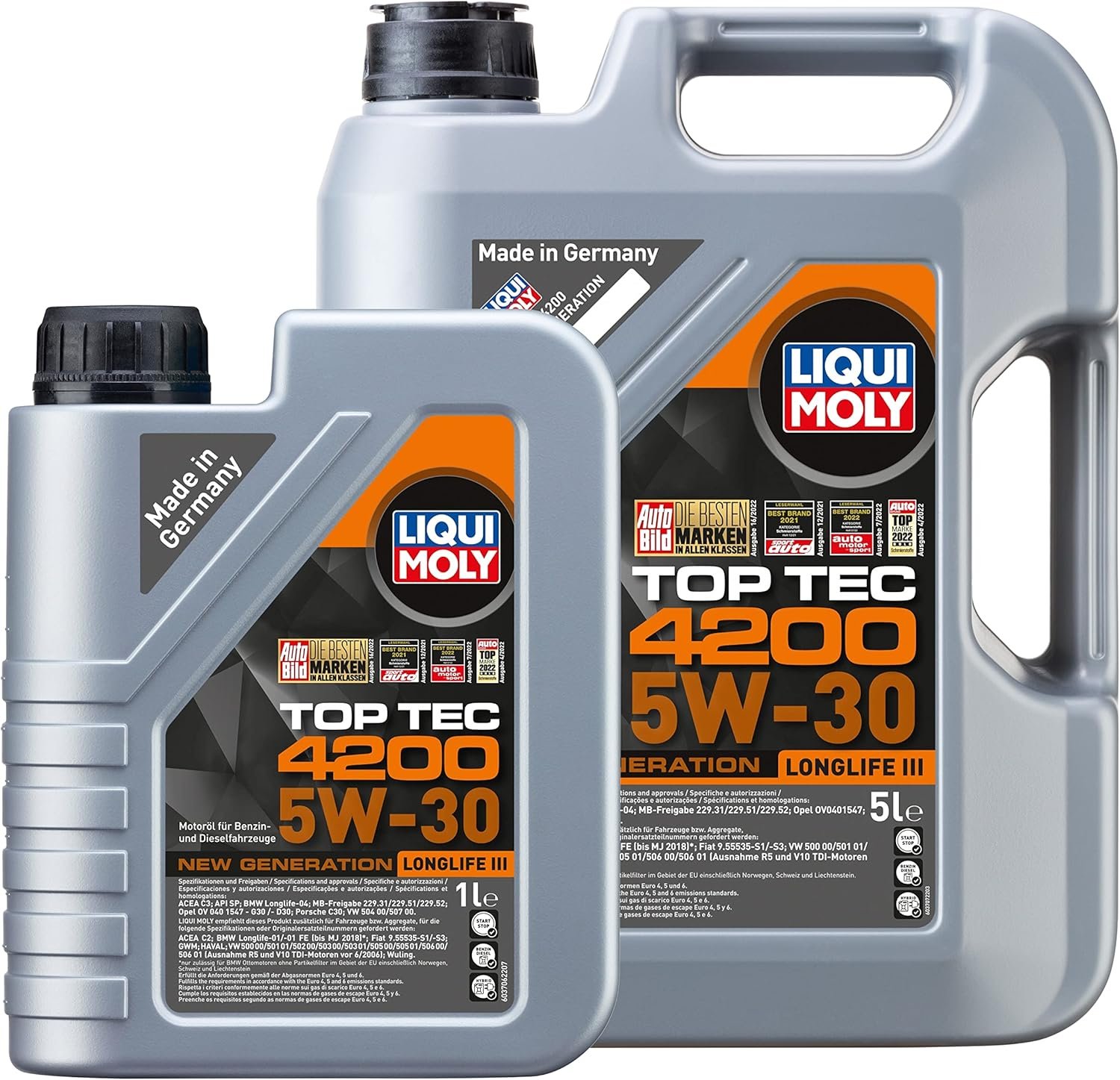
- Specification: BMW Longlife-04 (LL-04), ACEA C3
- Primary viscosity: 5W-30
- Alternative viscosity: 0W-30 (approved, particularly suitable for cold starts)
- Capacity with filter change: 5.25 litres
- Capacity without filter change: 5.0 litres
BMW Longlife-04 is mandatory for both the N47D20 and B47D20 engines. LL-04 is a Low SAPS specification requiring ACEA C3 minimum chemistry, formulated to protect BMW’s diesel particulate filters (DPF) and turbocharged diesel architecture. Using a non-LL-04 oil — even a generic ACEA C3 product without the specific BMW approval — voids BMW’s position on warranty claims and has not been validated for these engines’ specific chemistry requirements.
The N47D20 and B47D20 Engines
N47D20 (2010–2014): The N47 is a 1,995cc inline-four diesel developed by BMW and shared across the 1 Series, 3 Series, X1, and X3 platforms. In the X3 application (xDrive20d), it produces 184 hp and 380 Nm of torque via a variable geometry turbocharger and piezo-electric common rail injection at up to 1,800 bar. The N47 introduced BMW’s new diesel architecture featuring a dual-mass flywheel, balancer shaft, and rear-mounted timing chain — the last feature being the source of the engine’s most famous problem.
B47D20 (2014–2017): The B47 is the N47’s successor in BMW’s modular B-series engine family. It shares the same displacement and basic architecture but with a redesigned combustion chamber, improved turbocharger aerodynamics, revised emission control strategy, and — crucially — a timing chain moved to a more conventional front-of-engine mounting. The B47 produces 190 hp in most X3 applications and is significantly quieter than the N47 at idle. The B47 largely resolved the timing chain issue that plagued the N47.
Understanding BMW Longlife-04
BMW’s Longlife specification hierarchy manages oil requirements across a broad engine portfolio. For the F25 20d, LL-04 is the only approved specification.
| BMW Spec | ACEA | Grade | Applies to |
|---|---|---|---|
| BMW LL-04 | C3 | 5W-30 | N47D20, B47D20, all modern BMW diesels |
| BMW LL-01 | A3/B4 | 5W-30 | Older petrol engines |
| BMW LL-01 FE | A5/B5 | 0W-30 | Some petrol/economy applications |
| BMW LL-17 FE+ | C5 | 0W-20 | Newest BMW petrol (B48 etc.) |
LL-04 chemistry: LL-04 requires Low SAPS formulation — sulphated ash below 0.8%, phosphorus below 0.08%, sulphur below 0.3%. These limits protect the DPF in the F25 20d, which is mounted downstream of the diesel oxidation catalyst in the exhaust system. High-ash conventional diesel oil (such as old-spec 5W-40 meeting API CF or ACEA A3/B4) would progressively contaminate the DPF with non-regenerable ash.
ACEA C3 versus C2: BMW LL-04 requires ACEA C3, not C2. C3 specifies a minimum HTHS (High Temperature High Shear) viscosity of 3.5 mPa·s — higher than C2’s 2.9 mPa·s. For the N47 and B47’s turbocharged diesel bearing assemblies operating at high exhaust temperatures, the thicker film at temperature in C3 is important. Do not use C2-rated oil in the X3 20d.
Products meeting LL-04: All major brands produce LL-04-approved 5W-30 oils. Look for the specific “BMW Longlife-04” or “BMW LL-04” designation on the label or the manufacturer’s product page — not just “meets ACEA C3.” BMW’s website maintains a current approved oil list if you want to verify a specific product.
Technical Specifications
| Parameter | N47D20 | B47D20 |
|---|---|---|
| Displacement | 1,995 cc | 1,995 cc |
| Configuration | Inline-4, longitudinal | Inline-4, longitudinal |
| Bore × Stroke | 84.0 × 90.0 mm | 84.0 × 90.0 mm |
| Compression ratio | 16.0:1 | 16.5:1 |
| Power | 184 hp @ 4,000 rpm | 190 hp @ 4,000 rpm |
| Torque | 380 Nm @ 1,750–2,500 rpm | 400 Nm @ 1,750–2,500 rpm |
| Aspiration | Single VGT turbocharger | Single VGT turbocharger (revised) |
| Fuel system | Piezo common rail, 1,800 bar | Piezo common rail, 2,000 bar |
| Timing chain | Rear-mounted | Front-mounted |
| Emissions | Euro 5 | Euro 6 |
| Oil specification | BMW LL-04 | BMW LL-04 |
| Viscosity | 5W-30 | 5W-30 |
| Oil capacity (with filter) | 5.25 litres | 5.25 litres |
Oil Change Intervals
BMW’s Condition Based Service (CBS) system calculates the oil change interval dynamically based on engine temperature history, driving load, mileage, and fuel consumption data. For the X3 20d, the CBS system may extend the interval to 30,000 km (approximately 18,600 miles) or 24 months.
For the B47D20, following the CBS indicator is acceptable under predominantly motorway use. However, for the N47D20, BMW’s extended interval has generated significant criticism, and the timing chain problem is partly attributed to degraded oil at long intervals.
The oil-timing chain relationship in the N47: The N47’s rear-mounted timing chain is lubricated by oil returning from the cylinder head — oil that has already passed through the entire upper engine before reaching the chain. When oil degrades mid-interval, the chain lubrication is the last system to receive adequately fresh oil. Chain elongation and tensioner failure correlate with extended oil intervals in owner and specialist data. The independent BMW and X3 specialist community consistently recommends:
- 10,000 miles or 12 months maximum for N47D20-equipped X3s (pre-2014)
- 12,000–15,000 miles or 12 months for B47D20 (post-2014)
These intervals are shorter than the CBS maximum and represent the practical consensus for keeping the N47’s timing chain alive.
Why Correct Oil Matters: The N47 Timing Chain Issue
The N47D20’s rear-mounted timing chain is the most well-documented engine problem in the BMW X3 F25 range and deserves explicit discussion in any oil guide for this engine.
What happens: The timing chain drives the camshaft sprockets at the front of the engine, but the chain itself is mounted at the rear (flywheel end) — the opposite of most automotive engines. Oil reaching the chain has already circulated through the entire engine and collected heat and contamination before reaching the chain sprockets and tensioner. When oil is at the end of its service life, the chain tensioner loses its ability to maintain proper tension. Chain elongation begins, causing the tensioner to extend beyond its designed range. Eventually the tensioner can’t keep up, chain slack causes timing inaccuracies, and in worst cases the chain snaps or jumps a tooth — causing catastrophic valve-to-piston contact on a non-interference engine… which the N47 actually is. But the cost to repair a jumped or snapped timing chain in an N47 still runs to £1,000–3,000+.
Symptoms: A rattling or chattering noise on cold start from the rear of the engine (near the flywheel/gearbox junction) that reduces as the engine warms. The rattle is the chain tensioner fighting slack in a cold, low-oil-pressure state. If you hear this noise, reduce your oil change interval immediately and have the chain inspected.
Prevention: Fresh BMW LL-04 approved 5W-30 changed at 10,000-mile intervals is the single most effective preventive measure. The chain tensioner’s hydraulic circuit depends on adequate oil pressure and viscosity to maintain tension — degraded oil at the end of a 20,000-mile interval lacks the viscosity to maintain tensioner pressure, allowing the slack.
Common Additional N47/B47 Problems Related to Oil
Diesel particulate filter blockage: Both engines are DPF-equipped, and the same principle as all modern turbocharged diesels applies: non-LL-04 (high-SAPS) oil generates ash that clogs the DPF substrate with non-regenerable material. For an X3 primarily used for urban or suburban driving without regular long runs, DPF management is a maintenance priority independent of oil choice — but correct Low SAPS oil slows the rate of ash accumulation significantly.
EGR cooler blockage: The N47 and B47 both use an EGR (exhaust gas recirculation) system with an EGR cooler that can accumulate deposits over time. Degraded oil increases blow-by contamination, which adds to EGR deposit formation. Correct oil intervals keep blow-by contamination in check.
Swirl flap failure (N47): The N47 has variable-geometry intake swirl flaps that improve combustion efficiency at low speed. The actuator mechanism can fail, causing rough idle and a limp mode warning. This is not directly oil-related, but engine health maintained by correct oil intervals keeps the overall engine in the condition where such ancillary systems are most reliable.
Conclusion
The BMW X3 F25 xDrive20d is a capable and popular SUV with two distinct engine generations — the N47D20 (2010–2014) and the updated B47D20 (2014–2017). Both require BMW Longlife-04 approved 5W-30 (ACEA C3). Oil capacity is 5.25 litres with a filter change.
For N47-equipped X3s (pre-2014), the timing chain situation makes the oil change interval more important than on almost any other common engine. Do not follow BMW’s extended CBS interval — change at 10,000 miles or annually. For the B47 (post-2014), the CBS interval is more defensible, but 12,000 miles annually remains the sensible position for mixed-use driving. Use only verified LL-04 approved oil, and the X3 20d powertrain will prove highly durable.
Sources: BMW AG N47D20 and B47D20 engine technical documentation, BMW Longlife-04 specification, NHTSA owner complaint database (N47 timing chain), UK F25 X3 specialist community forums (F25talk.com), UltimateSpecs F25 X3 20d database, Which? Car BMW X3 F25 reliability report.
Our Top Picks
As an Amazon Associate, we may earn from qualifying purchases. This doesn't affect our recommendations — we only suggest oils that hold the exact OEM approval for your engine.