 Oil-
Oil-
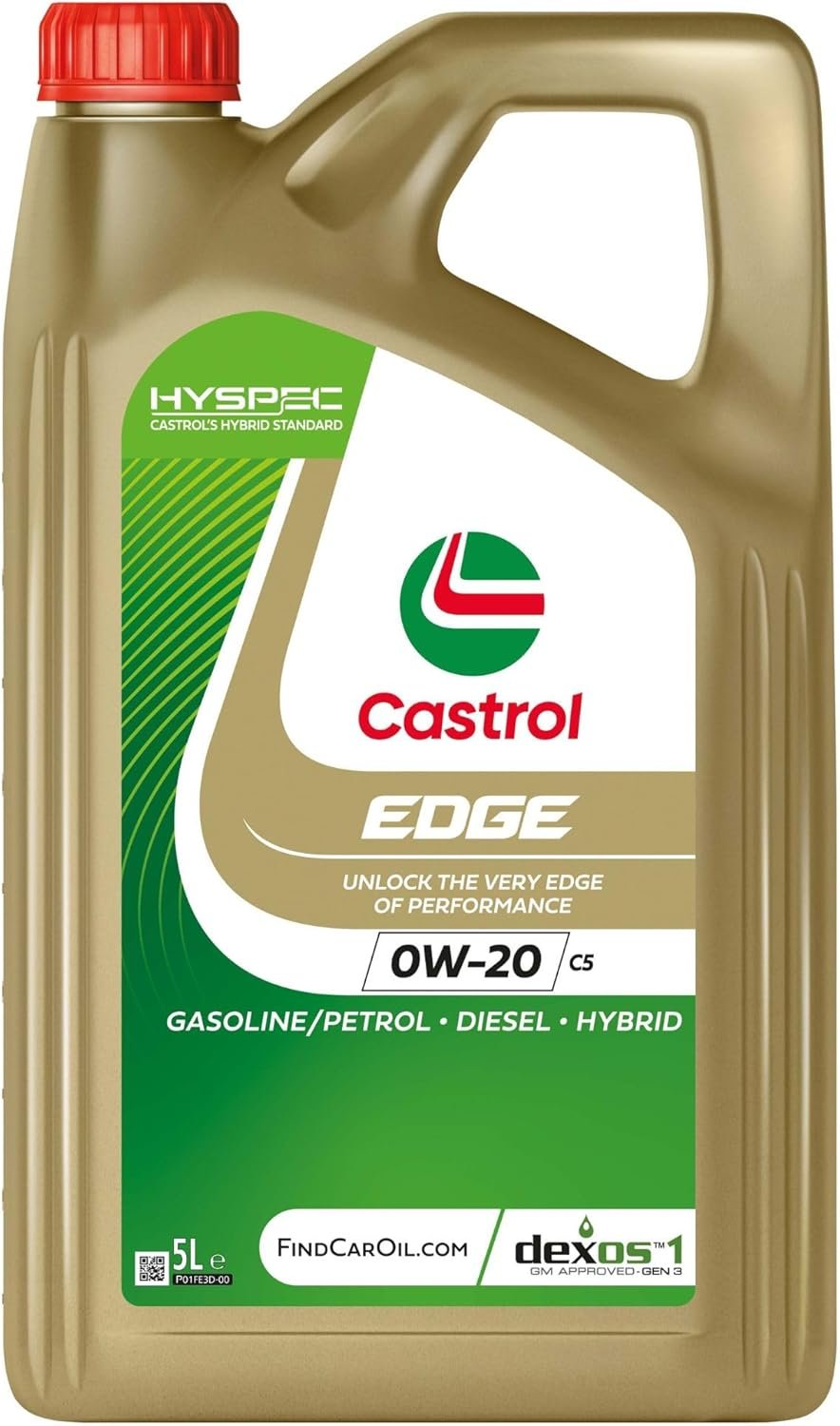
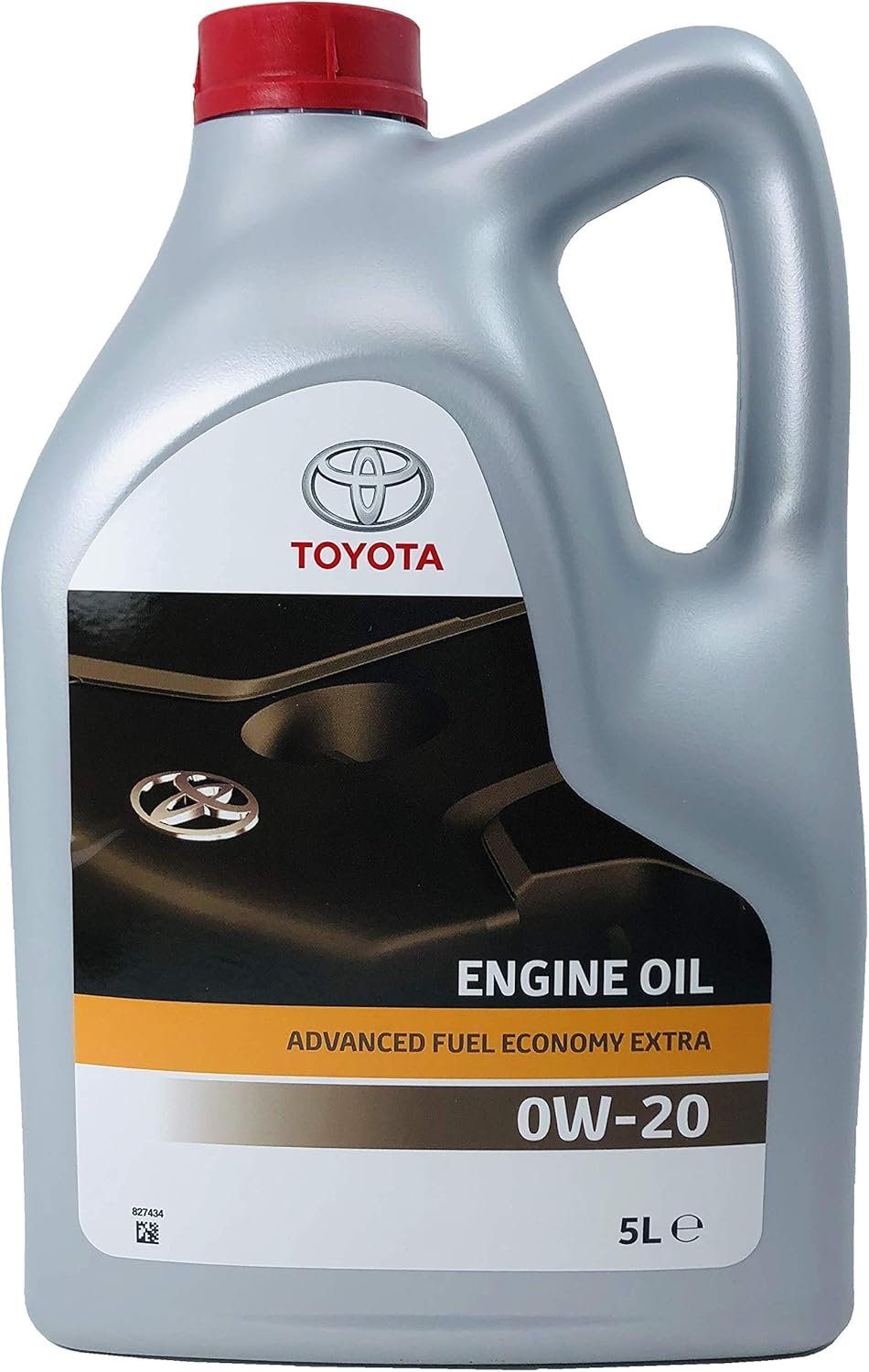
As an Amazon Associate, we may earn from qualifying purchases. This doesn't affect our recommendations — we only suggest oils that hold the exact OEM approval for your engine.
Best Engine Oil for BMW 3 Series G20 330e PHEV (292 HP) — B48B20
The BMW 330e is the plug-in hybrid variant of the G20 3 Series, combining a 2.0-litre turbocharged B48B20 petrol engine with a 12 kWh lithium-ion battery pack and an integrated electric motor to produce a combined 292 HP and 420 Nm of torque. Launched in 2019 alongside the wider G20 range, the 330e brings genuine EV capability — up to 37 miles of electric-only range in the UK specification — while retaining the performance credentials of a conventional turbocharged sports saloon. That combination is technically sophisticated and commercially successful, but it places a unique set of demands on the engine lubricant that many owners underestimate.
A plug-in hybrid petrol engine operates in circumstances that a pure combustion engine never encounters. Cold starts in sub-zero temperatures followed by an immediate switch to EV mode, short engine run cycles that never allow oil to fully warm up, and — critically — petrol fuel dilution of the sump oil are all realities for a high-mileage 330e driver. These conditions accelerate oil degradation and make the choice of specification more important here than in almost any comparable non-hybrid BMW. Using a lower-grade oil or extending service intervals beyond BMW’s guidance can cause measurable harm to this engine.
Quick Answer: Recommended Oil
- Required specification: BMW Longlife-17 FE+ (LL-17 FE+)
- Required standard: ACEA C5
- Primary viscosity: 0W-20
- Alternative viscosity: 5W-30 (only where BMW LL-17 FE+ approval is confirmed)
- Sump capacity (without filter): 4.8 litres
- Sump capacity (with filter change): 5.25 litres
BMW LL-17 FE+ is mandatory for the 330e — not interchangeable with LL-04, LL-01, or any earlier Longlife specification. The LL-17 FE+ standard was developed specifically for fuel-efficiency-focused petrol engines including PHEVs, and it defines a tighter performance band than its predecessors. Only use an oil that explicitly carries BMW LL-17 FE+ approval on the label.
The B48B20 Engine in the 330e
The B48B20 is BMW’s second-generation 2.0-litre four-cylinder turbocharged petrol engine, introduced as part of BMW’s B-series modular family. In standard form it produces 258 HP; in the 330e hybrid configuration the integrated electric motor supplements combustion output to reach the 292 HP combined figure quoted by BMW.
The engine features twin-scroll turbocharging, Valvetronic variable valve lift, Double-VANOS variable camshaft timing, high-pressure direct injection at up to 200 bar, and a closed-deck aluminium block with steel cylinder liners. Combustion efficiency was a primary design target, and the B48 achieves a thermal efficiency of approximately 37.5% under ideal conditions — competitive with the best four-cylinder petrol engines in the segment.
In the 330e, the B48 is paired with BMW’s fifth-generation eDrive system. A 113 HP electric motor sits between the engine and the eight-speed Steptronic automatic gearbox, integrated into the transmission bellhousing. This arrangement allows full electric propulsion below approximately 87 mph, electric boost during combustion operation, and regenerative braking. The 12 kWh (usable: ~9.6 kWh) high-voltage battery pack is mounted beneath the rear seat and boot floor.
The timing chain on the B48 is located at the front of the engine — a deliberate engineering decision by BMW following the serious rear-chain failures on the older N47 diesel family. The front-mounted chain is far more accessible and has proven considerably more durable in service. This does not eliminate chain wear entirely, but it removes the catastrophic failure mode that plagued the N47.
Understanding BMW LL-17 FE+ Oil Specifications
BMW introduced the Longlife-17 FE+ specification in 2017 to address the specific lubrication needs of newer, highly efficient petrol engines — including those used in plug-in hybrid applications. It corresponds to ACEA C5, the European low-viscosity, fuel-economy category for modern gasoline and mild-hybrid powertrains.
The key characteristics of BMW LL-17 FE+ oil are:
Ultra-low high-temperature, high-shear (HTHS) viscosity. ACEA C5 oils must meet an HTHS viscosity of 2.6–2.9 mPa·s at 150°C. This is lower than ACEA C3 (≥3.5 mPa·s), which means less internal friction and measurable improvements in fuel economy. For a PHEV where fuel consumption figures matter commercially and to the owner’s running costs, this is significant.
Low-SAPS chemistry. Like all modern BMW-approved oils, LL-17 FE+ is a mid or low-SAPS formulation, meaning reduced sulphated ash, phosphorus, and sulphur content. This protects the three-way catalytic converter from poisoning and reduces particulate filter loading. The 330e carries both a TWC and a petrol particulate filter (OPF) in the exhaust system; using high-SAPS oil shortens the service life of both.
Resistance to fuel dilution. BMW LL-17 FE+ oils are formulated to maintain adequate film strength even when petrol contamination lowers the viscosity of the sump oil — a critical requirement for PHEV applications where short engine run cycles are common.
Do not substitute LL-04 or LL-01. These earlier specifications use 5W-30 viscosity, ACEA C3 chemistry, and higher HTHS values. They are not approved for the 330e’s B48B20 in PHEV configuration and will not provide the fuel-dilution resistance or low-friction characteristics the engine requires.
Technical Specifications
| Parameter | Specification |
|---|---|
| Engine family | BMW B-series (B48) |
| Displacement | 1,998 cc |
| Configuration | Inline-4, turbocharged, direct injection |
| Bore × Stroke | 82.0 mm × 94.6 mm |
| Compression ratio | 11.0:1 |
| Combustion output | 258 HP (190 kW) @ 5,000–6,500 rpm |
| Combined system output | 292 HP (215 kW) |
| Peak torque (system) | 420 Nm @ 1,500–4,500 rpm |
| Fuel system | Direct injection, up to 200 bar |
| Turbocharger | Twin-scroll single turbo |
| Variable valve timing | Double-VANOS + Valvetronic |
| Electric motor | 113 HP (83 kW), integrated in transmission |
| Battery | 12 kWh lithium-ion (usable ~9.6 kWh) |
| Electric range (WLTP UK) | Up to 37 miles |
| Recommended oil | 0W-20 BMW LL-17 FE+ |
| Oil capacity (with filter) | 5.25 litres |
| Timing chain location | Front of engine |
Oil Change Intervals
BMW’s Condition Based Service (CBS) system uses oil quality and quantity sensors combined with driving pattern data to calculate service intervals dynamically. For the 330e under typical UK driving, BMW indicates intervals of up to 18,000 miles or 24 months, whichever comes first. These are upper limits based on predominantly motorway and mixed driving.
In practice, the 330e’s PHEV operating profile frequently involves more stop-start, short-trip, and cold-start cycles than BMW’s CBS algorithm is calibrated to detect with full accuracy. When the engine is cold and EV battery charge is present, the B48 may run only briefly before handing back to the electric motor. These short combustion cycles are hard on oil: unburnt fuel washes past the piston rings into the sump, diluting the oil and lowering its viscosity.
Many independent BMW technicians recommend not exceeding 12,000 miles or 12 months between oil changes on high-proportion-EV-use 330e vehicles. If you frequently commute on battery power alone and the combustion engine runs only occasionally, reducing the interval further — to 9,000 to 10,000 miles — is a reasonable precaution. The cost of an additional oil change is negligible compared to the cost of timing chain wear or turbocharger damage caused by degraded lubricant.
Always check oil level monthly, particularly if the car is used frequently in cold weather or short-trip urban conditions. The dipstick minimum and maximum marks are 1.0 litre apart; do not allow the level to drop below the minimum mark.
Common B48 Problems Related to Oil
Fuel dilution and oil thinning. This is the most important oil-related concern specific to the 330e. When the petrol engine starts cold and runs only briefly, unburnt fuel can pass the compression rings and mix with sump oil. Over time, regular short engine cycles allow petrol accumulation in the oil, thinning it below its designed viscosity. Symptoms include an unusual petrol smell from the dipstick, visible oil level rise between services, and increased oil consumption between changes. The mitigation is correct oil specification, shorter service intervals, and ensuring the engine reaches full operating temperature on longer runs at least weekly.
Oil filter housing gasket failure. The B48 shares a known weak point with many modern BMW engines: the plastic oil filter housing and its gasket can develop leaks, particularly after five or more years of thermal cycling. Symptoms include oil weeping at the front top of the engine, oil mist on nearby coolant hoses, and a slight burning smell after a run. This is a straightforward repair but should not be ignored, as ongoing oil loss will lower sump level and accelerate wear.
Valve cover gasket seepage. Minor seepage from the rocker cover gasket is common on higher-mileage B48 engines. It rarely causes immediate mechanical damage but contaminates the engine bay and, if severe, can allow oil to drip onto hot exhaust components. Inspection at each service interval is recommended.
Timing chain stretch. While far less serious than on the N47 diesel, the B48 timing chain can exhibit early stretch if oil changes are neglected or if low-quality oil was used. Classic symptoms are a cold-start rattle that clears within 10 to 15 seconds, rough idling on a cold engine, and in advanced cases an illuminated check engine light with timing-related fault codes. Correct oil specification and timely oil changes are the primary prevention.
Turbocharger wear. The twin-scroll turbocharger on the B48 relies on the engine oil supply for bearing lubrication and heat removal. Degraded or fuel-diluted oil provides inadequate protection to the turbine shaft bearings, particularly during the initial seconds after a cold start. Allowing the engine to idle briefly before demanding full boost — and never switching off immediately after sustained high-speed running — extends turbo life.
Conclusion
The BMW 330e G20 is one of the more technically demanding engines to service correctly among mainstream UK performance saloons. The combination of a turbocharged B48 petrol engine and plug-in hybrid operation creates oil degradation conditions — principally fuel dilution and frequent cold starts — that make oil specification non-negotiable. Use only BMW LL-17 FE+ approved 0W-20 oil, fill to 5.25 litres with a filter change, and do not rely solely on the CBS indicator if your driving pattern is EV-heavy. Following these principles, the B48B20 is a durable and refined engine that will deliver well over 150,000 miles of reliable service.
Our Top Picks
As an Amazon Associate, we may earn from qualifying purchases. This doesn't affect our recommendations — we only suggest oils that hold the exact OEM approval for your engine.