 Oil-
Oil-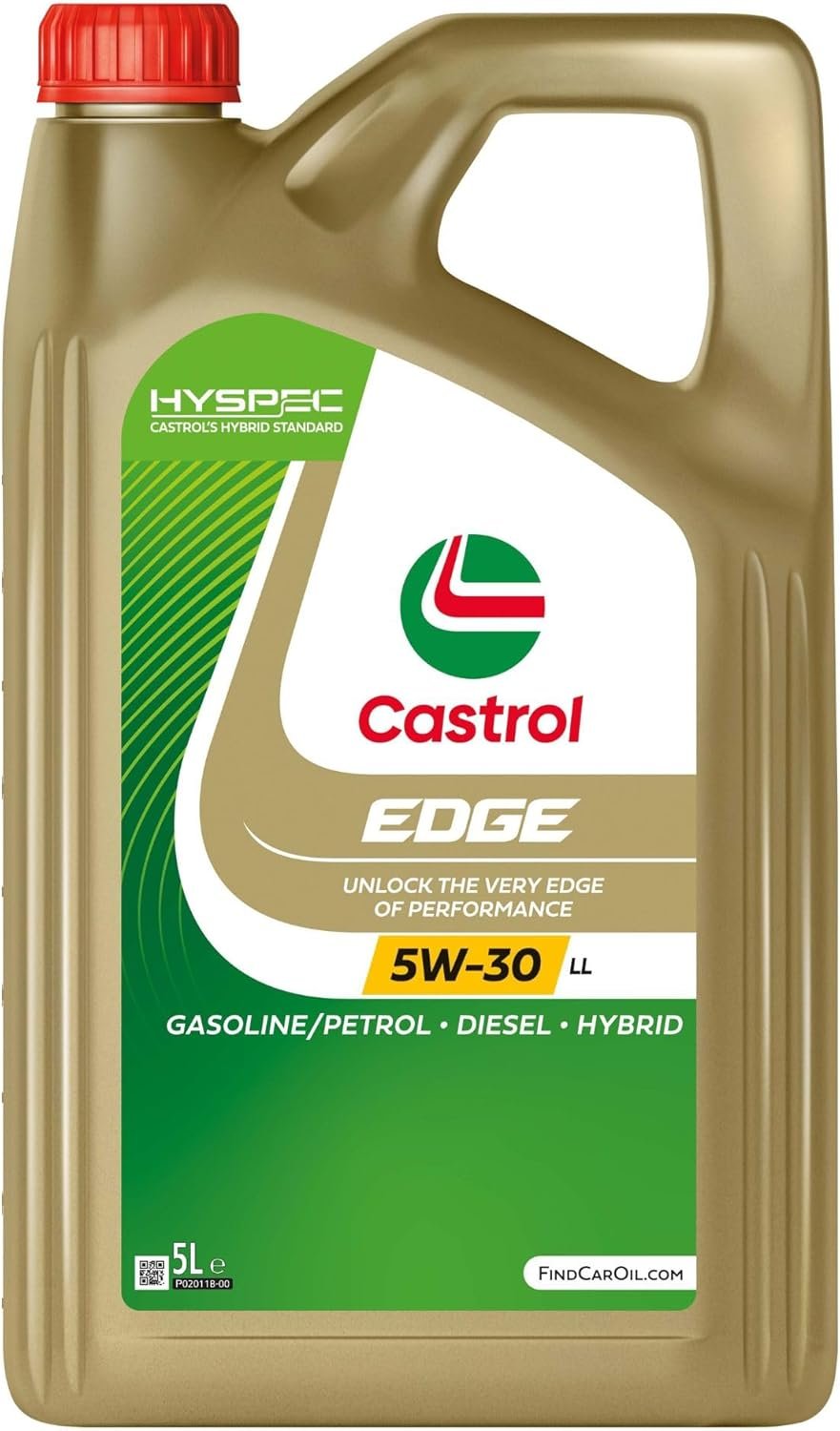
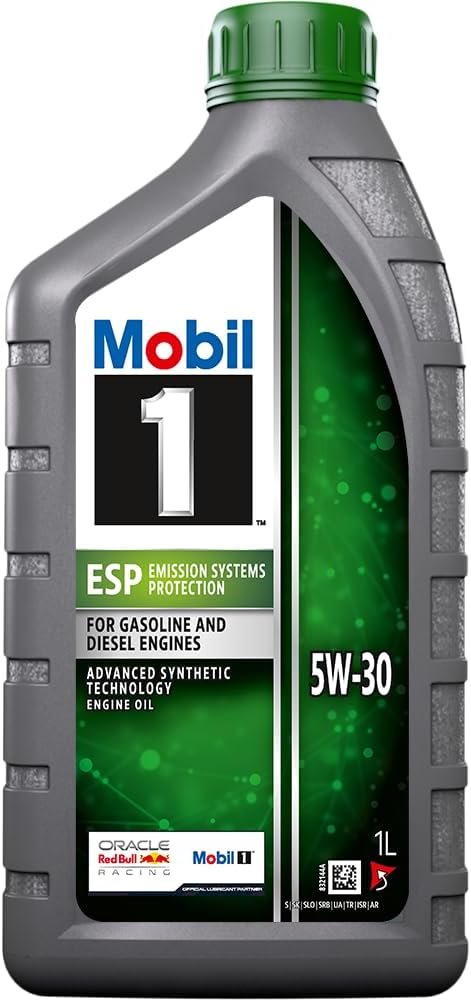
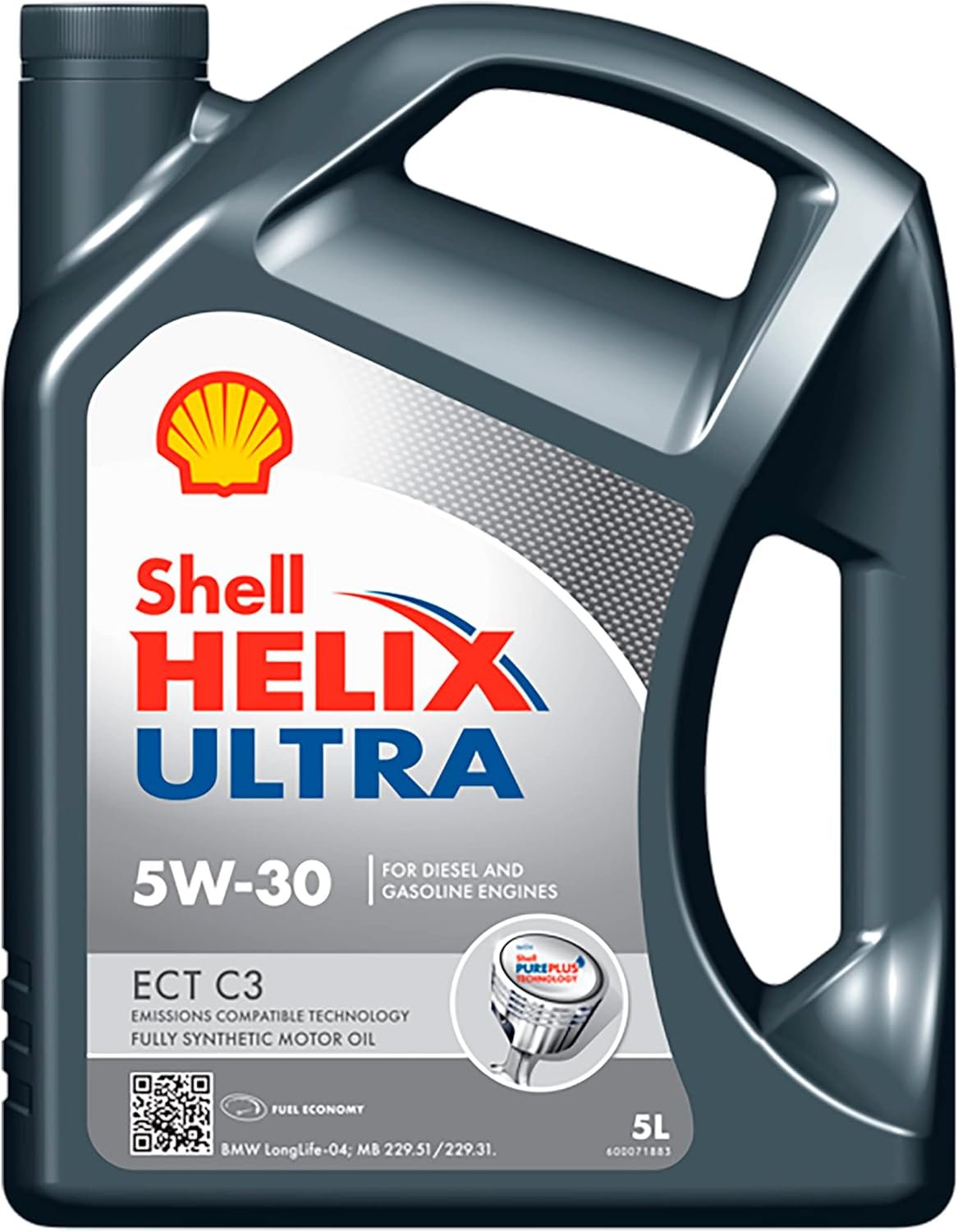
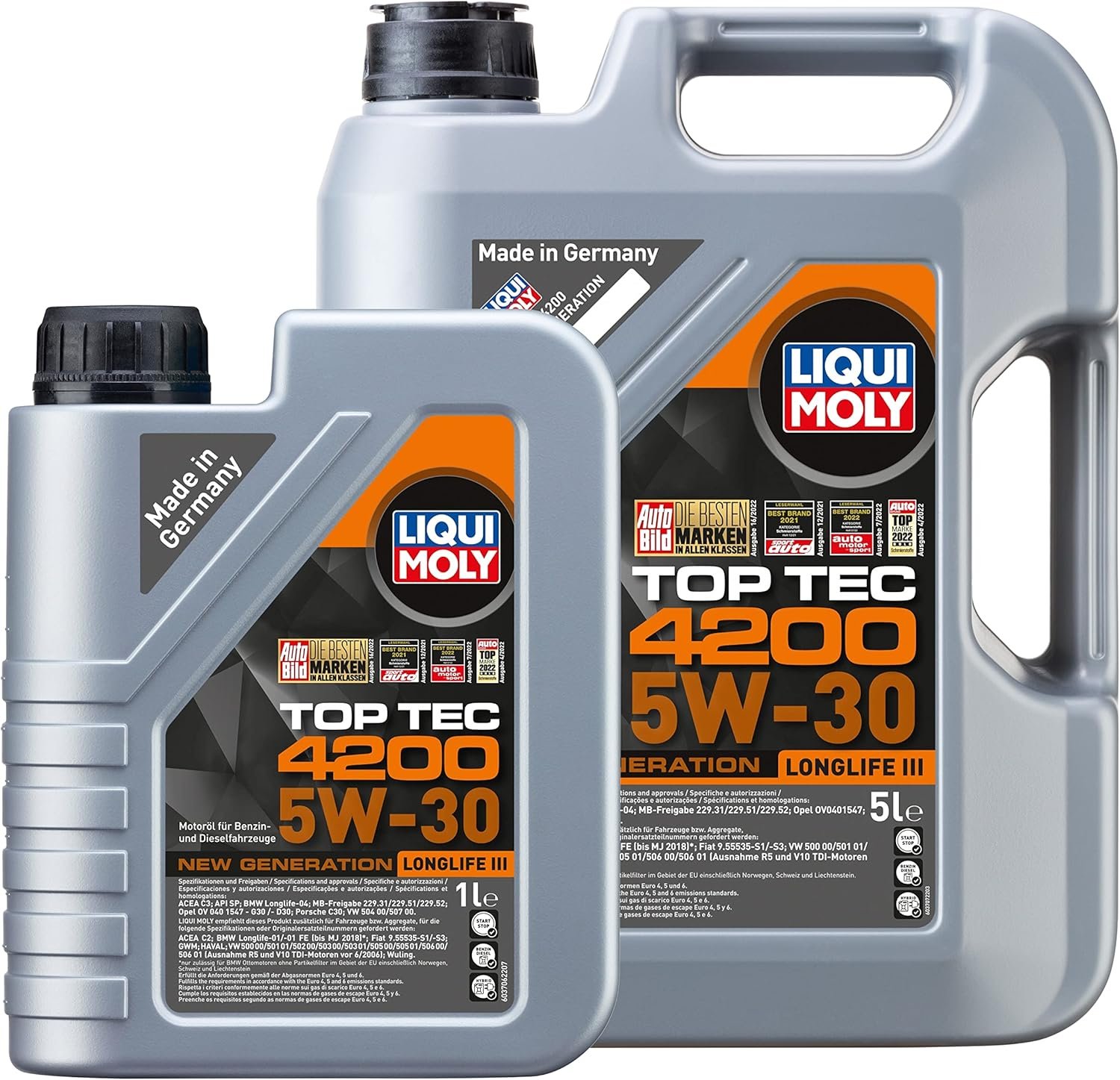
As an Amazon Associate, we may earn from qualifying purchases. This doesn't affect our recommendations — we only suggest oils that hold the exact OEM approval for your engine.
Best Engine Oil for BMW 3 Series E90 320i (150/156 hp)
The BMW E90 3 Series remains one of the best-selling premium compacts in the UK used car market, and the 320i petrol is a natural choice for drivers who want the driving character of the 3 Series without committing to a diesel powertrain. Produced from 2005 to 2012, the E90 320i covered two distinct engine generations — the N46B20B in pre-facelift form and the significantly updated N43B20A from 2007 onwards. Both are four-cylinder petrol units, but they have different oil specifications, and using the wrong grade in a modern BMW engine is more consequential than many owners realise.
BMW’s engine development prioritises tight tolerances and turbo-like engineering complexity in naturally aspirated form — the N43 in particular features stratified-charge direct injection, variable valve timing on both cams, and Valvetronic variable lift on the intake. These systems depend entirely on clean, correctly specified oil to function as designed.
Quick Answer: Recommended Oil
- N43B20A (2007–2012 facelift): BMW Longlife-04 (LL-04), 5W-30, ACEA C3
- N46B20B (2005–2007 pre-facelift): BMW Longlife-01 (LL-01), 5W-30, ACEA A3/B4
- Capacity with filter change: 4.25 litres (both engines)
- Capacity without filter change: 4.0 litres
The N43 and N46 use different BMW Longlife specifications. If you own a post-2007 facelift E90 320i with the N43B20A, use only BMW LL-04 approved oil. If you have the pre-facelift N46B20B, BMW LL-01 applies. Mixing up the two — especially putting a conventional A3/B4 oil in an N43 — causes accelerated deposit buildup in the Valvetronic mechanism and variable valve timing solenoids.
The N43B20A and N46B20B Engines
N46B20B (2005–2007): The N46 is a naturally aspirated 1,995cc four-cylinder with conventional port fuel injection, VANOS variable valve timing on the intake camshaft, and Valvetronic continuously variable valve lift. It produces 150 hp at 6,200 rpm and 200 Nm of torque. The N46 is a proven, reliable architecture shared with the E46 3 Series and E60 5 Series.
N43B20A (2007–2012): The N43 is a substantial upgrade. It adds direct injection (BMW’s third-generation FSI system running at up to 200 bar), twin VANOS (variable timing on both intake and exhaust camshafts), and a stratified-charge combustion mode for part-throttle fuel economy. The N43 produces 156 hp at 6,400 rpm and 200 Nm. It also introduced BMW’s new emissions strategy — a secondary air injection system, Three-Way Catalyst, and particulate strategies that collectively deliver Euro 4 and Euro 5 compliance.
The N43’s direct injection and stratified-charge operation produce higher peak combustion temperatures and pressures than the N46’s port injection. This demands oil with greater oxidation stability and more robust film strength at high temperatures — which is why BMW moved from LL-01 to LL-04 specification for the N43.
Understanding BMW Longlife Specifications
BMW developed its own oil approval system to manage the engineering demands of modern engines and extended service intervals. The two relevant specifications for the E90 320i are LL-01 and LL-04.
| Specification | ACEA | Primary Viscosity | Key Requirement | Applies to |
|---|---|---|---|---|
| BMW LL-04 | C3 | 5W-30 | Low SAPS | N43B20A (post-2007 facelift) |
| BMW LL-01 | A3/B4 | 5W-30 | Full SAPS OK | N46B20B (pre-facelift) |
| BMW LL-01 FE | A5/B5 | 0W-30 | Fuel economy | Some N46 variants |
| BMW LL-98 | A3 | 0W-40 | Premium A3 | Very early E90, pre-2005 |
LL-04 explained: BMW Longlife-04 is a Low SAPS specification requiring ACEA C3 chemistry. The “Low SAPS” restriction limits sulphated ash to protect BMW’s three-way catalysts and particulate control systems. The N43’s stratified-charge combustion produces different blow-by composition from port-injected engines, and LL-04’s chemistry is calibrated to handle this without damaging the catalyst.
LL-01 explained: BMW Longlife-01 allows higher SAPS (full SAPS) content and maps to ACEA A3/B4 chemistry. This is appropriate for the N46’s more conventional combustion, where exhaust aftertreatment is less sensitive to ash loading. Do not use LL-01 oil in the N43 — the higher ash content can impair the N43’s catalyst performance over time.
Which specification does my E90 need? The simplest check: look at the sticker under the bonnet near the oil filler cap, or check the service book. The N43 always lists LL-04; the N46 lists LL-01. If uncertain about which engine you have, the VIN’s 8th character identifies the engine family, or simply count the fuel injectors visible on the engine — the N43 has an additional direct injection rail not present on the N46.
Technical Specifications
| Parameter | N43B20A | N46B20B |
|---|---|---|
| Displacement | 1,995 cc | 1,995 cc |
| Configuration | Inline-4, longitudinal | Inline-4, longitudinal |
| Bore × Stroke | 84.0 × 90.0 mm | 84.0 × 90.0 mm |
| Compression ratio | 12.0:1 | 10.0:1 |
| Power | 156 hp @ 6,400 rpm | 150 hp @ 6,200 rpm |
| Torque | 200 Nm @ 3,600 rpm | 200 Nm @ 3,600 rpm |
| Fuel system | GDI (direct, 200 bar) | Port injection |
| Valve timing | Twin VANOS + Valvetronic | Single VANOS + Valvetronic |
| Emissions | Euro 4 / Euro 5 | Euro 4 |
| Oil spec | BMW LL-04 | BMW LL-01 |
| Viscosity | 5W-30 | 5W-30 |
| Oil capacity (with filter) | 4.25 litres | 4.25 litres |
Oil Change Intervals
BMW’s Condition Based Service (CBS) system monitors oil condition through software algorithms accounting for engine load, temperature cycles, and mileage. On the E90, the CBS oil service indicator can extend to 30,000 km (approximately 18,600 miles) under ideal conditions.
In practice, BMW’s extended intervals drew significant criticism from independent specialists and owners who found that waiting for the service light on a used E90 allowed oil to degrade to a point causing Valvetronic and VANOS sludging. The BMW community consensus, backed by oil analysis data from independent labs, recommends:
- Annual changes at 10,000–12,000 miles maximum for mixed-use driving
- 7,500-mile maximum for primarily urban or short-trip use
- Annual at minimum regardless of mileage if the car does very low mileage
The N43 is particularly sensitive because its direct injection causes higher oil contamination rates from fuel washing the cylinder walls — a structural issue with GDI engines. Short intervals protect the Valvetronic mechanism, which is hydraulically actuated by engine oil and is very sensitive to sludge.
Why Correct Oil Matters on the 320i
The E90 320i’s four-cylinder engines have several specific systems that depend on clean, correctly specified oil.
Valvetronic mechanism: Both the N43 and N46 use BMW’s Valvetronic variable valve lift system on the intake. A small electric motor adjusts a lever mechanism between the camshaft and the valve follower, varying lift from 0.18mm to 9.9mm. This mechanism operates inside the valve cover in the engine oil, and its precision tolerances — measured in microns — require clean oil that holds its viscosity. Sludge or depleted oil causes the Valvetronic servomotor to lose position accuracy, triggering rough idle and rough running. The repair is expensive: Valvetronic motor replacement is a multi-hour workshop job.
VANOS solenoids (N43): The twin VANOS solenoids on the N43 have oil feed passages only a few millimetres in diameter. If oil is contaminated or has sheared to a lower viscosity mid-interval, the solenoid response becomes sluggish, causing cam phaser lag, rough idle, and poor throttle response. VANOS solenoid replacement is a common E90 N43 maintenance item, but degraded oil greatly accelerates the problem.
Oil pressure management (N46): The N46’s oil pump is camshaft-driven at fixed ratio. Running the correct 5W-30 viscosity ensures adequate flow rates at idle and cold start. A thicker oil (e.g. 10W-40) does not flow as quickly at cold start, extending the period before full oil pressure reaches the VANOS timing circuit on the intake cam.
Common E90 320i Problems Related to Oil
N43 direct injection carbon deposits: The N43’s direct injection bypasses the intake valves with fuel, so the detergent additives in petrol never clean the intake ports or valve stems — only oil vapour from the breather system coats them. Over time, carbon builds up on the backs of the intake valves, causing rough idle, hesitation, and reduced flow. Using a high-quality fully synthetic oil with strong detergent additive packages, and not extending oil changes beyond 10,000 miles, reduces (but does not eliminate) this buildup. The definitive solution is walnut blasting the intake, a popular service item for N43-equipped BMWs over 60,000 miles.
VANOS rattle on cold start (N43): A common symptom is a tapping or rattling sound from the cam cover area on cold start that clears after 30–60 seconds. This is typically VANOS solenoid noise as oil pressure builds. Fresh, correctly specified oil reduces the duration of this symptom. If the rattle persists beyond a minute, the VANOS solenoids likely need cleaning or replacement.
Valvetronic eccentric shaft sensor: The eccentric shaft position sensor on the Valvetronic mechanism develops faults as the sensor deteriorates. While this is not directly oil-related, engines running degraded oil that has accumulated deposits on the eccentric shaft mechanism will put additional load on the sensor. Keeping oil intervals short protects the mechanical elements the sensor monitors.
Low oil level warnings: The E90 uses an oil level sensor rather than a dipstick in the conventional sense (there is a dipstick, but the sensor triggers warnings first). Both the N43 and N46 can consume small amounts of oil between services — up to 0.5L per 1,000 miles is within BMW’s specification. Keep the level between the MIN and MAX marks and do not wait for a warning light to check.
Conclusion
For the post-2007 BMW 3 Series E90 320i with the N43B20A engine, use BMW Longlife-04 approved 5W-30 oil (ACEA C3). For the pre-facelift N46B20B, use BMW Longlife-01 approved 5W-30 (ACEA A3/B4). Both engines take 4.25 litres with a filter change.
Don’t follow the CBS extended service interval on a used E90. Annual changes at 10,000 miles maximum will protect the Valvetronic mechanism and VANOS solenoids from the sludging that plagues neglected examples. An oil change costs £40–80; a Valvetronic shaft job costs ten times that. Use the right spec and change it regularly.
Sources: BMW AG Service Information — N43 and N46 engine documentation, BMW Longlife-04 and LL-01 specification sheets, UltimateSpecs E90 engine database, BimmerPost N43 engine technical forum, ACEA 2021 engine oil sequences.
Our Top Picks
As an Amazon Associate, we may earn from qualifying purchases. This doesn't affect our recommendations — we only suggest oils that hold the exact OEM approval for your engine.