 Oil-
Oil-
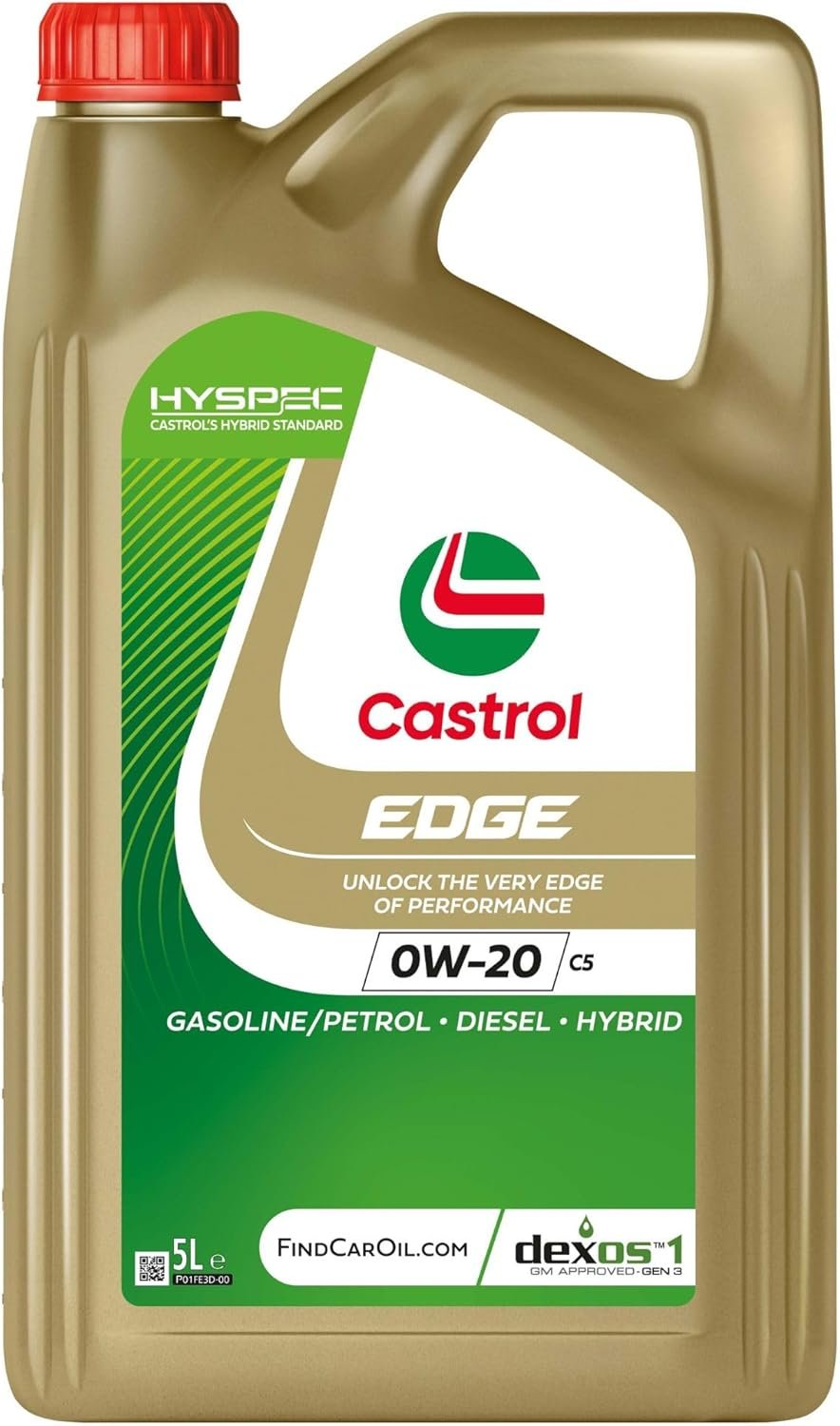
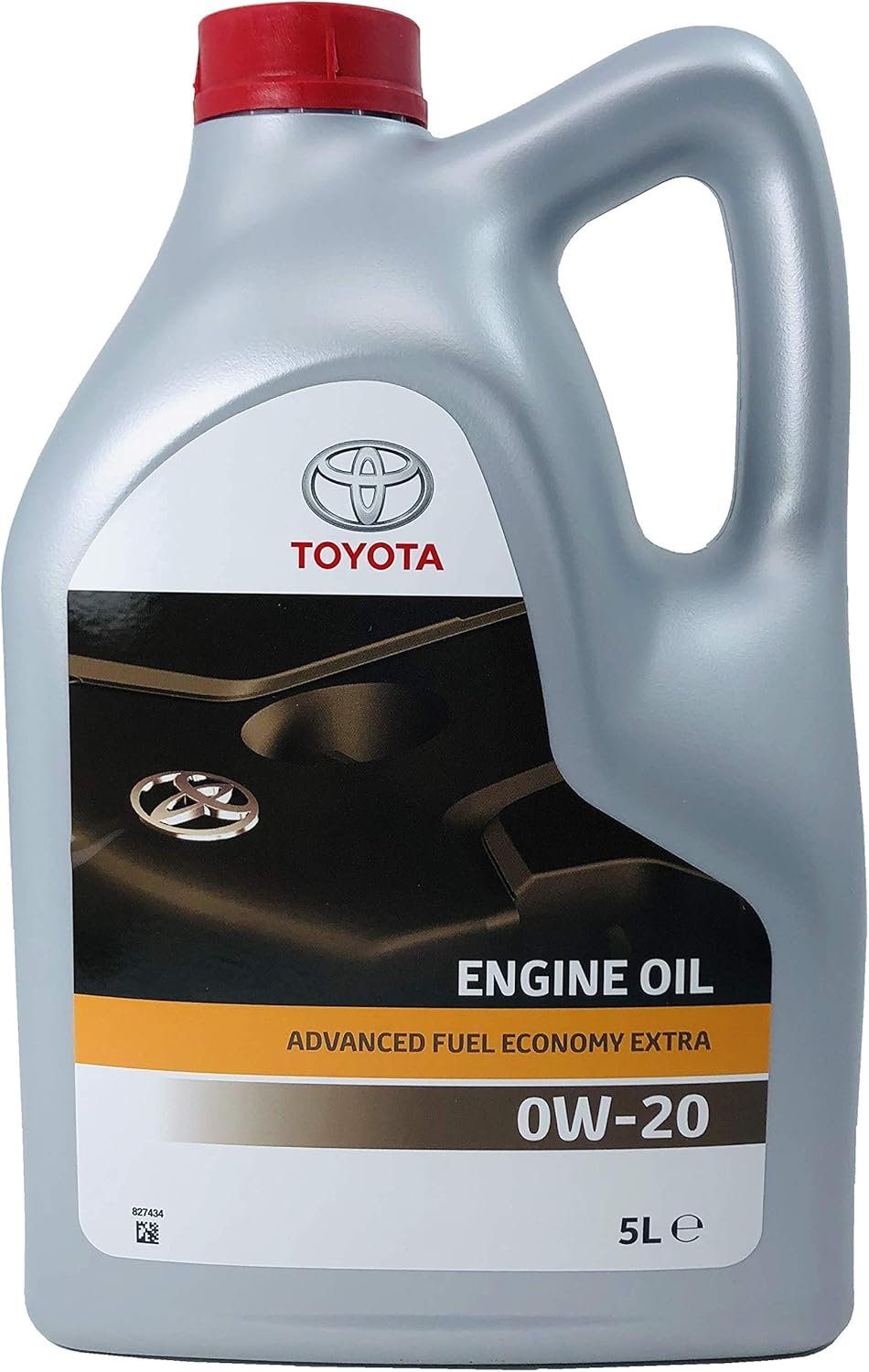
As an Amazon Associate, we may earn from qualifying purchases. This doesn't affect our recommendations — we only suggest oils that hold the exact OEM approval for your engine.
Best Engine Oil for Audi A3 8Y 2.0 TDI 150 hp (35 TDI)
The Audi A3 8Y arrived in 2020 as a clean-sheet redesign, and the 2.0 TDI beneath the bonnet is equally new in spirit. Badged 35 TDI in Audi’s power-output nomenclature, the 150 hp unit carries the DTSB engine code and belongs to the EA288 evo family — a substantially revised generation of Volkswagen Group’s long-running four-cylinder diesel architecture. It replaces earlier CR-generation units with a leaner combustion process, a twin-dosing SCR system, and tighter manufacturing tolerances that demand a very specific lubricant. Getting the oil wrong on this engine is not a minor oversight: the EA288 evo was engineered from the outset around ultra-low-viscosity 0W-20 oil, and substituting a heavier grade without meeting the right specification will compromise fuel economy, emissions compliance, and long-term hardware longevity.
Quick Answer: Recommended Oil
- Primary specification: VW 509 00, ACEA C5, 0W-20
- Alternative specification: VW 507 00, ACEA C3, 5W-30 (only if VW 509 00 is unavailable)
- Oil capacity (without filter): 5.0 litres
- Oil capacity (with filter): 5.5 litres
The EA288 Evo Engine
Volkswagen Group introduced the EA288 evo as a response to increasingly stringent Euro 6d-full emissions regulations. The DTSB variant fitted to the A3 8Y produces 150 hp at 3,500 rpm and 360 Nm of torque from 1,600 to 2,750 rpm. It uses a chain-driven camshaft, common-rail direct injection at up to 2,000 bar, and a variable-geometry turbocharger.
The standout engineering development of the evo revision is the twin-dosing SCR (Selective Catalytic Reduction) system. Where earlier EA288 units used a single SCR catalyst downstream of the DPF, the EA288 evo adds a close-coupled SCR brick directly after the turbo outlet alongside the conventional underbody SCR catalyst. This dual arrangement allows AdBlue injection to begin as soon as exhaust temperatures are high enough — within seconds of a cold start — dramatically reducing NOx slip during the warm-up phase. The system is more complex than the previous single-SCR layout but is far more effective at real-world NOx reduction, which is why the 8Y 35 TDI was one of the first diesel passenger cars to be certified under the demanding RDE (Real Driving Emissions) test cycle.
Friction reduction was another priority for the evo revision. The engine uses a low-tension piston ring pack, a roller-finger follower valvetrain, and a variable-displacement oil pump — all of which depend on low-viscosity oil to achieve their design efficiency targets.
Understanding VW 509 00 Oil Specifications
The key specification for this engine is VW 509 00, and it is not interchangeable with the older VW 507 00 norm that owners of earlier 2.0 TDI models will be familiar with.
VW 509 00 is Volkswagen Group’s specification for ultra-low-viscosity diesel engine oils aligned with ACEA C5. ACEA C5 oils are Mid-SAPS formulations with a high-temperature, high-shear (HTHS) viscosity of between 2.6 and 3.5 mPa·s — lower than the ACEA C3 oils (HTHS ≥ 3.5 mPa·s) used in older VW TDI engines. That lower HTHS value is precisely what enables the fuel consumption and emissions benefits designed into the EA288 evo; the oil offers less resistance in hot, loaded bearing conditions, allowing the engine’s internal friction-reduction measures to deliver measurable gains.
VW 507 00 is the correct specification for the older EA288 (non-evo) 2.0 TDI engines still found in many MQB-platform VW Group cars. It mandates ACEA C3 with a minimum HTHS of 3.5 mPa·s. Fitting a 507 00-approved 5W-30 oil in the EA288 evo is technically usable as a temporary alternative — VW Group acknowledges it — but it marginally increases internal friction and slightly raises fuel consumption. Always return to a VW 509 00 certified 0W-20 at the next service.
Do not use any oil not carrying VW 509 00 or, as a fallback, VW 507 00 approval. Generic ACEA C5 or C3 oils without the VW approval have not been validated against the engine’s seals, variable-displacement pump tolerances, or turbocharger bearing clearances.
Technical Specifications
| Specification | Detail |
|---|---|
| Engine family | EA288 evo |
| Engine code | DTSB |
| Displacement | 1,968 cc |
| Layout | 4-cylinder, in-line |
| Bore × Stroke | 81.0 mm × 95.5 mm |
| Compression ratio | 15.5:1 |
| Max power | 150 hp (110 kW) @ 3,500 rpm |
| Max torque | 360 Nm @ 1,600–2,750 rpm |
| Fuel system | Common-rail direct injection, up to 2,000 bar |
| Turbocharger | Variable-geometry (VGT) |
| Emissions standard | Euro 6d-full (RDE certified) |
| Emissions aftertreatment | Twin-dosing SCR + DPF + EGR |
| Oil specification | VW 509 00 / ACEA C5 |
| Recommended viscosity | 0W-20 |
| Alternative viscosity | 5W-30 (VW 507 00) |
| Oil capacity (dry/without filter) | 5.0 litres |
| Oil capacity (with filter) | 5.5 litres |
Oil Change Intervals
Audi specifies variable service intervals for the A3 8Y 2.0 TDI, managed by the ELSA oil quality sensor and the digital service indicator in the virtual cockpit. The system monitors oil temperature, driving style, mileage, and fuel dilution to calculate when the next service is due. Under manufacturer guidelines, this can stretch to 30,000 km (approximately 18,600 miles) or two years, whichever comes first.
In UK driving conditions — where a high proportion of journeys are urban or suburban — independent specialists generally recommend capping intervals at 10,000–12,000 miles or 12 months, whichever arrives first. Short, frequent journeys do not allow the engine to reach full operating temperature consistently, which accelerates fuel dilution of the oil and reduces the oil’s effective life considerably faster than the sensor system can always detect. If your usage is predominantly urban, erring on the side of more frequent changes is the pragmatic choice.
Always check the oil level with the dipstick or digital gauge every 1,000–2,000 miles. The EA288 evo’s tight tolerances and variable-displacement pump mean that operating below the minimum oil level can cause oil pressure anomalies far sooner than older, less sophisticated engines.
Why Correct Oil Matters for the EA288 Evo
The EA288 evo’s design philosophy is built around minimising internal friction, and 0W-20 VW 509 00 oil is integral to that system. The variable-displacement oil pump adjusts delivery pressure based on engine load and temperature; it is calibrated for the flow characteristics of a low-HTHS 0W-20. Using a heavier oil does not provide meaningfully better protection and actively undermines the pump’s efficiency map.
The twin-dosing SCR system also imposes indirect demands on the lubricant. Because AdBlue injection starts at very low exhaust temperatures, the engine is frequently running in a mode where DPF regeneration cycles are compressed into shorter durations. Proper oil specification ensures that any fuel entering the oil during a late, incomplete regeneration cycle does not overwhelm the lubricant’s dispersancy package before the next oil change.
Finally, the low-tension piston ring pack — an explicit friction-reduction measure — depends on an oil with adequate film strength at low viscosity. A correctly specified 0W-20 VW 509 00 oil achieves this; a generic low-viscosity oil without the approval may not.
Common EA288 Evo Problems Related to Oil
DPF clogging on short journeys. The DPF requires a regeneration cycle — typically a sustained motorway run at temperature — to burn off accumulated soot. Owners who complete predominantly urban, short-distance driving without regular longer runs report DPF warning lights and potential blockage. While this is a usage pattern issue rather than an oil-specific fault, using the correct low-SAPS VW 509 00 oil reduces soot loading of the DPF compared with higher-SAPS alternatives, making regeneration cycles more effective and less frequent.
Fuel dilution of engine oil. Late or interrupted DPF regeneration cycles can introduce diesel fuel into the sump via the cylinder walls. The oil level may appear to rise on the dipstick, while simultaneously the oil’s viscosity and lubricating properties are degraded. This is one reason independent specialists advise against stretching to the full manufacturer-specified interval in primarily urban use. Regular oil level checks will flag unusual level increases that warrant an early oil change.
EGR valve fouling. The EGR (Exhaust Gas Recirculation) system on the EA288 evo recirculates exhaust gas to reduce combustion temperatures and NOx production. Carbon deposits can accumulate on the EGR valve, particularly in short-trip usage, causing rough idle, hesitation on acceleration, and occasional fault codes. While not directly oil-related, sticky EGR operation combined with oil contamination accelerates intake deposit build-up.
AdBlue consumption. The twin-dosing SCR system consumes AdBlue at a higher rate than single-SCR predecessors. UK owners should monitor the AdBlue level alongside engine oil. Running out of AdBlue will eventually prevent the engine from starting (after several warning stages), so it is worth checking the level at every service or every 10,000 miles.
Conclusion
The Audi A3 8Y 2.0 TDI is a technically accomplished diesel engine with real-world emissions credentials that its predecessors lacked. Keeping it in good condition starts with the right oil: VW 509 00 approved, ACEA C5, 0W-20. Fill to 5.5 litres with a new filter, keep to realistic service intervals given UK driving patterns, and monitor AdBlue levels alongside your engine oil. The EA288 evo rewards careful maintenance with impressive refinement and efficiency — cut corners on lubricant specification and you risk undermining the very technologies that make it worth owning.
Our Top Picks
As an Amazon Associate, we may earn from qualifying purchases. This doesn't affect our recommendations — we only suggest oils that hold the exact OEM approval for your engine.