 Oil-
Oil-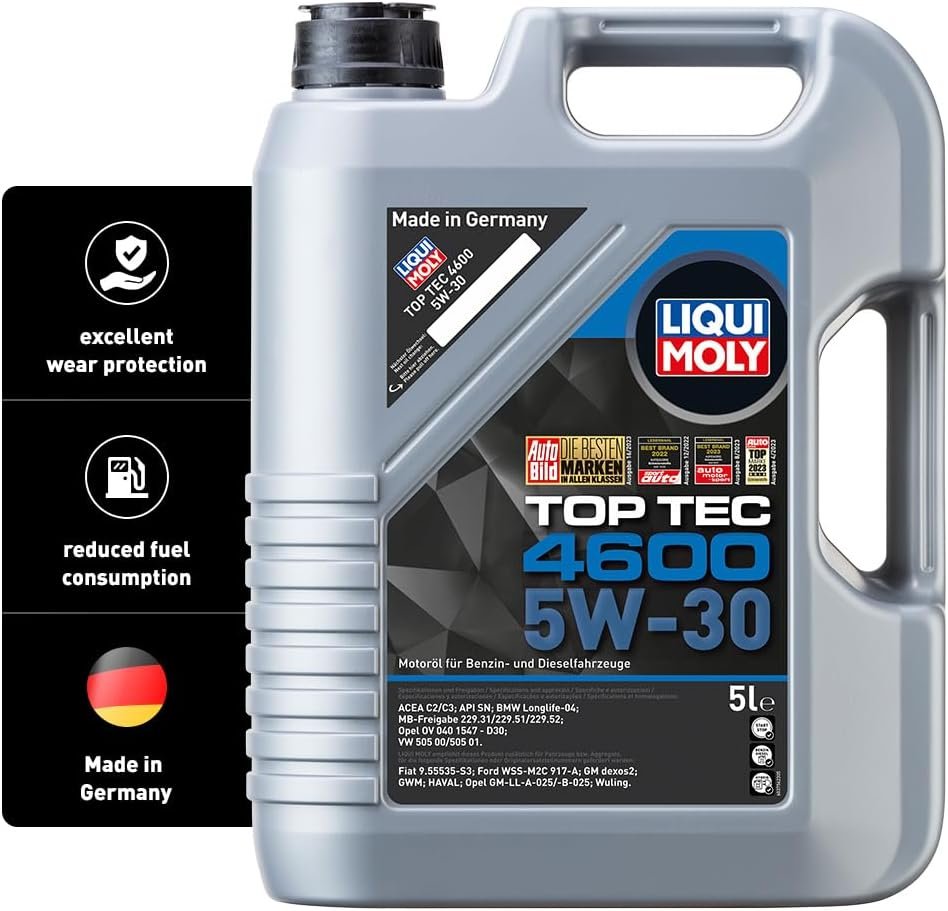
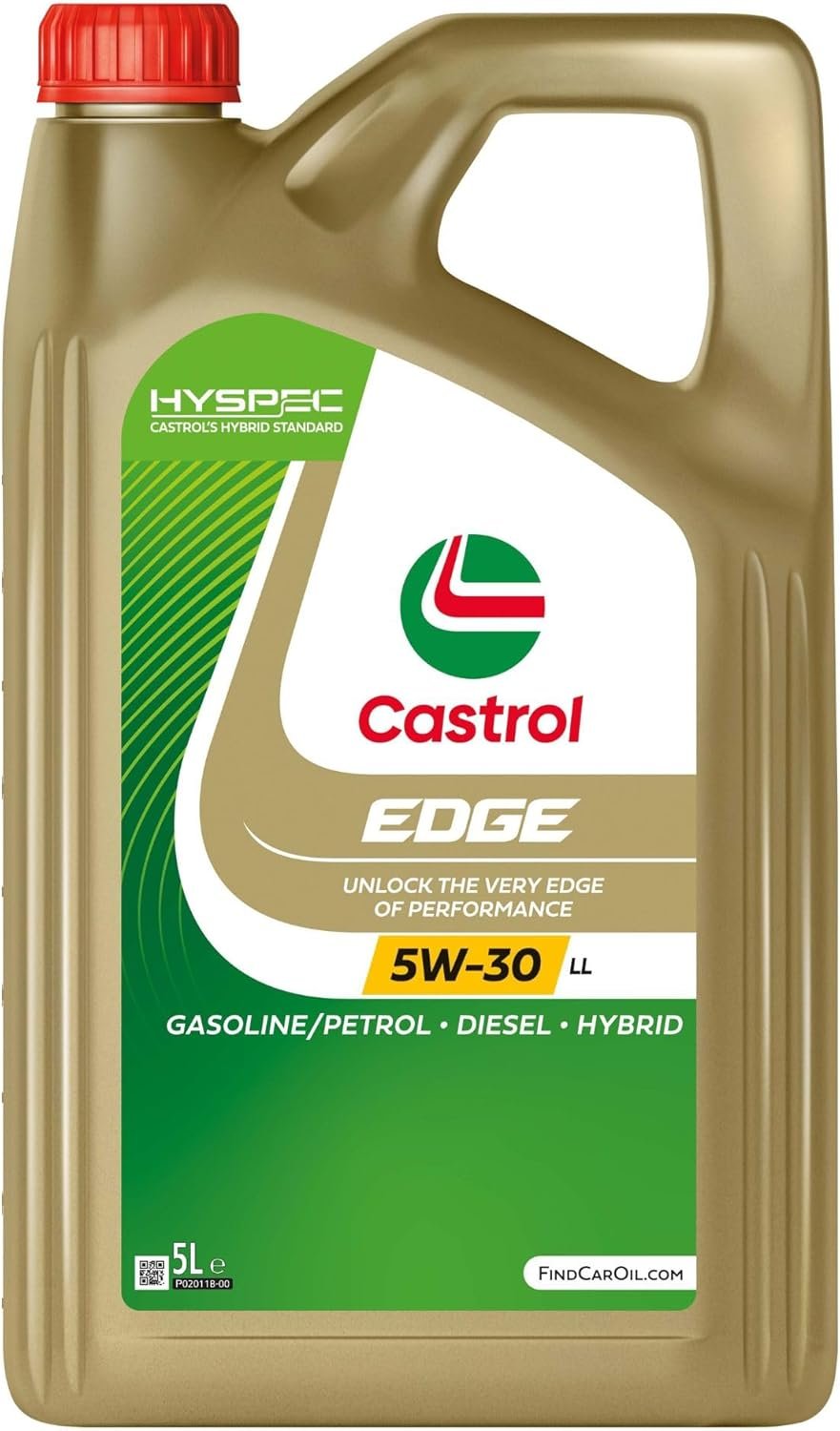
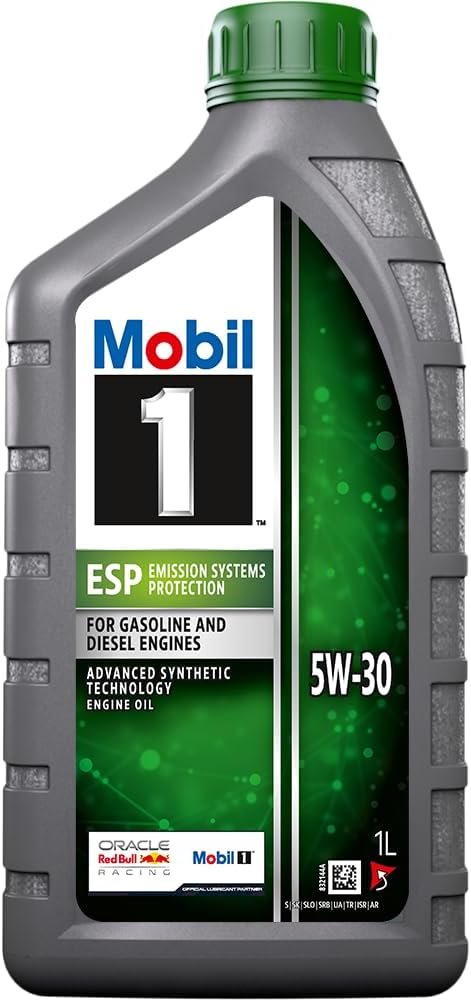
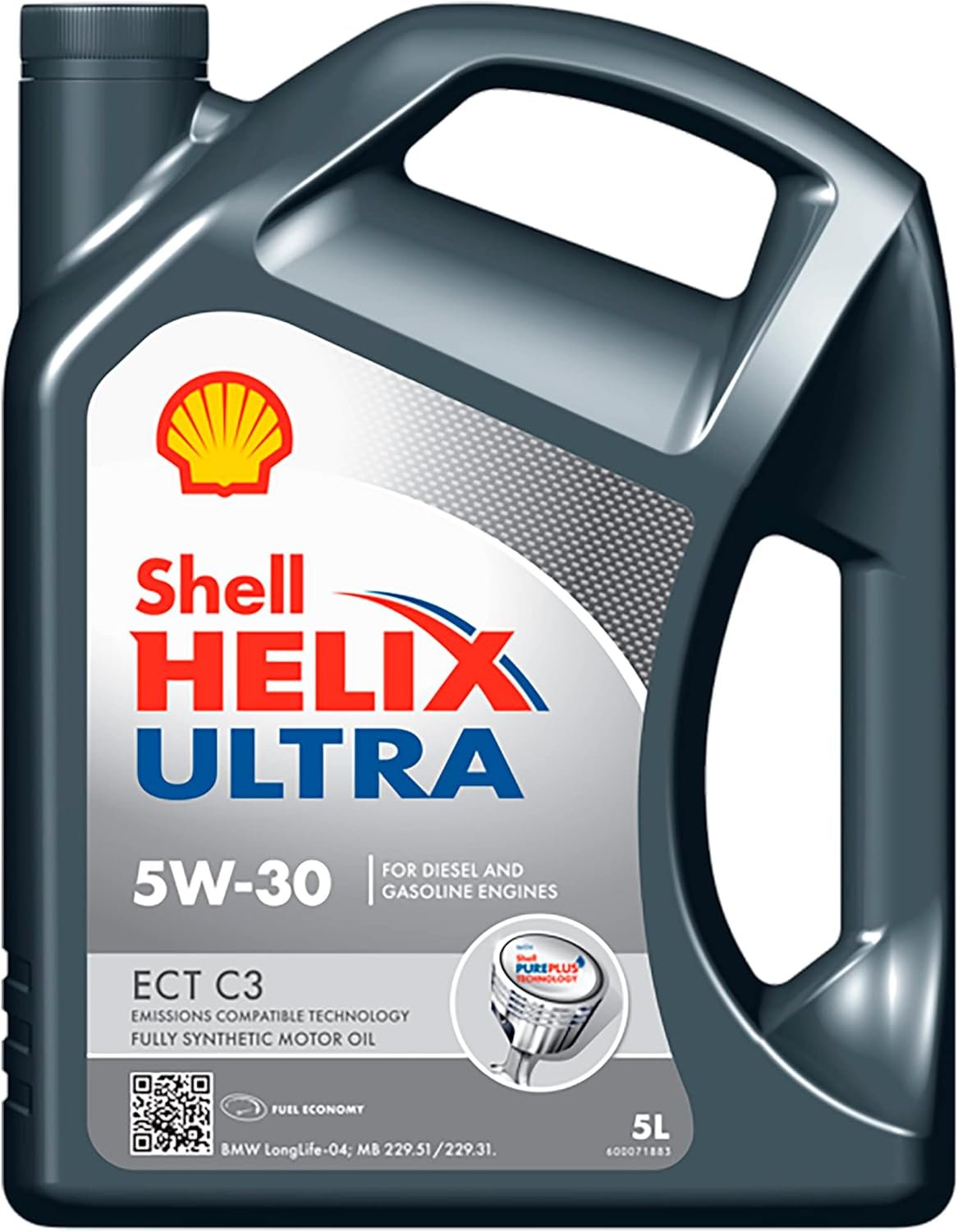
As an Amazon Associate, we may earn from qualifying purchases. This doesn't affect our recommendations — we only suggest oils that hold the exact OEM approval for your engine.
Best Engine Oil for Vauxhall Insignia B 2.0 CDTi (170 HP)
The Vauxhall Insignia Grand Sport and Sports Tourer arrived in 2017 as a dramatically lighter, sharper-looking replacement for the original Insignia. Its 2.0 CDTi diesel, carrying the B20DTH engine code, is a 170 HP four-cylinder turbodiesel with a twin-scroll turbocharger, common-rail direct injection operating at pressures up to 2,000 bar, and a comprehensive emissions system incorporating a diesel particulate filter, selective catalytic reduction with AdBlue injection, and an exhaust gas recirculation circuit. This is the last generation of GM-engineered diesel fitted to a Vauxhall, and it remains one of the most capable motorway cruisers in the brand’s recent history. However, its complex emissions hardware creates a strict dependency on the correct oil specification — dexos2 — without which the DPF and SCR systems will degrade prematurely.
Quick Answer: Recommended Oil
For Vauxhall Insignia B 2.0 CDTi (170 HP):
- Recommended viscosity: SAE 5W-30
- Oil capacity: 4.9 litres with filter (4.5 L without)
- Required norms: ACEA C3, dexos2
Key point: dexos2 is GM’s European oil specification and is mandatory for the B20DTH engine. It governs the low-SAPS chemistry required to protect the diesel particulate filter. Using high-SAPS oil will permanently contaminate the DPF with metallic ash that cannot be burned off during regeneration.
The B20DTH Engine: GM’s Final Diesel
The B20DTH is a 1,956cc inline four-cylinder diesel with an aluminium cylinder head on a cast iron block. It represents a significant evolution from the A20DTH fitted to the Insignia A, featuring a new twin-scroll turbocharger for improved transient response, higher common-rail injection pressures for more complete combustion, and a revised piston and combustion chamber geometry that improved thermal efficiency.
Power output is 170 HP at 3,750 RPM with 400 Nm of torque available from 1,500 RPM, delivering the kind of effortless low-end pull that makes diesel Insignias exceptionally relaxing motorway cars. The engine pairs with either a six-speed manual or GM’s nine-speed automatic, and the Grand Sport’s reduction of approximately 175 kg compared to the outgoing model means the B20DTH feels considerably more responsive despite identical power figures.
The cast iron block provides the rigidity needed for high cylinder pressures in a diesel application, while the aluminium head saves weight and improves heat dissipation from the combustion chamber. The engine uses a timing chain rather than a belt, eliminating scheduled timing system replacement. However, the chain tensioner is hydraulically operated and depends on consistent oil pressure for correct function.
Understanding dexos2
dexos2 is GM’s proprietary oil specification for European petrol and diesel engines, introduced in 2010 to replace the older GM-LL-A-025 (petrol) and GM-LL-B-025 (diesel) specifications. For the Insignia B diesel, dexos2 serves a dual purpose: it provides the bearing protection and detergency the engine requires, and it mandates the low-SAPS chemistry essential for the DPF’s survival.
SAPS — Sulphated Ash, Phosphorus, and Sulphur — are components of oil additive packages. In a diesel engine, some oil inevitably enters the combustion chamber past the piston rings and burns. The metallic ash from SAPS compounds accumulates inside the DPF. Unlike the soot that the DPF captures and burns off during regeneration cycles, this ash is permanent. It gradually fills the filter’s honeycomb channels, restricting exhaust flow, increasing backpressure, and eventually forcing expensive DPF replacement.
dexos2 limits SAPS content while maintaining the detergent and anti-wear properties needed for diesel engine protection. It requires ACEA C3 performance levels as a baseline but adds GM-specific testing for oxidation stability, aeration resistance, and turbocharger deposit control. An oil meeting ACEA C3 alone has not passed GM’s additional validation and should not be used unless it also carries dexos2 certification.
The Emissions System: DPF, SCR, and EGR
The Insignia B’s emissions system is among the most complex fitted to any Vauxhall. Understanding it explains why oil specification matters so deeply.
Diesel Particulate Filter (DPF): Captures soot particles from the exhaust. When sufficient soot accumulates, the engine management system triggers a regeneration cycle, injecting additional fuel to raise exhaust temperatures above 600°C and burn the soot into harmless ash. This process works effectively for soot but cannot remove the metallic ash from high-SAPS oil. Failed regeneration is the most common DPF-related complaint, often caused by driving patterns (frequent short trips) that interrupt the regeneration cycle before completion.
Selective Catalytic Reduction (SCR): Injects AdBlue (urea solution) into the exhaust to convert NOx emissions into nitrogen and water. The SCR system is largely independent of oil specification, but the AdBlue injector can become fouled by excessive exhaust soot if the DPF is overwhelmed. A healthy DPF, maintained by correct oil, supports SCR function indirectly.
Exhaust Gas Recirculation (EGR): Recirculates a portion of exhaust gas back into the intake to reduce combustion temperatures and NOx formation. The EGR valve and cooler are prone to carbon buildup, particularly under short-trip driving. While oil specification does not directly cause EGR problems, high oil consumption from worn piston rings contributes to the carbon deposits that clog the system.
Technical Specifications: 2.0 CDTi (B20DTH)
| Specification | Value |
|---|---|
| Displacement | 1,956cc (2.0 litres) |
| Layout | Inline-4, transverse, iron block, aluminium head |
| Valvetrain | DOHC, 16 valves, timing chain |
| Turbocharger | Twin-scroll variable geometry |
| Injection | Common-rail direct injection, 2,000 bar |
| Power | 170 HP @ 3,750 RPM |
| Torque | 400 Nm @ 1,500 RPM |
| Fuel Type | Diesel |
| Recommended Viscosity | SAE 5W-30 |
| Oil Capacity (without filter) | 4.5 litres |
| Oil Capacity (with filter) | 4.9 litres |
| ACEA Norm | C3 |
| OEM Norm | dexos2 |
Best Value: Total Quartz INEO MC3 5W-30 TotalEnergies’ mid-SAPS formulation meets dexos2 and ACEA C3, providing reliable DPF protection at a competitive price point. Good availability through UK retailers and motor factors. At £32-38 for 5 litres, it is the most affordable dexos2-certified option without compromising the protection the B20DTH demands.
Oil Change Intervals
Vauxhall Official Recommendation:
- Flexible service indicator, typically 12,500-20,000 miles or 12 months
Recommended Practice: 10,000-12,000 miles or 12 months, whichever comes first.
The Insignia B’s onboard service indicator uses engine operating conditions to calculate remaining oil life, but it tends to be optimistic for UK driving patterns that include cold starts, short trips, and stop-start traffic. Diesel oil degrades faster than petrol oil due to soot loading, fuel dilution, and acid accumulation from exhaust gas recirculation.
Reduce to 8,000-10,000 miles if:
- Daily commute includes significant city or stop-start driving
- The DPF warning light has illuminated previously
- Oil appears very dark and gritty before the service interval
- AdBlue consumption has increased (can indicate DPF-related backpressure)
- The car covers fewer than 10,000 miles per year (annual change recommended regardless)
Common B20DTH Problems Related to Oil
DPF Regeneration Failure: The most common complaint. Short trips prevent the regeneration cycle from completing, causing excessive soot accumulation. Using high-SAPS oil compounds the problem by adding permanent ash. Regular motorway driving and correct oil together minimise DPF issues.
Turbocharger Oil Coking: The twin-scroll turbo runs at extreme temperatures. If the engine is switched off immediately after hard driving, residual heat cokes the oil in the turbo bearing housing, forming carbon deposits that restrict oil flow. Allow 30-60 seconds of idle time before switching off after sustained high-speed driving. Good quality dexos2 oil with high oxidation stability resists coking better than budget alternatives.
AdBlue System Faults: While not directly oil-related, AdBlue injector fouling and sensor failures are common on the Insignia B. These typically present as warning lights and limp mode. Addressing DPF health through correct oil and driving habits reduces the downstream load on the SCR system.
Conclusion
The Vauxhall Insignia B 2.0 CDTi requires SAE 5W-30 engine oil meeting ACEA C3 and dexos2, with a capacity of 4.9 litres including the filter. As GM’s final-generation diesel Vauxhall, the B20DTH is a strong, capable engine that rewards correct maintenance with excellent motorway performance and fuel economy.
Castrol EDGE 5W-30 LL is the natural first choice as GM’s heritage partner. Mobil 1 ESP Formula 5W-30, Shell Helix Ultra ECT C3 5W-30, and Total Quartz INEO MC3 5W-30 all provide dexos2-certified alternatives. Protect the DPF with low-SAPS oil, avoid exclusively short-trip driving that prevents regeneration, and change the oil at sensible intervals. The Insignia B diesel is a dependable motorway companion that simply asks for the right oil and enough open road to keep its emissions system functioning as designed.
Our Top Picks
As an Amazon Associate, we may earn from qualifying purchases. This doesn't affect our recommendations — we only suggest oils that hold the exact OEM approval for your engine.