 Oil-
Oil-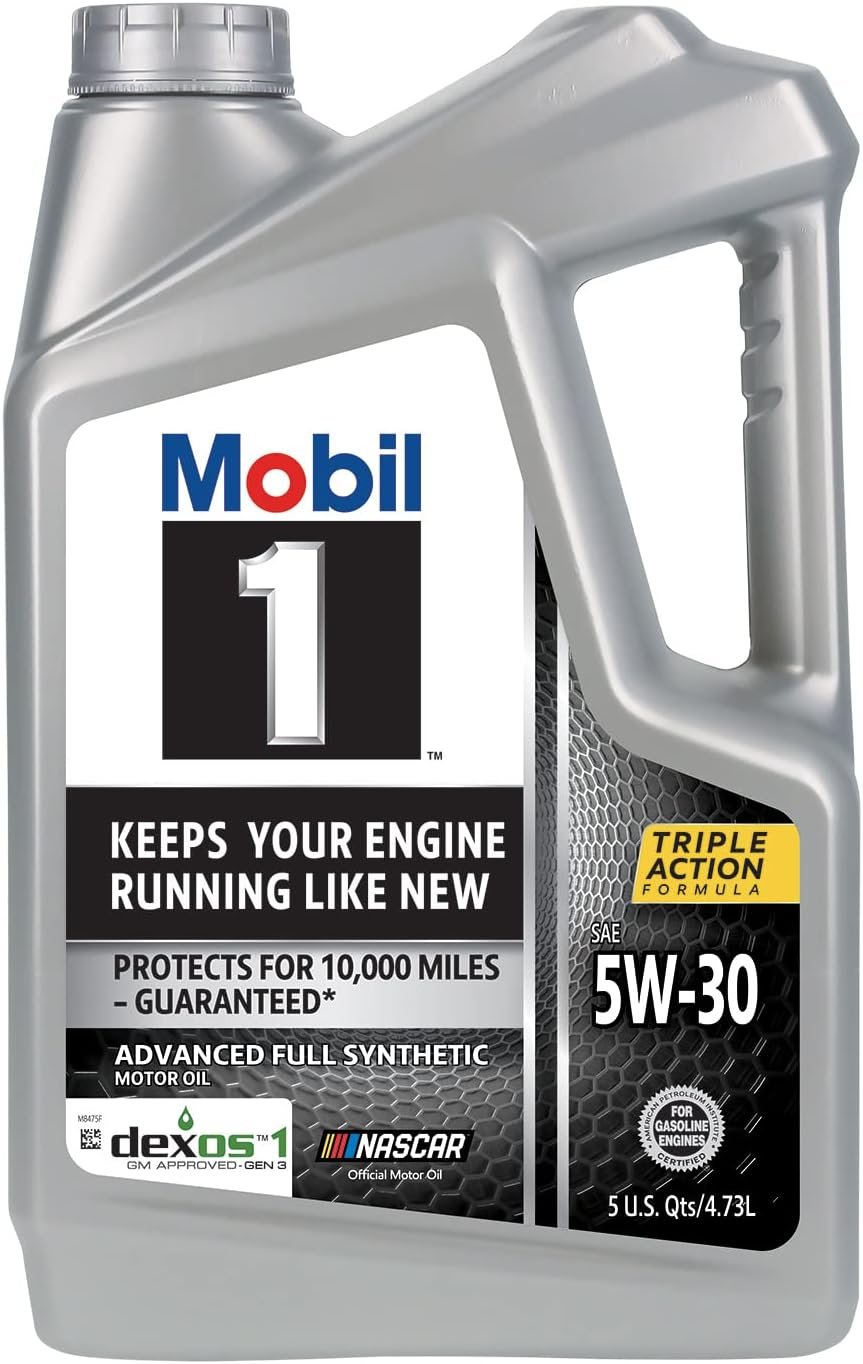
As an Amazon Associate, we may earn from qualifying purchases. This doesn't affect our recommendations — we only suggest oils that hold the exact OEM approval for your engine.
Best Engine Oil for Toyota Tacoma 2nd Gen (2005–2015) 4.0L 1GR-FE V6
The second-generation Toyota Tacoma held the title of best-selling mid-size pickup in the United States for over a decade — and for good reason. Whether you were hauling gear to a job site, crawling trails on the weekend, or simply using it as a daily driver, the Tacoma proved itself tougher and more dependable than almost anything else in its class. At the heart of the 4WD and 4x2 V6 trims sits the 1GR-FE, a 4.0-liter DOHC V6 that became legendary in Toyota enthusiast circles for its resilience. Keeping this engine fed with the right oil is one of the simplest things you can do to protect an investment that routinely rolls past 200,000 miles without breaking a sweat.
Quick Answer: Recommended Oil
- Recommended viscosity: 5W-30
- Alternative viscosity: 10W-30 (acceptable in warmer climates or higher mileage)
- Required specification: API SN / ILSAC GF-5 (or current backward-compatible standard)
- Oil capacity (without filter): 5.1 quarts (4.8L)
- Oil capacity (with filter): 5.4 quarts (5.1L)
The 1GR-FE Engine
The 1GR-FE is a 4.0-liter, 60-degree DOHC V6 with four valves per cylinder and Toyota’s Dual Variable Valve Timing with intelligence (Dual VVT-i) system on both intake and exhaust camshafts. In second-generation Tacoma trim, it produces 236 horsepower at 5,200 rpm and 266 lb-ft of torque at 4,000 rpm, driving through either a five-speed automatic or six-speed manual transmission.
The architecture is fundamentally traditional — no cylinder deactivation, no direct injection, no turbocharger. That simplicity is a large part of why the engine ages so well. Port fuel injection keeps the intake valves clean, a persistent issue on modern turbocharged direct-injection engines. The block is cast iron with thin-wall cylinder liners, giving it excellent thermal stability across the temperature swings common in truck use. The aluminum cylinder heads run hydraulic valve lash adjusters, which means no manual valve adjustment intervals to worry about.
Toyota used the 1GR-FE across the 4Runner, FJ Cruiser, Land Cruiser Prado, and several other platforms simultaneously, which accelerated its real-world refinement considerably. By the time the second-gen Tacoma launched in 2005, this engine had already been extensively tested in demanding global markets.
Understanding Toyota’s Oil Specification: API SN / ILSAC GF-5
Toyota specifies API SN quality or higher for the 1GR-FE, paired with ILSAC GF-5 certification. These designations tell you what the oil must do chemically and mechanically — they are not brand-specific.
API SN is a performance category established by the American Petroleum Institute. It requires improved high-temperature deposit protection, better sludge resistance, and compatibility with emission control systems compared to older categories. ILSAC GF-5 (International Lubricant Standardization and Approval Committee) adds fuel economy requirements and tighter oxidation stability standards. Any oil meeting both is backward compatible with older Toyota specifications.
Today’s market also carries API SP and ILSAC GF-6, which are the current standards and are fully backward compatible with SN/GF-5. Using a GF-6 oil in your Tacoma is fine — it simply meets a newer, more stringent standard. You will see the API certification donut on the bottle; as long as the current category is listed (SP or SN), you are covered.
5W-30 is the primary recommendation. The “5W” cold-weight rating means the oil flows quickly at startup in cold weather — important in northern states and at high altitude. The “30” hot-weight rating provides a protective film at operating temperature without creating excess drag. Toyota also approves 10W-30 as an acceptable alternative when ambient temperatures stay consistently above 0°F (-18°C). In a warm-climate state like Arizona or Florida, 10W-30 at higher mileage can be a reasonable choice. In the rest of the country, 5W-30 is the better all-season pick.
For trucks with significant mileage — say, 150,000 miles and beyond — a full synthetic 5W-30 or a high-mileage formulation meeting the same API standard is a sensible upgrade. High-mileage oils typically contain seal conditioners that help manage minor seepage from aging gaskets and O-rings.
Technical Specifications
| Specification | Detail |
|---|---|
| Engine code | 1GR-FE |
| Displacement | 3,956 cc (4.0L) |
| Configuration | 60° V6, DOHC, 24-valve |
| Bore × Stroke | 94.0 mm × 95.0 mm |
| Compression ratio | 10.4:1 |
| Power output | 236 hp @ 5,200 rpm |
| Torque | 266 lb-ft @ 4,000 rpm |
| Valve timing | Dual VVT-i (intake & exhaust) |
| Fuel delivery | Sequential port injection |
| Oil capacity (dry/no filter) | 5.1 qt (4.8L) |
| Oil capacity (with filter change) | 5.4 qt (5.1L) |
| Recommended viscosity | 5W-30 |
| Alternative viscosity | 10W-30 |
| Oil specification | API SN / ILSAC GF-5 |
Oil Change Intervals
Toyota’s official recommendation for the second-gen Tacoma is an oil change every 5,000 miles under normal conditions using conventional oil, or up to 10,000 miles with full synthetic. However, most Tacoma owners and independent mechanics recommend treating 5,000 miles as the standard interval regardless of oil type, especially if the truck sees any of what Toyota classifies as “severe” conditions:
- Towing or hauling near maximum capacity
- Frequent short trips under 5 miles
- Extended idling
- Off-road driving in dust, mud, or sand
- Consistent driving in temperatures below 10°F (-12°C)
If your Tacoma regularly tows a trailer, hauls a loaded bed, or sees trail use, treat it as severe duty and change the oil every 5,000 miles with full synthetic 5W-30. The 1GR-FE is a durable engine, but heat and contamination from heavy use degrade oil faster than the mileage counter reflects. A $50 oil change interval is cheap insurance against a repair that starts in the thousands.
Always change the filter at every oil change. The 1GR-FE’s 5.4-quart capacity with the filter accounts for the oil retained in the filter housing — using an old filter with fresh oil means roughly 0.3 quarts of degraded oil immediately contaminating your new fill.
Why the Right Oil Matters for the 1GR-FE
The 1GR-FE’s Dual VVT-i system is oil-pressure dependent. The variable valve timing actuators — one on each camshaft — rely on rapid oil pressure delivery at startup to position the cams correctly. If the oil is too thick in cold weather (wrong viscosity) or broken down from extended drain intervals, VVT-i response slows. You may notice rough idle at startup, reduced power, or in persistent cases, a trouble code for cam timing.
The hydraulic lash adjusters are equally sensitive. These small components maintain zero valve lash automatically by bleeding off excess oil and maintaining a precise hydraulic cushion. When oil quality drops — especially when it thickens from oxidation late in the drain interval — lash adjusters can tick at startup. The 1GR-FE has earned a reputation for a subtle valve tick at cold start that typically clears within 30 seconds; keeping the oil fresh and at the correct viscosity minimizes this behavior.
Using oil that does not meet API SN / ILSAC GF-5 — for example, an older conventional oil or an incompatible European-specification oil — risks inadequate detergent and dispersant performance. The 1GR-FE’s cast-iron block runs slightly hotter than all-aluminum engines, and sludge formation accelerates when oil chemistry is not matched to the thermal environment.
Common 1GR-FE Problems Related to Oil
Valve train tick at cold start. This is the most widely discussed 1GR-FE complaint and is frequently linked to oil quality or viscosity. A 5W-30 full synthetic that flows quickly at startup tends to reduce or eliminate the tick. If the tick persists beyond 60 seconds of warm idle, inspection of the lash adjusters is warranted.
Early head gasket failures (2005–2006 model years). The earliest second-gen Tacomas encountered head gasket failures, often appearing around 150,000 miles. Toyota redesigned the gaskets, and later production runs were significantly more reliable. Maintaining the correct coolant mixture and avoiding overheating — which oil quality indirectly supports through adequate lubrication of all heat-generating surfaces — is the best preventive measure.
Oil consumption in high-mileage examples. Some 1GR-FE engines with 200,000+ miles show minor oil consumption, typically from valve stem seals. Monitoring the oil level between changes and topping up as needed is important. A high-mileage 5W-30 formulation with seal conditioners can slow this progression.
Frame rust (2005–2010 models). It is worth noting separately that the most significant second-gen Tacoma issue — the one that made national news — has nothing to do with the engine. Toyota conducted frame inspections and, in documented cases, replaced frames on 2005–2010 trucks under a corrosion settlement. This does not affect the 1GR-FE’s mechanical reliability, but buyers of early trucks should verify frame condition independently before purchase.
Towing and Off-Road Oil Change Considerations
The Tacoma V6 is rated to tow up to 6,500 lbs when properly equipped. At or near that limit, the 1GR-FE runs hard — sustained high rpm, elevated coolant and oil temperatures, and extended load on the drivetrain. Under these conditions, synthetic 5W-30 is strongly preferred over conventional oil. Synthetics maintain viscosity stability at elevated temperature far better than conventional blends, reducing the risk of oil film breakdown at the high end of the temperature range.
Off-road use presents a different challenge: dust, water crossings, and extreme articulation can introduce contaminants more quickly than on-road miles suggest. If you run the truck on trails regularly, use the 5,000-mile interval as a ceiling, not a target. Inspect the oil on the dipstick for color and consistency after particularly demanding outings; if the oil looks black or gritty, change it regardless of mileage.
Conclusion
The Toyota Tacoma 2nd Gen 4.0L 1GR-FE is one of the most straightforward engines to maintain in the mid-size truck segment. Use a 5W-30 meeting API SN / ILSAC GF-5 or the current equivalent standard, fill to 5.4 quarts with a filter change, and keep your drain intervals at or under 5,000 miles if the truck works for a living. The 1GR-FE’s reputation for crossing 250,000 miles without major engine work is well-earned — but it assumes the owner held up their end of the deal with clean oil and consistent maintenance.
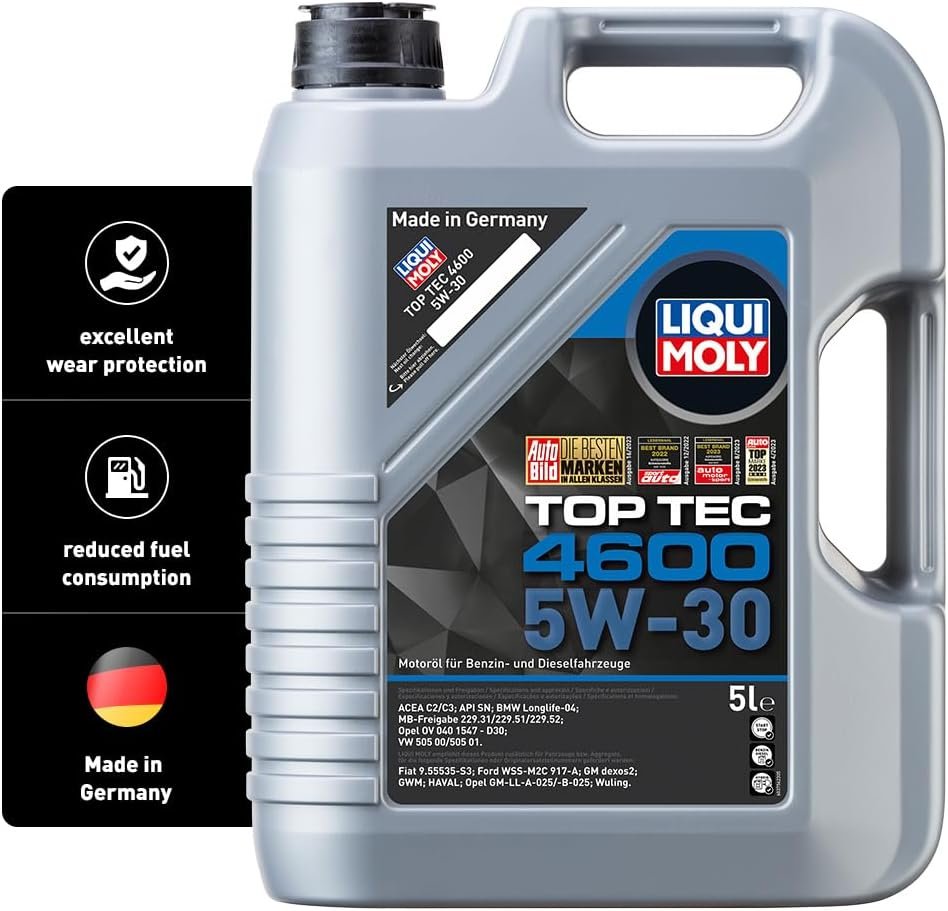
Our Top Picks
As an Amazon Associate, we may earn from qualifying purchases. This doesn't affect our recommendations — we only suggest oils that hold the exact OEM approval for your engine.