 Oil-
Oil-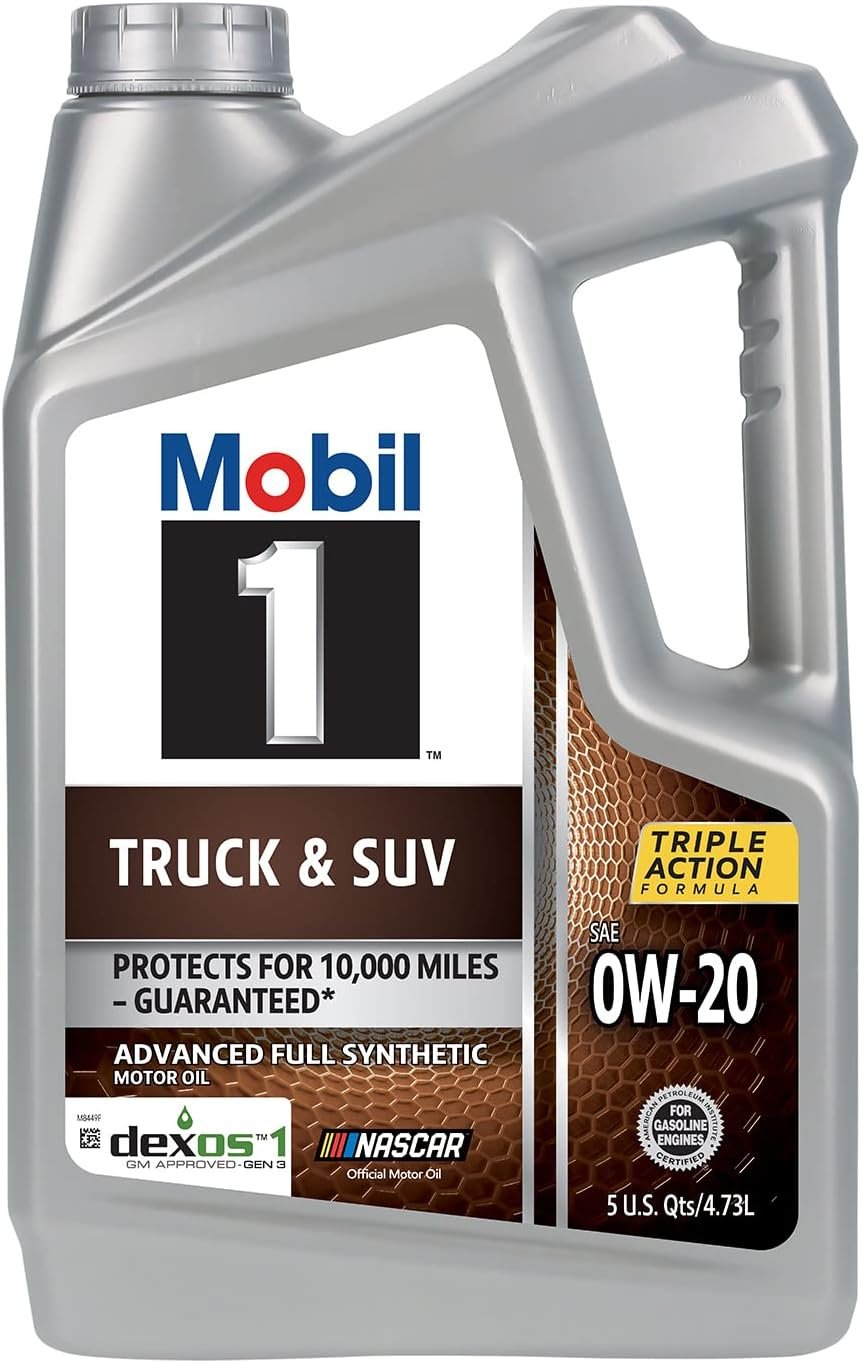
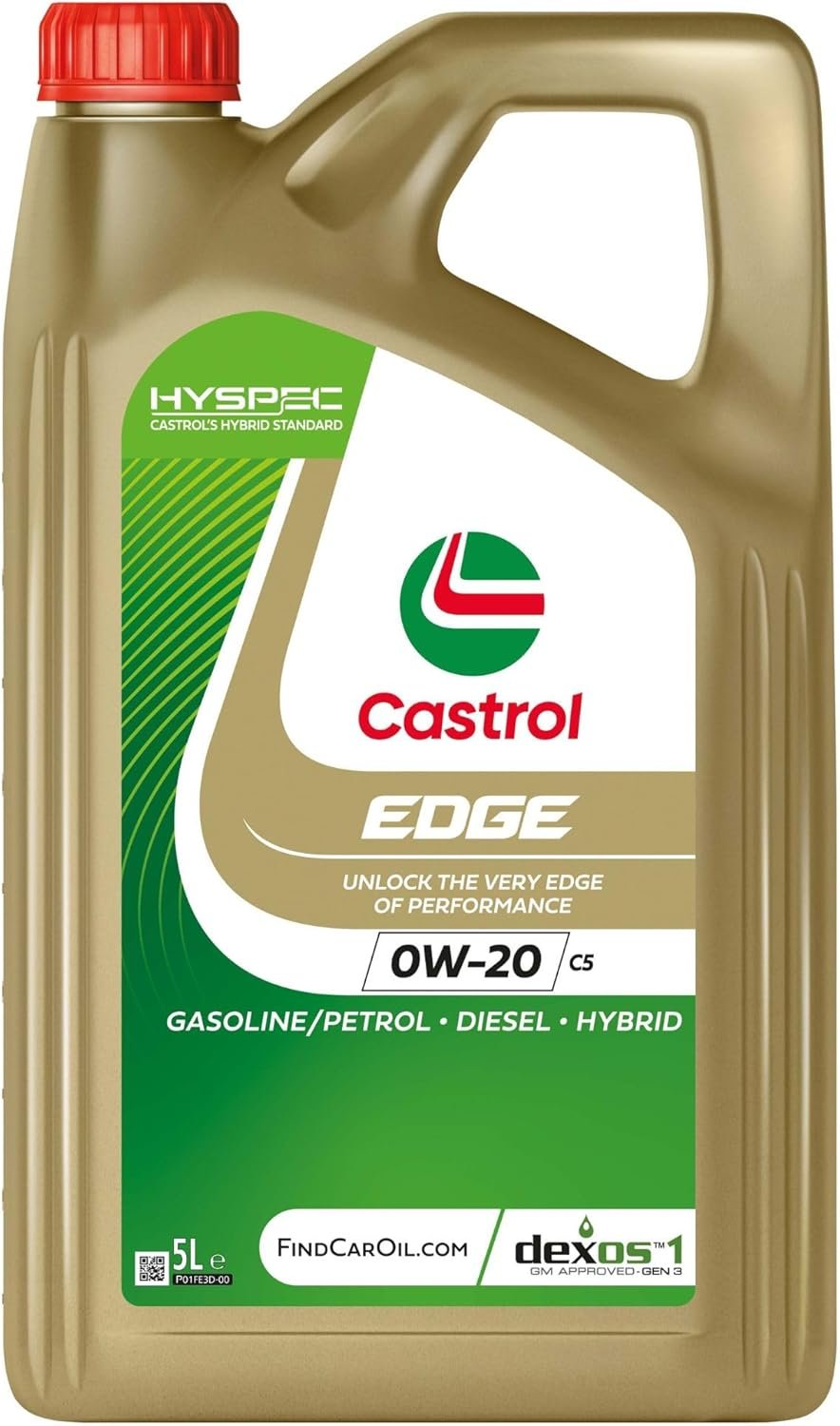

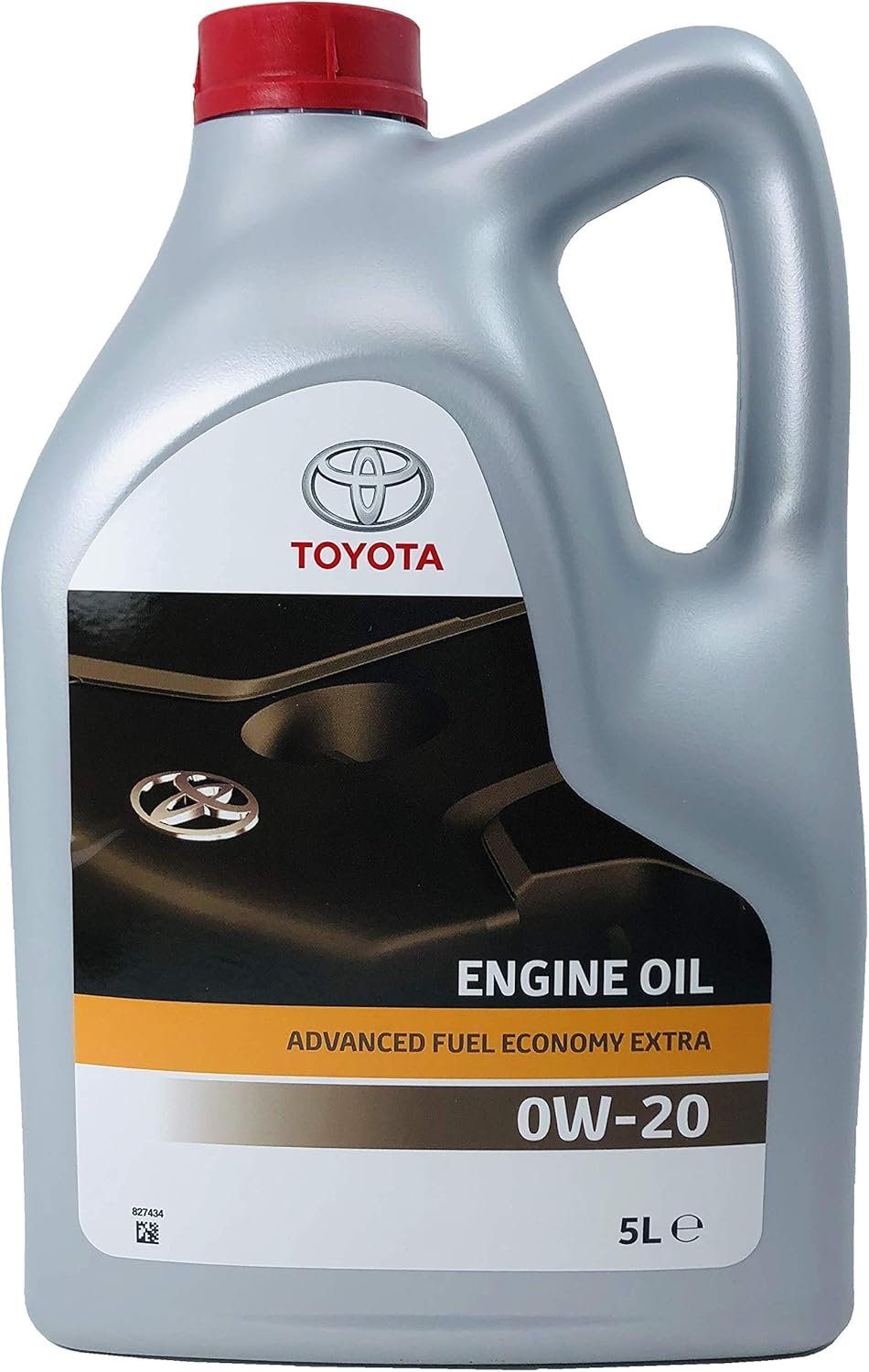
As an Amazon Associate, we may earn from qualifying purchases. This doesn't affect our recommendations — we only suggest oils that hold the exact OEM approval for your engine.
Best Engine Oil for Toyota GR Yaris 1.6 Turbo (G16E-GTS) – Specs & Capacity
The Toyota GR Yaris is no ordinary hot hatch. It was engineered from the ground up as a World Rally Championship homologation special — a road car built so that Toyota GAZOO Racing could compete in the WRC. At the heart of it sits the G16E-GTS, a 1.6-litre turbocharged three-cylinder engine that produces 261 hp and holds the title of the most powerful three-cylinder production engine ever built at launch. Getting the right engine oil in this machine is not a luxury — it is a technical requirement, and using the wrong specification can trigger catastrophic failures in an engine that already pushes the physical limits of its displacement class.
Quick Answer: Recommended Oil for the GR Yaris G16E-GTS
- Primary specification: 0W-20 meeting ILSAC GF-6A and ACEA C5
- Alternative specification: 5W-30 meeting ILSAC GF-6A (colder climates or track use)
- OEM norm: ILSAC GF-6A
- Oil capacity (without filter): 4.0 litres
- Oil capacity (with filter change): 4.3 litres
ILSAC GF-6A compliance is the key requirement. This standard was specifically developed to address Low Speed Pre-Ignition (LSPI), a destructive knock event that affects turbocharged direct-injection petrol engines — exactly the type of engine in the GR Yaris. Using an oil that does not meet ILSAC GF-6A significantly increases the risk of LSPI-induced piston failure.
The G16E-GTS Engine: Born for Rally, Built for the Road
The G16E-GTS is the product of Toyota GAZOO Racing’s WRC programme. To comply with FIA World Rally Championship homologation rules, Toyota needed to produce a road-legal version of a WRC-derived platform. The result was the GR Yaris GXPA16, and the G16E-GTS engine was engineered specifically for it.
What makes the G16E-GTS remarkable is the specific output it achieves: 261 hp from just 1,618 cc — approximately 161 hp per litre, making it the highest specific output of any three-cylinder engine in series production at launch. This is achieved through a combination of twin-scroll turbocharger technology, both port and direct fuel injection (a system Toyota calls D-4ST), and forged internal components straight from the production line.
The forged connecting rods and forged pistons found in the G16E-GTS are not an aftermarket upgrade — they are standard fitment. Toyota engineers designed the internals for durability under boosted conditions, borrowing heavily from motorsport metallurgy. The cylinder block is built with close-deck construction to manage the thermal and mechanical stresses of sustained high-output operation.
Paired with the engine is Toyota’s GR-Four all-wheel-drive system, a torque-splitting AWD unit that delivers power to all four wheels with a rear torque bias option for track use. This rally-derived drivetrain demands an engine that is always at optimal operating temperature and oil pressure — reinforcing why oil specification is critical on this platform.
Understanding ILSAC GF-6A and ACEA C5 for the GR Yaris
Toyota specifies ILSAC GF-6A as the mandatory oil quality standard for the G16E-GTS. This is a modern specification developed jointly by the International Lubricants Standardization and Approval Committee and the American Petroleum Institute, and its most significant advancement over predecessor standards is its mandatory LSPI protection requirement.
Low Speed Pre-Ignition is a sudden, uncontrolled combustion event that occurs in turbocharged, direct-injection petrol engines at low speed and high load — the precise conditions present when you accelerate hard from low revs. The pressure spikes generated by LSPI can crack pistons or destroy ring lands, and in a high-compression, high-boost engine like the G16E-GTS, a single LSPI event can cause terminal damage. ILSAC GF-6A oils are formulated to suppress LSPI through their additive chemistry, in particular by limiting the use of certain calcium-based detergents that have been identified as contributing factors.
ACEA C5 is the European classification that aligns with this standard. C5-rated oils are low-viscosity, mid-SAPS (sulphated ash, phosphorus, sulphur) formulations compatible with modern gasoline particulate filters (GPFs), which are fitted to GR Yaris models sold in Europe. If your GR Yaris is a post-2021 European-specification car, ACEA C5 should be treated as non-negotiable.
The 0W-20 viscosity grade is Toyota’s primary recommendation. It provides fast cold-start oil flow — critical in a turbocharged engine where bearing lubrication at startup is the highest-stress moment in the operating cycle. In track use or unusually hot ambient conditions, a 5W-30 that still meets ILSAC GF-6A is an acceptable alternative.
Technical Specifications
| Specification | Detail |
|---|---|
| Engine code | G16E-GTS |
| Displacement | 1,618 cc |
| Layout | Inline 3-cylinder, turbocharged |
| Valvetrain | 12-valve DOHC |
| Fuel system | D-4ST (port injection + direct injection) |
| Max power | 261 hp (192 kW) at 6,500 rpm |
| Max torque | 360 Nm (266 lb-ft) at 3,000–4,600 rpm |
| Compression ratio | 10.0:1 |
| Turbocharger | Twin-scroll single turbo |
| Oil capacity (dry) | 4.0 L |
| Oil capacity (with filter) | 4.3 L |
| Recommended oil | 0W-20 ILSAC GF-6A / ACEA C5 |
| Drive system | GR-Four AWD |
Oil Change Intervals
Toyota recommends oil changes every 10,000 km (approximately 6,000 miles) or 12 months under normal driving conditions for the GR Yaris. However, for a car that is regularly used on track, driven hard, or operated in ambient temperatures above 30°C, a more conservative interval of 5,000–6,000 km is strongly advised by the GR Yaris owner community and specialist workshops.
The reason for the shortened interval in performance use is the accelerated thermal breakdown that occurs when the engine is subjected to sustained high boost and high RPM. Turbocharged engines run hotter oil than naturally aspirated equivalents, and the G16E-GTS operating near its design limits degrades oil faster than the standard service schedule accounts for.
There is a further consideration specific to this engine: oil contamination by fuel. The D-4ST dual-injection system introduces a small amount of fuel wash risk on the cylinder walls, and over time, oil dilution can reduce viscosity below the effective lubrication threshold. Owners who drive predominantly short trips should consider even shorter intervals, as the engine may not always reach full operating temperature to burn off accumulated fuel contamination.
Always replace the oil filter on every oil change.
Common G16E-GTS Problems Related to Oil
The GR Yaris community has documented several recurring issues with this engine, a number of which are directly connected to oil quality and maintenance:
Low Speed Pre-Ignition (LSPI): The most serious documented failure mode. LSPI causes sudden, extreme pressure spikes that crack pistons — typically at cylinder one. Owners who used oil that did not comply with ILSAC GF-6A, or who extended oil change intervals beyond the recommended schedule, have reported catastrophic piston failures as early as 50,000 km. Using a spec-compliant 0W-20 and adhering to oil change intervals is the primary defence against this failure mode.
Oil consumption under track use: Some owners report measurable oil consumption (0.5–1.0 L per 1,000 km) during sustained track sessions. Checking the oil level before each track day is advisable, and carrying a half-litre of the correct-spec oil is prudent.
Valve train wear (early production engines): Early G16E-GTS units had known issues with valve spring fatigue and camshaft wear. Toyota updated the valve springs and camshaft profiles in later production runs (what the community refers to as Gen 2 and Gen 3 engines). These updates were applied from the 2024 facelift model onwards, which also received strengthened valvetrain components, new exhaust valve materials, higher direct injection pressure, and redesigned lightweight pistons. Maintaining correct oil viscosity minimises wear on these components in earlier engines.
Oil starvation under lateral G-forces: This is not a defect but a design consideration. The G16E-GTS uses a conventional wet sump. In sustained high-lateral-G cornering on track (such as a long carousel or banked corner), oil can surge away from the pickup. Owners using the car extensively on circuit sometimes fit baffled sump pans or accusumps to address this.
Conclusion
The Toyota GR Yaris G16E-GTS is one of the most technically ambitious production engines built in the modern era. It delivers WRC-programme engineering — forged internals, dual injection, twin-scroll turbo — in a road car platform, and it demands the same level of discipline in its maintenance as a motorsport vehicle. The mandatory specification is 0W-20 meeting ILSAC GF-6A and ACEA C5, with a 4.3-litre capacity when changing the filter. Stick to this specification, change the oil at or before the recommended interval, and check the level regularly — especially before any track use. The G16E-GTS rewards correct maintenance with outstanding performance and durability; it punishes neglect with catastrophic consequences.
Our Top Picks
As an Amazon Associate, we may earn from qualifying purchases. This doesn't affect our recommendations — we only suggest oils that hold the exact OEM approval for your engine.