 Oil-
Oil-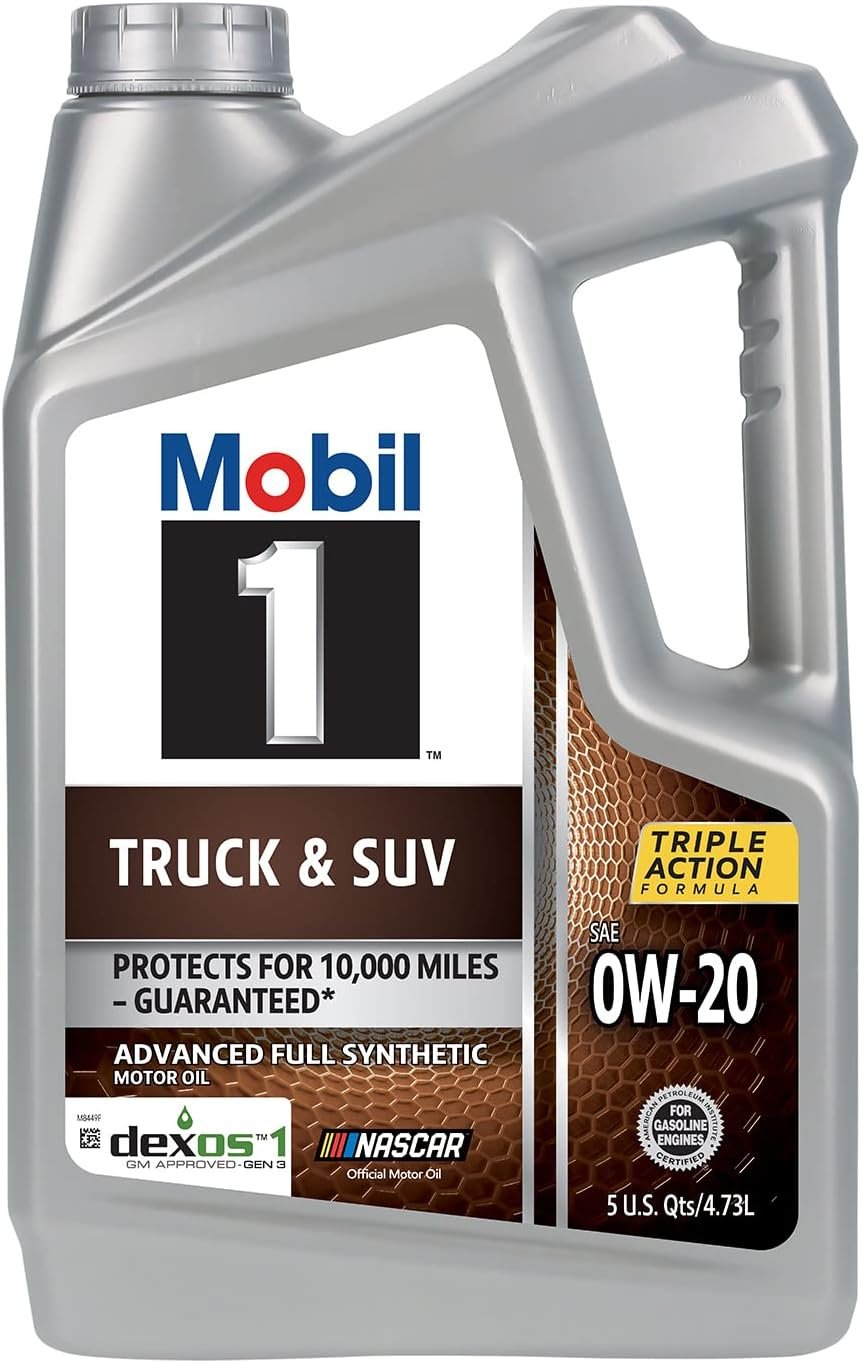
As an Amazon Associate, we may earn from qualifying purchases. This doesn't affect our recommendations — we only suggest oils that hold the exact OEM approval for your engine.
Best Engine Oil for Toyota Avalon 5th Gen XX50 3.5L V6 (301 hp)
The Toyota Avalon 5th generation (XX50, 2019–2022) is the final expression of Toyota’s full-size sedan before the nameplate was discontinued — a large-format luxury car built around one of the most refined V6 engines Toyota has produced. The 2GR-FKS is the fifth iteration of the 2GR family, incorporating a combined port and direct injection system and an electrically-actuated intake variable valve timing mechanism that represent genuine engineering advancement over the 2GR-FE it replaced. For owners, the practical implication is an engine with exceptional reliability credentials and a straightforward oil specification: 0W-20 meeting ILSAC GF-6A.
Quick Answer: Recommended Oil
- Specification: ILSAC GF-6A (API SP), 0W-20 (full synthetic)
- Alternative: 5W-20 full synthetic (ILSAC GF-6A, if 0W-20 unavailable — replace at next service)
- Oil capacity with filter: 5.4 litres (5.7 US quarts)
- Oil capacity without filter: approx. 4.9 litres (5.2 US quarts)
The 2GR-FKS Engine
The 2GR-FKS is a 3,456 cc DOHC 24-valve naturally aspirated V6 — bore × stroke 94.0 mm × 83.0 mm. It shares the same displacement as the 2GR-FE used in the previous Avalon and numerous other Toyota/Lexus applications, but the FKS represents a fundamental update across two technologies:
D-4ST Dual Injection: Toyota’s combined injection system — which they designate “D-4S” for the combined port-direct system — uses both port fuel injectors and gasoline direct injectors simultaneously. Under light load and cold-start conditions, only the port injectors operate. At higher loads, both systems operate in parallel. At specific intermediate load points, only the direct injectors fire. The system’s primary advantage for long-term reliability is the port injection component: spraying fuel into the intake ports wets the backs of the intake valves continuously, dissolving carbon deposits before they can accumulate. Pure GDI engines (like many European turbocharged units) produce progressive intake valve carbon that requires walnut blasting at 60,000–80,000 miles; the 2GR-FKS’s port injection component largely eliminates this maintenance item.
VVT-iE (Variable Valve Timing — intelligent — Electric): The intake camshaft uses an electric motor rather than an oil-pressure actuator to advance and retard cam timing. This is a fundamentally different approach from conventional hydraulic VVT found on most engines. The electric actuator provides instant, precise cam phasing even at cold idle — before the engine has built sufficient oil pressure for a hydraulic actuator to respond. The result is accurate timing control from the first firing stroke, reducing cold-start emissions and improving idle quality.
The exhaust camshaft retains conventional hydraulic VVT-i, which is sufficient for its operating range.
The combination of dual injection and electric intake VVT positions the 2GR-FKS as one of the most technically sophisticated naturally-aspirated V6 engines in its era.
Why 0W-20 for the 2GR-FKS
Toyota specifies 0W-20 for the 2GR-FKS for reasons that are directly connected to the VVT-iE architecture:
VVT-iE removes the cold-start oil pressure dependency: Conventional hydraulic VVT systems depend on oil pressure to actuate the cam phaser — they cannot phase the cam accurately until the engine has built oil pressure, which takes seconds. During this period, a heavier oil (5W-30) that flows more slowly than 0W-20 delays phaser response. For a hydraulic system, this is managed by accepting a brief imprecise phase on cold start.
The 2GR-FKS’s electric intake VVT-iE has no such dependency — it phases the intake cam precisely from the first stroke regardless of oil viscosity. The argument for a heavier viscosity to protect the phaser mechanism simply does not apply. Toyota designed the engine’s bearing tolerances and surface finishes around 0W-20, and the lower viscosity contributes measurable fuel economy improvement over 5W-20.
ILSAC GF-6A: The current ILSAC GF-6A (API SP) specification ensures the oil meets Toyota’s minimum requirements for oxidation stability, wear protection, and deposit control. GF-6A added stricter LSPI protection versus GF-5/SN, and improved timing chain wear protection — relevant for the 2GR-FKS’s timing chain system.
Technical Specifications
| Specification | Value |
|---|---|
| Displacement | 3,456 cc |
| Layout | V6, DOHC 24v, naturally aspirated |
| Engine code | 2GR-FKS |
| Power / Torque | 301 hp / 267 lb-ft |
| Bore × stroke | 94.0 mm × 83.0 mm |
| Injection | D-4ST: Port + Direct combined |
| Intake VVT | VVT-iE (electric motor actuated) |
| Exhaust VVT | VVT-i (hydraulic) |
| Timing system | Timing chain |
| Oil capacity (with filter) | 5.4 L (5.7 qt) |
| Oil capacity (without filter) | approx. 4.9 L (5.2 qt) |
| Recommended viscosity | 0W-20 |
| Alternative viscosity | 5W-20 |
| ILSAC classification | GF-6A (API SP) |
Oil Change Intervals
Toyota specifies 10,000 miles or 12 months for the 2GR-FKS under normal conditions, with a 5,000-mile “severe service” interval for frequent short trips, dusty conditions, or extended idling. The recommended practical interval for the XX50 Avalon is 10,000 miles or 12 months for mixed highway/suburban driving, reducing to 5,000–7,500 miles or 12 months for predominantly urban or short-trip use.
The 2GR-FKS is a conservative, well-proven engine design that tolerates the full 10,000-mile interval with correct 0W-20 GF-6A oil in normal use. However, for vehicles accumulating miles primarily through cold-start short trips — common in urban settings — the 5,000–7,500 mile interval protects the timing chain and hydraulic exhaust VVT mechanism from degraded oil.
The 2GR-FKS Reliability Advantage
The 2GR-FKS stands out in its competitive set for the near-absence of documented widespread mechanical failures:
No AFM/MDS lifter system: Unlike the GM EcoTec3 and Dodge HEMI, the 2GR-FKS is a naturally aspirated engine without cylinder deactivation. There is no equivalent to the AFM/MDS lifter failure mechanism. The camshafts contact conventional, non-collapsing roller lifters that have no deactivation function and no roller axle seizure failure mode.
Timing chain: The 2GR-FKS uses a timing chain rather than a belt — no belt replacement interval. Under correct oil maintenance, the chain is maintenance-free for the engine’s service life.
D-4ST and valve cleanliness: The port injection eliminates the primary maintenance escalation point for GDI engines. Intake valve carbon is a rare finding on properly maintained 2GR-FKS engines even at high mileage.
The primary reported concerns on XX50 Avalon V6 engines are minor: slight oil consumption on a small proportion of higher-mileage examples (above 100,000 miles), and the general maintenance item of spark plug replacement at 120,000 miles (iridium plugs). Neither represents a structural reliability issue.
Common 2GR-FKS Issues Related to Oil
Slight oil consumption at high mileage: A proportion of 2GR-FKS engines with high mileage (above 100,000 miles) develop consumption of 0.5–1 qt per 5,000–7,000 miles, within Toyota’s stated tolerance. Check the dipstick between services; consumption above 1 qt per 3,000 miles warrants valve stem seal investigation.
Exhaust VVT hydraulic response: The exhaust camshaft’s hydraulic VVT-i responds to oil pressure for phasing. Cold-start exhaust cam phasing is less precise than the electric intake, and degraded oil that does not deliver prompt cold-start pressure can cause minor exhaust cam timing inaccuracies before warm-up. Fresh 0W-20 eliminates this as a concern.
Timing chain: Generally maintenance-free under correct oil. Extended intervals with degraded oil — particularly in high-mileage urban use — are the only documented contributor to chain guide wear. Annual 10,000-mile changes are the available preventive measure.
Conclusion
The Toyota Avalon 5th Gen 2GR-FKS is one of the most refined and reliable V6 engines of its generation — D-4ST dual injection eliminates the intake valve carbon problem, electric VVT-iE provides cold-start precision without oil pressure dependency, and the absence of cylinder deactivation removes the primary failure mechanism seen in competing American V6 and V8 engines. Correct maintenance requires ILSAC GF-6A 0W-20 full synthetic at 10,000-mile intervals for normal use. An engine this straightforward to service rewards correct oil with genuinely low ownership costs across a long service life.
Our Top Picks
As an Amazon Associate, we may earn from qualifying purchases. This doesn't affect our recommendations — we only suggest oils that hold the exact OEM approval for your engine.