 Oil-
Oil-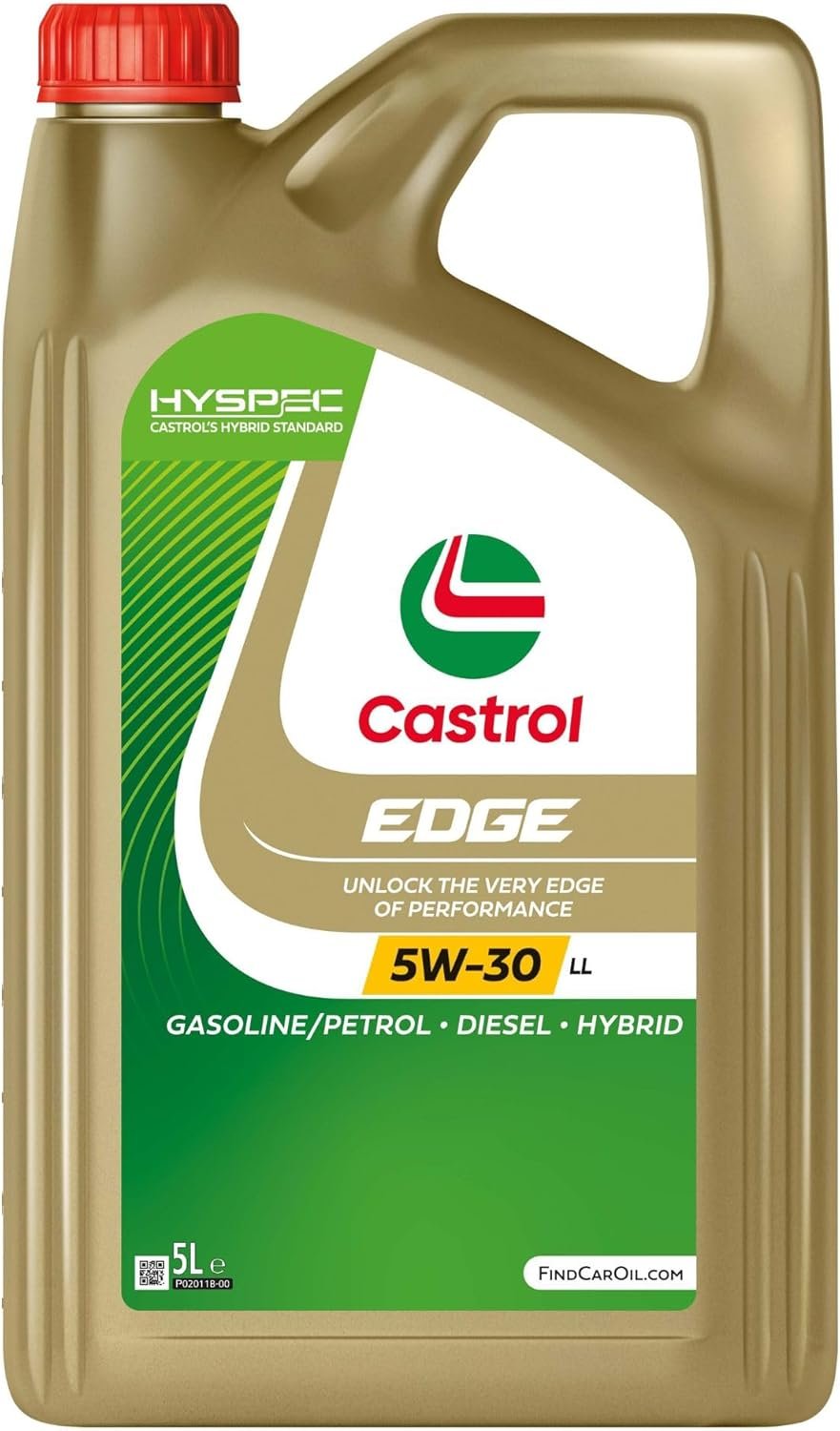
As an Amazon Associate, we may earn from qualifying purchases. This doesn't affect our recommendations — we only suggest oils that hold the exact OEM approval for your engine.
Best Engine Oil for Mitsubishi L200 Series 5 2.4 DI-D (178 hp)
The Mitsubishi L200 Series 5 arrived in 2015 as the fifth generation of one of the UK’s most enduring pickup trucks, building a reputation for toughness with the addition of technology rarely found in a working commercial vehicle. The 2.4 DI-D engine — carrying Mitsubishi’s 4N15 code — combines MIVEC variable valve timing (on the intake camshaft) with a common-rail diesel for Euro 6 compliance, making it both more capable and more maintenance-sensitive than its simpler predecessors.
Quick Answer: Recommended Oil
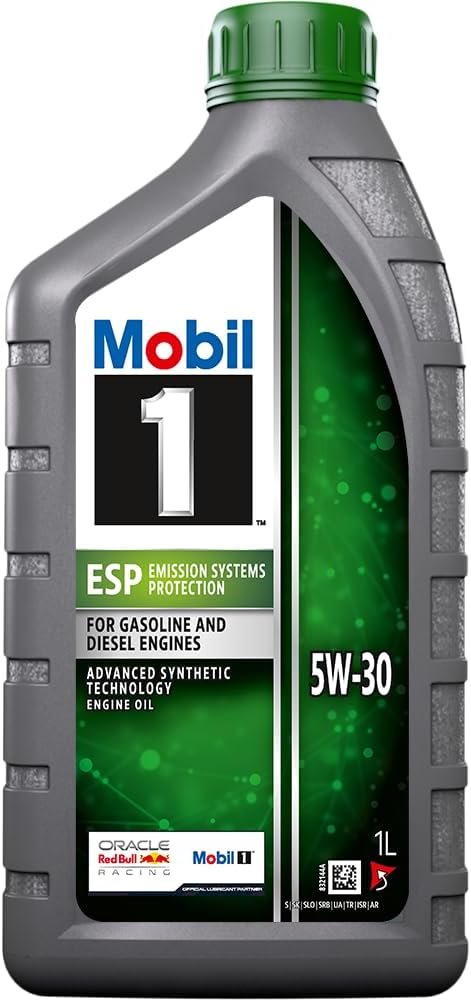
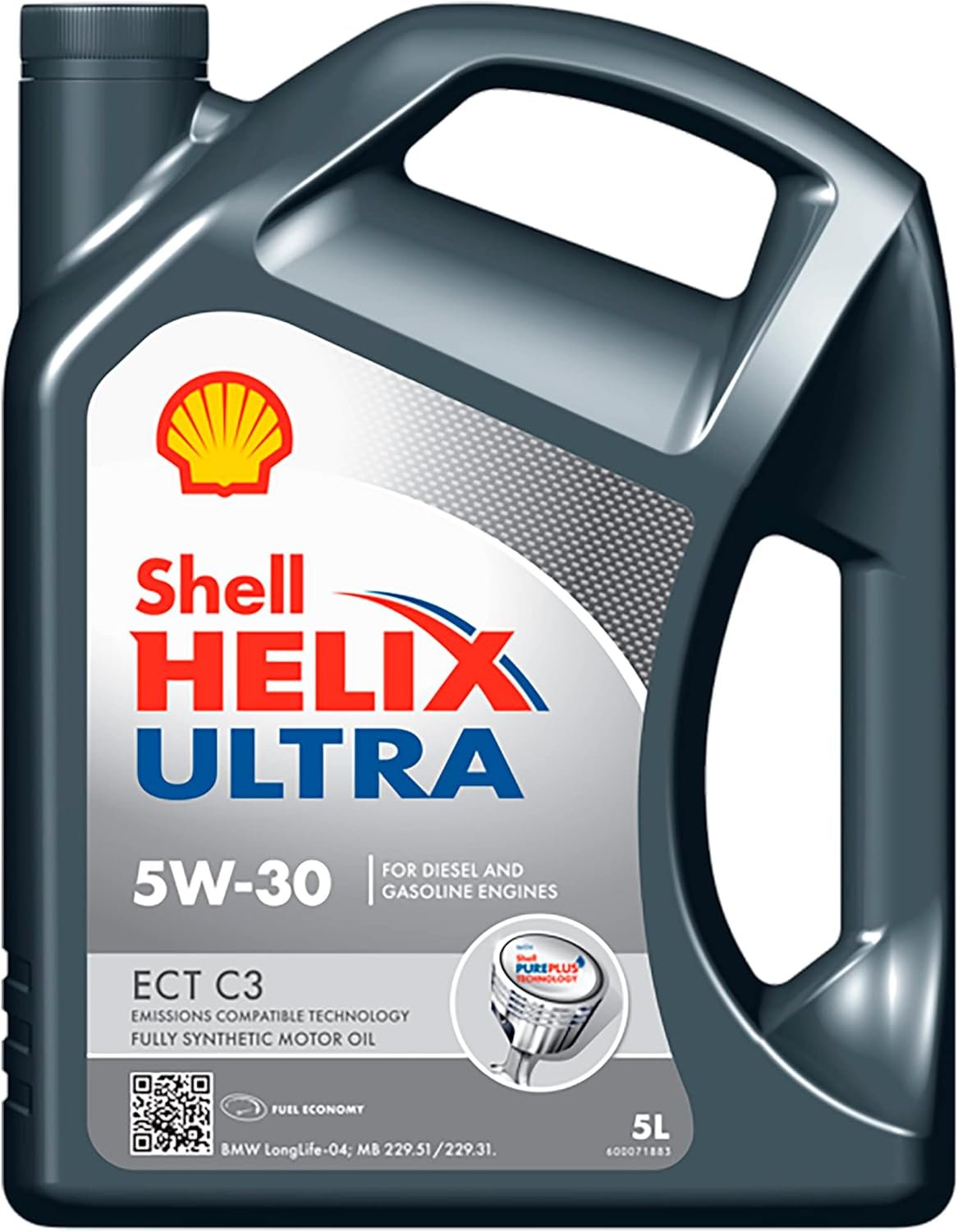
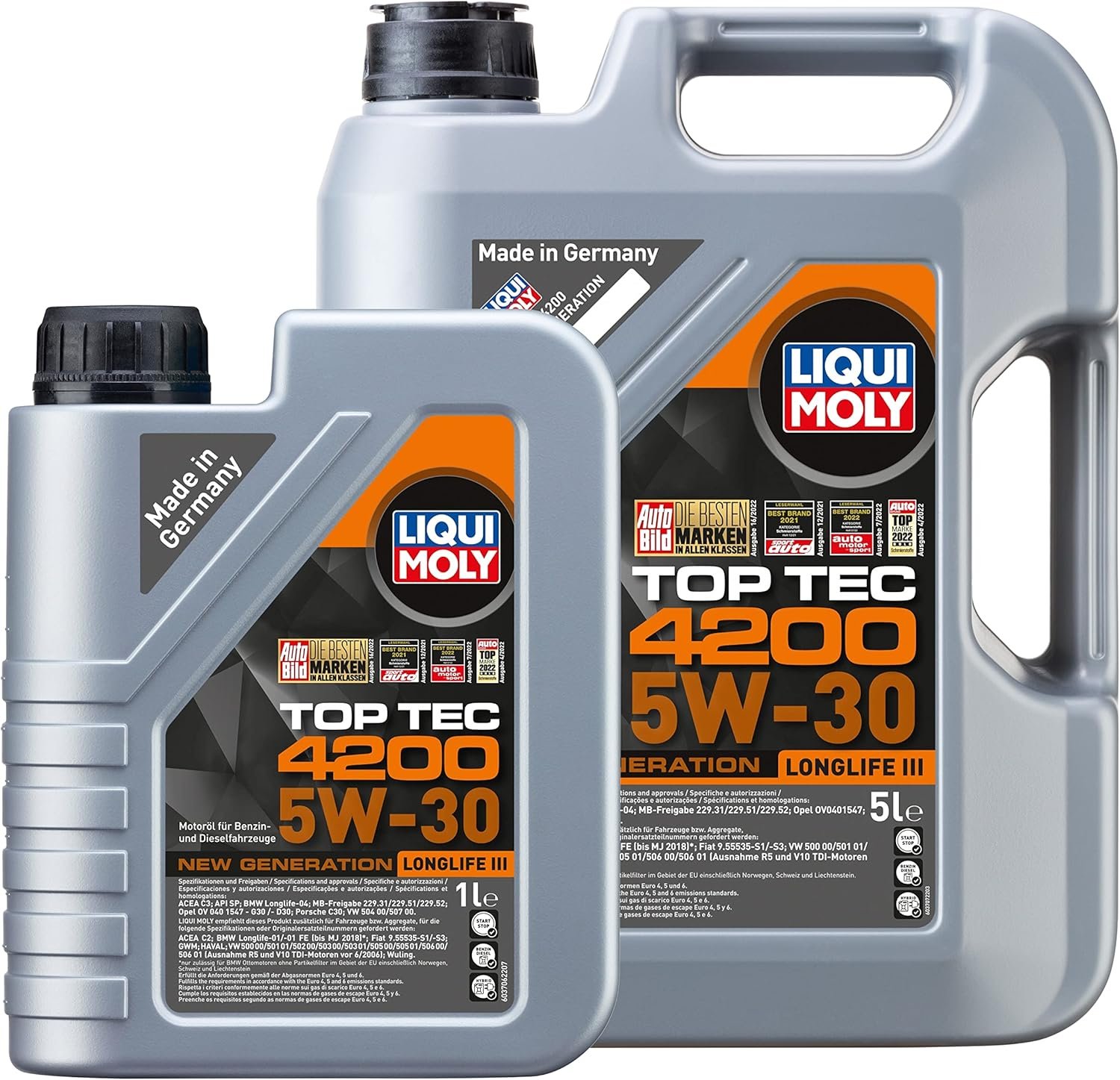
- Specification: ACEA C3, 5W-30 (fully synthetic)
- Alternative viscosity: 5W-40 (ACEA C3, for heavy towing or high-mileage engines)
- Oil capacity with filter: 8.3 litres
- Oil capacity without filter: approx. 7.9 litres (Mitsubishi does not publish a separate drain-only figure)
The 4N15 Engine
The 4N15 is a 2,442 cc DOHC 16-valve turbodiesel — bore × stroke 86.0 mm × 105.1 mm — with a high-stroke design that prioritises torque delivery. Compression ratio sits at approximately 15.5:1. Common-rail piezoelectric injectors operate at up to 2,000 bar, enabling the multiple injection events per combustion cycle that allow Euro 6 compliance without requiring urea SCR aftertreatment on this generation.
What distinguishes the 4N15 from most pickup truck diesels is the MIVEC variable valve timing system on the intake camshaft. Mitsubishi’s MIVEC on this diesel application is not the same as its petrol implementations — it retards and advances intake valve timing based on load and temperature, improving combustion efficiency during warm-up, optimising EGR mixing, and contributing to better low-end torque. The phaser mechanism is oil-pressure dependent, making oil quality and viscosity directly relevant to engine function, not just lubrication.
A variable-geometry turbocharger and DPF complete the Euro 6 system. The large 8.3-litre oil capacity (with filter) is inherent to a 2.4-litre diesel designed for 3,100 kg towing duty.
Oil Specification: Why ACEA C3 5W-30 and Nothing Else
Mitsubishi does not publish a proprietary oil norm for the 4N15. The requirement is ACEA C3, 5W-30 fully synthetic — defined by two non-negotiable characteristics:
Low-SAPS for DPF protection: ACEA C3 limits sulphated ash to 0.8% maximum. The DPF traps diesel combustion soot; if the oil contains high sulphated ash (as in ACEA A3/B4 heavy-duty oils), incombustible metallic ash deposits irreversibly in the filter matrix. A 4N15 run on high-SAPS oil will fail its DPF prematurely — replacement costs exceed the money saved on a cheaper oil many times over.
5W-30 for MIVEC and cold-start protection: The MIVEC phaser operates on engine oil pressure via a solenoid valve. If the oil is too thick (10W-40 or 15W-40) it responds sluggishly at cold start; if it is too thin from dilution or degradation, it fails to actuate the phaser at all. 5W-30 is the correct viscosity for UK conditions, ensuring fast phaser response from cold and adequate film strength at operating temperature.
Technical Specifications
| Specification | Value |
|---|---|
| Displacement | 2,442 cc |
| Layout | 4-cylinder inline, DOHC, turbodiesel |
| Engine code | 4N15 |
| Power / Torque | 178 hp / 430 Nm |
| Bore × stroke | 86.0 mm × 105.1 mm |
| Injection system | Common-rail piezoelectric, ~2,000 bar |
| Turbocharger | Variable-geometry (VGT) |
| Timing system | Timing chain |
| MIVEC | Intake camshaft variable valve timing |
| Oil capacity (with filter) | 8.3 litres |
| Oil capacity (without filter) | approx. 7.9 litres |
| Recommended viscosity | 5W-30 |
| Alternative viscosity | 5W-40 |
| ACEA classification | C3 |
Oil Change Intervals
Mitsubishi’s UK service schedule specifies 15,000 km or 12 months. For real-world UK use — particularly vehicles used for short trips, farm work, or urban driving without sustained motorway runs — 10,000 km or 12 months is more appropriate.
For L200s used regularly for towing (the 4N15 is rated to 3,100 kg), or those doing construction site or off-road work with frequent idling and short trips, reduce to 6,000–7,500 km or 6 months. The reason is fuel dilution: DPF active regeneration injects diesel post-combustion to raise exhaust temperatures; incomplete regenerations push unburned fuel into the sump. Check the oil level monthly — a rising dipstick reading combined with a fuel smell means immediate oil change.
MIVEC and Why It Matters for Lubrication
The MIVEC cam phaser is directly lubricated by engine oil. On cold mornings, the phaser relies on oil pressure being restored within seconds of start-up to actuate correctly. Two practices undermine this:
Extended oil change intervals: After 12,000+ km, oil oxidises and accumulates soot. Degraded oil forms deposits in the small oil passages feeding the MIVEC solenoid. Symptoms of a clogged solenoid include rough cold idle, P codes for cam timing deviation, and loss of low-end torque.
Wrong viscosity: Sludged or thickened oil from diesel dilution creates exactly the same problem as the wrong viscosity grade — the solenoid circuit starves. MIVEC actuator failures above 80,000–100,000 miles are documented on L200 forums and are almost always preceded by poor oil history.
Common 4N15 Problems Related to Oil
DPF blockage: The primary failure mode on urban-use L200s. Short trips prevent passive regeneration; repeated incomplete active regenerations cause simultaneous soot loading and oil dilution. Correct ACEA C3 oil slows ash accumulation; regular 30-minute motorway runs are essential maintenance, not optional.
Oil dilution: Documented across L200 Series 5 forum records. Injectors dribbling post-combustion or incomplete DPF regens both deposit diesel in the sump. Diluted oil behaves like a lower-viscosity grade — the MIVEC phaser and turbo bearings are the first to suffer.
EGR fouling: Heavy carbon accumulation in the EGR valve and inlet manifold at 60,000–80,000 miles, particularly on vans and trucks used for short trips. Low-SAPS ACEA C3 oil reduces combustion by-products contributing to fouling.
Timing chain wear: Not epidemic but documented at high mileage when oil intervals are neglected. The chain tensioner is hydraulic and dependent on clean oil at the correct pressure.
VGT actuator sticking: Carbon deposits on turbo vanes from poor combustion or extended oil intervals cause variable geometry to jam. Symptoms include turbo surge or limp mode.
Conclusion
The Mitsubishi L200 Series 5 4N15 DI-D is a capable diesel with genuine technical sophistication — the MIVEC system sets it apart from conventional pickup truck engines. That sophistication comes with maintenance requirements. ACEA C3 5W-30 is the only correct specification: it protects the DPF, enables the MIVEC phaser to function correctly, and shields the turbocharger from cold-start and high-load wear. For working trucks, 10,000 km annual intervals are the realistic maximum. Monitor the oil level monthly and treat a rising dipstick as a warning — not a reassurance.
Our Top Picks
As an Amazon Associate, we may earn from qualifying purchases. This doesn't affect our recommendations — we only suggest oils that hold the exact OEM approval for your engine.