 Oil-
Oil-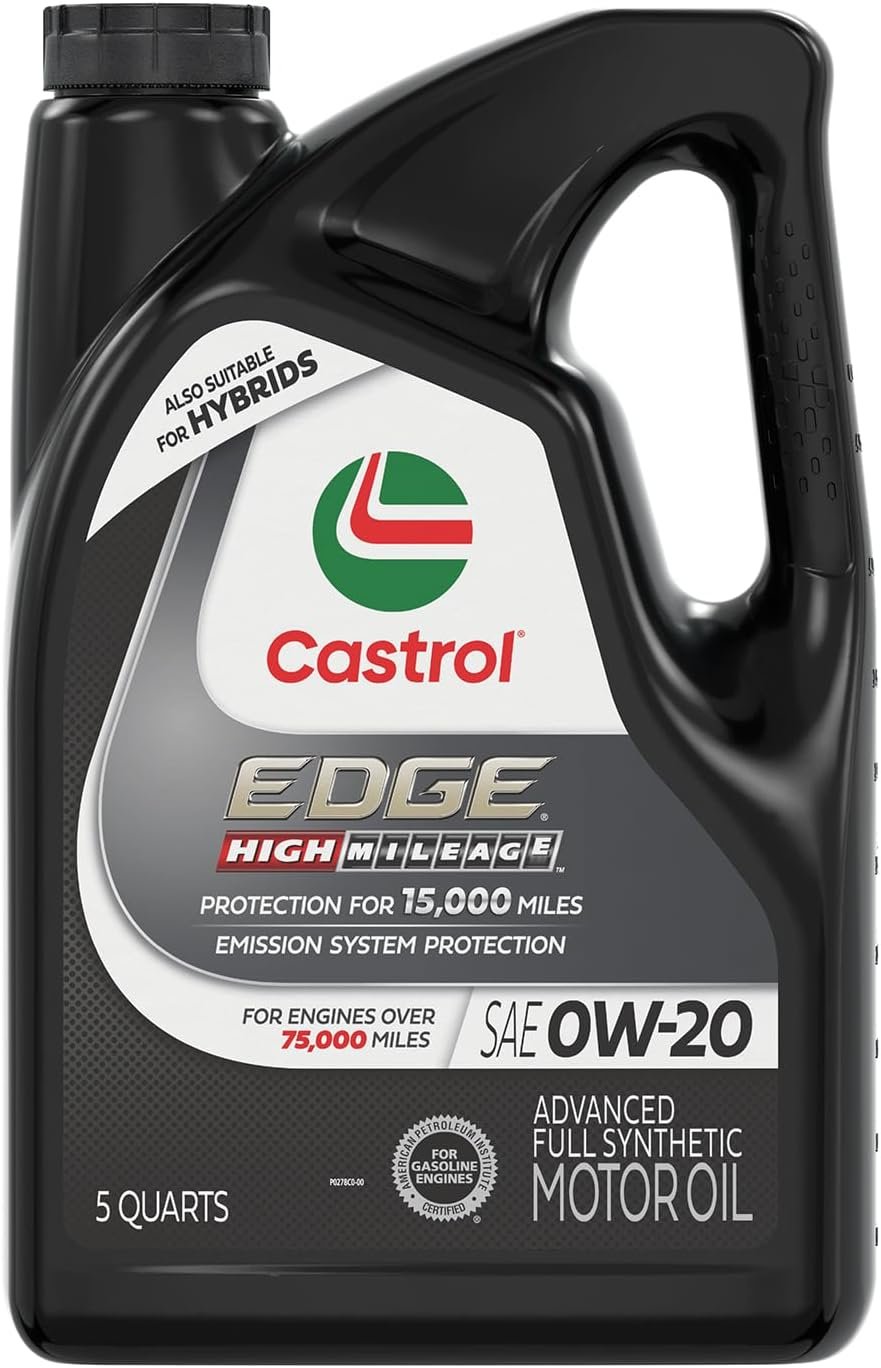
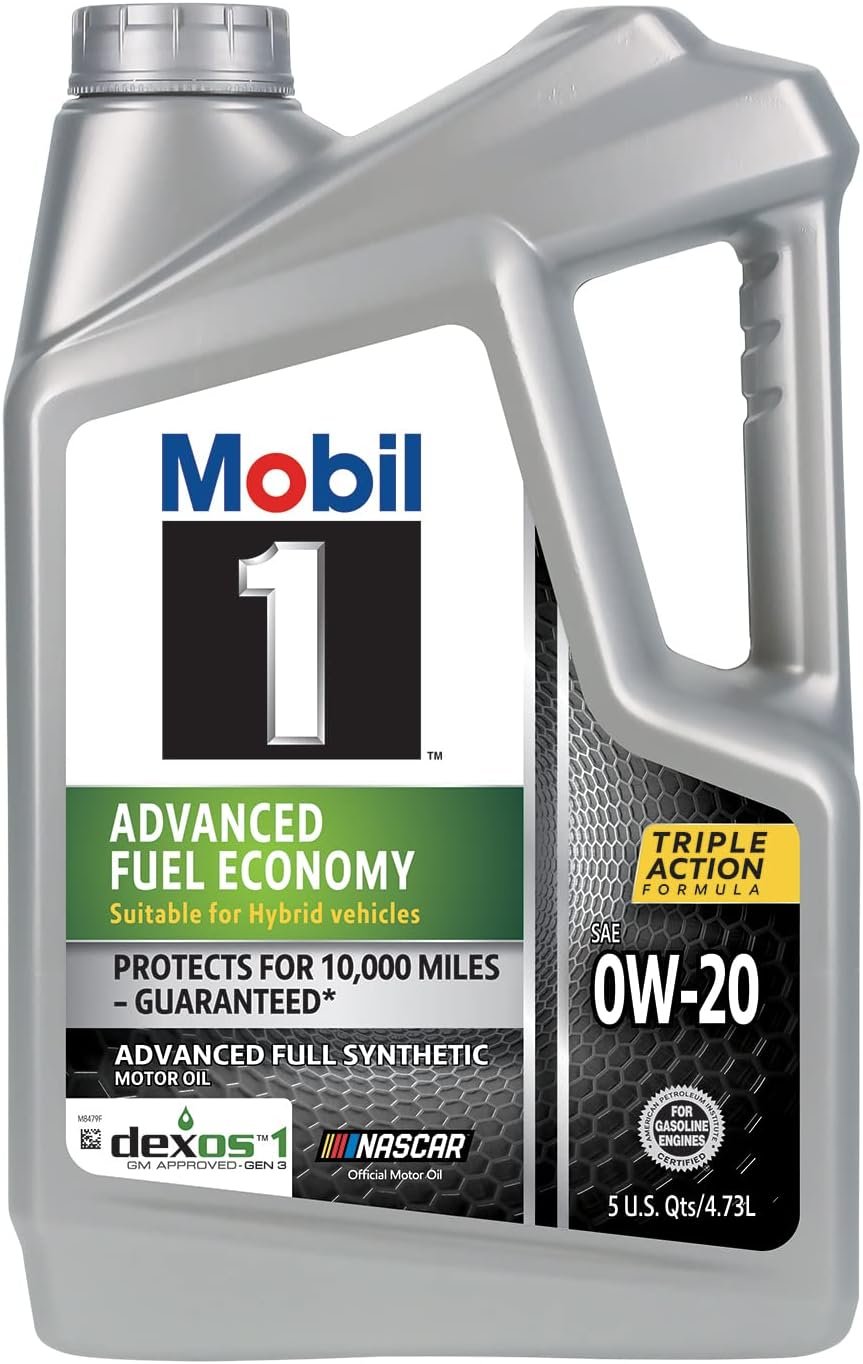
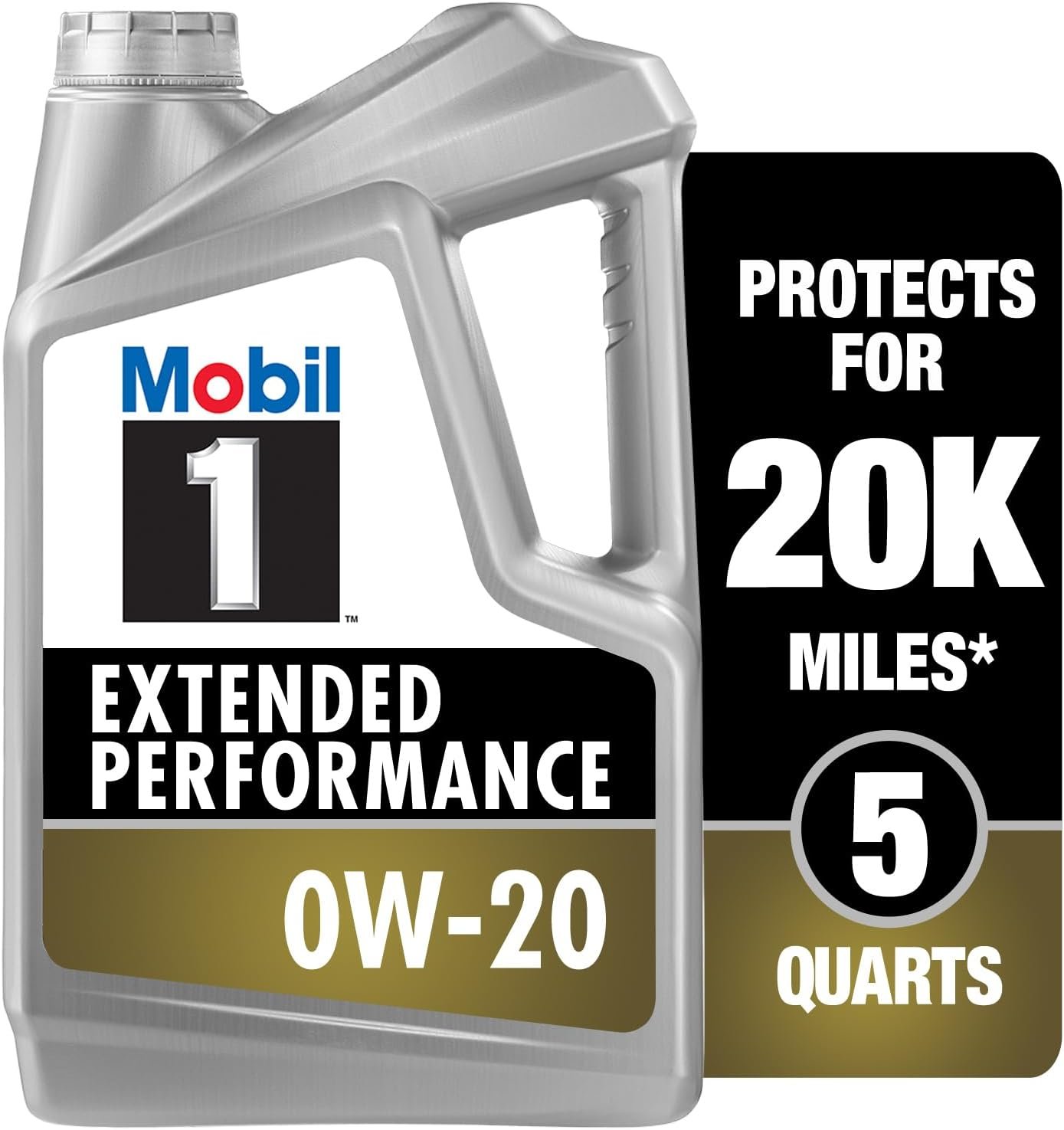
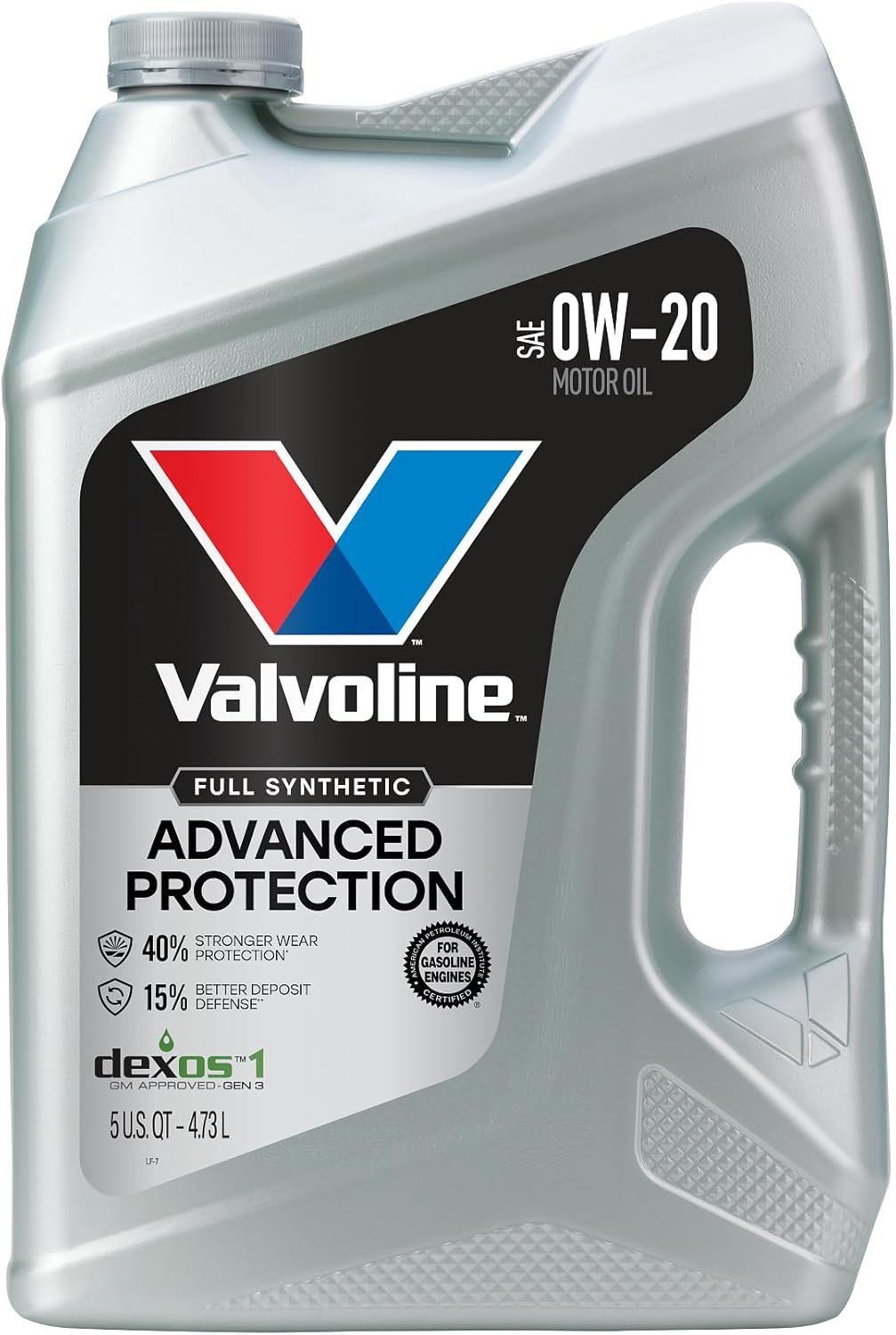
As an Amazon Associate, we may earn from qualifying purchases. This doesn't affect our recommendations — we only suggest oils that hold the exact OEM approval for your engine.
Best Engine Oil for Lexus RX 350 4th Gen AL20 3.5L V6 (295 hp)
The Lexus RX 350 4th generation (AL20 platform, 2016–2022) pairs the luxury crossover segment’s best-selling body with the 2GR-FKS 3.5-litre V6 — Toyota/Lexus’s most technically advanced naturally-aspirated V6. The 2GR-FKS combines D-4ST dual injection (port and direct simultaneously) with VVT-iE electric intake cam phasing — eliminating the intake valve carbon problem that affects GDI-only engines and providing cold-start cam precision independent of oil pressure. For RX 350 owners, the oil specification is straightforward: ILSAC GF-6A 0W-20. Two specific maintenance issues on the 2GR-FKS in RX applications — the VVT-iE oil supply line and water pump — are the primary reliability considerations beyond routine oil service.
Quick Answer: Recommended Oil
- Specification: ILSAC GF-6A (API SP), 0W-20 full synthetic
- Alternative: 5W-20 full synthetic ILSAC GF-6A (if 0W-20 unavailable)
- Oil capacity with filter: 5.4 litres (5.7 US quarts)
- Oil capacity without filter: approx. 5.0 litres (5.3 US quarts)
The 2GR-FKS in the RX 350
The 2GR-FKS is a 3,456 cc DOHC 24-valve V6, bore × stroke 94.0 mm × 83.0 mm. In RX 350 tune, it produces 295 hp — six horsepower less than the 301 hp output in the Toyota Avalon XX50. The difference is ECU calibration only: ignition timing and fuel injection mapping are tuned more conservatively for the luxury SUV’s character. The underlying engine hardware — block, heads, cams, pistons — is identical between applications.
D-4ST Dual Injection: Toyota’s combined injection system uses both port fuel injectors (spraying upstream of the intake valves) and gasoline direct injectors (spraying into the combustion chamber) simultaneously or in sequence. Under light load, port injection alone operates; under higher loads, both systems fire. The critical implication for RX 350 owners: the port injection component washes the intake valve backs with fuel charge on every cycle, preventing the carbon deposits that accumulate on GDI-only engines. Intake valve carbon is not a maintenance concern on the 2GR-FKS.
VVT-iE Electric Intake Cam Phaser: The intake camshaft’s variable valve timing uses an electric motor actuator rather than a hydraulic phaser. This provides instant, precise cam phasing from the first firing stroke — before oil pressure builds sufficiently for a hydraulic actuator to respond. The electric VVT-iE eliminates cold-start cam timing imprecision.
Oil Specification: ILSAC GF-6A
ILSAC GF-6A (API SP) is the correct specification. The 2GR-FKS exhaust camshafts retain conventional hydraulic VVT-i (not electric), and their hydraulic phaser actuators depend on cold-start oil pressure for accurate response. 0W-20’s low cold-temperature viscosity delivers oil to the exhaust cam phaser galleries faster than heavier grades, reducing the open-loop period at cold start.
Technical Specifications
| Specification | Value |
|---|---|
| Displacement | 3,456 cc |
| Layout | V6, DOHC 24v, naturally aspirated |
| Engine code | 2GR-FKS |
| Power / Torque | 295 hp / 267 lb-ft |
| Bore × stroke | 94.0 mm × 83.0 mm |
| Injection | D-4ST: Port + Direct combined |
| Intake VVT | VVT-iE (electric motor) |
| Exhaust VVT | VVT-i (hydraulic) |
| Timing system | Timing chain |
| Oil capacity (with filter) | 5.4 L (5.7 qt) |
| Recommended viscosity | 0W-20 |
| ILSAC classification | GF-6A (API SP) |
Oil Change Intervals
Toyota/Lexus specifies 10,000 miles or 12 months under normal conditions. The recommended practical interval for AL20 RX 350 ownership is 7,500–10,000 miles or 12 months. For vehicles used primarily on short urban trips — common in RX 350 ownership — 7,500 miles or 12 months protects the exhaust VVT hydraulic phasers and timing chain from degraded oil. Highway-focused use can extend to 10,000 miles comfortably.
Why Correct Oil Matters
Exhaust VVT-i hydraulic supply: The exhaust cam phasers’ hydraulic actuators depend on oil pressure and correct viscosity for phase response. Cold-start 0W-20 reaches the exhaust phaser galleries faster than 5W-20 or 5W-30. Using heavier grades as routine fills extends the cold-start period during which exhaust cam timing runs at base position.
Timing chain longevity: ILSAC GF-6A’s chain wear test requirements ensure the oil maintains anti-wear protection across the drain interval. The 2GR-FKS’s timing chain is maintenance-free under correct oil; extended intervals with degraded oil are the primary contributor to chain guide wear.
Common 2GR-FKS Problems in RX 350 Application
VVT-iE oil supply line failure: The most significant documented issue on AL20 RX 350s. A rubber oil supply hose connects the main oil gallery to the VVT-iE electric actuator assembly. This hose degrades with age and heat cycling, developing cracks or ruptures that reduce oil pressure to the actuator and, in severe cases, cause oil loss. Symptoms include a clicking or knocking from the front of the engine, VVT-related check engine codes, and (in advanced cases) low oil pressure warnings. Lexus has addressed this under warranty for affected vehicles; at high mileage (above 80,000 miles), the hose should be inspected during valve cover gasket service. Replacement cost is modest but requires valve cover removal.
Cold-start VVT rattle: A brief rattle lasting 1–3 seconds at cold start is reported on some higher-mileage 2GR-FKS engines — the oil in the VVT actuator galleries bleeds down while the engine is parked, causing a momentary rattle until pressure rebuilds. Fresh 0W-20 that reaches the VVT circuits promptly minimises this. Persistent rattle beyond 10 seconds warrants VVT actuator inspection.
Water pump failure: AL20 RX 350 water pump failures are reported at 30,000–80,000 miles — higher than typical for a Toyota/Lexus product. The water pump bearing and seal wear is not oil-related but correlates with coolant maintenance intervals. Monitor coolant condition alongside oil service.
Conclusion
The Lexus RX 350 AL20 2GR-FKS is one of the most refined naturally-aspirated V6 engines available in a luxury crossover — D-4ST eliminates intake valve carbon, VVT-iE provides cold-start precision, and the absence of turbocharging removes the main thermal stress point of smaller-displacement competitors. ILSAC GF-6A 0W-20 at 7,500–10,000 mile intervals is the correct specification. Inspect the VVT-iE oil supply hose during scheduled services above 60,000 miles — catching this before rupture prevents the oil pressure loss scenario that is the 2GR-FKS’s primary reliability concern in RX 350 application.
Our Top Picks
As an Amazon Associate, we may earn from qualifying purchases. This doesn't affect our recommendations — we only suggest oils that hold the exact OEM approval for your engine.