 Oil-
Oil-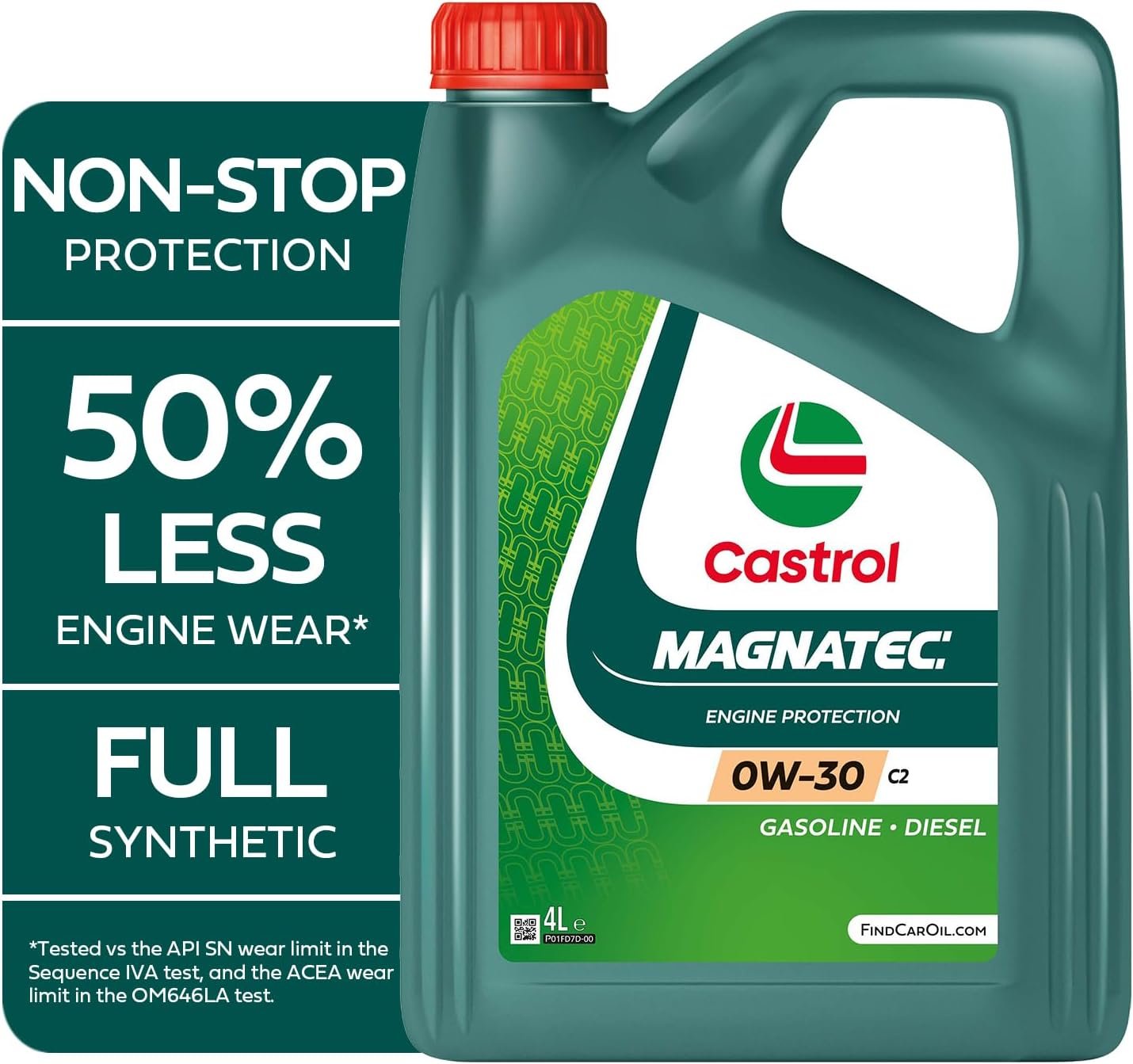
As an Amazon Associate, we may earn from qualifying purchases. This doesn't affect our recommendations — we only suggest oils that hold the exact OEM approval for your engine.
Best Engine Oil for Ford Transit Custom 2.0 EcoBlue (130/170 hp)
The Ford Transit Custom is the definitive medium panel van in the UK market, and the 2.0 EcoBlue engine introduced in the 2016 facelift marked a significant engineering step forward from the older 1.6 TDCi. This 2.0-litre four-cylinder turbodiesel uses piezoelectric direct injection at pressures up to 2,000 bar and a variable-geometry turbocharger — built to handle the relentless start-stop demands of courier work, last-mile delivery, and trade use. Choosing the right engine oil is critical here: DPF protection, oil dilution from urban duty, and turbo longevity all depend on running the correct specification.
Quick Answer: Recommended Oil
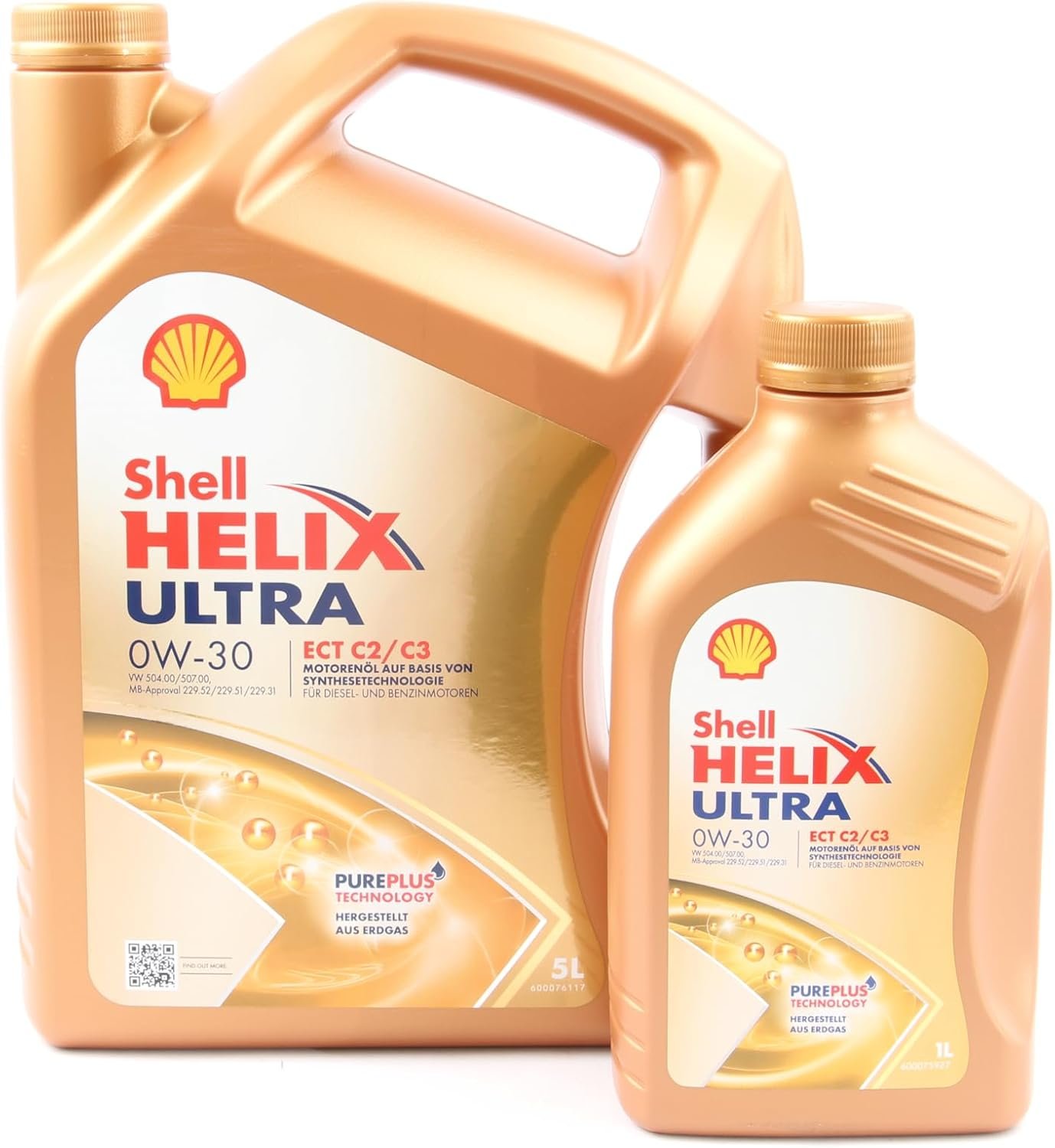
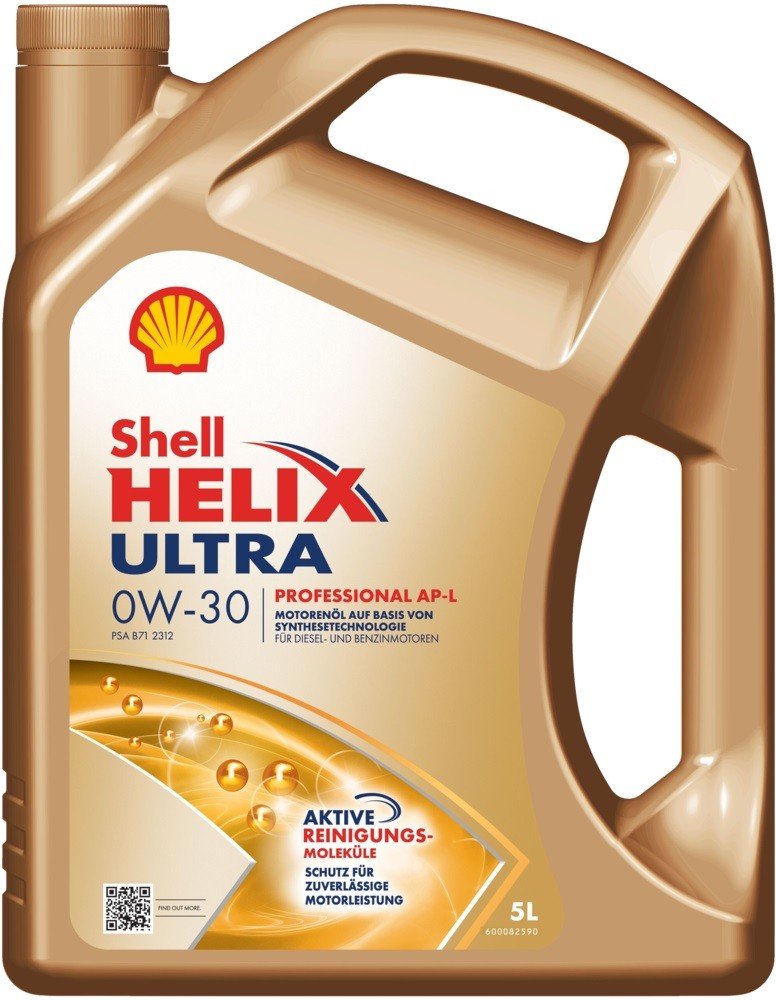
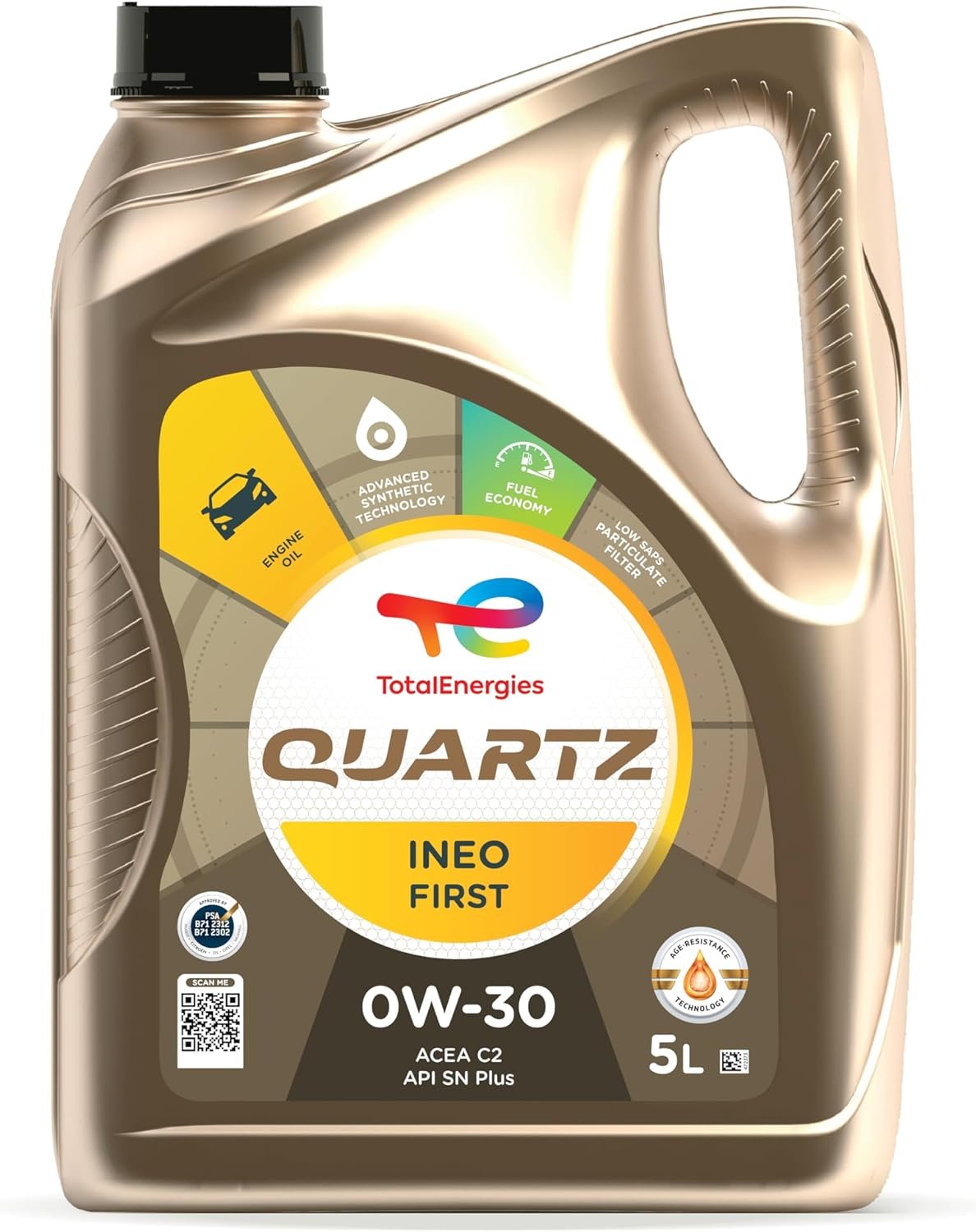
- Specification: Ford WSS-M2C950-A (ACEA C2, 0W-30)
- Alternative: Ford WSS-M2C913-D (ACEA A5/B5, 5W-30)
- Oil capacity with filter: 9.1 litres
- Oil capacity without filter: 8.3 litres
The 2.0 EcoBlue Engine
Ford’s 2.0 EcoBlue (Duratorq) arrived in the Transit Custom with a clean-sheet approach to commercial diesel engineering. Available in 105, 130, and 170 hp outputs — with a 185 hp twin-turbo variant for the high-output Custom — the engine uses third-generation piezoelectric injectors at up to 2,000 bar, among the highest pressures in its class. The variable-geometry turbocharger (VGT) continuously adjusts boost pressure across the rev range, delivering strong torque from low RPM that is essential for laden van operation.
The drive system uses a timing belt rather than a chain, with a service interval of 125,000 miles. Stop-start is standard.
Where the EcoBlue truly differentiates from its predecessor is in the oil mandate. Unlike the older 5W-30 diesels in the Ford van range, the EcoBlue requires 0W-30 meeting WSS-M2C950-A. This thinner oil flows to VGT turbo bearings and high-pressure injector components within seconds of cold start — critical for a van that may undergo dozens of cold starts per shift. On the 170 and 185 hp variants, a sequential twin-turbo system adds further thermal and lubrication demands.
Understanding Ford WSS-M2C950-A
Ford’s WSS-M2C950-A mandates ACEA C2 chemistry in a 0W-30 viscosity. The C2 classification is distinct from C3: C2 oils have an HTHS viscosity of ≥2.9 mPa·s (lower than C3’s ≥3.5), providing better fuel economy while maintaining adequate film strength under load.
This specification is driven by the DPF. High-SAPS conventional oils generate metallic combustion ash that permanently deposits in the DPF — ash that no regeneration cycle can remove. ACEA C2 limits sulphated ash to just 0.5% (stricter than C3’s 0.8%), providing enhanced DPF protection and extending time between forced regenerations. Using a generic ACEA A3 or B4 5W-40 oil will void Ford’s warranty and cause DPF failure within 30,000–40,000 miles.
The alternative WSS-M2C913-D (ACEA A5/B5, 5W-30) is acceptable where the primary spec is unavailable, but 0W-30 WSS-M2C950-A should always be the first choice for the EcoBlue.
Technical Specifications
| Specification | Value |
|---|---|
| Displacement | 1,996 cc |
| Layout | 4-cylinder inline, turbodiesel |
| Engine codes | YMFS / YMF6 (130 hp) / YNFS / YNF6 (170 hp) |
| Power output | 105 / 130 / 170 / 185 hp |
| Injection system | Common-rail piezoelectric, up to 2,000 bar |
| Turbocharger | Variable-geometry (single or sequential twin) |
| Oil capacity (with filter) | 9.1 litres |
| Oil capacity (without filter) | 8.3 litres |
| Recommended viscosity | 0W-30 |
| Alternative viscosity | 5W-30 |
| Ford OEM norm | WSS-M2C950-A (primary) / WSS-M2C913-D (alternative) |
| ACEA classification | C2 |
Oil Change Intervals
Ford’s Intelligent Oil Life Monitor can extend service intervals to 25,000 miles / 2 years under ideal conditions. For Transit Custom in commercial service, this is far too long.
For vans doing mixed road duty with regular sustained driving, 10,000–12,000 miles or once annually is the recommended maximum. For urban delivery, last-mile courier, or predominantly short-trip use, reduce to 7,500 miles or 6 months. The reason is DPF-related oil dilution: urban duty prevents DPF active regeneration cycles from completing, causing unburned diesel to enter the sump via late-cycle cylinder wash. Diluted oil thins, loses viscosity, and accelerates turbo bearing wear. Check the oil level monthly in heavy van use — a rising dipstick combined with a diesel smell confirms dilution requiring an immediate change.
Why Correct Oil Matters for the EcoBlue
The variable-geometry turbocharger is the component most sensitive to oil quality. The VGT vanes must pivot freely under high temperatures; carbon contamination from non-compliant oil bakes onto the vane mechanism and causes sticking, triggering limp mode. Turbo failure — when oil starvation or viscosity breakdown destroys the bearing — is the most expensive consequence of incorrect lubrication on this engine.
The piezoelectric injectors operating at 2,000 bar also demand precise anti-wear chemistry. ACEA C2 oils include molybdenum-based friction modifiers that protect the injector camshaft drive and high-pressure pump without generating excess ash.
Using a conventional 5W-40 or non-ACEA C2 oil in this engine is a false economy — the ash generated will shorten DPF life dramatically, and higher HTHS viscosity reduces the fuel savings that give the EcoBlue name its meaning.
Common EcoBlue Problems Related to Oil
DPF oil dilution: The most common oil-related issue in EcoBlue vans on urban duty. Short trips prevent passive regeneration; active regen injects diesel late in the combustion cycle, and a portion washes into the sump. Monitor oil level and quality regularly.
Injector coating failure: Affected 2017–2019 production units — internal injector coating debonding caused blockages. Ford issued a service action; correct oil specification helps prevent secondary debris accumulation.
VGT vane sticking: Carbon deposits from poor combustion or extended drain intervals accumulate on the turbo vanes. Regular oil changes with WSS-M2C950-A-approved oil dramatically reduce this risk by limiting ash and combustion by-products.
EGR cooler fouling: The high-pressure EGR circuit deposits soot in the valve and cooler, particularly in urban vans. Extended oil intervals increase combustion by-products, accelerating soot accumulation.
Conclusion
The Ford Transit Custom 2.0 EcoBlue is one of the most capable medium van engines on the market — but it demands precise lubrication. The 0W-30 WSS-M2C950-A (ACEA C2) specification is not interchangeable with generic diesel oils. With correct lubrication and commercially appropriate service intervals (6–12 months depending on duty cycle), the EcoBlue is a reliable commercial powerhouse. Neglect the oil specification, and DPF failure and turbo damage follow with predictable certainty.
Our Top Picks
As an Amazon Associate, we may earn from qualifying purchases. This doesn't affect our recommendations — we only suggest oils that hold the exact OEM approval for your engine.