 Oil-
Oil-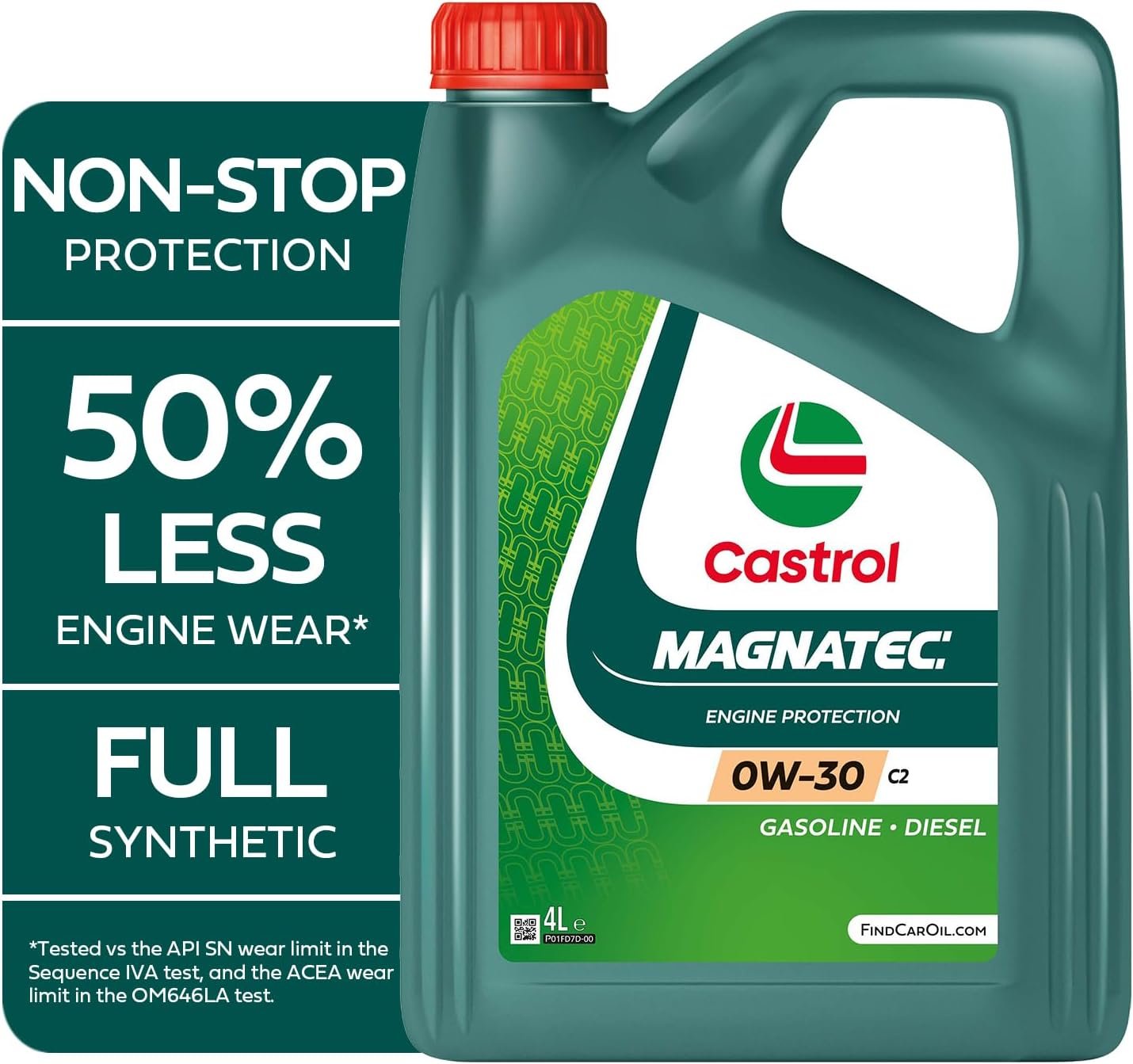
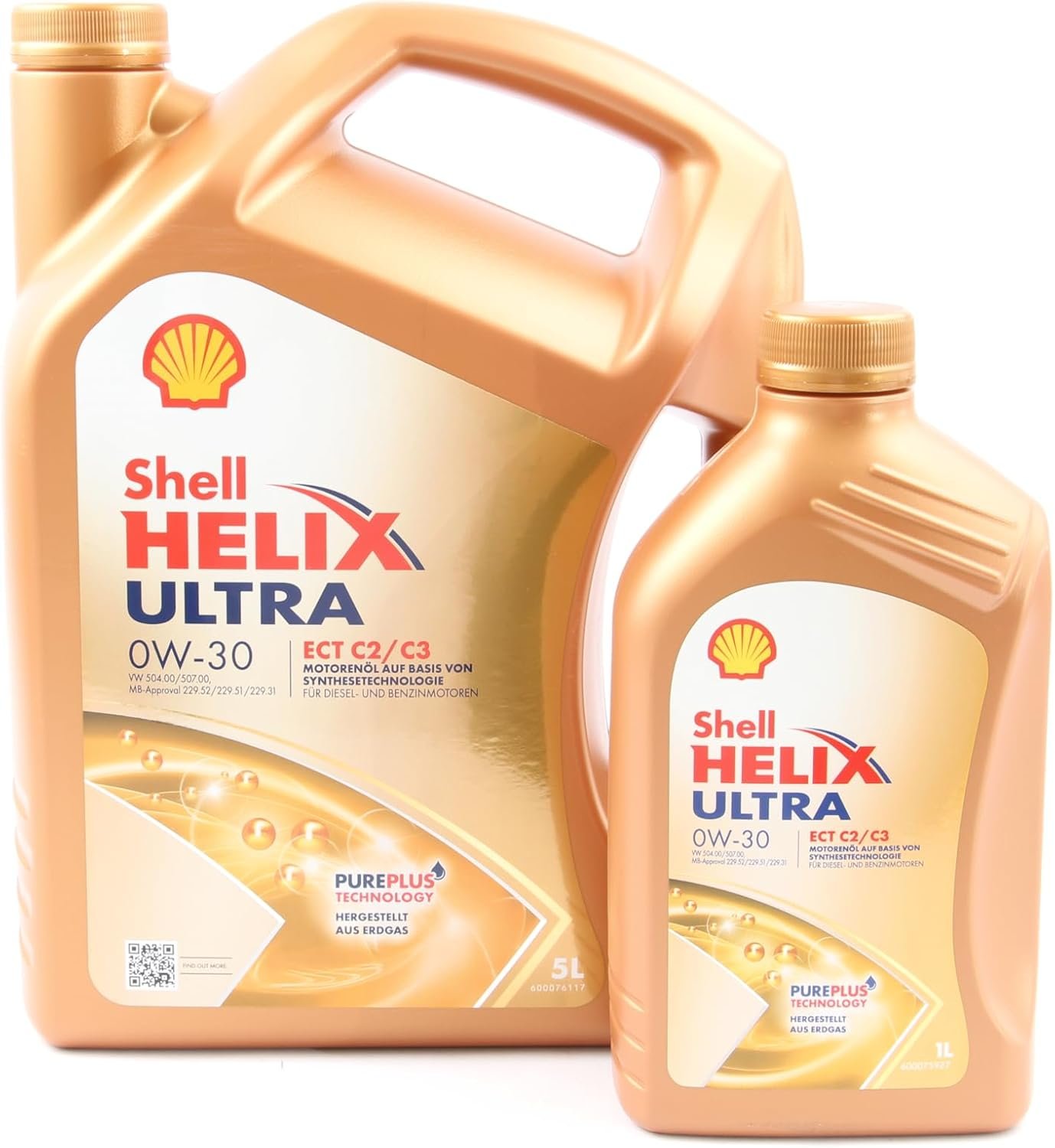
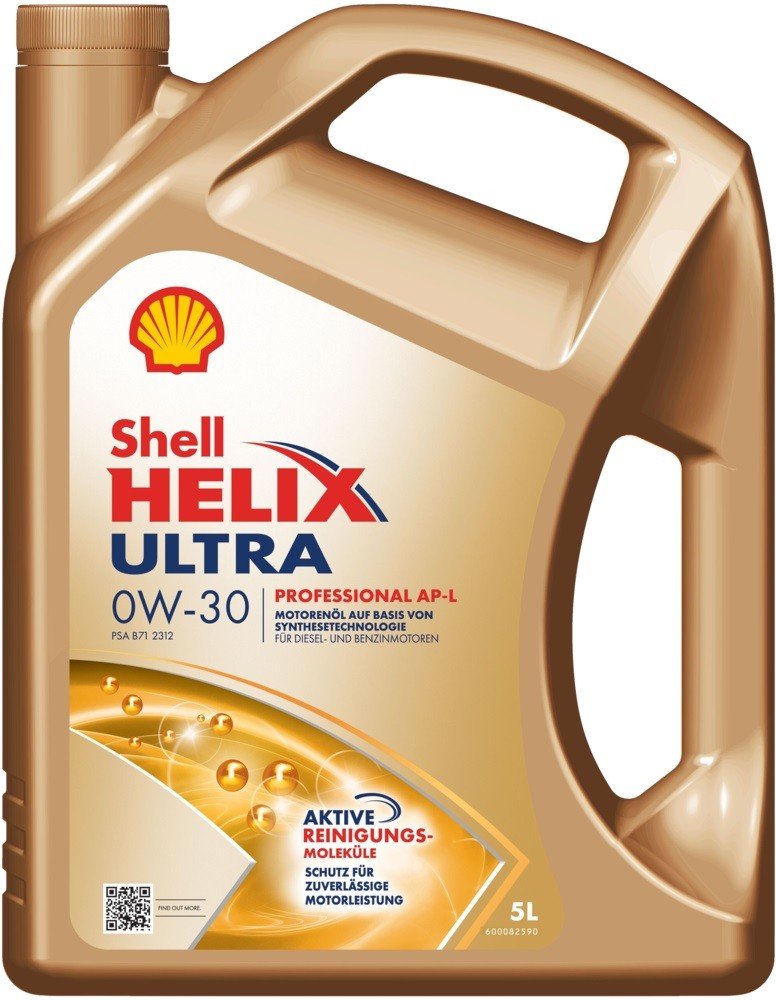
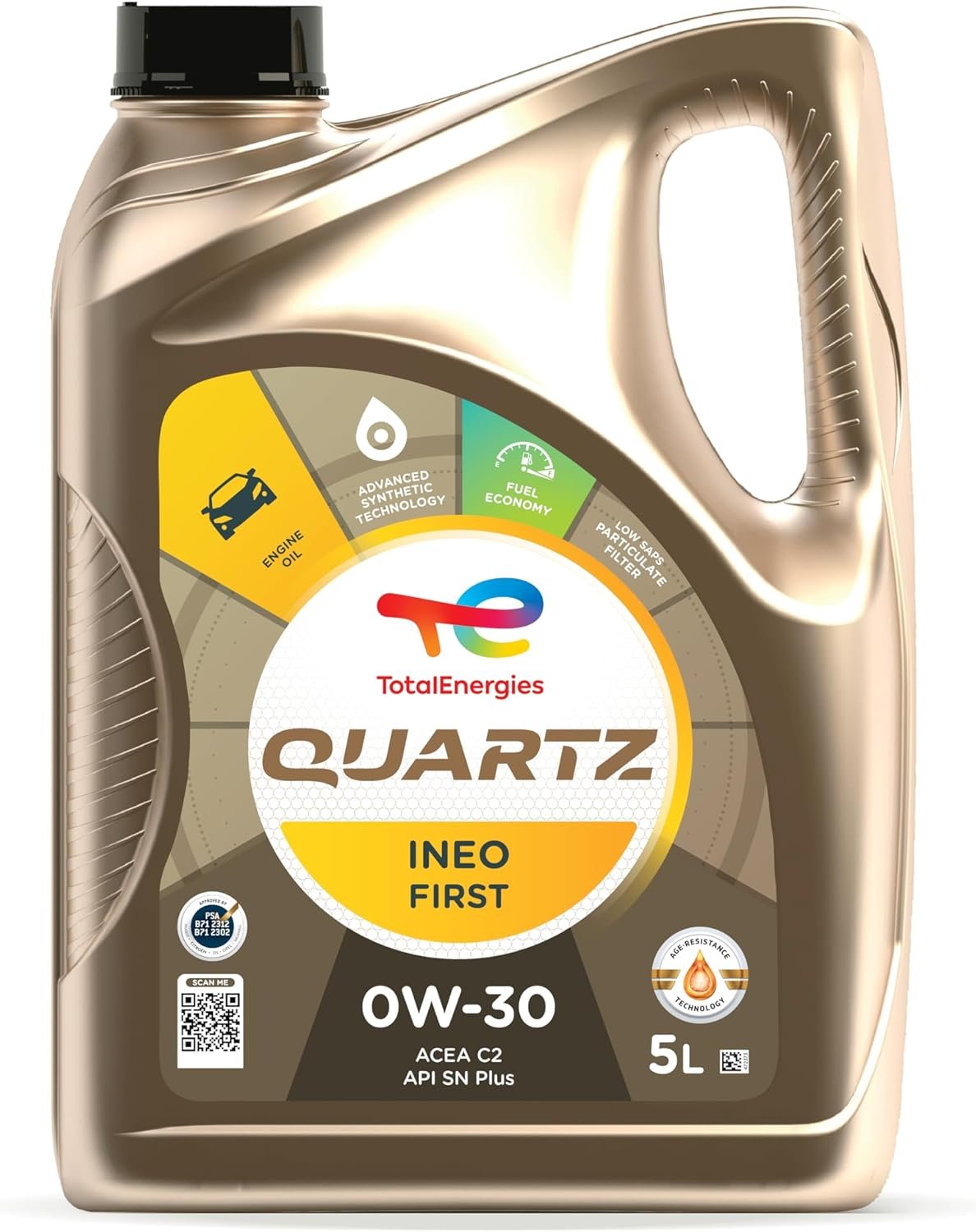
As an Amazon Associate, we may earn from qualifying purchases. This doesn't affect our recommendations — we only suggest oils that hold the exact OEM approval for your engine.
Best Engine Oil for Ford Mondeo Mk5 2.0 TDCi (150/180 hp)
The Ford Mondeo Mk5 (2014–2022) is one of the final expressions of the traditional large family diesel — a car engineered to high standards, discontinued not from reliability failures but from the broader market shift away from the D-segment. The 2.0 TDCi Duratorq engine, available in 150 hp (T7CE) and 180 hp (T8CC) forms, is an accomplished unit that reflects a generation of Euro 6 diesel engineering. Understanding its oil specification — which differs from older Ford diesels and many competing engines — is essential to protecting it through the high mileages it is capable of achieving.
Quick Answer: Recommended Oil
- Specification: Ford WSS-M2C950-A (ACEA C2), 0W-30
- Alternative: 5W-30 ACEA C2 (where 0W-30 WSS-M2C950-A is unavailable)
- Oil capacity with filter: 6.1 litres
- Oil capacity without filter: approx. 5.7 litres
The T7CE and T8CC Engines
Both variants share the same 1,997 cc all-aluminium DOHC 16-valve block — bore × stroke 85.0 mm × 88.0 mm — with third-generation common-rail direct injection operating at up to 2,000 bar. This elevated injection pressure improves fuel atomisation and combustion efficiency sufficiently to enable Euro 6 compliance while reducing particulate formation at source, which in turn allows the use of ACEA C2 (rather than C3) oil.
The T7CE at 150 hp uses a single variable-geometry turbocharger. The T8CC at 180 hp is a sequential bi-turbo — a small low-pressure turbo handles low-rpm response and spool-up, with a larger high-pressure turbo taking over at higher engine loads. Both share the same oil specification and capacity.
The timing system is chain-driven with a hydraulic tensioner — a detail important to oil maintenance intervals. There is no timing belt; chain health is directly tied to oil quality and change frequency.
Understanding Ford WSS-M2C950-A
Ford introduced WSS-M2C950-A for its Euro 6 TDCi diesel range, superseding the older WSS-M2C913-C/D used on Mk4 Mondeo and pre-Euro 6 engines. The distinction between these specifications matters:
WSS-M2C913-C/D (older): Designed for Euro 5 TDCi engines, aligns broadly with ACEA A5/B5. Lower injection pressures and less aggressive DPF regeneration management made this appropriate for its era.
WSS-M2C950-A (current): Mandates ACEA C2 chemistry with a minimum HTHS viscosity of 2.9 mPa·s. The C2 classification is specifically chosen over C3 for the Mk5’s Euro 6 aftertreatment: C2 provides lower sulphated ash (enabling lower DPF ash loading rates under the higher-frequency active regeneration cycles of Euro 6 management) while the 2.9 mPa·s HTHS floor maintains adequate film strength at turbo bearings and cylinder walls under full load.
Using a C3 5W-30 in the Mondeo Mk5 is not catastrophic — C3 oils are adequate for lubrication — but they generate a higher ash load at the DPF and are not the engineering specification. WSS-M2C950-A is available from Shell (Helix Ultra ECT C2/C3 0W-30), Castrol (Edge Professional OE 0W-30), and Mobil 1 (ESP 0W-30), with approvals clearly stated on the label.
Technical Specifications
| Specification | Value |
|---|---|
| Displacement | 1,997 cc |
| Layout | 4-cylinder inline, DOHC 16v, turbodiesel |
| Engine codes | T7CE (150 hp / 370 Nm) / T8CC (180 hp / 400 Nm) |
| Bore × stroke | 85.0 mm × 88.0 mm |
| Injection system | Common-rail direct injection, ~2,000 bar |
| Turbocharger | Single VGT (T7CE) / Sequential bi-turbo (T8CC) |
| Timing system | Timing chain with hydraulic tensioner |
| Oil capacity (with filter) | 6.1 litres |
| Oil capacity (without filter) | approx. 5.7 litres |
| Recommended viscosity | 0W-30 |
| Alternative viscosity | 5W-30 |
| Ford OEM norm | WSS-M2C950-A |
| ACEA classification | C2 |
Oil Change Intervals
Ford’s Intelligent Oil Life Monitor (IOLM) can indicate changes at intervals reaching 18,000 miles under ideal conditions. The recommended practical limit for the Mondeo Mk5 2.0 TDCi is 10,000–12,000 miles or 12 months for mixed driving.
The 6.1-litre sump capacity means some owners develop false confidence that the large oil volume justifies extended intervals — it does not. The larger capacity buffers dilution and soot load but does not slow degradation of the oil’s additive package. For cars used predominantly for short urban journeys — the worst pattern for DPF health and oil dilution risk — reduce to 8,000–10,000 miles or 10 months and check oil level monthly.
Why the 180 hp Bi-Turbo Demands Oil Discipline
The T8CC sequential bi-turbo adds a specific maintenance consideration. The small low-pressure turbo operates under load at low engine speeds — including during warm-up from cold start — and must receive adequate oil film within seconds of ignition. At the end of a long service interval, degraded 0W-30 oil that has absorbed diesel fuel and combustion blow-by behaves like a thinner, lower-HTHS fluid. This is precisely the condition under which turbo bearing failure begins.
The T7CE’s single VGT is less complex but equally dependent on correct oil. VGT vane sticking — from carbon deposits associated with degraded or high-SAPS oil — is a documented failure mode on this engine generation.
Common Mondeo Mk5 TDCi Problems Related to Oil
DPF blockage: Short-trip urban driving prevents passive DPF regeneration. Ford’s active regen system raises exhaust temperature through post-combustion injection; interrupted cycles deposit diesel in the sump. Correct WSS-M2C950-A oil slows DPF ash accumulation; regular motorway runs are essential.
EGR cooler cracking: The cooled EGR circuit routes hot exhaust gases through a water-cooled heat exchanger. Thermal cycling eventually causes the cooler to crack — coolant enters the intake manifold, producing white smoke and emulsified oil. This is an expensive repair and the most common workshop complaint on high-mileage Mk5 TDCi engines.
Timing chain tensioner wear: The hydraulic tensioner feeds from the main oil gallery. Degraded oil at extended intervals reduces hydraulic pressure at cold start; chain rattle in the first seconds after start-up is the early warning. On cars with documented oil maintenance, timing chain problems are rare before 150,000+ miles.
Oil dilution from DPF regen: Particularly in urban use. A rising oil level between services and a diesel smell from the dipstick confirm dilution — change immediately regardless of mileage.
Conclusion
The Ford Mondeo Mk5 2.0 TDCi is one of the most capable diesels of its era — refined, powerful at 150 or 180 hp, and economical. Ford WSS-M2C950-A 0W-30 is the correct specification, chosen for this engine’s specific Euro 6 aftertreatment architecture. Annual changes at a maximum of 10,000–12,000 miles protect the timing chain tensioner, the bi-turbo system, and the DPF simultaneously. The large 6.1-litre sump is a buffer, not an excuse to extend intervals.
Our Top Picks
As an Amazon Associate, we may earn from qualifying purchases. This doesn't affect our recommendations — we only suggest oils that hold the exact OEM approval for your engine.