 Oil-
Oil-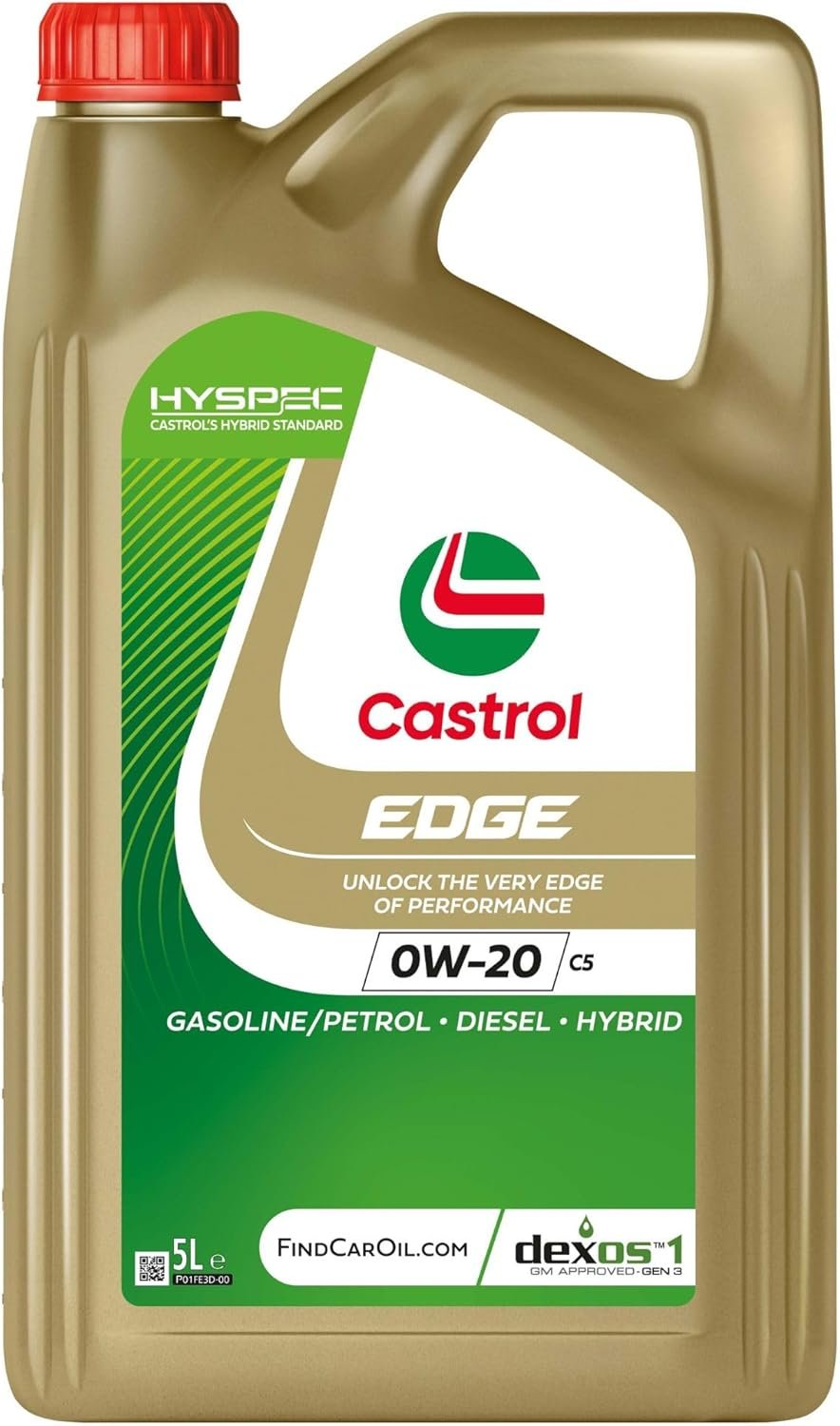
As an Amazon Associate, we may earn from qualifying purchases. This doesn't affect our recommendations — we only suggest oils that hold the exact OEM approval for your engine.
Best Engine Oil for Kia Sorento MQ4 2.5L Turbo GDi (281 HP) — G4KN-T
The fourth-generation Kia Sorento (MQ4, 2021-present) equipped with the 2.5-liter Smartstream Turbo GDi engine is a genuinely powerful three-row SUV that competes directly with the Toyota Highlander and Honda Pilot in the American market. The G4KN-T produces 281 horsepower and 311 lb-ft of torque from a compact turbocharged four-cylinder, offering V6-rivaling performance with better fuel economy on paper. It is also an engine with a documented history of oil consumption issues, piston ring problems, and, in the Korean domestic market, engine seizure recalls that American owners should understand. Choosing the correct engine oil is not a trivial decision for this powertrain. The Smartstream 2.5T demands full synthetic 0W-20 meeting API SP to protect its direct-injected, turbocharged architecture from low-speed pre-ignition and to maintain the piston ring seal integrity that has proven to be this engine’s most significant vulnerability. This guide covers everything Sorento 2.5T owners need to know about oil selection, capacity, and the specific failure modes that make correct lubrication critical.
Quick Answer: Recommended Oil
For Kia Sorento MQ4 2.5 Turbo GDi (281 HP, G4KN-T):
- Specification: API SP / ILSAC GF-6A
- Viscosity: SAE 0W-20
- Oil capacity: 6.1 quarts with filter (5.8 quarts without)
Critical: Only use 0W-20 full synthetic oil meeting API SP. The G4KN-T’s turbocharger, direct injection system, and tight piston ring tolerances are engineered around this viscosity. Using 5W-20 or 5W-30 will not solve oil consumption issues and may worsen cold-start wear by slowing initial oil circulation to the turbo bearings.
The Smartstream 2.5T Engine
The G4KN-T is part of Hyundai-Kia’s Smartstream engine family, shared with the Hyundai Santa Fe, Genesis GV70, and Kia K5 GT. It is a 2,497cc inline four-cylinder with an aluminum block and head, producing 281 horsepower at 5,800 RPM and 311 lb-ft of torque from 1,700 to 4,000 RPM. The engine pairs with an eight-speed wet dual-clutch transmission in the Sorento, delivering power to either the front or all four wheels depending on configuration.
The Smartstream 2.5T uses a dual injection system combining gasoline direct injection (GDI) and multi-point injection (MPI). Under light loads and during warm-up, the port injectors deliver fuel to keep intake valves clean and reduce the carbon buildup that plagues GDI-only engines. Under heavier loads, the high-pressure direct injectors take over for precise fuel metering and knock resistance. This dual system also helps manage combustion chamber temperatures, which is directly relevant to the engine’s piston ring challenges. The turbocharger is a twin-scroll unit with an electronically controlled wastegate, providing rapid boost response and broad torque availability.
The engine also features continuously variable valve timing on both intake and exhaust camshafts, an integrated exhaust manifold cast into the cylinder head for faster catalytic converter warm-up, and a thermal management system with an electric water pump that continues circulating coolant after engine shutdown to prevent heat soak in the turbocharger housing.
Understanding API SP and Why It Matters Here
API SP is the current top-tier gasoline engine oil service category, introduced in 2020 to address the specific lubrication challenges of modern turbocharged, direct-injected engines. For the G4KN-T, two aspects of the API SP specification are particularly important.
LSPI prevention. Low-speed pre-ignition is a destructive phenomenon where the fuel-air mixture ignites before the spark plug fires during high-load, low-RPM operation. In a turbocharged engine making 311 lb-ft of torque as low as 1,700 RPM, the conditions for LSPI are present during everyday driving situations like merging onto a highway or climbing a grade with a loaded vehicle. A single LSPI event can crack a piston or bend a connecting rod. API SP oils contain additive chemistry specifically reformulated to reduce calcium-based detergents that have been identified as LSPI triggers, replacing them with magnesium-based alternatives that provide equivalent cleaning without the pre-ignition risk.
Timing chain wear protection. API SP introduced enhanced anti-wear requirements for timing chain and tensioner systems. The G4KN-T uses a timing chain rather than a belt, and chain stretch from inadequate lubrication leads to valve timing errors, rough running, and eventually catastrophic interference between valves and pistons. The improved zinc dialkyldithiophosphate (ZDDP) formulations in API SP oils provide better chain and sprocket protection than previous API SN Plus oils.
ILSAC GF-6A is the companion fuel economy specification that works alongside API SP. Oils carrying both certifications deliver the complete protection package the Smartstream 2.5T requires.
Technical Specifications: 2.5 Turbo GDi (G4KN-T)
| Specification | Value |
|---|---|
| Displacement | 2,497cc (2.5 liters) |
| Layout | Inline-4, transverse, aluminum block and head |
| Valvetrain | DOHC, 16 valves, CVVT intake and exhaust, timing chain |
| Fuel System | Dual injection (GDI + MPI) |
| Turbocharger | Twin-scroll, electronically controlled wastegate |
| Power | 281 HP @ 5,800 RPM |
| Torque | 311 lb-ft @ 1,700-4,000 RPM |
| Compression Ratio | 10.5:1 |
| Fuel Type | Regular 87 octane (91 recommended for full performance) |
| Recommended Viscosity | SAE 0W-20 |
| Oil Capacity (without filter) | 5.8 quarts (5.5 liters) |
| Oil Capacity (with filter) | 6.1 quarts (5.8 liters) |
| Oil Specification | API SP / ILSAC GF-6A |
Strong Alternative: Pennzoil Ultra Platinum 0W-20 Pennzoil’s PurePlus gas-to-liquid base stock technology produces a base oil of exceptional purity, which translates to fewer deposits in piston ring grooves and oil galleries. For an engine with known piston ring sensitivity, keeping the ring lands clean is a meaningful maintenance advantage. Full API SP and ILSAC GF-6A certification. Available for $27-31 for 5 quarts.
Best Value: Valvoline Advanced Full Synthetic 0W-20 Valvoline’s full synthetic 0W-20 meets API SP and ILSAC GF-6A with a well-balanced additive package at the most competitive price point. Widely available at Walmart, AutoZone, O’Reilly, and Amazon for $23-27 for 5 quarts. A solid no-compromise choice for owners maintaining strict 5,000-mile change intervals.
Oil Change Intervals
Kia Official Recommendation:
- 7,500 miles or 12 months (whichever comes first) under normal conditions
- 5,000 miles or 6 months under severe conditions
Recommended Practice: 5,000 miles or 6 months, whichever comes first.
Most American driving patterns qualify as “severe” under Kia’s own definition: frequent short trips, stop-and-go traffic, dusty conditions, towing, or temperatures above 90 degrees F or below 10 degrees F. Given the G4KN-T’s documented oil consumption tendencies, shortening the interval to 5,000 miles is cheap insurance. At $25-30 for oil and a filter, each oil change costs roughly half of one hour’s labor rate at a dealership. The cost of a piston ring repair or engine replacement dwarfs a lifetime of 5,000-mile oil changes.
Check your oil level every 1,000 miles. This is not optional for Smartstream 2.5T owners. The engine may consume oil between changes, and catching a low level early prevents the cascading damage that occurs when the turbo bearings and piston rings are starved of lubrication.
Common G4KN-T Problems Related to Oil
Piston ring oil consumption. The most significant issue affecting the Smartstream 2.5T is excessive oil consumption caused by piston ring design and sealing problems. Kia issued a Technical Service Bulletin acknowledging that some G4KN-T engines consume oil at rates exceeding one quart per 1,000 miles. The TSB establishes a consumption threshold: if the engine uses more than one quart per 1,000 miles, Kia considers this excessive and authorizes inspection and potential piston ring replacement under warranty. The root cause involves the piston ring gap design. The Smartstream 2.5T uses a double ring gap configuration engineered to handle the thermal expansion differences between the GDI and MPI combustion modes. When combustion chamber temperatures shift between the two injection strategies, the rings must maintain seal under varying thermal loads. In some engines, the ring gaps allow oil to migrate past the pistons into the combustion chamber at rates beyond acceptable limits. Symptoms include blue-gray exhaust smoke during acceleration, a persistent oil smell from the tailpipe, and oil levels dropping noticeably between 1,000-mile checks.
Fuel dilution from direct injection. Like all turbocharged GDI engines, the G4KN-T is susceptible to fuel washing past the piston rings during cold starts and entering the crankcase oil. The dual injection system mitigates this compared to GDI-only engines by using port injection during warm-up, but some fuel dilution still occurs. In cold climates with frequent short trips, this can reduce the oil’s effective viscosity and compromise the ring seal further. If your dipstick shows a rising oil level or the oil smells of gasoline, change it immediately regardless of mileage.
Korean market engine seizure recall. In 2023-2024, Hyundai-Kia issued recalls in the Korean domestic market for Smartstream 2.5T engines in the Hyundai Santa Fe and related models due to engine seizures linked to manufacturing defects in connecting rod bearings and oil passage machining. While the specific recall has not been formally extended to the US market as of this writing, the underlying engine architecture is identical. American owners should monitor NHTSA recall notices and ensure their VIN is checked at any Kia dealership visit. The seizure issue appears concentrated in specific production batches rather than being a systemic design flaw, but it underscores the importance of maintaining proper oil level and quality in these engines.
Turbocharger bearing wear. The twin-scroll turbocharger depends entirely on engine oil for bearing lubrication and cooling. Oil that has degraded from excessive heat cycling, fuel dilution, or extended drain intervals cannot maintain the film strength the turbo bearings require at shaft speeds exceeding 150,000 RPM. Symptoms of early turbo bearing wear include a whining noise during boost, oil weeping from the turbo housing seals, and blue smoke at startup that clears within seconds. Turbo replacement on the Sorento 2.5T runs $1,800 to $2,500 including labor.
Why Correct Oil Matters for the Smartstream 2.5T
The G4KN-T concentrates several engineering challenges into one package: high specific output from a relatively small displacement, turbocharging with high boost pressures, dual injection with the thermal cycling it imposes on piston rings, and a compression ratio of 10.5:1 that is aggressive for a forced-induction engine. Each of these factors places demands on the engine oil that cheaper or incorrect lubricants cannot meet.
The 0W-20 viscosity is not a fuel economy compromise. It is the viscosity that allows the oil to reach the turbo bearings, piston ring grooves, and timing chain tensioner within seconds of a cold start, before metal-to-metal contact causes wear. A thicker oil circulates more slowly during those critical first moments. The API SP additive package prevents LSPI events that can destroy a piston in a single combustion cycle. And the full synthetic base stock resists the thermal breakdown that occurs when oil passes through a turbo bearing housing operating at 300 degrees F and then returns to a 200-degree sump, hundreds of times per minute.
Conclusion
The Kia Sorento MQ4 2.5 Turbo GDi (G4KN-T) requires 6.1 quarts of API SP / ILSAC GF-6A compliant SAE 0W-20 full synthetic engine oil with every filter change. This is a powerful and capable engine that shares its Smartstream architecture with the Hyundai Santa Fe, Genesis GV70, and Kia K5 GT, and it carries the same oil consumption and piston ring sensitivities that affect the entire platform.
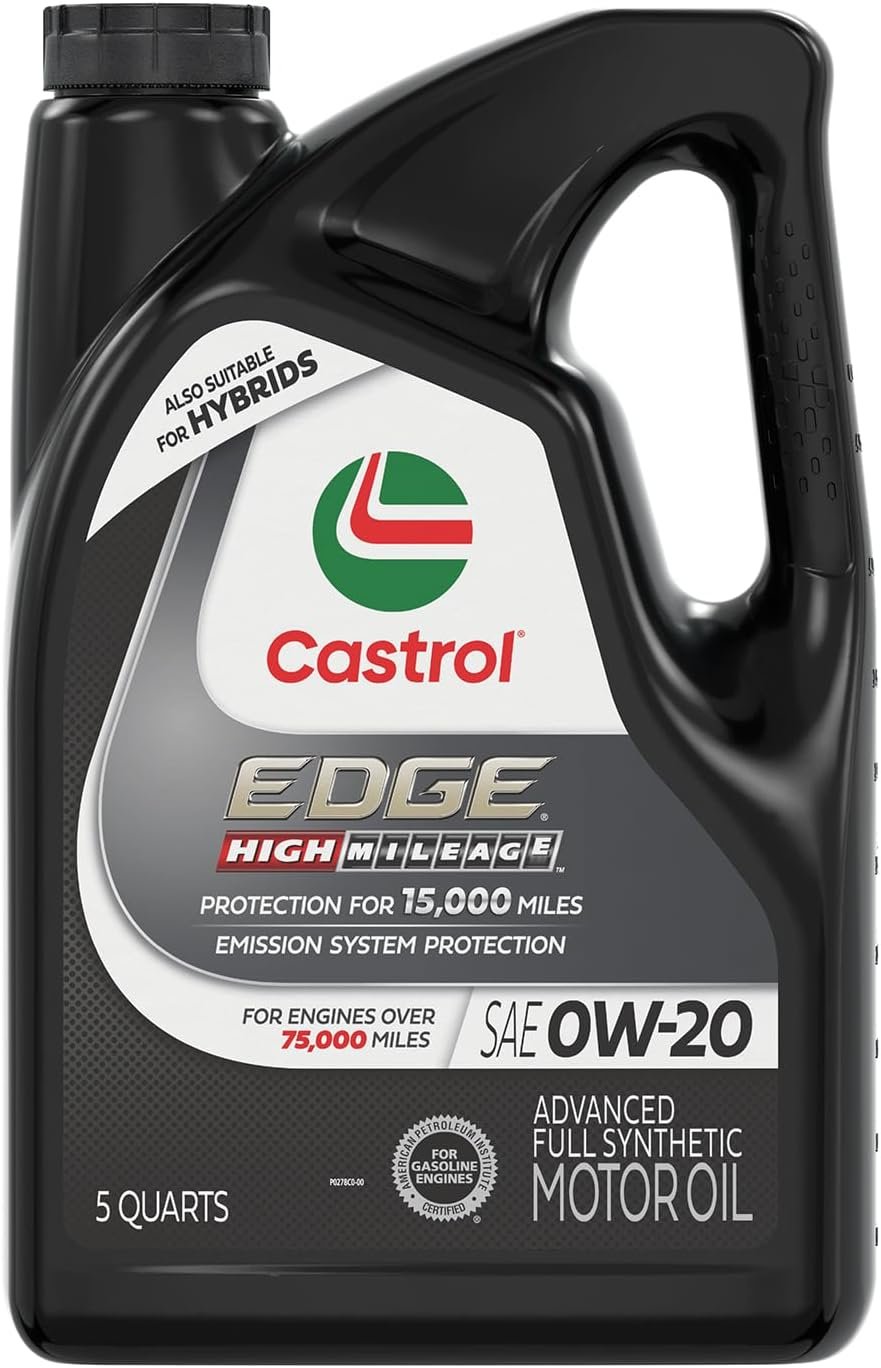
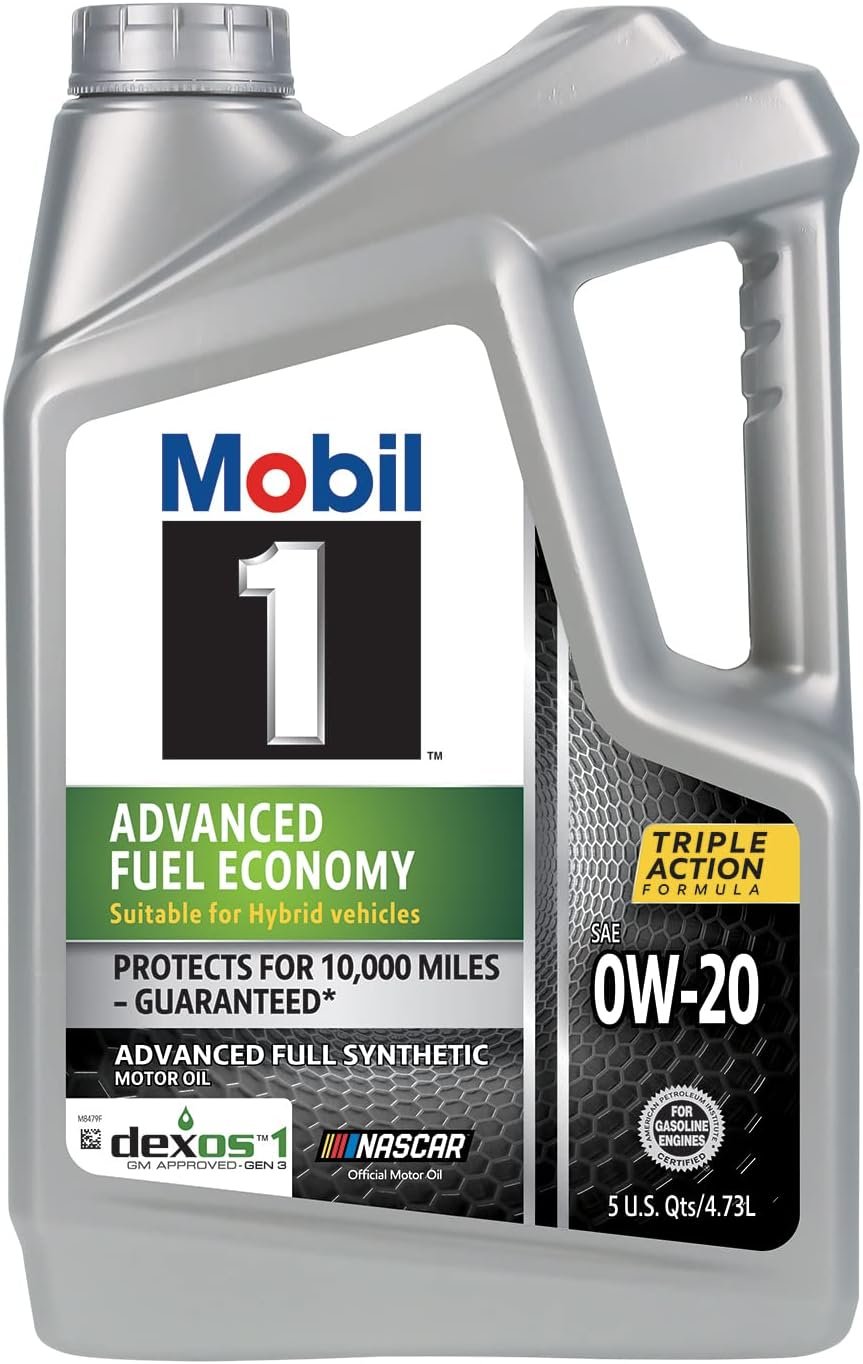
Use Mobil 1 Advanced Fuel Economy, Castrol EDGE Advanced, Pennzoil Ultra Platinum, or Valvoline Advanced Full Synthetic, all in 0W-20 and all meeting API SP. Change the oil at 5,000 miles rather than waiting for the 7,500-mile factory interval. Check your oil level every 1,000 miles without exception, and if consumption exceeds one quart per 1,000 miles, bring the vehicle to a Kia dealer for the TSB-documented piston ring inspection. Monitor NHTSA for any US extension of the Korean market seizure recall. The $25-30 spent on quality 0W-20 oil every 5,000 miles, combined with vigilant level monitoring, is the most cost-effective protection against an engine that can cost $6,000 to $9,000 to replace.
Our Top Picks
As an Amazon Associate, we may earn from qualifying purchases. This doesn't affect our recommendations — we only suggest oils that hold the exact OEM approval for your engine.