 Oil-
Oil-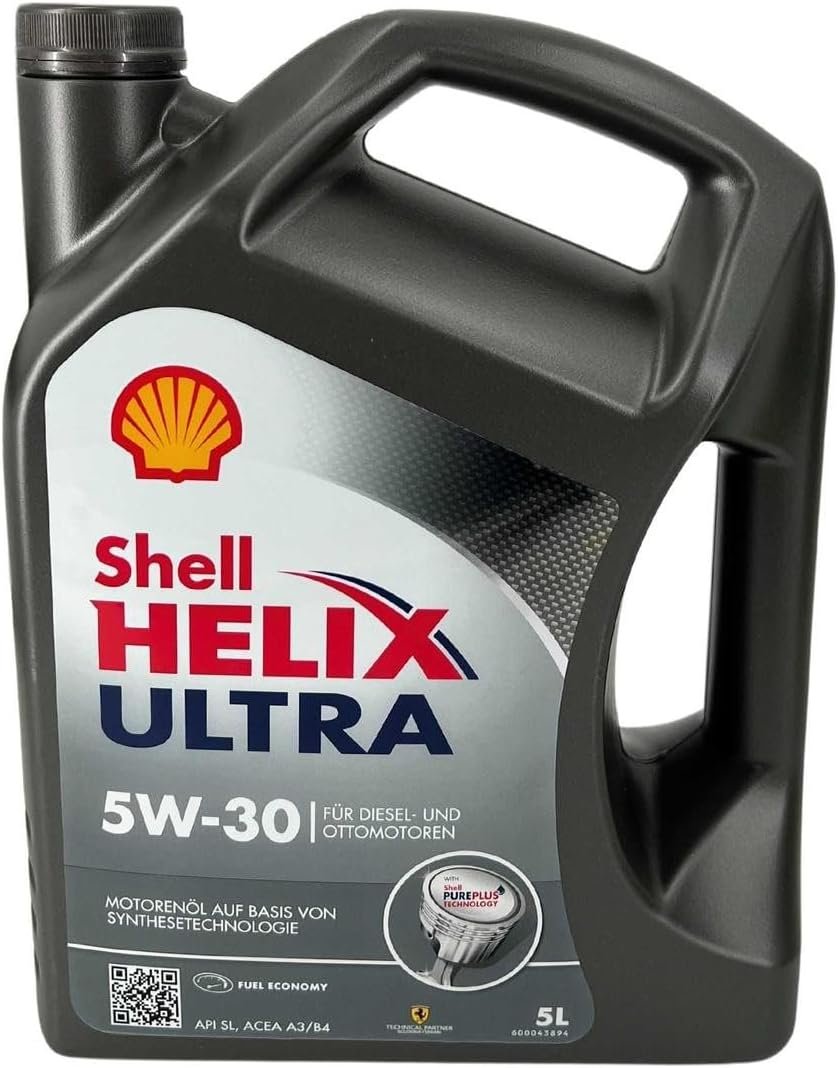
As an Amazon Associate, we may earn from qualifying purchases. This doesn't affect our recommendations — we only suggest oils that hold the exact OEM approval for your engine.
Best Engine Oil for Volkswagen Polo 6 (AW) 1.0 MPI (65/75/80 HP)
The Volkswagen Polo 6 (AW), launched in 2017, is available not only with the turbocharged 1.0 TSI but also with a naturally aspirated 1.0 MPI engine offering 65, 75, or 80 HP depending on the tune. Built around engine codes CHYA and CHYB, this 999cc three-cylinder unit is deliberately simple: multipoint fuel injection, no turbocharger, and a timing chain rather than a belt. It is the entry-level powertrain in the Polo range, designed for low running costs and straightforward maintenance. That simplicity does not mean oil selection is unimportant. The MPI uses a timing chain with an oil-pressure-fed hydraulic tensioner, which means correct oil viscosity and quality directly determine chain tension and, ultimately, engine longevity. This guide covers the exact specification, capacity, and recommended products for the Polo 6 1.0 MPI.
Quick Answer: Recommended Oil
For Polo 6 (AW) 1.0 MPI (65/75/80 HP):
- Specification: VW 502 00 with ACEA A3/B4
- Viscosity: SAE 5W-30 (alternative: 5W-40)
- Oil capacity: 3.7 litres with filter (3.4 L without)
Important: The 1.0 MPI requires VW 502 00 — a full-SAPS specification. This is different from the 1.0 TSI in the same car, which uses VW 504 00 (low-SAPS). Do not use VW 504 00 oil in the MPI engine. The full-SAPS additive package in VW 502 00 provides stronger wear protection that this naturally aspirated engine needs, particularly for its timing chain system and valve train.
The 1.0 MPI EA211 Engine
The 1.0 MPI belongs to Volkswagen’s EA211 engine family, sharing its basic architecture with the turbocharged TSI variant but differing in several important ways. Displacing 999cc across three cylinders with a bore of 74.5 mm and stroke of 76.4 mm, it uses an aluminium block and head consistent with the EA211 platform’s lightweight philosophy. The three-cylinder configuration fires at 240-degree intervals, with a balance shaft driven off the crankshaft to manage primary vibration.
Where this engine diverges from its TSI sibling is in its deliberate simplicity. Multipoint fuel injection (MPI) delivers fuel into the intake ports rather than directly into the combustion chamber. This port injection design means fuel washes across the intake valves with every injection event, naturally cleaning them and preventing the carbon buildup that plagues direct-injection engines. For owners, this translates to an engine that maintains its efficiency and breathing over high mileages without the expensive walnut-blasting interventions sometimes needed on GDI units.
The absence of a turbocharger eliminates an entire category of potential failures. There are no turbo bearings to coke, no wastegate actuators to seize, and no boost leaks to chase. Peak power arrives at 5,500-6,200 RPM depending on the variant, and maximum torque of 95 Nm (65/75 HP) or 93 Nm (80 HP) is developed at 3,000-3,500 RPM. This is not a performance engine — it is a dependable commuter powertrain optimised for fuel economy and low maintenance costs.
Critically, the 1.0 MPI uses a timing chain rather than the oil-bath timing belt found in the TSI. The chain’s hydraulic tensioner is fed by engine oil pressure. If oil viscosity is too thin, pressure drops and the tensioner cannot maintain correct chain tension. If oil is degraded and full of contaminants, the tensioner’s internal check valve and piston can stick. Either scenario allows chain slack, which causes rattle on startup and, if left unchecked, can lead to jumped timing.
Understanding VW 502 00 Oil Specification
The VW 502 00 specification is fundamentally different from the VW 504 00 used in the TSI variant of the same car. Understanding why matters.
VW 502 00 is a full-SAPS (Sulphated Ash, Phosphorus, Sulphur) specification designed for naturally aspirated and older turbocharged petrol engines. The higher additive content provides more aggressive anti-wear protection compared to low-SAPS alternatives. Key characteristics include:
- ACEA A3/B4 base: This requires oils to pass stringent wear, sludge, and viscosity stability tests that exceed the requirements of lower ACEA categories
- Full additive package: Higher zinc (ZDDP) and phosphorus levels create a stronger anti-wear film on metal surfaces — essential for the chain tensioner, camshaft lobes, and valve train components
- No emissions system restriction: The MPI engine uses a simple three-way catalytic converter that tolerates full-SAPS oil without degradation, unlike the GPF-equipped TSI models that require low-SAPS VW 504 00
Why not VW 504 00? The low-SAPS formulation in VW 504 00 oils sacrifices some anti-wear additive content to protect sensitive exhaust aftertreatment devices. The MPI does not have these devices, so using VW 504 00 would mean accepting reduced wear protection for no benefit. VW specifically assigns 502 00 to the CHYA/CHYB engines because the full additive package better serves this engine’s needs.
5W-30 vs 5W-40: Both viscosities are acceptable under VW 502 00. SAE 5W-30 is the standard recommendation and provides the best balance of fuel economy and protection for UK driving conditions. SAE 5W-40 offers a slightly thicker film at operating temperature and can be preferable in warmer climates, for high-mileage engines showing oil consumption, or during sustained high-speed driving. Either choice is valid as long as the oil carries the VW 502 00 approval.
Technical Specifications: 1.0 MPI (CHYA / CHYB)
| Specification | Value |
|---|---|
| Displacement | 999cc (1.0 litre) |
| Layout | Inline-3, transverse, aluminium block |
| Valvetrain | DOHC, 12 valves, timing chain |
| Bore x Stroke | 74.5 mm x 76.4 mm |
| Compression Ratio | 10.5:1 |
| Power | 65 HP / 75 HP / 80 HP @ 5,500–6,200 RPM |
| Torque | 93–95 Nm @ 3,000–3,500 RPM |
| Fuel Type | Petrol, 95 RON minimum |
| Recommended Viscosity | SAE 5W-30 (alternative: 5W-40) |
| Oil Capacity (without filter) | 3.4 litres |
| Oil Capacity (with filter) | 3.7 litres |
| ACEA Norm | A3/B4 |
| VW Norm | VW 502 00 |
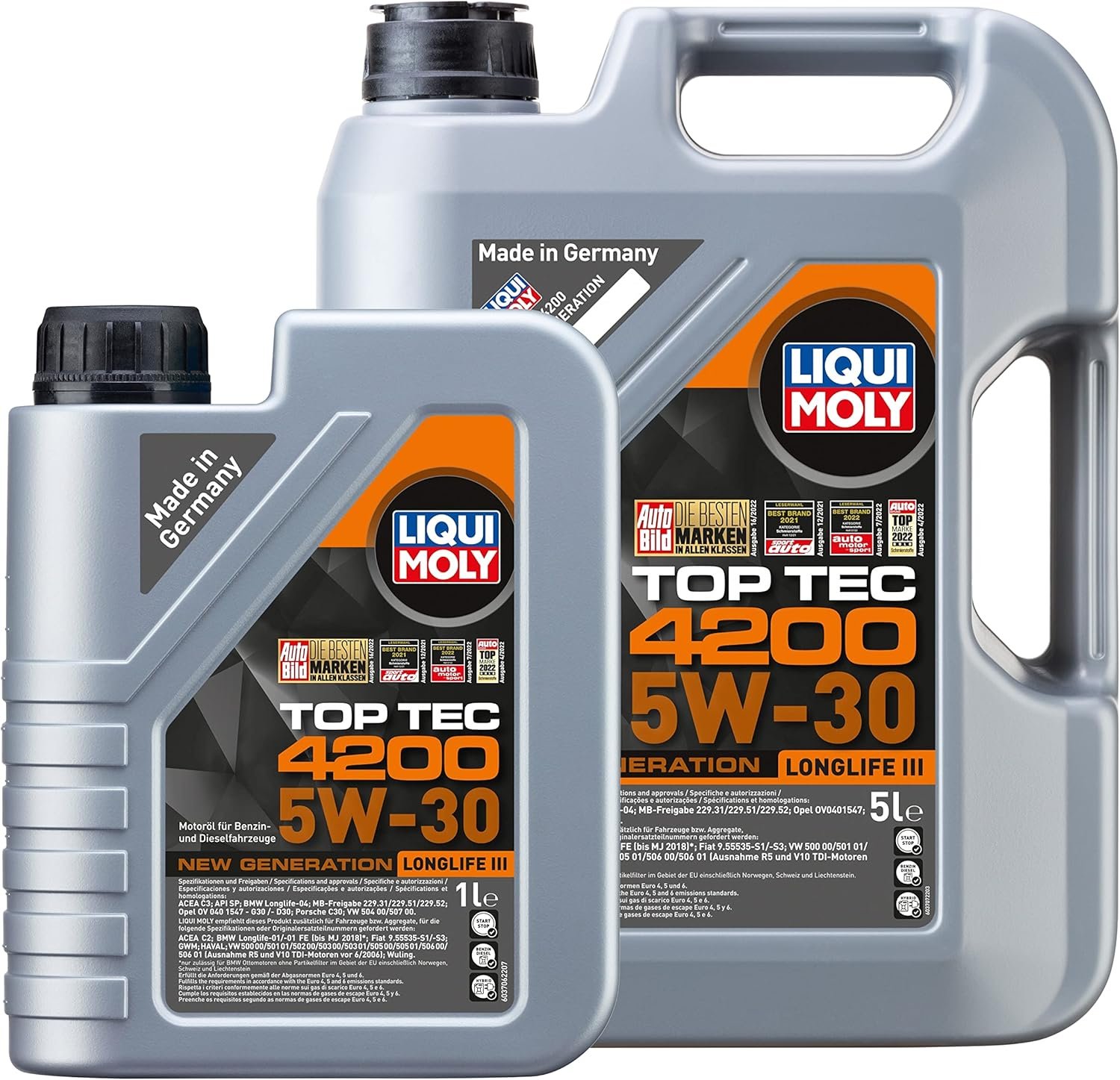
Best Value: Liqui Moly Molygen New Generation 5W-30 German-engineered with a distinctive fluorescent green colour that makes leak detection straightforward. The Molygen additive technology uses tungsten compounds to reduce friction at boundary lubrication points — the conditions experienced during cold starts and in the chain drive system. Full VW 502 00 approval at the most competitive price point, typically £30-38 for 5 litres. An excellent choice for owners who maintain sensible service intervals.
Oil Change Intervals
VW Official Recommendation:
- Fixed service: 10,000 km or 1 year (whichever comes first)
- LongLife service: up to 15,000 km or 2 years
Recommended Practice: 10,000 km or annually for mixed driving. 7,500–8,000 km for predominantly city use.
The 1.0 MPI’s 3.7-litre oil capacity is relatively small for an engine expected to cover 10,000–15,000 km between services. Less oil means each litre works harder: it circulates more frequently, absorbs more combustion byproducts per unit volume, and accumulates fuel dilution from cold starts faster than a larger sump would.
For UK Polo owners whose driving consists primarily of short urban trips, the oil rarely reaches full operating temperature long enough to evaporate accumulated moisture and fuel contamination. This accelerates acid formation and sludge development. Reducing your interval to 7,500-8,000 km under these conditions costs approximately one extra service every two to three years — roughly £40-60 in oil and filter. Measured against the cost of a timing chain replacement (£600-900) or valve train repair, this is sensible preventive maintenance.
VW’s LongLife intervals were designed for sustained motorway driving in moderate climates. Few UK Polos live that life.
Why Correct Oil Matters for the 1.0 MPI
Timing Chain Tensioner: The hydraulic tensioner relies on oil pressure to keep the timing chain taut. If oil viscosity has dropped due to fuel dilution or thermal breakdown, the tensioner cannot maintain adequate pressure. The result is chain slack — audible as a rattle on cold start — and eventually the chain can jump a tooth, causing valve timing errors and potential engine damage. VW 502 00 oils at 5W-30 maintain the viscosity profile the tensioner was engineered around.
Valve Train Wear: The DOHC valve train’s cam lobes and hydraulic lifters operate under high contact pressures. The full-SAPS additive package in VW 502 00 oils provides a zinc-phosphorus anti-wear layer (ZDDP) on these surfaces that low-SAPS alternatives cannot match. Over 100,000+ km, the cumulative difference in valve train wear between full-SAPS and low-SAPS oils becomes measurable.
Sludge Prevention: The MPI’s compact oil galleries and small sump volume make it intolerant of sludge. Degraded oil that forms deposits in the oil pickup screen restricts flow to the entire engine. VW 502 00 oils are tested against specific sludge formation benchmarks that generic oils may not meet.
Common 1.0 MPI Problems Related to Oil
Cold Start Chain Rattle: The most commonly reported issue on CHYA/CHYB engines is a brief timing chain rattle during the first few seconds after a cold start. This occurs because oil drains from the tensioner during extended parking periods, and it takes a moment for oil pressure to rebuild and take up the slack. While a brief rattle (1-2 seconds) can be normal, persistent or worsening rattle suggests the tensioner check valve is wearing or oil viscosity is insufficient. Using the correct VW 502 00 5W-30 oil and maintaining regular change intervals minimises this issue.
Oil Consumption on Higher-Mileage Units: Some CHYA/CHYB engines develop light oil consumption beyond 80,000-100,000 km, typically 0.1-0.3 litres per 10,000 km. The three-cylinder layout means each piston completes more power strokes per kilometre than an equivalent four-cylinder, increasing thermal cycling on piston rings. This is within VW’s acceptable tolerance and is managed by checking the dipstick every 3,000-4,000 km and topping up with the same specification oil.
Thermostat and Cooling Issues: Some early Polo 6 units experienced thermostat failures causing the engine to run cool. An engine that never fully warms up cannot evaporate moisture and fuel from the oil, accelerating contamination. If your temperature gauge consistently reads below normal, have the thermostat checked and consider shortening your oil change interval until it is resolved.
Conclusion
The Volkswagen Polo 6 (AW) 1.0 MPI requires VW 502 00 approved SAE 5W-30 engine oil with a total capacity of 3.7 litres including the filter. This is a full-SAPS specification — do not substitute the low-SAPS VW 504 00 oil used in the turbocharged TSI variant.
Choose from proven products: Castrol EDGE, Mobil 1 FS, Shell Helix Ultra, or Liqui Moly Molygen New Generation — all carrying VW 502 00 approval. Verify the approval number on the bottle before purchasing. Shorten your oil change interval to 7,500-8,000 km if your driving is predominantly urban rather than relying on VW’s optimistic LongLife schedule. The 1.0 MPI is one of the simplest and most reliable engines in VW’s current lineup — no turbo to fail, no direct injection carbon to manage, and a timing chain that will last the life of the engine if you keep it fed with clean, correctly specified oil. Maintain it properly and this unassuming three-cylinder will deliver dependable, economical service well beyond 200,000 km.
Our Top Picks
As an Amazon Associate, we may earn from qualifying purchases. This doesn't affect our recommendations — we only suggest oils that hold the exact OEM approval for your engine.