 Oil-
Oil-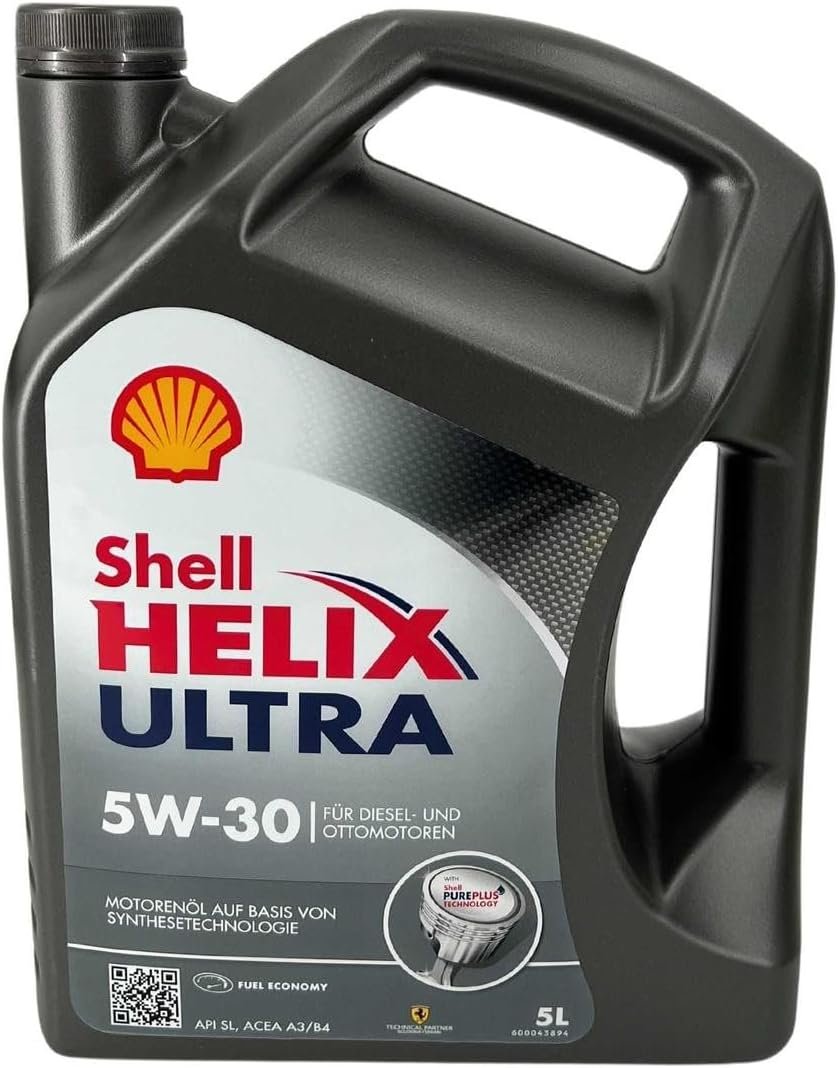
As an Amazon Associate, we may earn from qualifying purchases. This doesn't affect our recommendations — we only suggest oils that hold the exact OEM approval for your engine.
Best Engine Oil for Volkswagen Polo 1.2 MPI (60/70 HP)
The Volkswagen Polo 1.2 MPI is one of the simplest engines VW has produced in recent decades — a naturally aspirated three-cylinder with no turbo, no direct injection, and no sophisticated exhaust aftertreatment. It should be bulletproof. And yet, this unassuming little engine has earned a reputation that far exceeds its modest power output, thanks to one catastrophic weakness: its timing chain. Understanding the right oil for this engine is not just about routine maintenance. It is about managing a known engineering flaw that has left thousands of owners facing engine rebuilds.
Quick Answer: Recommended Oil
For Polo 1.2 MPI (60/70 HP):
- Specification: VW 502 00 with ACEA A3/B4
- Viscosity: SAE 5W-30 (alternative: 5W-40 in warmer climates or high-mileage engines)
- Oil capacity: 2.8 litres with filter (2.5 L without)
Important: This engine requires VW 502 00 — not the newer VW 504 00 specification used on turbocharged TSI engines. The 1.2 MPI is an older, simpler design that benefits from the higher ZDDP (zinc and phosphorus) anti-wear additive content permitted under the VW 502 00 / ACEA A3/B4 standard.
The 1.2 MPI Engine
The 1.2 MPI (engine codes CGPA for 60 HP, CGPB for 70 HP) is a three-cylinder, naturally aspirated petrol engine displacing 1,198cc. It uses a single overhead camshaft (SOHC) driving 12 valves — four per cylinder — with conventional multi-point fuel injection spraying fuel onto the intake valves. There is no turbocharger, no variable valve timing, and no complex emissions hardware beyond a standard catalytic converter.
On paper, this is as straightforward as a modern engine gets. The three-cylinder layout keeps weight and cost low, while the multi-point injection system is proven and reliable. Power peaks at 60 or 70 HP depending on variant, with modest torque delivered across a broad rev range. For city driving and short commutes, it does exactly what is asked of it.
But the simplicity is deceptive. The 1.2 MPI has a critical vulnerability that dominates every ownership discussion: its timing chain.
The Timing Chain Problem
The timing chain in the 1.2 MPI is the single most important reason to care about oil quality in this engine. Chain stretching and outright failure have been reported across production years, with some owners experiencing catastrophic failures as early as 25,000 miles. Volkswagen themselves acknowledge the issue, recommending a timing chain inspection every 45,000 km — an unusual step for a component that is nominally designed to last the engine’s lifetime.
When the chain stretches beyond the tensioner’s ability to compensate, valve timing drifts. Symptoms begin subtly: a metallic rattle on cold starts, rough idling, a check engine light for camshaft position correlation. Left unchecked, the chain can skip teeth or snap entirely. Because this is an interference engine, a broken chain means pistons strike open valves. The result is bent valves at minimum, and frequently a destroyed cylinder head or even cracked pistons. Repair costs range from £800 for a chain replacement caught early to £2,000 or more for head and valve work after a failure.
Why Does the Chain Fail?
Several factors contribute, but oil quality sits at the centre of them all.
Small sump volume. The 1.2 MPI holds just 2.8 litres of oil with the filter — roughly half what a typical four-cylinder engine carries. This means each litre of oil works harder, accumulates contaminants faster, and degrades sooner. In a larger sump, individual contaminant particles are diluted across a greater volume. In the 1.2 MPI, there is no such margin. The oil must be high quality, and it must be changed on time.
Short trip driving patterns. The Polo 1.2 MPI is overwhelmingly used for urban commuting and short journeys. Many owners never drive far enough for the engine to reach full operating temperature. When the engine runs cold, combustion byproducts — water vapour, fuel residues, acidic compounds — condense into the oil rather than evaporating through the crankcase ventilation system. This contamination accelerates oil degradation and, crucially, reduces the oil’s ability to lubricate the timing chain and its tensioner.
ZDDP content in modern oils. Zinc dialkyldithiophosphate (ZDDP) is the primary anti-wear additive in engine oils. It forms a sacrificial protective layer on metal surfaces under boundary lubrication conditions — exactly the conditions a timing chain experiences. Over the past two decades, ZDDP levels in engine oils have been progressively reduced to protect catalytic converters and particulate filters. The newer VW 504 00 / ACEA C3 low-SAPS specifications contain significantly less ZDDP than the older VW 502 00 / ACEA A3/B4 standard. There is a credible argument that owners who mistakenly used low-SAPS oils in the 1.2 MPI — or workshops that grabbed whatever 5W-30 was on the shelf — inadvertently accelerated chain wear. This is precisely why VW 502 00 is the correct specification for this engine: it permits the higher additive levels that the chain and tensioner need.
Hydraulic tensioner sensitivity. The chain tensioner relies on oil pressure to maintain correct chain tension. Degraded oil with reduced viscosity or contaminated oil that partially blocks the tensioner’s oil feed allows chain slack to develop. Each cold start with a slack chain causes the chain to slap against its guides, accelerating wear in a self-reinforcing cycle.
Understanding VW 502 00
VW 502 00 is Volkswagen’s specification for naturally aspirated and older turbocharged petrol engines. Unlike the newer VW 504 00 (designed for engines with particulate filters and extended drain intervals), VW 502 00 permits full-SAPS oil formulations — meaning higher levels of sulphated ash, phosphorus, and sulphur. In practical terms, this allows oil manufacturers to include more ZDDP anti-wear additive and stronger detergent packages.
For the 1.2 MPI, this matters enormously. The full-SAPS formulation provides better wear protection for the timing chain, cam lobes, and valve train components. The ACEA A3/B4 base standard underpinning VW 502 00 also demands excellent high-temperature viscosity stability and shear resistance — ensuring the oil maintains its protective film even in a heat-soaked engine compartment after a motorway run followed by a sudden stop.
Do not use VW 504 00 oils in this engine. While they will not cause immediate damage, the reduced additive content offers less protection for the timing chain, and there is no emissions hardware on the 1.2 MPI that requires low-SAPS protection.
Technical Specifications: 1.2 MPI (CGPA / CGPB)
| Specification | Value |
|---|---|
| Displacement | 1,198cc (1.2 litres) |
| Layout | Inline-3, transverse |
| Valvetrain | SOHC, 12 valves |
| Fuel System | Multi-point injection (MPI) |
| Power | 60 HP (CGPA) / 70 HP (CGPB) |
| Fuel Type | Petrol, 95 RON minimum |
| Recommended Viscosity | SAE 5W-30 |
| Alternative Viscosity | SAE 5W-40 |
| Oil Capacity (without filter) | 2.5 litres |
| Oil Capacity (with filter) | 2.8 litres |
| ACEA Norm | A3/B4 |
| VW Norm | VW 502 00 |
Oil Change Intervals and Best Practice
VW Official Recommendation: 15,000 km or 12 months (LongLife regime) or 10,000 km / 12 months (fixed regime).
Recommended Practice: 7,500–10,000 km or every 12 months, whichever comes first.
Given the timing chain vulnerability and the tiny 2.8-litre sump, stretching oil change intervals on the 1.2 MPI is false economy. The entire oil fill costs £20–25 (you need under 3 litres), plus a filter at £5–8. For roughly £30 in materials, you are providing fresh anti-wear protection to a timing chain whose failure costs 30 to 60 times that amount.
If your driving consists primarily of short urban trips under 10 miles, consider 7,500 km intervals or even 6-month changes. Short trips are the worst-case scenario for this engine: the oil never gets hot enough to boil off moisture and fuel contamination, the chain wears fastest during cold starts, and the small sump has no capacity to absorb the extra contamination load.
Oil Consumption on the 1.2 MPI
Approximately 15–20% of 1.2 MPI owners, particularly those with 2009–2014 production models, report excessive oil consumption. The root cause is typically cylinder liner honing wear: the fine cross-hatch pattern machined into the cylinder walls, which retains oil for piston ring lubrication, gradually wears smooth over time and mileage. Once the honing pattern deteriorates, piston rings cannot seal effectively, and oil passes into the combustion chamber.
VW considers consumption up to 0.5L per 1,000 km “within specification,” though a healthy engine should use far less. If you are adding oil between services, check your dipstick fortnightly and always top up with the same VW 502 00 specification oil. Mixing specifications — particularly adding a low-SAPS 504 00 oil to a sump containing 502 00 — dilutes the anti-wear additive package and should be avoided.
Conclusion
The Volkswagen Polo 1.2 MPI requires VW 502 00 approved SAE 5W-30 engine oil with ACEA A3/B4 certification and a total capacity of 2.8 litres including the filter. The full-SAPS formulation permitted under VW 502 00 is essential — it provides the ZDDP anti-wear protection that this engine’s timing chain desperately needs.
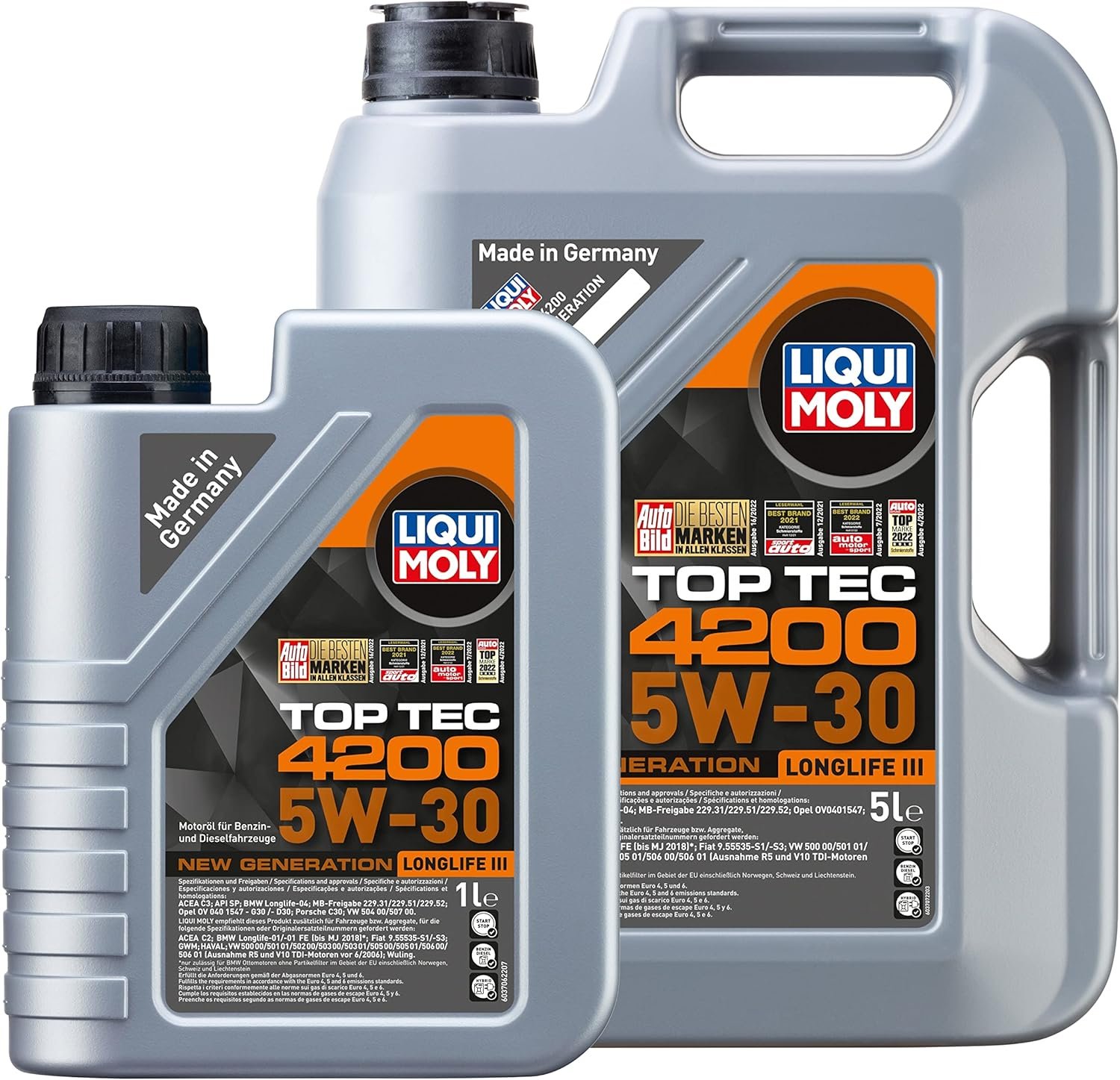
Choose from proven options: Castrol EDGE, Mobil 1 FS, Shell Helix Ultra, or Liqui Moly Molygen New Generation, all in 5W-30. Change the oil every 7,500–10,000 km or annually, and never stretch beyond 12 months regardless of mileage. At under £30 per service in materials, regular oil changes with the correct specification are the cheapest insurance against the timing chain failure that defines the 1.2 MPI ownership experience. Monitor your oil level monthly, listen for chain rattle on cold starts, and respect VW’s 45,000 km chain inspection recommendation. With attentive maintenance, the 1.2 MPI can deliver reliable service — but it demands that attention in return.
Our Top Picks
As an Amazon Associate, we may earn from qualifying purchases. This doesn't affect our recommendations — we only suggest oils that hold the exact OEM approval for your engine.