 Oil-
Oil-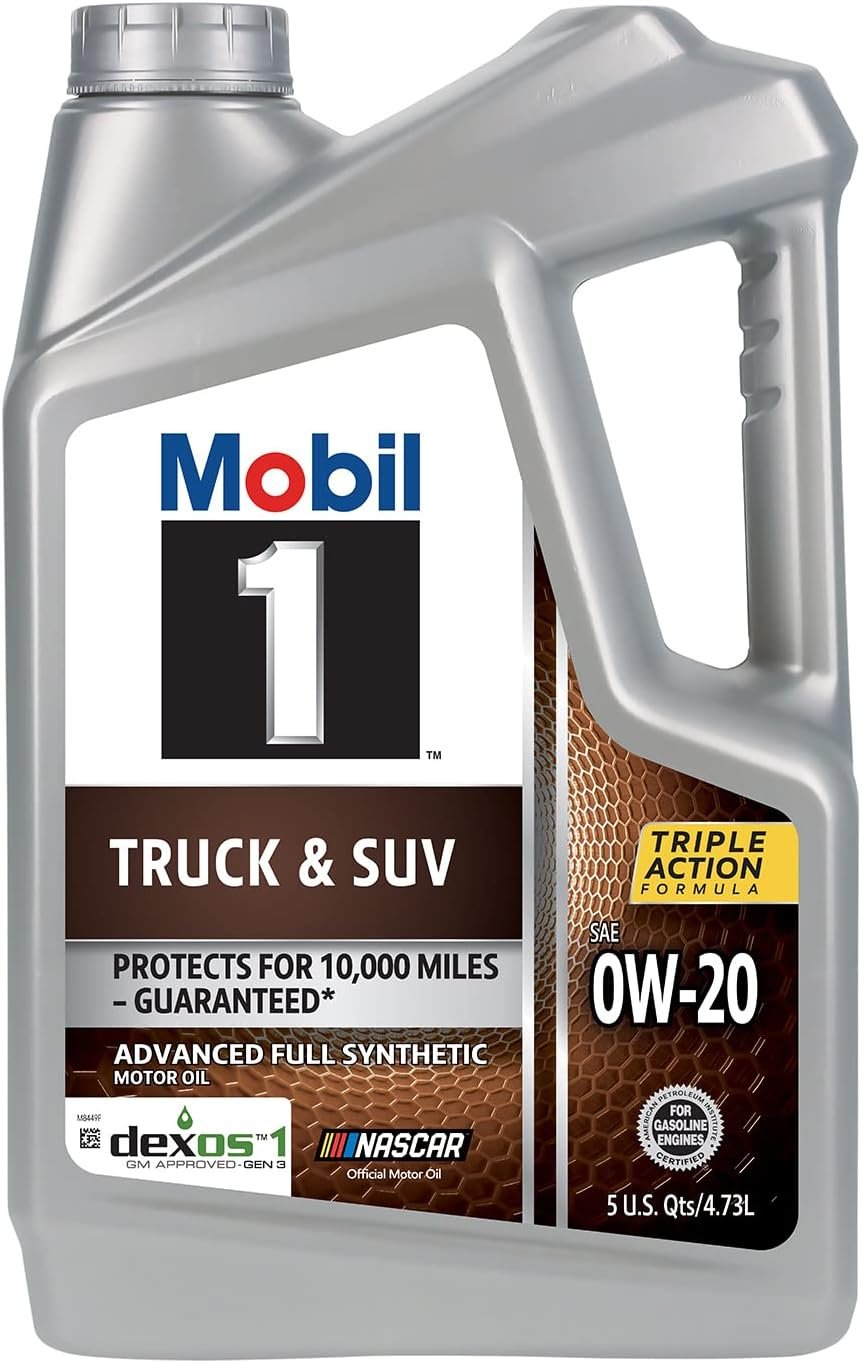

As an Amazon Associate, we may earn from qualifying purchases. This doesn't affect our recommendations — we only suggest oils that hold the exact OEM approval for your engine.
Best Engine Oil for Suzuki Swift 1.2 Dualjet Hybrid (83 HP)
The fourth-generation Suzuki Swift (ZC83S) with the 1.2 Dualjet engine is one of the most underappreciated small cars on UK roads. Powered by the K12C four-cylinder engine producing 83 hp, this Swift weighs under a tonne in most trim levels — a direct result of Suzuki’s obsessive lightweight engineering philosophy. The Dualjet name refers to the twin-injector-per-cylinder port injection system, not direct injection, which gives this engine a significant long-term reliability advantage over its turbocharged, directly-injected rivals. With SHVS mild hybrid assistance available on certain variants, the Swift delivers surprisingly capable real-world economy of 50-55 mpg without the complexity of a full hybrid system. However, Suzuki specifies ACEA C2 rated SAE 0W-20 oil for the K12C, and with only 3.6 litres in the sump, getting the specification right matters. This guide covers the correct oil, the right quantity, and the known engine issues every Swift owner should understand.
Quick Answer: Recommended Oil
For Suzuki Swift 1.2 Dualjet Hybrid (83 HP):
- Specification: ACEA C2 with SAE 0W-20
- Alternative viscosity: SAE 5W-30 (cold climate or high-mileage use)
- Oil capacity: 3.6 litres with filter (3.3 L without)
Key point: The K12C requires ACEA C2 oil — a low-SAPS specification that protects the catalytic converter while maintaining the thin oil film Suzuki’s engineers designed this engine around. The 0W-20 viscosity is the primary recommendation; 5W-30 is permitted as an alternative but the thinner grade delivers better fuel economy and suits the K12C’s tight bearing clearances. Always verify the ACEA C2 marking on the bottle before purchase.
The K12C Dualjet Engine
The K12C is a 1,197cc inline four-cylinder engine producing 83 hp at 6,000 RPM and 107 Nm of torque at 2,800 RPM. It is the centrepiece of Suzuki’s lightweight powertrain strategy for the Swift, and its design priorities are clear: low weight, high efficiency, and long-term simplicity.
The “Dualjet” designation refers to Suzuki’s twin-injector port injection system, where each cylinder receives fuel from two injectors rather than one. This creates a finer fuel mist and more uniform air-fuel mixture across the combustion chamber, improving combustion efficiency and reducing raw emissions. Crucially, this is port injection — fuel is sprayed onto the intake valves, not directly into the combustion chamber. This distinction matters enormously for long-term reliability. Direct injection engines suffer from carbon buildup on the intake valve backs because no fuel washes over them. The K12C’s port injection system keeps the intake valves clean throughout the engine’s life, eliminating the need for expensive walnut blasting or chemical cleaning that plagues many modern turbocharged engines.
The 12.5:1 compression ratio is high for a naturally aspirated petrol engine, extracting maximum thermal efficiency from each combustion event. Combined with the Dualjet injection system and a lightweight aluminium construction, the result is an engine that delivers remarkably good fuel economy without any of the complexity associated with turbocharging or direct injection.
On SHVS (Smart Hybrid Vehicle by Suzuki) variants, a belt-driven Integrated Starter Generator (ISG) provides mild hybrid assistance. This 12V system adds a small amount of torque during acceleration and enables engine stop-start functionality, improving urban fuel economy by approximately 5-8 percent. The ISG replaces the conventional alternator and starter motor, making the system relatively simple compared to full hybrid setups.
Technical Specifications: K12C
| Specification | Value |
|---|---|
| Displacement | 1,197cc (1.2 litres) |
| Layout | Inline-4, transverse, aluminium block and head |
| Valvetrain | DOHC, 16 valves, VVT |
| Bore x Stroke | 73.0mm x 71.5mm |
| Compression Ratio | 12.5:1 |
| Power | 83 hp @ 6,000 RPM |
| Torque | 107 Nm @ 2,800 RPM |
| Fuel System | Dualjet port injection (2 injectors per cylinder) |
| Fuel Type | Petrol, 95 RON |
| Recommended Viscosity | SAE 0W-20 |
| Alternative Viscosity | SAE 5W-30 |
| Oil Capacity (without filter) | 3.3 litres |
| Oil Capacity (with filter) | 3.6 litres |
| ACEA Norm | C2 |
| Hybrid System | 12V SHVS mild hybrid (ISG, select variants) |
Understanding ACEA C2
Why C2 for the K12C
ACEA C2 is a low-SAPS (Sulphated Ash, Phosphorus, Sulphur) oil classification designed for engines fitted with modern aftertreatment systems. Suzuki specifies this grade to protect the K12C’s catalytic converter over the vehicle’s lifetime while providing the low-friction characteristics the engine requires.
Low-SAPS chemistry limits the metallic ash content that accumulates on catalyst surfaces during normal combustion. Even in a port-injected engine, trace amounts of oil pass the piston rings and are burned in the combustion chamber. Over tens of thousands of miles, high-SAPS oils deposit enough metallic residue to measurably degrade catalyst efficiency, eventually triggering emissions failures at MOT. ACEA C2 oil minimises this accumulation.
HTHS viscosity for C2 oils falls between 2.9 and 3.5 mPa.s — lower than ACEA C3 (minimum 3.5 mPa.s) but higher than C5 (minimum 2.6 mPa.s). This places the K12C in a middle ground: the engine benefits from reduced friction at operating temperature, but Suzuki’s engineers retained a slightly thicker oil film than the ultra-thin C5 specification used by some manufacturers. Given the K12C’s 12.5:1 compression ratio and relatively high specific loads for a naturally aspirated engine, this is a sensible engineering decision.
Do not substitute ACEA A3/B4 or C3 oils. These higher-SAPS, higher-viscosity specifications increase internal friction, reduce fuel economy, and accelerate catalyst degradation. While the engine will not suffer immediate harm, long-term use of incorrect oil undermines the K12C’s efficiency and emissions compliance.
0W-20 vs 5W-30
Suzuki’s primary recommendation is 0W-20 — a thin-film oil that suits the K12C’s tight bearing clearances and lightweight construction. The 5W-30 alternative is permitted for drivers in extremely cold climates or for high-mileage engines where slightly thicker oil may help compensate for increased bearing clearances from wear.
For most UK driving, 0W-20 is the correct choice. British ambient temperatures rarely challenge the cold-flow capabilities of either grade, and the thinner oil delivers measurably better fuel economy. Only consider 5W-30 if your K12C has exceeded 100,000 miles and shows signs of increased oil consumption or low oil pressure warnings.
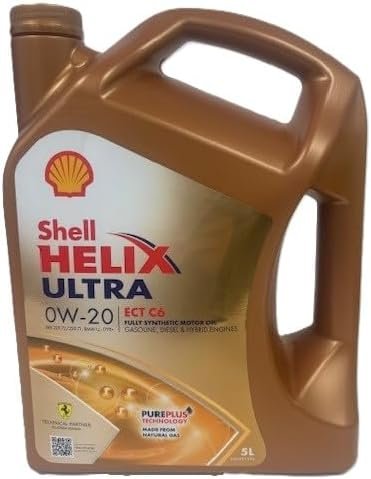
Best Value: Shell Helix Ultra Professional AS-L 0W-20 Shell’s PurePlus gas-to-liquid base oil technology produces an exceptionally pure synthetic base stock with virtually no sulphur or aromatic impurities. This inherent purity translates to superior oxidation resistance and cleaner running — ideal for the K12C’s compact oil galleries where deposit formation must be minimised. The AS-L formulation meets ACEA C2 requirements and is widely available across the UK at approximately £35-45 for 5 litres, making it the strongest value proposition in this category.
Oil Change Intervals
Suzuki Official Recommendation:
- Standard service: 10,000 miles or 12 months (whichever comes first)
- Severe conditions: 6,000 miles or 6 months
Recommended Practice: 10,000 miles or annually for typical UK mixed driving.
The K12C’s port injection system runs cleaner than direct injection engines, producing less fuel dilution and soot contamination in the oil. Combined with modest power output and naturally aspirated operation, oil degradation is gradual and predictable. The 10,000-mile interval is appropriate for most owners.
SHVS-equipped Swifts introduce frequent engine restarts in urban traffic, but the ISG provides faster, smoother cranking than a conventional starter motor, reducing the cold-start wear that typically stresses engine oil. The mild hybrid system is not hard on oil in any meaningful way.
Consider shorter intervals if:
- Average journey length is consistently under 5 miles
- The vehicle rarely reaches motorway speeds for sustained periods
- Oil appears excessively dark or milky on the dipstick
- The engine has covered more than 80,000 miles
With only 3.6 litres to replace and oil costs of £25-35 per change, there is no financial incentive to stretch intervals beyond the recommended maximum.
Known K12C Issues and Oil Relevance
Cam Phaser Rattle: The most commonly reported issue on the K12C is cam phaser rattle, typically appearing from around 60,000 miles onwards. The Bosch-designed variable valve timing phaser can develop internal wear, producing a noticeable rattle on cold starts that may persist for several seconds until oil pressure fully seats the phaser mechanism. Correct oil viscosity is directly relevant here — 0W-20 flows faster on cold starts than heavier grades, reaching the phaser sooner and reducing the duration and severity of the rattle. Owners who switch to 5W-30 often report worsened cold-start rattle. If the noise becomes persistent, phaser replacement costs approximately £300-500 including labour. Maintaining correct 0W-20 oil and regular change intervals gives the best chance of delaying or minimising this issue.
ISG Motor Bearing Wear (Recall SC-2022-18): On SHVS-equipped variants, Suzuki issued recall SC-2022-18 addressing premature bearing wear in the Integrated Starter Generator motor. The ISG bearings can degrade, causing noise, reduced mild hybrid function, and in severe cases complete ISG failure. While this is not an engine oil issue — the ISG has its own sealed bearings — owners should verify their vehicle has had the recall work completed. Contact a Suzuki dealer with your VIN to confirm status.
Timing Chain Stretch: Some K12C engines have exhibited timing chain stretch at relatively low mileages, though this is less widespread than the cam phaser issue. Symptoms include a faint metallic rattle at idle and, in advanced cases, an engine management light triggered by cam position sensor readings outside expected parameters. Clean, fresh oil at the correct viscosity ensures the hydraulic chain tensioner operates at full effectiveness, maintaining correct chain tension. Degraded oil with reduced pressure allows tensioner bleed-down, accelerating chain wear. Budget £400-600 for chain and tensioner replacement if required.
No Carbon Buildup on Intake Valves: This is worth emphasising as a positive. Unlike direct injection engines that require periodic valve cleaning — often costing £200-400 — the K12C’s Dualjet port injection system continuously washes the intake valves with fuel, preventing carbon deposits entirely. This is a genuine long-term ownership advantage and one of the reasons the K12C remains clean and efficient at high mileages. Owners migrating from direct injection vehicles will appreciate the absence of this maintenance headache.
Conclusion
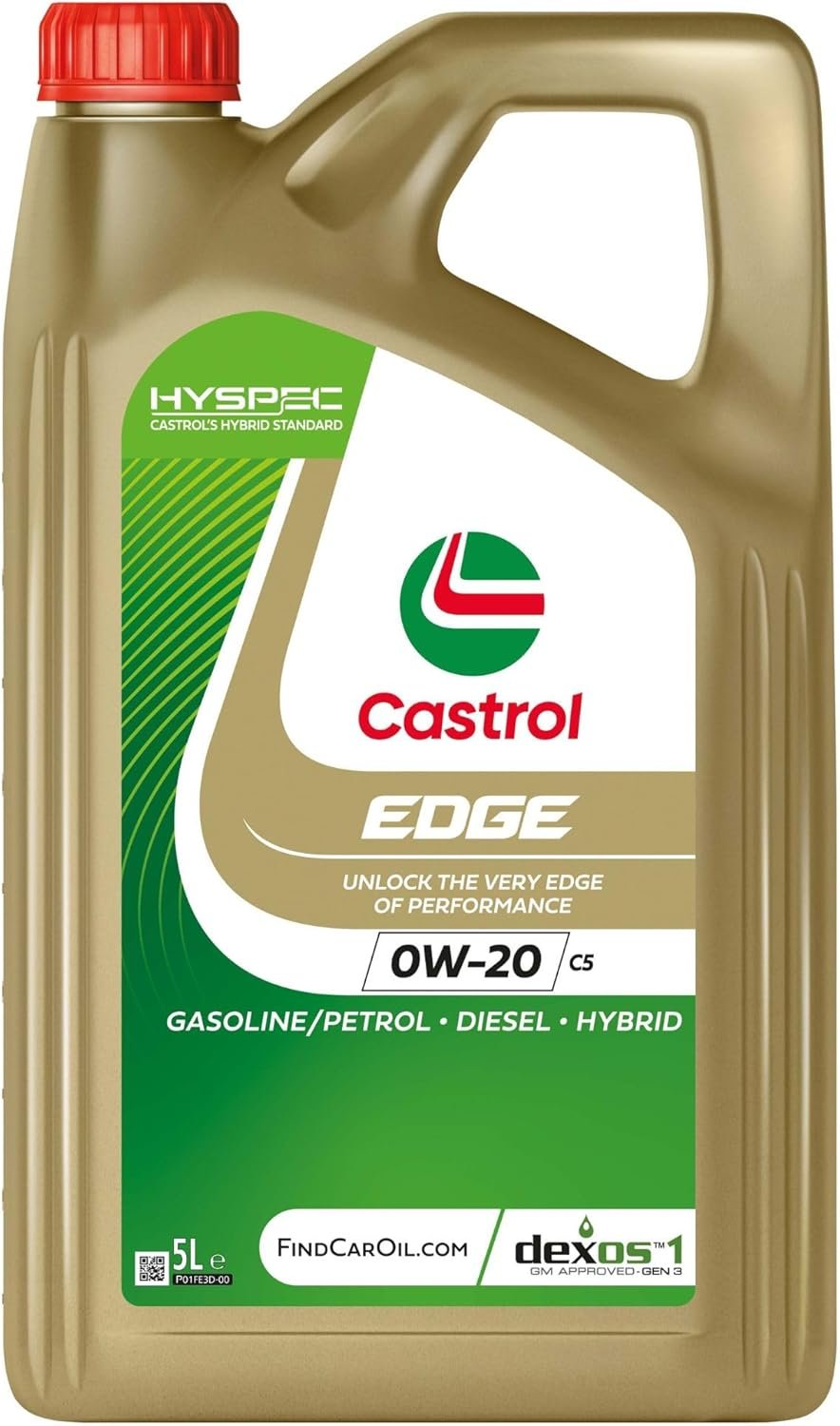
The Suzuki Swift 1.2 Dualjet K12C engine requires ACEA C2 rated SAE 0W-20 engine oil, with a total capacity of 3.6 litres including the filter. Choose from proven options — Suzuki Genuine 0W-20, Mobil 1 ESP x2 0W-20, Castrol EDGE 0W-20, or Shell Helix Ultra Professional AS-L 0W-20 — and confirm the ACEA C2 rating on the bottle before purchase.
The K12C is a fundamentally honest engine. It makes no claims to excitement — 83 hp in a sub-tonne car is adequate rather than thrilling — but its combination of Dualjet port injection, lightweight construction, and optional mild hybrid assistance delivers genuine real-world efficiency without the mechanical complexity that shortens the lives of more ambitious powertrains. Watch for cam phaser rattle from 60,000 miles, confirm the ISG recall has been completed on SHVS variants, and maintain 10,000-mile oil change intervals with quality ACEA C2 0W-20 oil. The annual cost of correct maintenance is trivially small — roughly £25-35 for oil alone — and in return the K12C will deliver years of dependable, economical service with none of the carbon buildup, turbo failures, or injector problems that plague its more complex competitors.
Our Top Picks
As an Amazon Associate, we may earn from qualifying purchases. This doesn't affect our recommendations — we only suggest oils that hold the exact OEM approval for your engine.