 Oil-
Oil-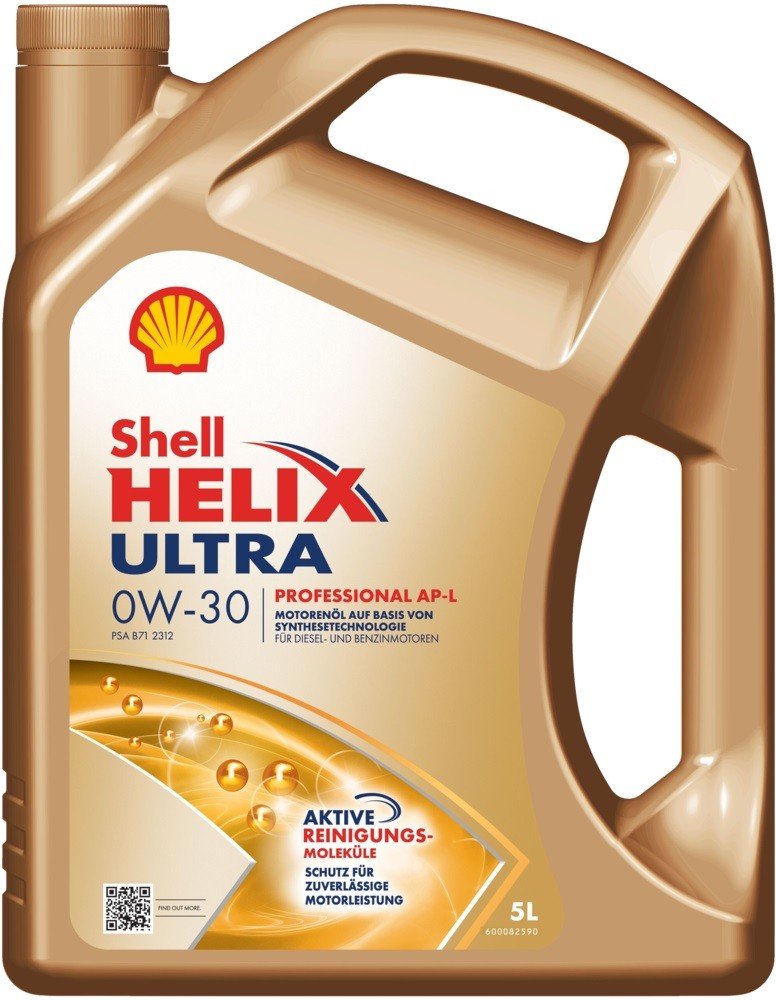
As an Amazon Associate, we may earn from qualifying purchases. This doesn't affect our recommendations — we only suggest oils that hold the exact OEM approval for your engine.
Best Engine Oil for Peugeot 208 1.2 PureTech (100/130 HP)
The second-generation Peugeot 208, launched in 2019, is one of Britain’s best-selling superminis, and its most popular powertrain is the 1.2 PureTech turbocharged three-cylinder petrol. It is a refined, punchy little engine that has collected International Engine of the Year awards and delivers genuinely enjoyable daily driving. It also contains a design decision that has caused more warranty claims, consumer complaints, and outright engine failures than any other feature in PSA’s recent history: a wet timing belt that runs submerged in engine oil. This belt-in-oil system is the defining factor in choosing lubricant for the 208. Getting the oil specification wrong does not just reduce engine life; it can destroy the engine entirely, and at shockingly low mileages. This guide explains what goes wrong, why PSA B71 2312 approval is mandatory, and which oils meet the standard.
Quick Answer: Recommended Oil
For Peugeot 208 II 1.2 PureTech (100/130 HP):
- Recommended viscosity: SAE 0W-30
- Oil capacity: 3.3 litres with filter (3.0 L without)
- Required norms: ACEA C2, PSA B71 2312
Critical warning: Only use oil carrying explicit PSA B71 2312 approval. This is not interchangeable with ACEA C3 or any other OEM norm. The wrong oil accelerates timing belt degradation and can cause catastrophic engine failure well before the belt’s intended service life. Verify the approval on the label before every purchase.
The Wet Timing Belt: The Story That Defines This Engine
Most modern engines use either a dry external timing belt or a steel timing chain. The PureTech 1.2 uses neither. PSA chose to run a toothed rubber timing belt inside the engine block, permanently immersed in the sump oil. The rationale was sound on paper: the oil would lubricate and cool the belt, eliminating the need for a separate tensioner service, reducing mechanical noise, and extending belt life to match the engine’s overall durability. In the controlled environment of a laboratory, the concept works. In the real-world conditions of British commuting, it has proven to be the PureTech’s critical vulnerability.
The problem is not the concept itself but the way the engine’s other characteristics interact with the belt. The 1.2 PureTech uses direct fuel injection, which sprays petrol at extremely high pressure directly into the combustion chamber. During cold starts and short journeys, a proportion of this fuel does not combust completely. Unburned petrol washes past the piston rings and accumulates in the sump oil, a process known as fuel dilution. In most engines, fuel dilution is a nuisance that slightly reduces oil viscosity. In the PureTech, it is a threat to the timing belt’s structural integrity.
Fuel-diluted oil attacks the belt rubber. The chemical composition of the oil changes as petrol accumulates. The altered oil softens the rubber compound, causing the belt to swell and lose dimensional stability. Over thousands of miles, the belt surface begins to degrade and shed microscopic rubber particles into the oil. These particles circulate through the lubrication system and gradually clog the oil pump pickup strainer, the mesh filter at the bottom of the sump that prevents debris from reaching the oil pump. As the strainer clogs, oil flow to the bearings, turbocharger, and camshafts is progressively restricted. The engine is starved of lubrication, and bearing damage follows. Owners typically hear a sudden metallic knocking, see the oil pressure warning light, and by that point the engine is beyond economic repair.
Belt failures have been documented as early as 40,000 km. Engines built between 2014 and 2018 were the worst affected, but no production year using the wet belt design is entirely exempt. The second-generation 208 uses a revised version of the PureTech with some belt material improvements and an updated oil pickup strainer, but the fundamental architecture remains the same. The belt still sits in the oil, the engine still suffers fuel dilution, and the same failure mode can still occur if the oil is wrong or the intervals are extended.
PSA’s Recall and Stellantis Compensation
The scale of the problem eventually forced a manufacturer response. In 2021, PSA issued a recall affecting approximately 500,000 vehicles across Europe, covering PureTech engines built during the worst-affected production window. The recall involved inspection of the timing belt and oil pump strainer, with replacement where degradation was found. For many Peugeot 208 owners, particularly those with first-generation cars, this was too late: engines had already failed, and the cost of replacement fell on the owner.
Pressure from consumer groups in France, the UK, and the Netherlands continued to mount. In May 2025, Stellantis announced a broader compensation programme acknowledging that wet belt failures were a systemic design issue rather than the result of owner neglect. The programme covers engines across the Peugeot, Citroen, DS, Vauxhall, and Opel ranges, though the precise terms, financial limits, and eligibility criteria vary by market and model year. UK owners of the second-generation 208 should contact their Peugeot dealer for current details.
Piston Ring Issues and Oil Consumption
The wet belt is not the PureTech’s only concern. Some owners report excessive oil consumption unrelated to belt degradation, traced to the engine’s piston ring design. The PureTech uses particularly small oil scraper ring drain holes, which are prone to carbon buildup from direct injection combustion byproducts. As these holes clog, the oil scraper rings can no longer return oil from the cylinder walls to the sump effectively. Oil is burned in the combustion chamber, consumption rises, and the sump level drops.
On the worst-affected engines, consumption rates of 1 litre per 1,500 km have been reported. This is significant for two reasons. First, the PureTech’s total sump capacity is only 3.3 litres with filter, so losing a litre represents roughly a third of the total volume. Second, the falling oil level partially exposes the timing belt to air, removing the cooling and lubrication that the belt-in-oil design depends upon. The combination of degraded oil quality from fuel dilution and inadequate oil volume from consumption creates conditions under which the belt fails far earlier than its designed service life.
Why PSA B71 2312 Matters More Than Any Other Specification
PSA B71 2312 is a manufacturer-specific oil norm developed with the wet timing belt explicitly in mind. It mandates a low-SAPS (Sulphated Ash, Phosphorus, Sulphur) additive package that protects metal components while remaining chemically compatible with the belt rubber. Standard engine oils with higher SAPS content, including many ACEA C3 oils, contain metallic detergent and anti-wear additives that interact aggressively with the belt compound. Calcium-based detergents promote deposit buildup on the belt surface. Zinc and phosphorus compounds alter rubber elasticity, making the belt brittle and prone to cracking and tooth shearing.
ACEA C2 compliance alone is not sufficient either. PSA B71 2312 adds belt-specific chemistry requirements beyond the ACEA standard, controlling the exact additive balance to protect both metal and rubber simultaneously. An oil meeting ACEA C2 but lacking PSA B71 2312 approval has not been tested against the belt material and cannot be guaranteed safe. Always look for the PSA norm printed on the label, not just the ACEA rating.
Technical Specifications: 1.2 PureTech (EB2ADTS / EB2ADTD)
| Specification | Value |
|---|---|
| Displacement | 1,199cc (1.2 litres) |
| Layout | Inline-3, transverse, aluminium block and head |
| Valvetrain | DOHC, 12 valves, wet timing belt |
| Turbocharger | Twin-scroll |
| Power | 100 HP (EB2ADTS) / 130 HP (EB2ADTD) @ 5,500 RPM |
| Torque | 205 Nm (100 HP) / 230 Nm (130 HP) @ 1,750 RPM |
| Fuel Type | Petrol, 95 RON minimum |
| Recommended Viscosity | SAE 0W-30 |
| Oil Capacity (without filter) | 3.0 litres |
| Oil Capacity (with filter) | 3.3 litres |
| ACEA Norm | C2 |
| OEM Norm | PSA B71 2312 |
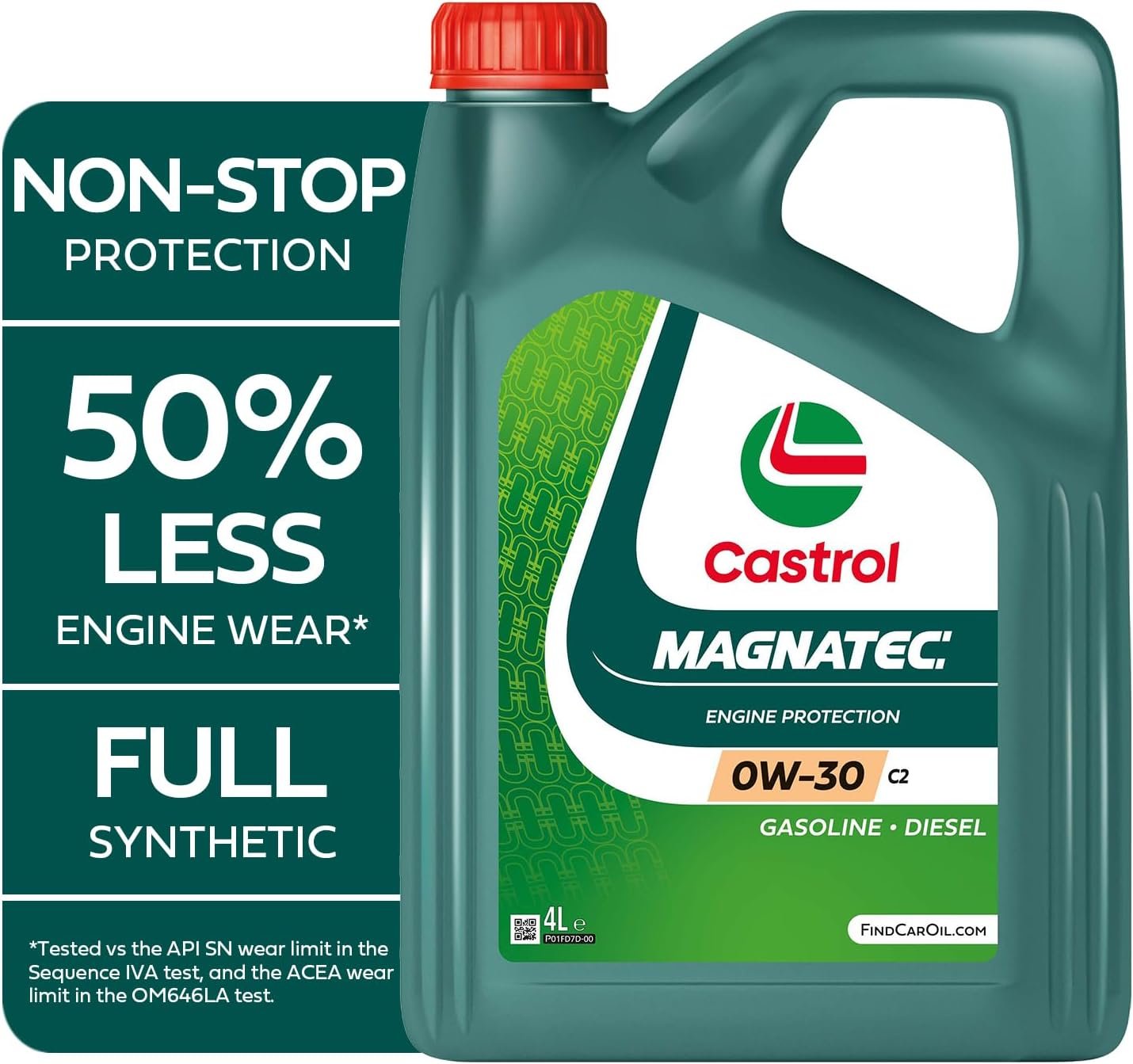
Best Value: Castrol EDGE 0W-30 Castrol’s Fluid Titanium technology provides strong oil film strength under high shear conditions, protecting the turbo bearings during hard acceleration while maintaining the low HTHS viscosity that PSA B71 2312 requires. ACEA C2 compliant and widely available across UK motor factors and online, the EDGE 0W-30 delivers dependable protection at a competitive price of £36-42 for 5 litres. A solid choice for owners who want well-known brand reassurance without the premium pricing of Mobil 1 or Shell.
Oil Change Intervals and Dipstick Discipline
Peugeot Official Recommendation:
- Service indicator-based intervals, up to 20,000 miles or 24 months
Recommended Practice: 10,000 miles or 12 months, whichever comes first.
The factory interval is far too long for a wet belt engine in typical UK driving conditions. Fuel dilution from direct injection degrades the oil progressively, and by 20,000 miles the lubricant has lost significant protective capacity. The timing belt has been soaking in increasingly compromised oil for the entire interval. Halving the official interval is not cautious; it is sensible.
Consider 6,000-8,000 mile intervals if:
- Most journeys are under 10 miles (maximum fuel dilution conditions)
- Frequent cold starts without the engine reaching full operating temperature
- The oil level rises above the maximum dipstick mark (fuel accumulation in sump)
- The car has covered more than 40,000 miles
- Previous oil history is unknown (used car purchases)
- Oil consumption exceeds 0.5 litres per 1,000 miles
Check the dipstick fortnightly. With a total capacity of just 3.3 litres, even modest oil loss or fuel contamination has a disproportionately large effect. A rising oil level indicates fuel dilution; a falling level indicates consumption. Both conditions accelerate belt wear. Do not rely on the dashboard warning alone. By the time the low-oil light appears, the level is already dangerously low and the belt has been partially exposed.
Drive the car properly. Regular runs of 30 minutes or more at full operating temperature help evaporate accumulated fuel from the sump. Engines used exclusively for short urban trips suffer the worst fuel dilution and the earliest belt failures. If your 208 rarely leaves the city, shortened oil intervals become essential, not optional.
Conclusion
The Peugeot 208 1.2 PureTech requires SAE 0W-30 engine oil meeting ACEA C2 and PSA B71 2312, with a capacity of 3.3 litres including the filter. The wet timing belt makes this one of the most oil-sensitive engines currently on sale in the UK. Incorrect oil, overextended service intervals, or a neglected dipstick do not merely shorten engine life; they create the conditions for sudden, total engine failure at mileages that would be unremarkable on any other modern car.
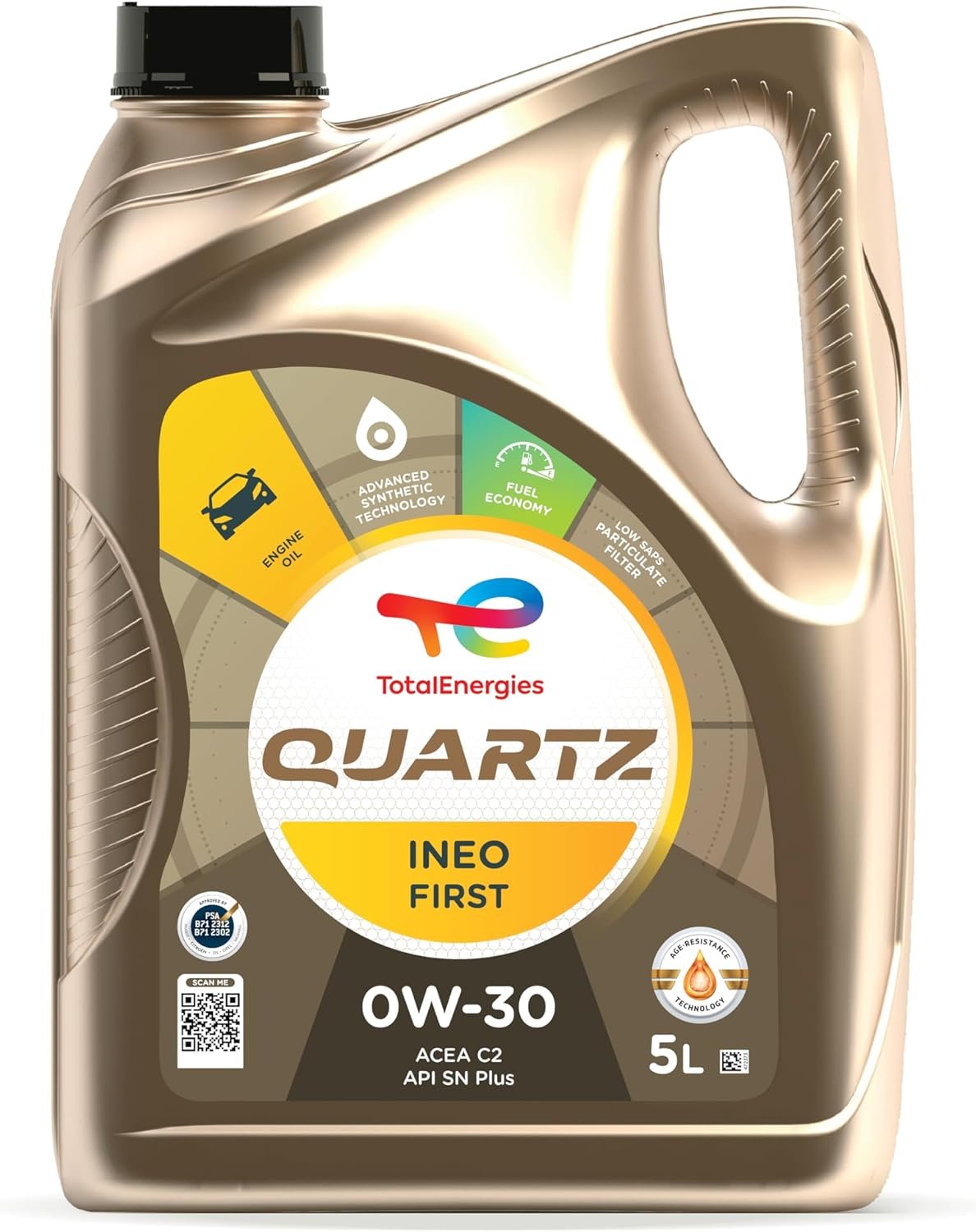
Total Quartz INEO First 0W-30 is the natural first choice at £34-39 for 5 litres, carrying the authority of Stellantis’s own factory-fill specification. Mobil 1 ESP 0W-30, Shell Helix Ultra Professional AP 0W-30, and Castrol EDGE 0W-30 all provide strong PSA B71 2312 approved alternatives. Whichever you choose, confirm the approval on the label, change the oil at sensible intervals, and check the dipstick regularly. The PureTech rewards disciplined maintenance with lively performance and good economy. It punishes neglect with a severity that few other engines can match.
Our Top Picks
As an Amazon Associate, we may earn from qualifying purchases. This doesn't affect our recommendations — we only suggest oils that hold the exact OEM approval for your engine.