 Oil-
Oil-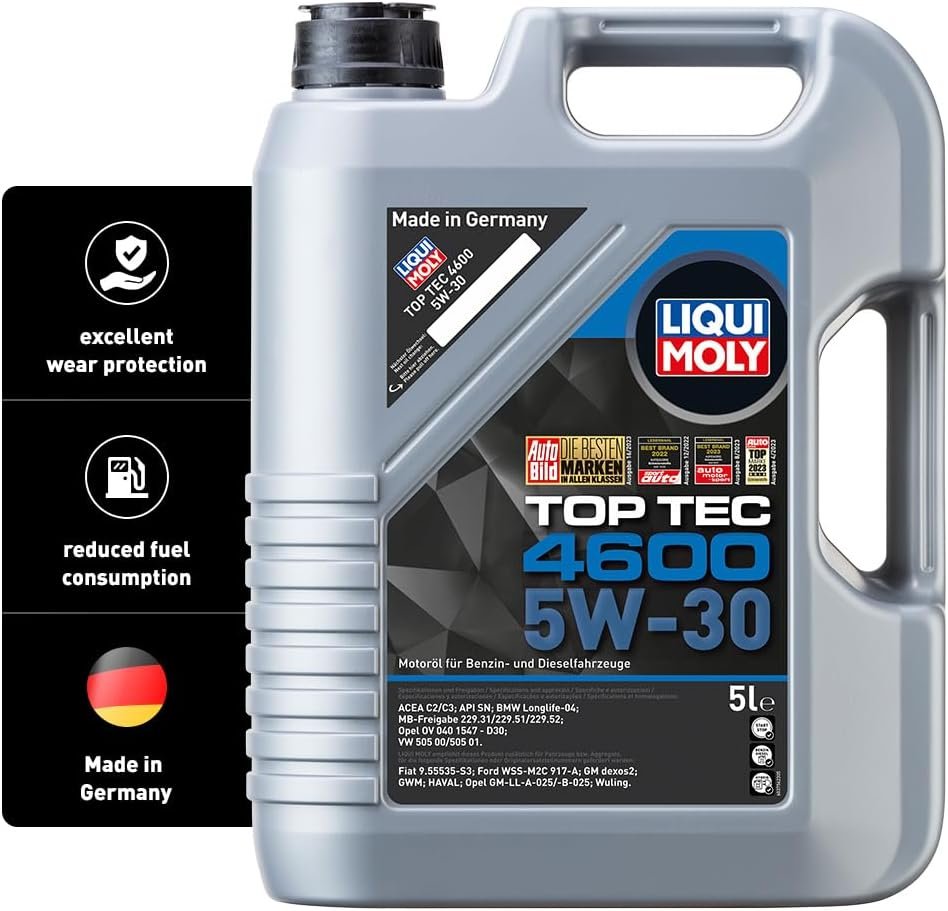
As an Amazon Associate, we may earn from qualifying purchases. This doesn't affect our recommendations — we only suggest oils that hold the exact OEM approval for your engine.
Best Engine Oil for Vauxhall Corsa E 1.0 Turbo (90/115 HP)
The Vauxhall Corsa E with the 1.0 Turbo engine brought genuine downsized performance to Britain’s best-selling supermini between 2014 and 2019. Built around the GM B10XFT three-cylinder turbo unit from the Ecotec family, it replaced the older naturally aspirated 1.2 and 1.4 engines with a modern direct-injection powerplant that delivered more torque, better fuel economy, and considerably sharper responses. It is also an engine that depends entirely on the correct oil specification to protect its turbocharger, timing chain, and combustion system. This guide explains exactly which oil to use, why GM’s dexos2 approval is mandatory, and what to watch for as these engines age.
Quick Answer: Recommended Oil
For Corsa E 1.0 Turbo (90/115 HP):
- Primary specification: GM dexos2 with SAE 5W-30
- ACEA rating: C3
- Oil capacity: 3.8 litres with filter (3.5 L without)
Key warning: Only use oil carrying full GM dexos2 approval. ACEA C3 on its own is not sufficient. dexos2 mandates additional oxidation stability, turbo deposit control, and emissions system compatibility tests that go beyond the ACEA C3 baseline. Generic 5W-30 C3 oil without dexos2 licensing risks turbo coking and accelerated timing chain wear.
The B10XFT Engine: Clever but Fragile
The B10XFT is a 999cc inline three-cylinder turbo from GM’s small-displacement Ecotec family. It was developed jointly by GM and its European engineering centres, and the same basic engine appeared in the Vauxhall Adam and Vauxhall Karl alongside the Corsa E. Two power outputs were offered: 90 HP in the base tune and 115 HP in the more aggressive calibration, both producing peak torque of 166 Nm from as low as 1,800 RPM.
The engineering is sophisticated for a budget supermini engine. An aluminium block and head keep weight down. Direct fuel injection provides precise mixture control for both power and economy. A small-diameter turbocharger spools quickly to eliminate low-end lag, and the entire package is remarkably compact. Variable valve timing on the intake side optimises breathing across the rev range, while an integrated exhaust manifold cast into the cylinder head reduces turbo lag further by shortening the path from exhaust port to turbine wheel.
The result is an engine that punches well above its displacement, delivering the kind of in-gear flexibility that the old 1.4 naturally aspirated unit could never match. But this engineering density comes with maintenance demands that the older, simpler engines never imposed, and oil quality sits at the centre of every one of them.
Timing Chain: Not a Fit-and-Forget Component
Unlike the Ford EcoBoost’s wet timing belt, the B10XFT uses a timing chain. Many owners assume this means the valve train is maintenance-free for life. It is not.
The B10XFT has a documented weakness in its upper chain guide, which can crack and fail. When the guide breaks apart, chain tension is lost, the timing slips, and valve-to-piston contact becomes possible. This is not a theoretical risk — it is a well-documented failure mode that has destroyed engines in Corsa Es, Adams, and Karls alike, sometimes at surprisingly low mileages.
Oil quality has a direct bearing on chain guide longevity. The chain guide is a plastic component that operates under constant mechanical load while bathed in engine oil. Degraded oil, oil with inappropriate additive chemistry, or oil that has lost its viscosity stability through excessive service intervals allows increased chain whip and accelerated guide wear. The guide does not snap from a single event — it fatigues over thousands of miles of inadequate lubrication.
Fresh dexos2-approved 5W-30 oil maintains the correct film strength on the chain and guide contact surfaces, dampens chain vibration through its viscosity characteristics, and keeps the hydraulic chain tensioner operating within its designed pressure range. Neglecting oil quality or stretching change intervals is the single fastest way to bring forward a chain guide failure that might otherwise never occur within normal ownership.
Turbocharger Vulnerabilities
The small turbocharger fitted to the B10XFT is a precision component spinning at speeds exceeding 200,000 RPM, supported by a thin film of oil on its journal bearings. Any interruption or degradation of that oil film causes immediate metal-to-metal contact, shaft scoring, and eventual turbo failure.
Two specific issues affect the Corsa E 1.0 Turbo’s boost system. First, the silicone hoses running from the turbo to the inlet manifold are known to split under heat cycling. A split hose causes a boost leak — reduced power, the engine running rich, and increased exhaust temperatures that feed back into higher oil temperatures. Owners often chase the power loss for weeks before identifying a cracked hose. While this is not an oil problem per se, the elevated operating temperatures that result from undiagnosed boost leaks degrade oil far faster than normal driving.
Second, the turbo actuator arm — the mechanism that controls the wastegate — can develop play and stick. When the wastegate does not regulate boost pressure correctly, the turbo can overboosted momentarily, spiking cylinder pressures and oil temperatures simultaneously. Again, the oil bears the consequence of a mechanical fault elsewhere.
In both cases, running high-quality dexos2 oil provides a margin of safety. Fully synthetic base stocks with strong oxidation resistance tolerate these temperature excursions without breaking down as rapidly as lower-grade oils. This does not excuse ignoring a boost leak or a sticking actuator, but it does mean the turbo bearings survive long enough for the fault to be diagnosed and repaired rather than taking the turbo with them.
Pinking and Pre-Detonation
The B10XFT is known to suffer from pinking (pre-detonation) under load, particularly when climbing hills or accelerating hard in a high gear at low RPM. This is the characteristic metallic rattling sound caused by uncontrolled combustion events ahead of the spark timing.
Pre-detonation generates extreme localised temperatures and pressures inside the combustion chamber that hammer the piston crown, ring lands, and big-end bearings. The knock sensor will retard ignition timing to protect the engine, but this is a reactive system with limited authority. Persistent pinking under heavy load stresses every lubricated surface in the bottom end.
While fuel quality (always use 95 RON minimum, preferably 97-99 RON super unleaded) is the primary defence against pre-detonation, oil quality matters too. Degraded oil with reduced viscosity stability provides thinner bearing films at exactly the moment those bearings are absorbing the shock loads from detonation events. Maintaining fresh, full-specification dexos2 oil is part of the overall strategy for keeping the B10XFT healthy under demanding driving conditions.
Why dexos2 Approval Is Non-Negotiable
GM developed the dexos2 specification as a global oil standard for their diesel and turbocharged petrol engines. It is not simply a rebranding of ACEA C3. The dexos2 test regime includes additional requirements for:
- Oxidation stability beyond ACEA C3 minimums, critical for the high oil temperatures generated by the B10XFT’s integrated exhaust manifold design
- Turbo deposit control, tested specifically to prevent coking on turbo bearing surfaces and oil feed pipes
- Emissions system compatibility, ensuring the oil’s ash content does not poison the catalytic converter
- Viscosity retention after shearing, maintaining protective film strength throughout the entire service interval
Oils must be licensed by GM to carry the dexos2 mark. This licensing involves batch testing and ongoing compliance audits. An oil labelled “meets dexos2” without the licensing number may have similar properties but has not undergone GM’s verification process. Always check for the dexos2 logo and licence number on the bottle.
Technical Specifications: 1.0 Turbo (B10XFT)
| Specification | Value |
|---|---|
| Displacement | 999cc (1.0 litre) |
| Layout | Inline-3, transverse, aluminium block and head |
| Valvetrain | DOHC, 12 valves, timing chain |
| Fuel System | Direct injection, turbocharged |
| Power | 90 HP or 115 HP @ 5,000-5,600 RPM |
| Torque | 166 Nm @ 1,800-4,700 RPM |
| Fuel Type | Petrol, 95 RON minimum |
| Recommended Viscosity | SAE 5W-30 |
| Oil Capacity (without filter) | 3.5 litres |
| Oil Capacity (with filter) | 3.8 litres |
| ACEA Norm | C3 |
| OEM Norm | GM dexos2 |
| Also used in | Vauxhall Adam, Vauxhall Karl |
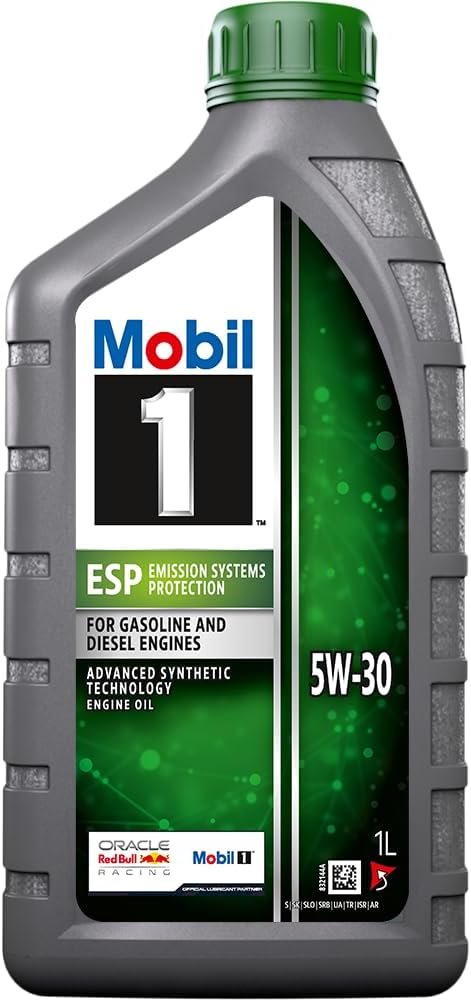
All-Rounder: Mobil 1 ESP 5W-30 ExxonMobil’s advanced synthetic is one of the most thoroughly tested oils on the market, with dexos2 approval and broad OEM coverage. The ESP (Emission System Protection) formulation balances low-ash chemistry for catalyst protection with robust high-temperature performance for turbo durability. Excellent resistance to viscosity breakdown under shear makes it a strong choice for owners who drive mixed routes and want confidence that the oil will protect the chain guide and turbo across the full service interval. Priced at £35-50 for 5 litres.
Oil Change Intervals
Vauxhall Official Recommendation:
- Standard service: 20,000 miles or 1 year
- Flexible service (with condition monitoring): up to 20,000 miles or 2 years
Recommended Practice: 8,000-10,000 miles or annually, whichever comes first.
Vauxhall’s official long-life intervals are extremely optimistic for this engine. The B10XFT holds just 3.8 litres of oil with a filter change — this is a small volume working extremely hard in a turbocharged, direct-injection engine with an integrated exhaust manifold that generates substantial heat. Oil degradation per mile is higher than in a larger-capacity engine simply because each litre of oil is cycled through more thermal stress events in the same distance.
Consider 6,000-mile intervals if:
- Predominantly short urban journeys under 10 miles
- Frequent cold starts without reaching full operating temperature
- Vehicle has covered over 50,000 miles (chain guide wear risk increases)
- Any history of pinking or turbo boost issues
- Unknown service history under previous owners
- Regular heavy-load driving (full passengers, hills, motorway on-ramp acceleration)
When draining the oil, allow adequate time for the small sump to empty fully. The narrow oil passages in this engine mean residual old oil can remain trapped if the drain is rushed.
Conclusion
The Vauxhall Corsa E 1.0 Turbo is a genuinely capable small car powered by an engine that demands respect for its oil specification. The B10XFT’s combination of a small-displacement turbo, direct injection, integrated exhaust manifold, and a timing chain with a known guide weakness means oil quality is not a matter of preference but of engine survival.
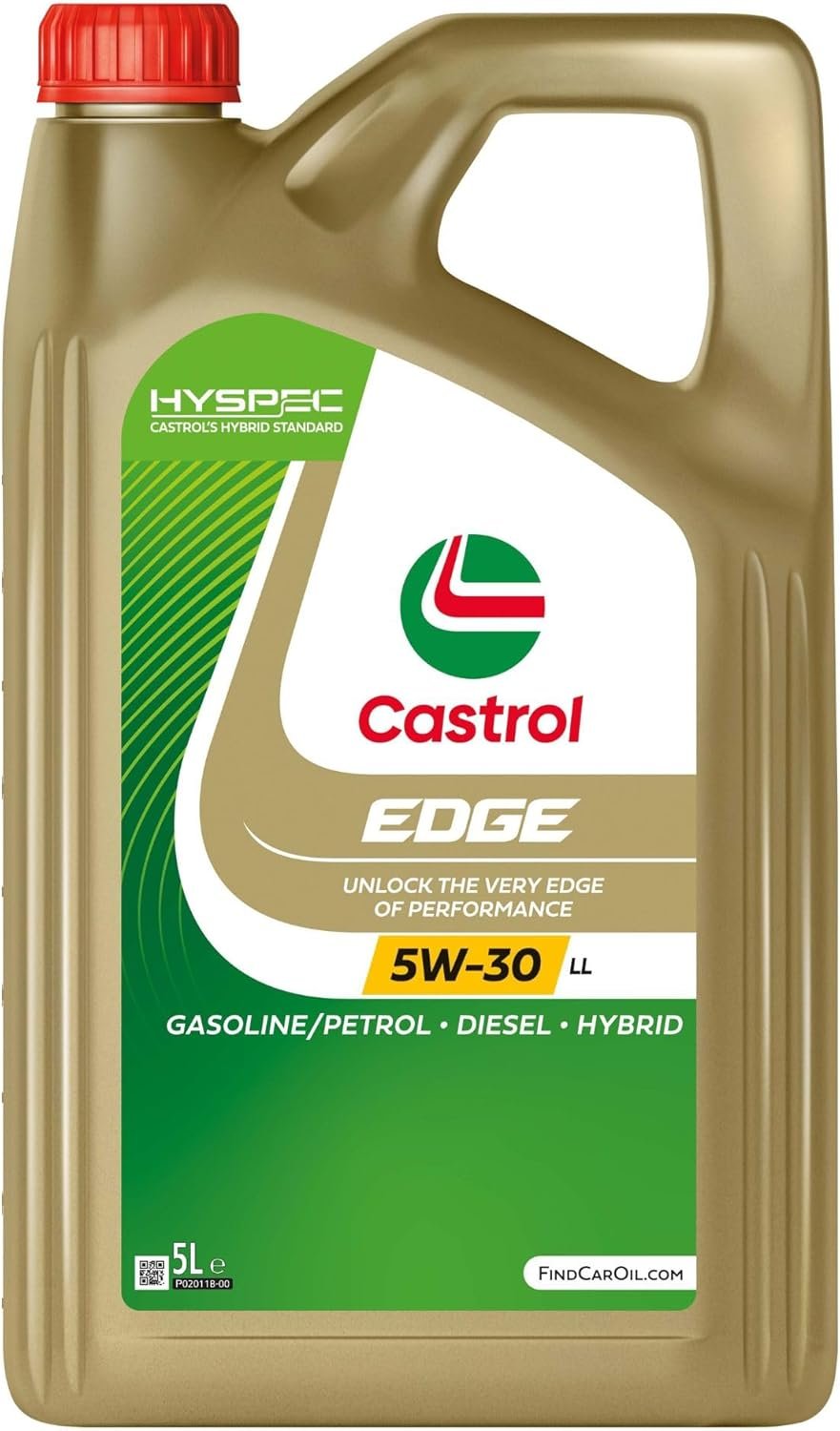
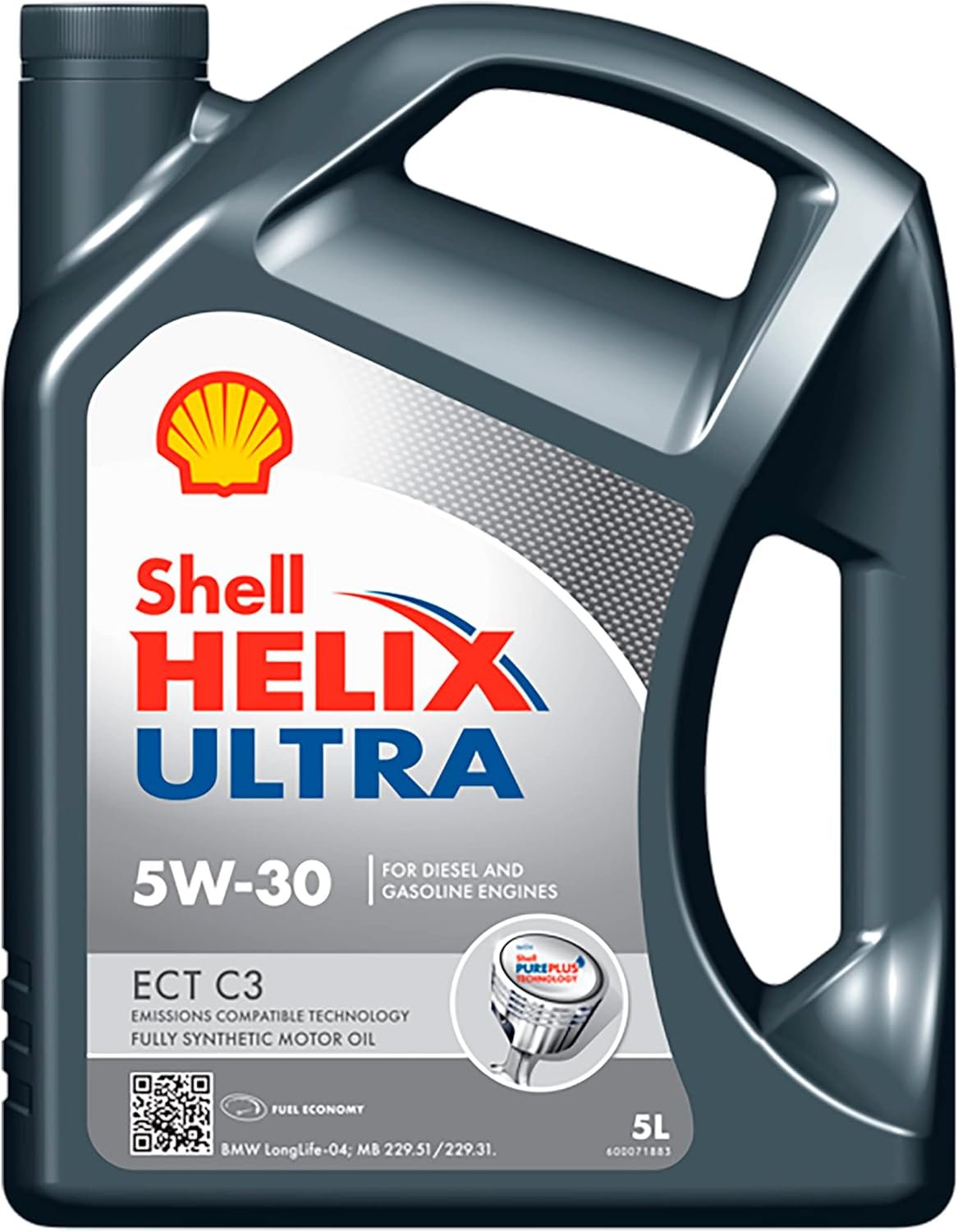
Use only GM dexos2 approved SAE 5W-30 oil, change it at 8,000-10,000 mile intervals regardless of the service indicator, and never accept a generic ACEA C3 oil as a substitute. Shell Helix Ultra ECT C3 5W-30 offers the best value for money, Castrol EDGE 5W-30 LL and Mobil 1 ESP 5W-30 provide premium protection for higher-mileage or harder-driven examples, and Liqui Moly Top Tec 4600 rounds out the options with a GM-specific formulation. Verify the dexos2 licence number on every bottle you buy, and treat the turbo hoses and actuator arm as inspection items at every service. With disciplined oil management, the B10XFT delivers its performance and economy reliably well beyond 100,000 miles.
Our Top Picks
As an Amazon Associate, we may earn from qualifying purchases. This doesn't affect our recommendations — we only suggest oils that hold the exact OEM approval for your engine.