 Oil-
Oil-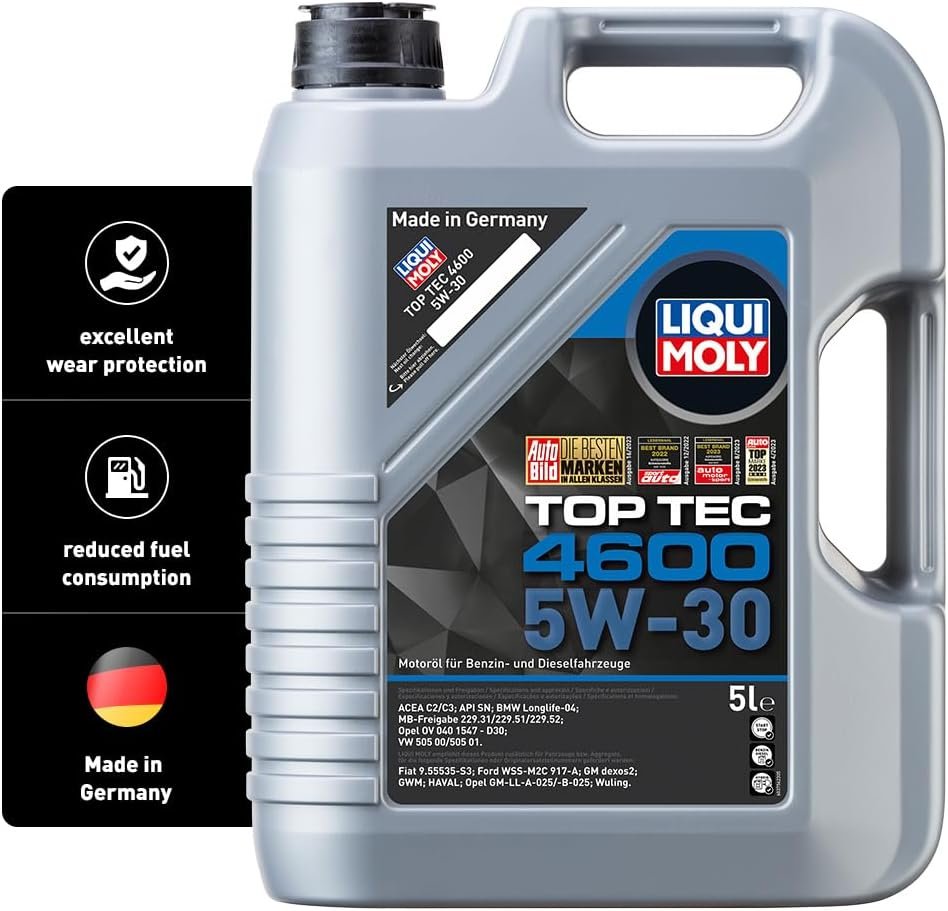
As an Amazon Associate, we may earn from qualifying purchases. This doesn't affect our recommendations — we only suggest oils that hold the exact OEM approval for your engine.
Best Engine Oil for Vauxhall Astra K 1.6 CDTi (110/136 HP)
The Vauxhall Astra K, produced from 2015 to 2021, marked a significant step forward for Vauxhall’s family hatchback. The 1.6 CDTi diesel, carrying engine code B16DTH, is the workhorse of the range, available in both 110 HP and 136 HP variants. This GM-developed four-cylinder diesel delivers strong mid-range torque and respectable fuel economy, but it is an engine that demands strict attention to oil specification. The B16DTH relies on a diesel particulate filter, an EGR system, and an AdBlue-based selective catalytic reduction system to meet Euro 6 emissions standards. Each of these components interacts directly with the engine oil, and using the wrong specification will cause accelerated wear and expensive failures. GM mandates dexos2-approved oil for this engine, and that requirement is not a suggestion. This guide explains why dexos2 matters, covers the timing chain issues that plague this engine, and recommends proven oils that will keep the 1.6 CDTi running reliably.
Quick Answer: Recommended Oil
For Vauxhall Astra K 1.6 CDTi (110/136 HP):
- Specification: GM dexos2 with ACEA C3
- Viscosity: SAE 5W-30
- Oil capacity: 5.0 litres with filter (4.7 L without)
Critical: Only use oil carrying the dexos2 approval. This GM specification mandates low-SAPS (Sulphated Ash, Phosphorus, Sulphur) chemistry essential for protecting the diesel particulate filter. Using a standard 5W-30 without dexos2 approval risks premature DPF saturation, a replacement costing between £1,200 and £2,000. The dexos2 standard also sets stricter requirements for soot dispersancy and oxidation stability than generic ACEA C3 alone.
The B16DTH Engine
The B16DTH is a GM-developed 1.6-litre four-cylinder turbodiesel, part of the Ecotec family. It displaces 1,598cc through a compact bore and stroke arrangement, producing 110 HP in the base variant and 136 HP in the higher-output tune, with peak torque of up to 320 Nm available from 2,000 RPM. Both variants share the same fundamental architecture, differing primarily in turbo boost pressure and ECU calibration.
The engine uses a common-rail direct injection system operating at pressures up to 2,000 bar, combined with a variable-geometry turbocharger for responsive boost delivery across the rev range. An aluminium block and head keep weight down, contributing to the Astra K’s class-leading kerb weight reduction over the previous Astra J. The timing chain drives the camshafts, eliminating the timing belt replacement intervals associated with older Vauxhall diesels, though as discussed below, the chain itself is far from maintenance-free.
Euro 6 compliance requires a full exhaust aftertreatment system: the diesel particulate filter captures soot, the EGR valve recirculates exhaust gas to lower combustion temperatures, and the selective catalytic reduction system uses AdBlue (diesel exhaust fluid) to convert NOx into harmless nitrogen and water. Every one of these systems places demands on the engine oil, making correct specification essential rather than merely advisable.
Technical Specifications: 1.6 CDTi (B16DTH)
| Specification | Value |
|---|---|
| Displacement | 1,598cc (1.6 litres) |
| Layout | Inline-4, transverse, aluminium block and head |
| Valvetrain | DOHC, 16 valves, timing chain |
| Power | 110 HP / 136 HP @ 3,500-4,000 RPM |
| Torque | 300 Nm (110 HP) / 320 Nm (136 HP) @ 2,000 RPM |
| Fuel Type | Diesel |
| Injection | Common-rail direct injection, up to 2,000 bar |
| Emissions Standard | Euro 6 |
| Recommended Viscosity | SAE 5W-30 |
| Oil Capacity (without filter) | 4.7 litres |
| Oil Capacity (with filter) | 5.0 litres |
| ACEA Norm | C3 |
| OEM Norm | GM dexos2 |
Understanding dexos2 and Why It Matters
GM dexos2
dexos2 is General Motors’ mandatory oil specification for all its diesel engines sold in Europe, including the B16DTH in the Astra K. It is not interchangeable with dexos1 (which covers petrol engines) and carries specific requirements that go beyond generic ACEA ratings:
- Low-SAPS formulation: Sulphated ash content is strictly limited to protect the DPF from non-combustible residue accumulation. Every litre of oil that enters the combustion chamber leaves metallic ash behind in the filter. Low-SAPS dexos2 oil produces significantly less ash than conventional formulations.
- Enhanced soot dispersancy: The 1.6 CDTi generates considerable soot under load. dexos2 oils contain dispersant additives that keep soot particles suspended individually, preventing agglomeration into abrasive clusters that accelerate bearing and cylinder wear.
- Oxidation stability: Diesel oil degrades faster than petrol oil due to higher combustion temperatures and soot contamination. dexos2 sets a higher bar for oxidation resistance, ensuring the oil maintains its protective properties throughout the service interval.
- Turbo deposit resistance: Validated against vane deposit formation in the variable-geometry turbocharger at exhaust-side temperatures exceeding 280 degrees C.
Always verify the dexos2 licence number printed on the oil container. An oil labelled “ACEA C3” or “suitable for diesel DPF” without the specific dexos2 approval has not been tested against GM’s soot handling and ash content requirements.
ACEA C3
ACEA C3 is the European performance standard that underpins dexos2. It defines mid-SAPS catalyst and DPF-compatible oils with enhanced high-temperature/high-shear protection. However, dexos2 adds GM-specific tests for oxidation stability and soot dispersancy that ACEA C3 alone does not guarantee. For the Astra K 1.6 CDTi, always insist on the dexos2 approval rather than relying on ACEA C3 as sufficient.
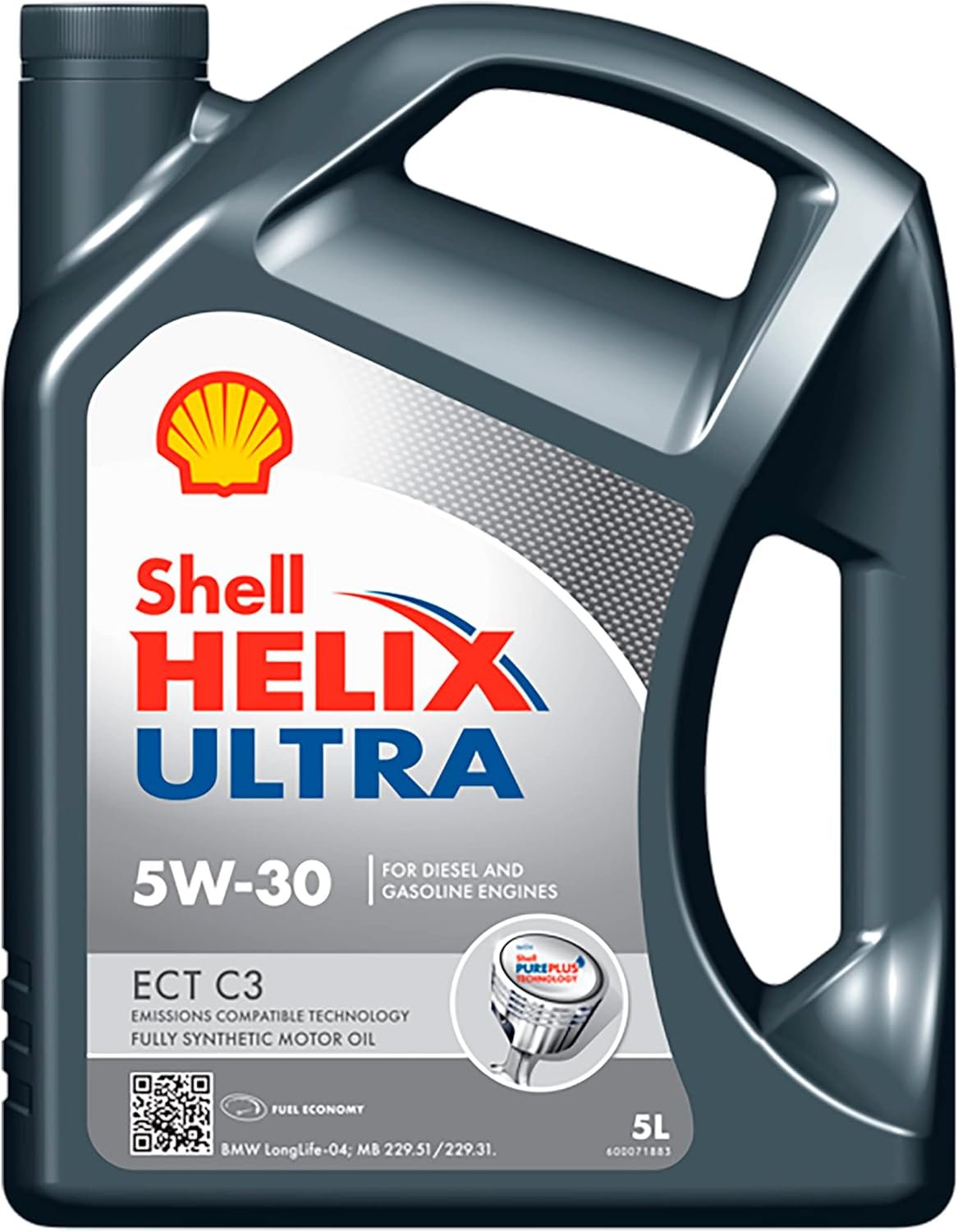
Best Value: Shell Helix Ultra ECT C3 5W-30 Shell’s PurePlus gas-to-liquid base oil technology starts with an exceptionally clean synthetic base stock, delivering low deposit formation and excellent oxidation resistance. The ECT C3 formulation carries dexos2 approval with low-SAPS chemistry to protect the full aftertreatment system. Strong detergent and dispersant additives help combat the EGR-related carbon deposits that affect the B16DTH. Widely available and competitively priced at around £36-42 for 5 litres, making it the strongest value option without compromising on protection.
Alternative: Total Quartz INEO MC3 5W-30 TotalEnergies’ INEO MC3 is a fully synthetic, dexos2-approved oil with a strong low-SAPS formulation. Its detergent package actively combats the intake manifold and EGR valve deposits that the 1.6 CDTi is susceptible to, while the synthetic base stock provides reliable cold-start protection down to -30 degrees C. At roughly £32-38 for 5 litres, it is the most affordable dexos2-approved option from a major manufacturer, making it ideal for owners who change oil at shorter intervals.
Oil Change Intervals
Vauxhall Official Recommendation:
- Variable service: up to 20,000 miles or 12 months (condition-based)
- Fixed service: 10,000 miles or 12 months
Recommended Practice: 8,000-10,000 miles or annually, whichever comes first.
Vauxhall’s condition-based service system can stretch intervals to 20,000 miles under ideal conditions, but a 1.6 CDTi diesel driven in the UK rarely experiences ideal conditions. The combination of cold starts, short trips, stop-start traffic, and the soot loading inherent to diesel combustion means that oil degrades substantially faster than the onboard computer assumes. Adhering to 8,000-10,000 mile intervals with quality dexos2 oil is the single most effective thing you can do to extend the life of the timing chain, turbo, and DPF.
Consider 6,000-8,000 mile intervals if:
- Primarily short trips under 10 miles (DPF cannot complete regeneration, oil dilution accelerates)
- Heavy urban stop-and-go driving (frequent start/stop cycles and incomplete regen)
- Vehicle exceeds 80,000 miles (chain guides and tensioner demand cleaner oil)
- Any sign of rising oil level on the dipstick (fuel dilution from failed DPF regen)
Common B16DTH Problems and Oil-Related Prevention
Timing Chain and Guide Wear: This is the B16DTH’s most serious known issue. Between 70,000 and 150,000 miles, the timing chain stretches and the plastic chain guides can deteriorate, with pieces breaking off and circulating through the engine. Early symptoms include a rattling noise on cold start that fades as the engine warms, rough running, and eventually timing-related fault codes. The start/stop system compounds this problem by subjecting the chain tensioner to far more start-up load cycles than a conventional engine would experience. Regular oil changes every 8,000-10,000 miles with quality dexos2 oil are the most effective preventative measure. Clean oil with strong anti-wear additives reduces friction on the chain and guides, slowing the wear process. If you hear chain rattle on start-up, do not ignore it. Chain and guide replacement costs between £800 and £1,500 depending on the workshop, but catching it before the guides disintegrate completely avoids catastrophic engine damage.
DPF Regeneration Failures: The diesel particulate filter requires sustained driving at higher speeds to reach the temperatures needed for passive regeneration. Drivers who use their Astra K predominantly for short urban trips often find the DPF cannot regenerate, leading to a blocked filter, warning lights, reduced performance, and limp mode. Active regeneration attempts inject extra diesel into the combustion chamber, which washes past the piston rings and dilutes the engine oil. Check the dipstick regularly. If the oil level is rising above the maximum mark, fuel dilution is occurring and an immediate oil change is necessary. Low-SAPS dexos2 oil is essential for DPF health, producing far less metallic ash than conventional oil and extending the filter’s effective life.
EGR Valve Clogging: The exhaust gas recirculation valve on the 1.6 CDTi is prone to heavy carbon buildup, particularly on vehicles driven predominantly in urban conditions. Symptoms include rough running at idle, hesitation under acceleration, black smoke from the exhaust, and in severe cases, the engine entering limp mode. Fault codes P0401 and P0402 are common indicators. Quality dexos2 oil with strong detergent additives helps slow the rate of carbon accumulation in the intake tract, though the EGR valve will eventually require cleaning or replacement regardless. Expect to pay between £200 and £400 for EGR valve replacement.
AdBlue Pump Failures: The selective catalytic reduction system uses an AdBlue pump to inject diesel exhaust fluid into the exhaust stream. This pump is prone to failure, particularly in cold weather when AdBlue can crystallise in the injector. While not directly oil-related, it is worth noting as one of the most expensive repairs on the Astra K diesel, with replacement costs running between £500 and £1,000 including the control module. Keeping the AdBlue tank topped up and avoiding running it to empty reduces stress on the pump.
Turbo Wear and Oil Leaks: The variable-geometry turbocharger operates in an extremely hostile thermal environment. Oil that has degraded from soot contamination or extended service intervals forms coking deposits inside the turbo bearing housing, leading to restricted oil flow, bearing wear, and eventually shaft seal failure. Blue smoke on start-up or under hard acceleration indicates turbo seal issues. Clean dexos2 oil changed at sensible intervals prevents turbo coking and extends turbo life well beyond 100,000 miles.
Conclusion
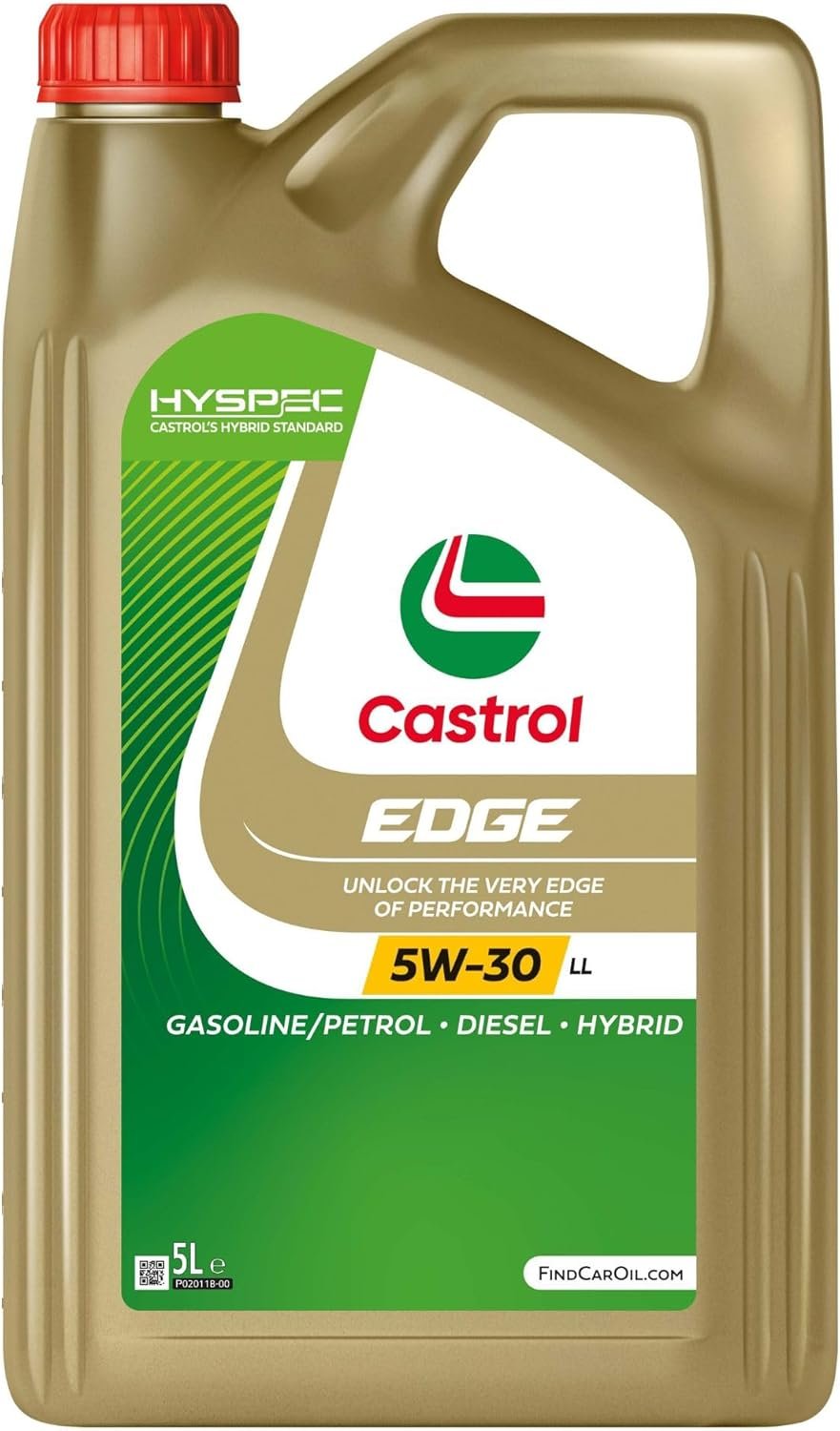
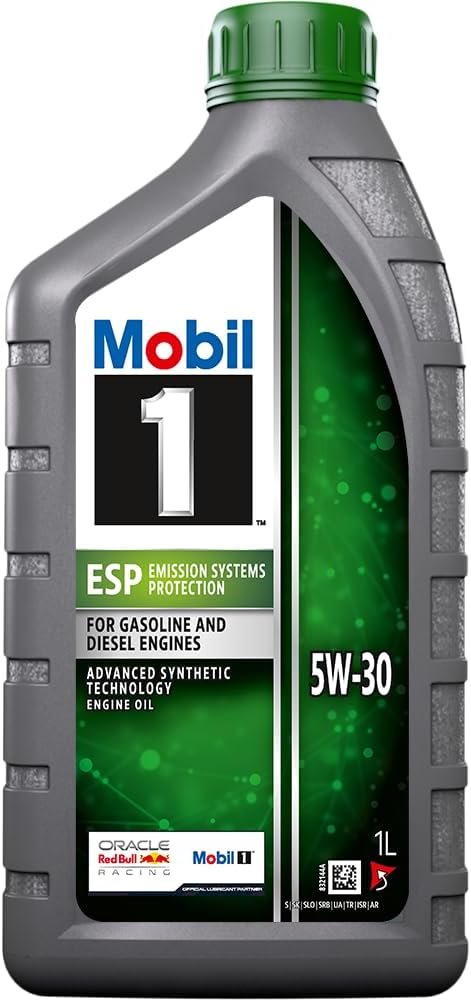
The Vauxhall Astra K 1.6 CDTi requires GM dexos2 approved SAE 5W-30 engine oil with a capacity of 5.0 litres including the filter. This is a modern Euro 6 diesel with a DPF, EGR, and SCR aftertreatment system, and low-SAPS oil is mandatory. Choose from proven options: Castrol EDGE 5W-30 LL, Mobil 1 ESP 5W-30, Shell Helix Ultra ECT C3 5W-30, or Total Quartz INEO MC3 5W-30. Always verify the dexos2 licence number on the bottle.
Maintain oil change intervals of 8,000-10,000 miles regardless of what the onboard service computer suggests. If you drive predominantly short trips or in heavy traffic, shorten that to 6,000-8,000 miles. The £35-50 spent on quality oil prevents timing chain failure (£800-1,500), DPF replacement (£1,200-2,000), EGR valve clogging (£200-400), and premature turbo wear. The B16DTH is a capable and efficient engine that serves well past 150,000 miles when properly maintained. Regular oil changes with the correct dexos2 specification are the foundation of that longevity, and cutting corners on oil is the fastest route to an expensive repair bill.
Our Top Picks
As an Amazon Associate, we may earn from qualifying purchases. This doesn't affect our recommendations — we only suggest oils that hold the exact OEM approval for your engine.