 Oil-
Oil-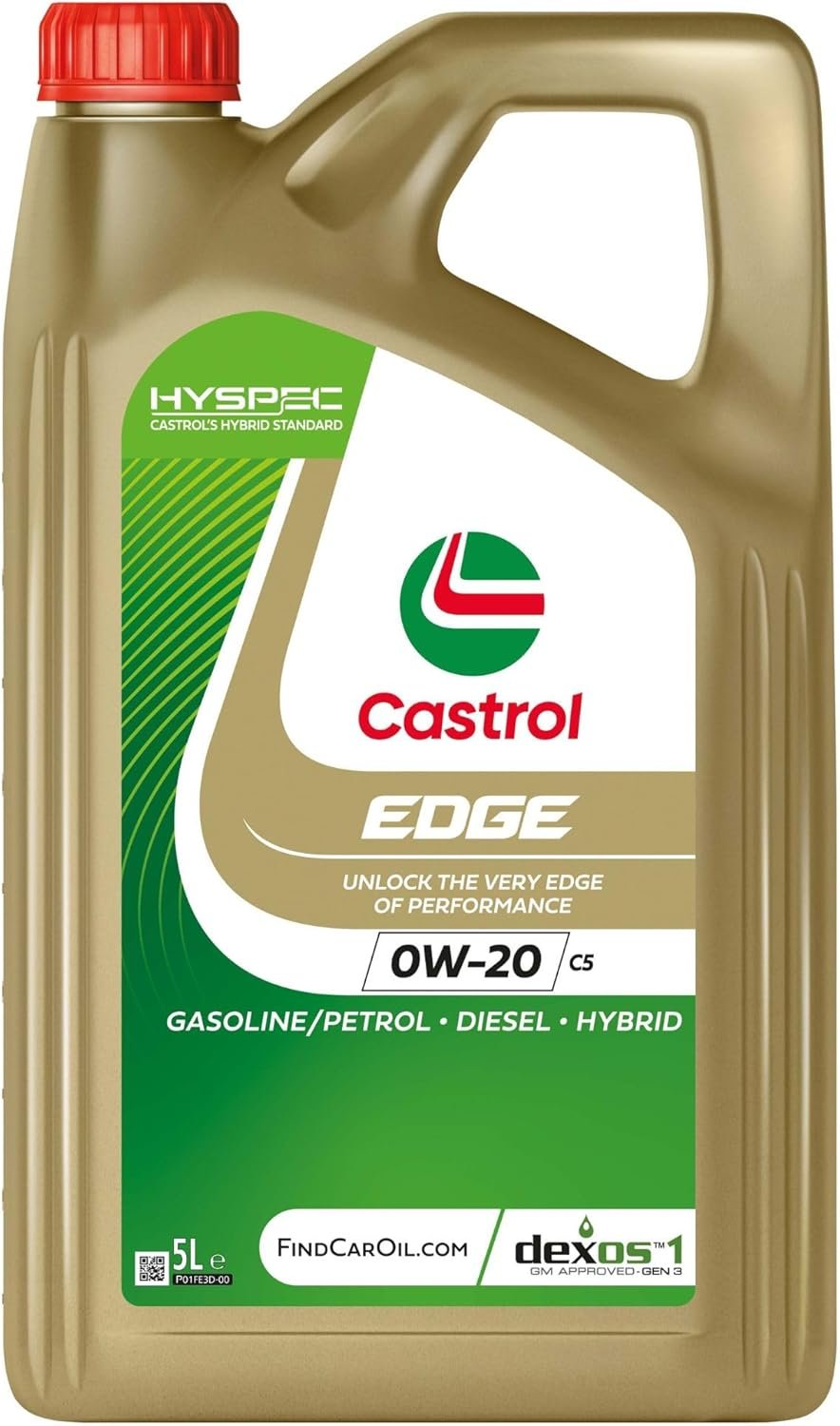
As an Amazon Associate, we may earn from qualifying purchases. This doesn't affect our recommendations — we only suggest oils that hold the exact OEM approval for your engine.
Best Engine Oil for Nissan Rogue T33 1.5 VC-Turbo (201 HP) — KR15DDT
The third-generation Nissan Rogue (T33, 2021+) introduced one of the most ambitious engine designs in the compact SUV segment: the KR15DDT 1.5-liter variable compression turbo. This three-cylinder produces 201 horsepower through a mechanically complex system that continuously adjusts its compression ratio between 8:1 and 14:1, extracting turbocharged performance when you need it and naturally aspirated efficiency when you do not. It is an engineering marvel on paper. In practice, the KR15DDT has become the subject of an NHTSA investigation into bearing failures, with owners and independent mechanics questioning whether the engine’s complexity will allow it to reach the mileage most buyers expect from a family SUV. Engine oil selection and change intervals are not just important for this engine — they are survival essentials. This guide covers the correct specification, capacity, the bearing failure investigation, and what you can do to protect your investment.
Quick Answer: Recommended Oil
For Nissan Rogue T33 1.5 VC-Turbo (201 HP, KR15DDT):
- Specification: API SP / ILSAC GF-6A
- Viscosity: SAE 0W-20
- Oil capacity: 5.4 quarts with filter (5.1 quarts without)
Critical: Use only SAE 0W-20 full synthetic oil meeting API SP or ILSAC GF-6A. The KR15DDT’s variable compression mechanism relies on precise oil pressure delivered through narrow internal passages to operate the multi-link piston assembly. Oil that is too thick or degraded cannot actuate this system correctly. There is no approved alternative viscosity for this engine.
The KR15DDT VC-Turbo Engine
The KR15DDT is a 1,497cc turbocharged inline three-cylinder that Nissan calls the world’s first production variable compression ratio engine. Where every other gasoline engine operates at a fixed compression ratio, the KR15DDT uses a multi-link piston assembly — consisting of upper links (A-links), lower links (C-links), and a control shaft driven by an electric actuator motor — to physically change the piston’s stroke geometry while the engine is running. At light load and cruising, the system raises compression to 14:1 for maximum thermal efficiency. Under hard acceleration, it drops to 8:1 to prevent knock while the turbocharger forces additional air into the cylinders.
This mechanism replaces the conventional connecting rod with a multi-link assembly containing the A-link (upper), C-link (lower), and L-link (control) components, each riding on precision bearings that depend on engine oil for lubrication. The control shaft itself runs on its own set of bearings. Combined with the crankshaft main bearings and the turbocharger journal bearings, the KR15DDT has significantly more oil-lubricated bearing surfaces than a conventional engine of similar displacement.
The engine also features direct fuel injection, an integrated exhaust manifold within the cylinder head, and a single-scroll turbocharger with an electronically controlled wastegate. Bore and stroke vary dynamically, but the effective displacement remains 1,497cc. Power output is 201 horsepower at 5,600 RPM with 225 lb-ft of torque available from 2,800 to 4,400 RPM, paired exclusively with a CVT transmission.
Understanding the Oil Specification
Nissan specifies API SP / ILSAC GF-6A in SAE 0W-20 for the KR15DDT. API SP, introduced in 2020, includes critical protection against low-speed pre-ignition (LSPI) — a phenomenon where the fuel-air mixture ignites prematurely under high load at low RPM. LSPI is particularly dangerous in turbocharged engines, and the KR15DDT’s ability to operate at compression ratios as high as 14:1 while turbocharged makes LSPI protection non-negotiable. Oils meeting the older API SN Plus specification also provide LSPI protection, but API SP adds improved deposit control and oxidation resistance that benefit the KR15DDT’s complex internal geometry.
The 0W-20 viscosity is not simply a fuel economy choice. The variable compression multi-link mechanism requires oil thin enough to flow rapidly through narrow actuator passages and bearing clearances that are tighter than those in conventional engines. Oil that has degraded through oxidation, shear, or contamination thickens and loses its ability to lubricate these components effectively. This is why Nissan offers no alternative viscosity — the engine was designed exclusively around 0W-20.
Technical Specifications: KR15DDT VC-Turbo
| Specification | Value |
|---|---|
| Displacement | 1,497cc (1.5 liters) |
| Layout | Inline-3, transverse, aluminum block and head |
| Valvetrain | DOHC, 12 valves, timing chain |
| Variable Compression | 8:1 to 14:1, electrically actuated multi-link |
| Turbocharger | Single-scroll, electronically controlled wastegate |
| Power | 201 HP @ 5,600 RPM |
| Torque | 225 lb-ft @ 2,800-4,400 RPM |
| Compression Ratio | Variable, 8:1 to 14:1 |
| Fuel Type | Regular unleaded (87 octane minimum) |
| Recommended Viscosity | SAE 0W-20 |
| Oil Capacity (without filter) | 5.1 quarts (4.8 liters) |
| Oil Capacity (with filter) | 5.4 quarts (5.1 liters) |
| Oil Specification | API SP / ILSAC GF-6A |
| Timing | Chain (no scheduled replacement) |
Best Value: Valvoline Advanced Full Synthetic 0W-20 Valvoline’s full synthetic meets API SP and ILSAC GF-6A with a balanced additive package at a lower price point. Widely available at Walmart, AutoZone, and Amazon for $23-27 for 5 quarts. A solid choice for owners maintaining shorter change intervals.
Oil Change Intervals
Nissan Official Recommendation:
- Standard service: 5,000 miles or 6 months
Recommended Practice: 4,000 to 5,000 miles or every 4 to 6 months, whichever comes first.
Given the NHTSA bearing failure investigation and the KR15DDT’s mechanical complexity, stretching oil change intervals on this engine is inadvisable. Nissan’s 5,000-mile recommendation is already conservative by modern standards, but many independent mechanics working on these engines recommend tightening to 4,000 miles, particularly for vehicles driven in stop-and-go traffic, hot climates, or towing conditions. The additional cost of one extra oil change per year — roughly $30-40 — is negligible compared to the cost of a bearing failure that could total the engine.
Monitor your oil level between changes. The KR15DDT holds 5.4 quarts with a filter, and any noticeable consumption between services should be investigated promptly. Unusual engine noise, particularly metallic knocking or rattling under load, warrants an immediate inspection.
Why Correct Oil Matters
The KR15DDT has more critically lubricated components than any conventional engine in its class. The multi-link variable compression assembly adds four bearing surfaces per cylinder that do not exist in a standard connecting rod design: the A-link bearing, C-link bearing, L-link bearing, and control shaft bearing. Across three cylinders, that is twelve additional bearing surfaces beyond what a normal three-cylinder engine requires, all of which rely on pressurized 0W-20 oil for lubrication and heat dissipation.
The turbocharger shaft bearings add another pair of oil-lubricated surfaces spinning at up to 200,000 RPM. Degraded or incorrect oil cannot maintain adequate film strength at these extreme speeds and temperatures. The electric actuator motor that drives the control shaft depends on clean oil flowing through its hydraulic circuit to adjust compression ratio smoothly. Contaminated or thickened oil causes sluggish response, incorrect compression ratio selection, and increased mechanical stress on the multi-link assembly.
Common KR15DDT Problems Related to Oil
NHTSA Bearing Failure Investigation
The National Highway Traffic Safety Administration has opened an investigation into bearing failures in the KR15DDT engine. Reports describe failures across multiple bearing types within the variable compression assembly — main bearings, A-link bearings, C-link bearings, and L-link bearings have all been documented. Symptoms include progressive metallic knocking, loss of power, and in severe cases complete engine seizure. Many of these failures have occurred at mileages well below what owners expect from a modern engine, with some independent experts noting that some KR15DDT engines may be lucky to reach 140,000 miles.
The root cause remains under investigation, but the mechanical complexity of the multi-link system means there are simply more components that can fail. Every bearing in the variable compression assembly experiences dynamic loading that changes continuously as the compression ratio adjusts — a stress pattern that conventional connecting rod bearings never encounter. Oil quality and change frequency are the primary controllable factors owners have to mitigate bearing wear.
Cooling System Concerns
The KR15DDT’s integrated exhaust manifold design places extreme thermal demands on the cylinder head and cooling system. Reports of cooling system issues, including thermostat failures and coolant leaks, have surfaced in owner forums. An overheating event is particularly dangerous for this engine because heat-damaged bearings in the multi-link assembly are far more expensive to replace than conventional connecting rod bearings. Monitor coolant temperature and level vigilantly, and address any anomalies immediately.
Variable Compression Actuator and Sensor Complexity
The electric actuator motor, control shaft position sensor, and ECU logic that govern the variable compression system introduce failure modes that simply do not exist in conventional engines. Diagnostic trouble codes related to compression ratio control can trigger limp mode, and repairs involving the multi-link assembly or its actuator are labor-intensive and expensive — often exceeding $3,000 to $5,000 at a dealership. Clean, fresh 0W-20 oil reduces the mechanical stress on these components, but the fundamental complexity remains a long-term ownership risk.
Conclusion
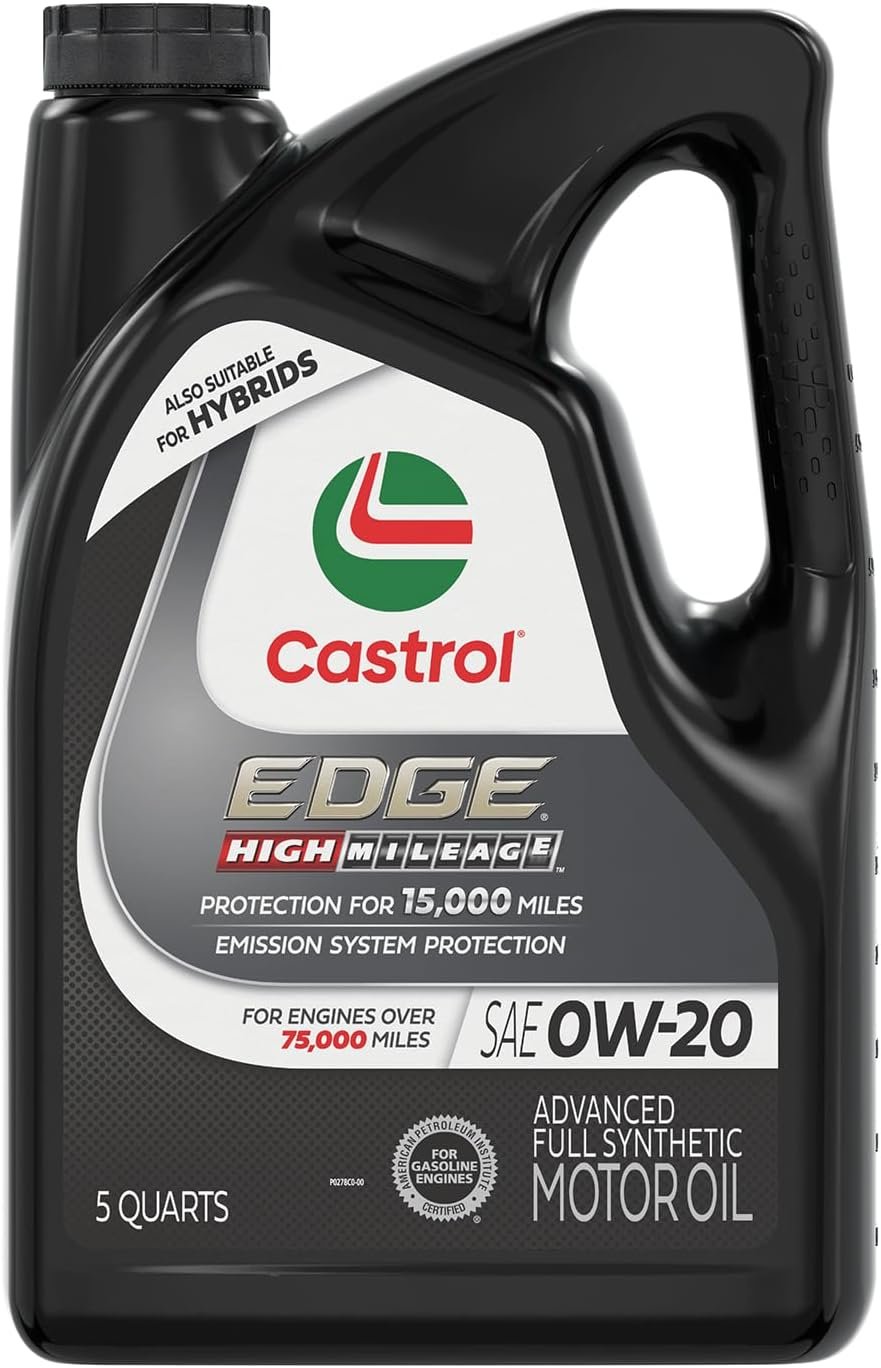
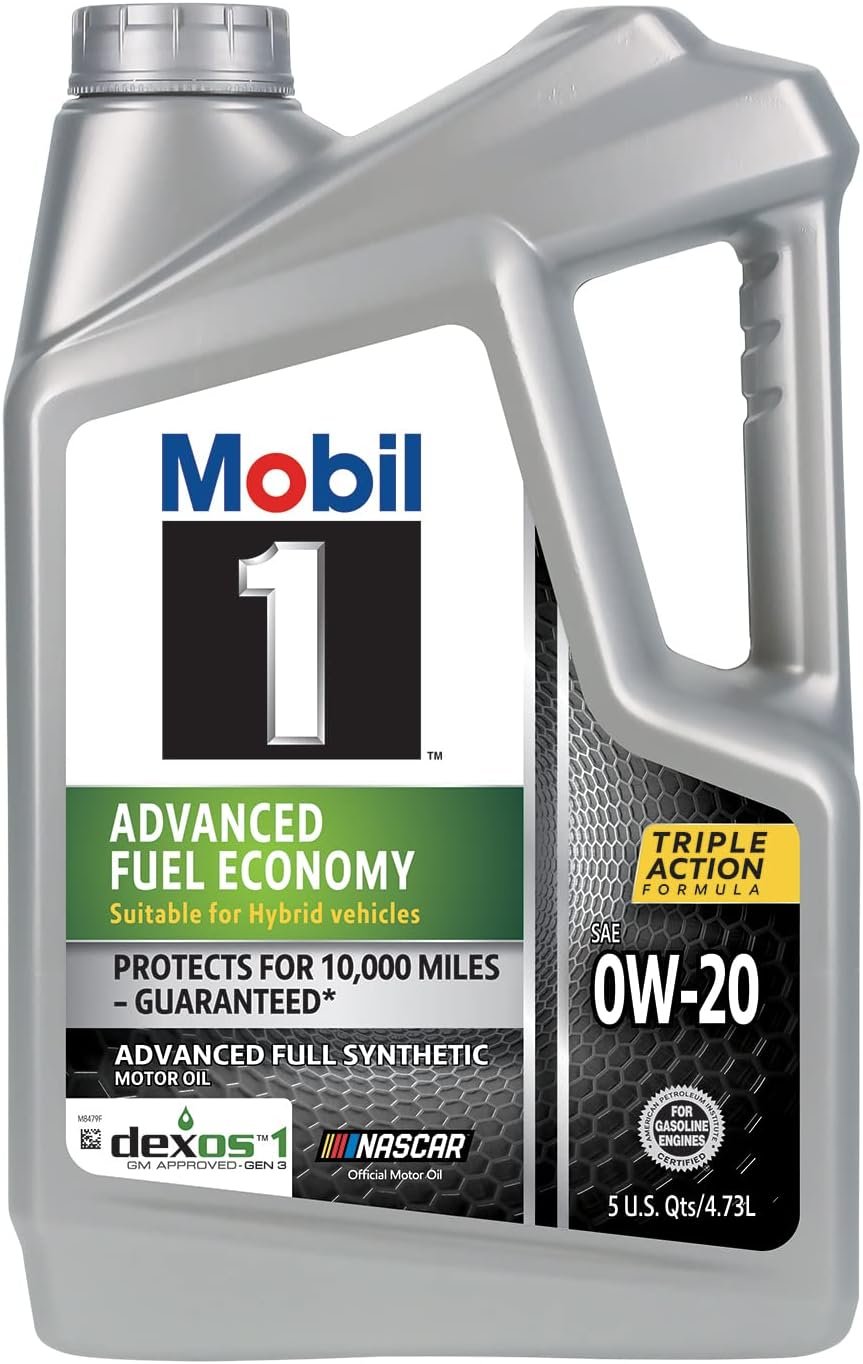
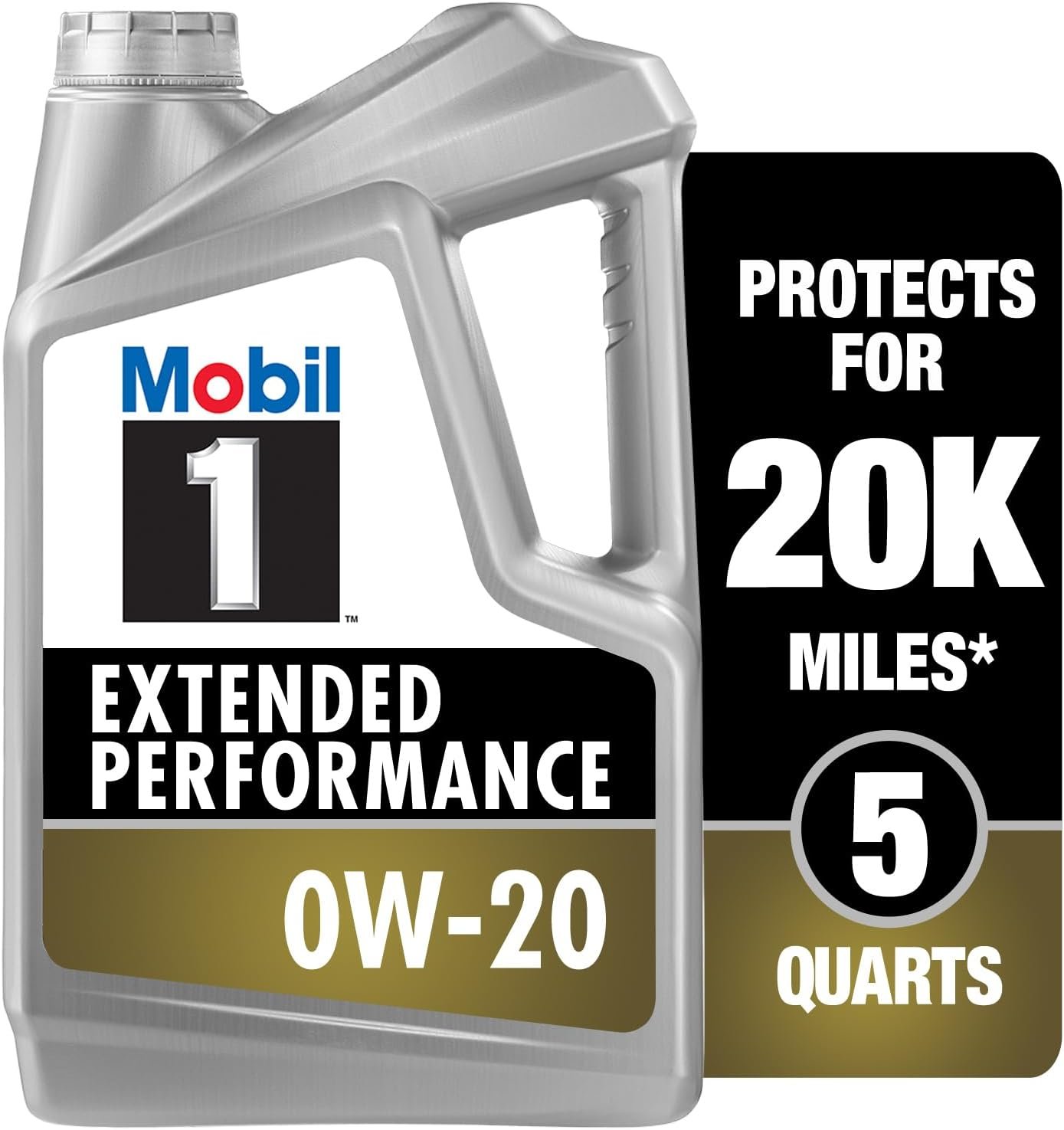
The Nissan Rogue T33 1.5 VC-Turbo (KR15DDT) requires 5.4 quarts of API SP / ILSAC GF-6A compliant SAE 0W-20 full synthetic engine oil at every service. Use Nissan Genuine 0W-20, Mobil 1 Advanced Fuel Economy, Pennzoil Platinum, or Valvoline Advanced Full Synthetic — all in 0W-20 and all meeting API SP.
Change the oil every 4,000 to 5,000 miles. Do not stretch intervals. Check the oil level between services and investigate any consumption or unusual engine noise immediately. The KR15DDT is the most mechanically complex engine in the compact SUV segment, with an NHTSA investigation into bearing failures that underscores the importance of meticulous maintenance. The variable compression system is an engineering achievement, but it demands respect — and that respect starts with the correct oil, changed on time, every time. For an engine where experts question long-term durability past 140,000 miles, disciplined oil maintenance is the single most impactful thing an owner can do to maximize the life of their investment.
Our Top Picks
As an Amazon Associate, we may earn from qualifying purchases. This doesn't affect our recommendations — we only suggest oils that hold the exact OEM approval for your engine.