 Oil-
Oil-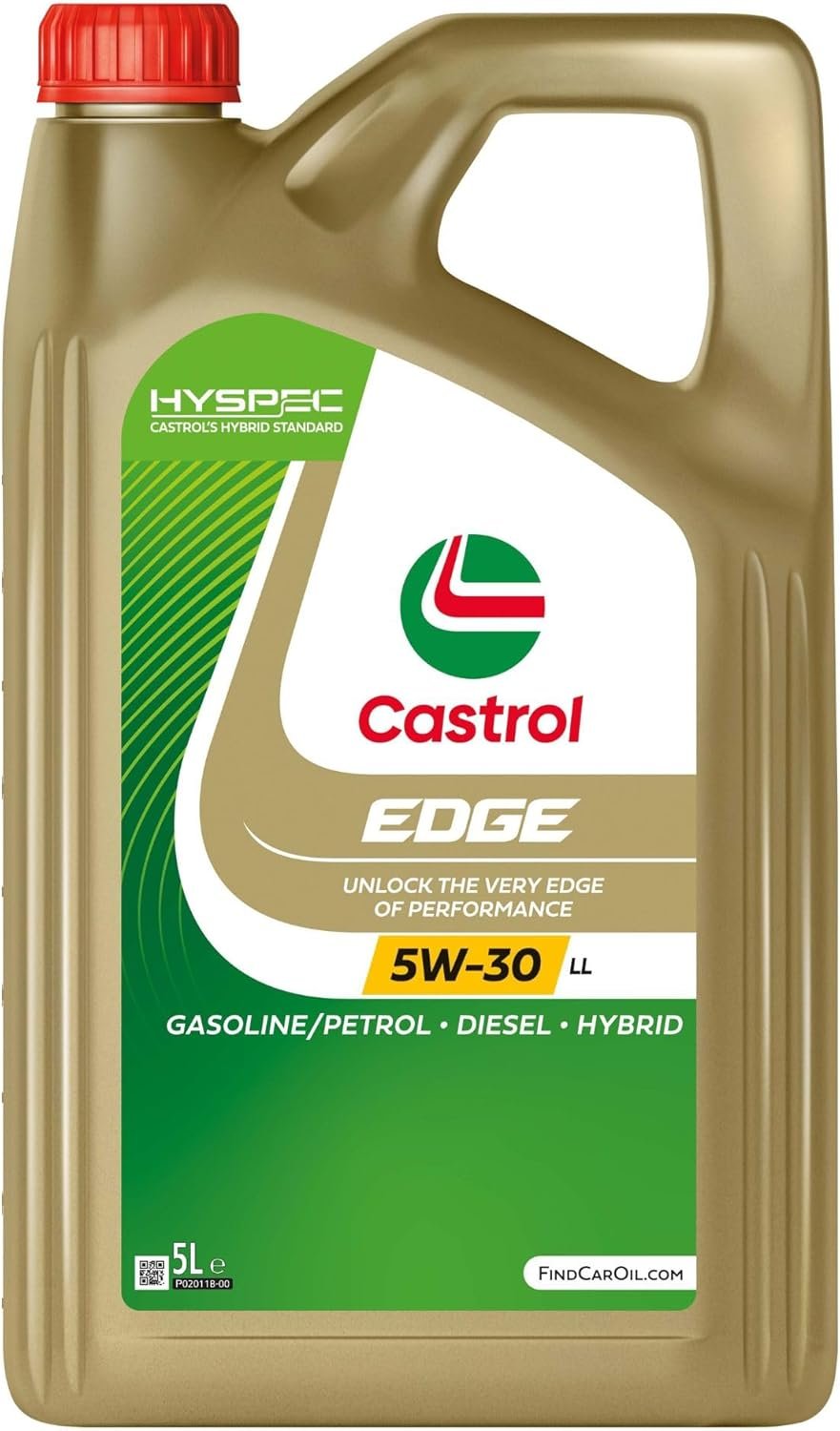
As an Amazon Associate, we may earn from qualifying purchases. This doesn't affect our recommendations — we only suggest oils that hold the exact OEM approval for your engine.
Best Engine Oil for Kia Sportage 4th Gen (QL) 2.0 CRDi Diesel (136/185 HP)
The fourth-generation Kia Sportage (QL), produced from 2016 to 2021, was a breakthrough model that established Kia as a serious contender in the competitive compact SUV segment. Powered by the proven D4HA 2.0-litre CRDi turbodiesel, it was offered in 136 HP and 185 HP variants to suit different markets and driving needs. This engine delivers strong low-end torque with genuine towing capability, making it one of the most popular diesel SUVs on UK roads. However, the D4HA’s large 7.6-litre oil sump, diesel particulate filter, and EGR system all demand careful attention to oil specification. Using the wrong oil accelerates DPF ash loading, compromises EGR valve operation, and risks the kind of expensive emissions-system repairs that dominate ownership costs on neglected examples. Low-SAPS ACEA C3 oil is not optional for this engine; it is the foundation of reliable long-term ownership. This guide covers the correct specifications, capacity, and best oils to protect your Sportage QL diesel.
Quick Answer: Recommended Oil
For Kia Sportage 4th Gen (QL) 2.0 CRDi (136/185 HP, D4HA):
- Recommended viscosity: SAE 5W-30
- Oil capacity: 7.6 litres with filter (7.2 L without)
- Required norm: ACEA C3 (low-SAPS)
Key point: ACEA C3 is the mandatory classification for the D4HA engine. C3 specifies a low-SAPS (Sulphated Ash, Phosphorus, Sulphur) formulation that limits the metallic ash produced during oil combustion. This ash accumulates permanently inside the diesel particulate filter and cannot be burned off during regeneration. Using a conventional 5W-30 without ACEA C3 compliance will accelerate DPF saturation, triggering repeated failed regeneration cycles and eventual DPF replacement costing between 1,500 and 3,000 pounds. Always verify the ACEA C3 marking on the bottle before purchasing.
The D4HA 2.0 CRDi Engine
The D4HA is part of Hyundai-Kia’s “R” diesel engine family, a robust platform that has seen service across the Sportage, Tucson, ix35, and Santa Fe ranges since 2009. This 1,995cc inline-four uses a cast-iron block for rigidity under high compression loads, paired with an aluminium alloy cylinder head for effective heat dissipation. In the Sportage QL, it was offered in two states of tune: 136 HP with 280 Nm of torque for the entry-level diesel, and 185 HP with 400 Nm for the range-topping variant, both using the same fundamental block and bottom-end architecture.
The engine features common-rail direct injection operating at pressures up to 1,800 bar through solenoid-type injectors, delivering precise fuel metering across the entire rev range. A variable geometry turbocharger adjusts vane angle continuously to optimise boost delivery, with peak torque available from as low as 1,750 RPM on the 136 HP version and 1,750 RPM on the 185 HP variant. This broad torque plateau gives the Sportage QL its characteristic effortless pulling power, whether merging onto motorways or towing a caravan.
The D4HA’s most distinctive characteristic from a servicing perspective is its notably large oil sump. At 7.6 litres with a fresh filter, it holds substantially more oil than most 2.0-litre four-cylinder diesels. This generous capacity was an engineering choice to improve oil longevity and thermal management under the sustained high loads that a heavy SUV imposes on its engine. However, it also means you will need two 5-litre containers of oil for a complete service, making oil choice a meaningful cost consideration.
Understanding ACEA C3 Oil Specifications
Why Low-SAPS Chemistry Matters
ACEA C3 is a European oil performance classification that defines mid-SAPS formulations specifically designed for engines with exhaust aftertreatment systems. The D4HA’s diesel particulate filter traps soot particles from exhaust gas and periodically burns them off during regeneration cycles. Soot can be burned away at high temperatures, but metallic ash from engine oil additives cannot. This ash is a permanent residue that accumulates inside the DPF over the engine’s lifetime, gradually reducing the filter’s effective capacity.
Low-SAPS oils contain reduced levels of sulphated ash, phosphorus, and sulphur in their additive packages. These are the elements that form the non-combustible metallic ash. By limiting their concentration, ACEA C3 oils produce significantly less ash per litre consumed, extending the DPF’s functional life by years compared to conventional diesel oils. Over a typical 150,000-mile engine life, the difference between C3 and conventional oil can determine whether the DPF lasts the life of the vehicle or requires premature replacement.
ACEA C3 vs Other Classifications
Do not confuse ACEA C3 with ACEA C2. While both are low-SAPS classifications, C2 has lower viscosity limits and a thinner oil film at operating temperature, which may not provide adequate protection for the D4HA’s heavily loaded bearings and timing chain. ACEA C3 balances emissions system protection with the robust additive package a 2.0-litre turbodiesel requires. Equally, do not substitute a standard ACEA A3/B4 oil, regardless of viscosity. The higher ash content will shorten DPF life dramatically and void any remaining warranty coverage.
Technical Specifications: D4HA 2.0 CRDi
| Specification | Value |
|---|---|
| Displacement | 1,995cc (2.0 litres) |
| Layout | Inline-4, transverse, cast-iron block, aluminium head |
| Valvetrain | DOHC, 16 valves, timing chain |
| Compression Ratio | 16.0:1 |
| Power | 136 HP / 185 HP @ 4,000 RPM |
| Torque | 280 Nm (136 HP) / 400 Nm (185 HP) @ 1,750 RPM |
| Fuel System | Common-rail direct injection, up to 1,800 bar |
| Turbocharger | Variable geometry (VGT) |
| Emissions | Euro 6 with DPF, DOC, SCR (AdBlue) |
| Recommended Viscosity | SAE 5W-30 |
| Oil Capacity (without filter) | 7.2 litres |
| Oil Capacity (with filter) | 7.6 litres |
| ACEA Norm | C3 |
Best Value: Total Quartz INEO MC3 5W-30 TotalEnergies’ INEO MC3 delivers reliable ACEA C3 low-SAPS performance at the most competitive price point in this group. The ART (Age Resistance Technology) additive package maintains oil performance over extended intervals, resisting the soot contamination and fuel dilution that every modern diesel engine imposes on its oil. Strong detergent properties help manage EGR-related carbon deposits, and the low-SAPS formulation protects the DPF without compromising on the film strength the turbo bearings need. At £33-38 for 5 litres, it is the most affordable option. Given the D4HA’s large 7.6-litre capacity, this price advantage is amplified: a complete fill costs approximately £50-58 compared to £65-75 for the premium alternatives.
Oil Change Intervals and the 7.6-Litre Sump
Kia Official Recommendation:
- 15,000 miles or 12 months (whichever comes first)
Recommended Practice: 10,000 miles or 12 months, whichever comes first.
The D4HA’s 7.6-litre oil capacity is notably generous for a 2.0-litre four-cylinder engine. This large sump volume is a deliberate engineering decision: more oil means each litre absorbs proportionally less soot, fuel dilution, and thermal stress. It also provides a larger thermal mass that resists rapid temperature fluctuations during varied driving conditions. However, the generous capacity should not encourage complacency. The DPF’s regeneration-related fuel dilution and relentless diesel soot loading affect even a 7.6-litre sump over a full service interval.
Consider 7,500-mile intervals if:
- Predominantly short trips under 15 miles (DPF cannot complete passive regeneration)
- Heavy urban stop-start driving (increased fuel dilution and soot loading)
- Vehicle exceeds 80,000 miles
- Oil level rises on the dipstick between services (fuel dilution from incomplete regen)
- Any history of DPF warning lights
- Towing regularly, particularly in hilly terrain
Always replace the oil filter at every oil change. The D4HA’s larger sump does not reduce the filter’s workload; diesel soot contamination demands fresh filtration at every service.
Why Correct Oil Matters for the D4HA
DPF protection. The diesel particulate filter is the single most expensive emission component on the Sportage QL. DPF replacement costs between £1,500 and £3,000 depending on whether you use genuine Kia parts or aftermarket equivalents. Every litre of non-C3 oil burned adds disproportionately more metallic ash to the filter, bringing forward the date when the DPF can no longer regenerate effectively. Low-SAPS ACEA C3 oil is the cheapest insurance against this repair bill.
Turbocharger longevity. The variable geometry turbocharger’s journal bearings are pressure-fed with engine oil and depend entirely on oil quality for lubrication and cooling. After sustained motorway driving, the turbo housing remains extremely hot when the engine is switched off. Residual oil in the bearing housing must resist coking as temperatures spike through heat soak. Degraded oil forms hard carbon deposits that score the shaft and restrict oil flow, beginning the turbo failure cycle that costs £800-1,400 to resolve.
EGR valve operation. Oil mist drawn through the crankcase ventilation system enters the intake tract, where it combines with recirculated exhaust gases to form sticky carbon deposits on the EGR valve and intake manifold. Quality oil with strong detergent properties and low volatility reduces this crankcase vapour contamination, slowing the deposit buildup that eventually causes the EGR valve to stick.
Common D4HA Problems Related to Oil
DPF blockage and failed regeneration. The most frequently reported issue among Sportage QL diesel owners, particularly those who drive predominantly short urban trips. The DPF requires sustained driving at motorway speeds, typically 20-30 minutes above 2,000 RPM, to reach the temperatures needed for passive soot regeneration. Owners who drive exclusively in town force the ECU into repeated active regeneration attempts that may fail to complete, each cycle adding diesel to the sump while leaving the filter more blocked than before. Prevention is straightforward: drive the car on a motorway or fast A-road for at least 20-30 minutes once a week. DPF cleaning costs £300-500, while replacement runs to £1,500-3,000.
EGR valve clogging. The exhaust gas recirculation valve is particularly susceptible to carbon buildup on the D4HA, especially on vehicles used predominantly at low loads and short distances. Symptoms include rough idle, hesitation under acceleration, poor throttle response, and check engine lights. The carbon deposits restrict the valve’s movement, preventing it from closing fully and allowing unmetered exhaust gas into the intake. EGR cleaning costs £300-600, and prevention relies on regular sustained driving at operating temperature combined with quality oil that minimises crankcase vapour contamination.
Oil consumption. Some D4HA owners report oil consumption between services, particularly on higher-mileage examples above 100,000 miles. While Kia considers up to 0.5L per 1,000 km within acceptable limits, healthy engines should consume significantly less. Excessive consumption accelerates DPF ash loading regardless of oil quality, as more oil entering the combustion chamber means more ash reaching the filter. Monitor your dipstick monthly and investigate any consumption above 0.5L per 5,000 miles, as it may indicate worn valve stem seals or piston ring wear requiring attention.
Rising oil level. If the dipstick shows the oil level climbing above the maximum mark, this is not the engine producing extra oil. It is unburned diesel draining back from incomplete DPF regeneration cycles into the sump. The oil’s viscosity and protective properties are compromised. An immediate oil change and DPF diagnostic check are necessary. Do not continue driving with fuel-diluted oil.
Kia’s 7-Year Warranty: What It Covers
Kia’s industry-leading 7-year, 100,000-mile warranty provides genuine peace of mind for drivetrain components on the Sportage QL. Engine and transmission claims are generally honoured reliably, provided the maintenance schedule has been followed. However, DPF and aftertreatment system claims can be declined if Kia finds evidence of incorrect oil, skipped services, or a driving pattern that the owner was advised about but did not address. Keep every service receipt, ensure only ACEA C3 oil is used, and address DPF warning lights promptly. The warranty is genuinely valuable, but it requires you to do the basics correctly.
Conclusion
The Kia Sportage 4th Gen (QL) 2.0 CRDi with the D4HA engine requires SAE 5W-30 engine oil meeting ACEA C3 specifications, with a capacity of 7.6 litres including the filter. Low-SAPS chemistry is mandatory for DPF protection, and the ACEA C3 marking on the bottle is your guarantee the oil meets the required standard.
Castrol EDGE 5W-30 LL is the natural OEM-grade choice, while Total Quartz INEO MC3 5W-30 offers the strongest value at £33-38 per 5 litres, a meaningful saving when filling a 7.6-litre sump. Change the oil at 10,000-mile intervals or annually, shortening to 7,500 miles for predominantly urban driving. Drive the car on a motorway for at least 20-30 minutes weekly to allow the DPF to regenerate passively, and monitor your dipstick regularly for rising oil levels. The D4HA is a proven and capable engine backed by Kia’s 7-year warranty, but that reliability depends on correct oil, disciplined service intervals, and a driving pattern that keeps the DPF healthy. The £50-75 spent on correct oil at each service is modest insurance against DPF replacement at £1,500-3,000, EGR cleaning at £300-600, and turbo failure at £800-1,400.
Our Top Picks
As an Amazon Associate, we may earn from qualifying purchases. This doesn't affect our recommendations — we only suggest oils that hold the exact OEM approval for your engine.