 Oil-
Oil-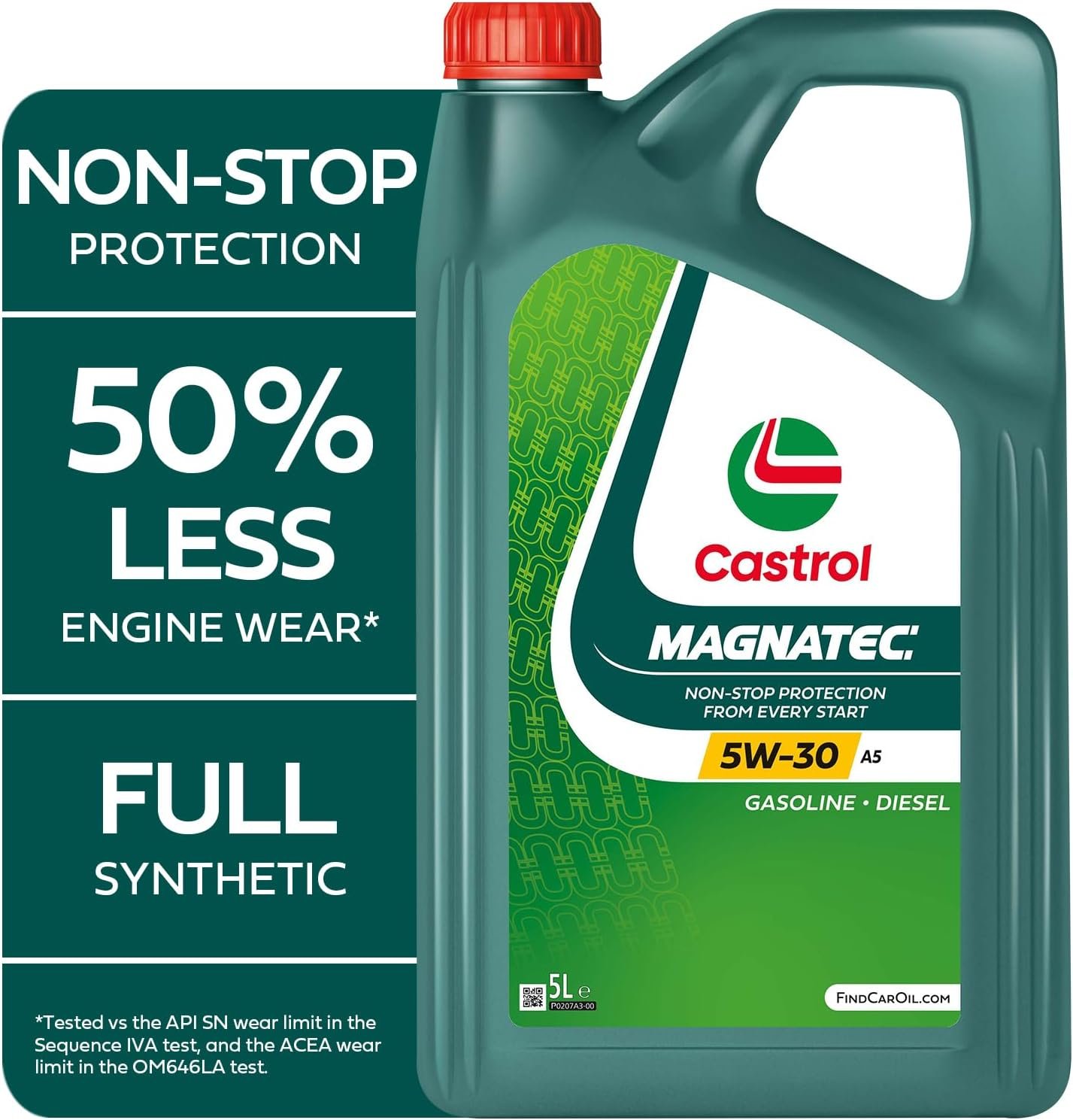
As an Amazon Associate, we may earn from qualifying purchases. This doesn't affect our recommendations — we only suggest oils that hold the exact OEM approval for your engine.
Best Engine Oil for Ford Kuga 1st Gen 2.0 TDCi Diesel (136/163 HP)
The original Ford Kuga (2008-2012) was Ford’s first serious entry into the compact SUV segment, and it arrived with one of the most capable diesel engines in the class. The 2.0 TDCi unit, identified by engine codes G6DG (136 HP) and TXDA (163 HP), is a PSA/Ford co-developed common-rail turbodiesel that powers a huge proportion of Ford and Volvo products from this era. In the Kuga, it delivers strong mid-range torque well suited to the vehicle’s 1,500-1,600 kg kerb weight, and it remains a popular used buy on UK roads today. However, the 2.0 TDCi’s long-term reliability depends heavily on correct oil selection. Ford mandates WSS-M2C913-C specification oil with low-SAPS chemistry to protect the diesel particulate filter, and the consequences of ignoring this requirement are severe: accelerated DPF clogging, fuel-diluted oil that fails to protect bearings and turbo internals, and ultimately repair bills that can exceed the vehicle’s value. This guide covers the correct specifications, capacity, and best oils to keep the first-generation Kuga’s 2.0 TDCi running reliably for years to come.
Quick Answer: Recommended Oil
For Ford Kuga 1st Gen 2.0 TDCi (136/163 HP):
- Recommended viscosity: SAE 5W-30
- Oil capacity: 6.0 litres with filter (5.6 L without)
- Required norms: ACEA C2, Ford WSS-M2C913-C
Key point: WSS-M2C913-C is Ford’s diesel-specific oil specification for engines fitted with a diesel particulate filter. It mandates low-SAPS (Sulphated Ash, Phosphorus, Sulphur) chemistry to minimise the metallic ash that accumulates permanently inside the DPF. Using a conventional 5W-30 without this approval will dramatically accelerate DPF ash loading, potentially blocking the filter within 30,000-40,000 miles and triggering a replacement costing £1,000-1,500. Always verify the WSS-M2C913-C approval on the bottle before purchase.
The 2.0 TDCi Engine: A Workhorse Diesel
The 2.0 TDCi fitted to the first-generation Kuga belongs to the DW10 engine family, jointly developed by PSA Peugeot-Citroen and Ford. It is a 1,997cc inline-four common-rail turbodiesel with an aluminium cylinder head on a cast-iron block, a layout prioritising durability and thermal stability over outright weight savings. The engine appears across a vast range of vehicles from this era, including the Ford Mondeo, S-Max, Galaxy, Focus, and the Volvo S40, V50, and C30 under the D4204T designation.
Common-rail direct injection operates at pressures up to 1,600 bar through Siemens piezoelectric injectors, enabling multiple injection events per combustion cycle. The injection strategy includes pilot injections for noise reduction and post-injections critical for DPF regeneration. The 136 HP variant (G6DG) uses a slightly different ECU calibration and turbo setup compared to the 163 HP version (TXDA), but both share identical oil requirements and sump capacity.
Variable geometry turbocharger. Both variants use a Garrett VGT with electronically controlled vanes that adjust continuously to optimise boost delivery. The 136 HP version produces 320 Nm of torque from 2,000 RPM, while the 163 HP variant delivers 340 Nm across a similar band. The turbo’s internal bearings spin at speeds exceeding 150,000 RPM and rely entirely on engine oil for lubrication and heat dissipation.
Large sump capacity. The Kuga’s 2.0 TDCi carries 6.0 litres of oil with the filter, a generous volume that provides useful thermal mass and dilution tolerance. This larger capacity is partly necessitated by the fuel dilution that all DPF-equipped diesels experience during active regeneration cycles, where unburned diesel washes past the piston rings into the sump.
Understanding Ford WSS-M2C913-C
Ford WSS-M2C913-C is the specification Ford requires for all DPF-equipped diesel engines of this generation. It superseded the earlier WSS-M2C913-B, adding stricter limits on sulphated ash content to better protect the particulate filter over long service intervals.
The specification mandates low-SAPS additive chemistry. SAPS stands for Sulphated Ash, Phosphorus, and Sulphur, three components of conventional oil additive packages that produce metallic ash when burned. In a non-DPF diesel, this ash exits through the exhaust. In a DPF-equipped engine, it accumulates permanently inside the filter substrate, gradually reducing its capacity to trap and regenerate soot. Low-SAPS oils use alternative additive chemistries that deliver equivalent wear protection and detergency while producing significantly less ash.
ACEA C2 is the European classification that WSS-M2C913-C aligns with. C2 specifies low-SAPS chemistry with viscosity limits designed to reduce internal friction and improve fuel economy. It is a tighter specification than ACEA C3 in terms of ash limits, which is why Ford chose it for DPF protection. An ACEA C3 oil may not meet the ash limits that the Kuga’s DPF requires, even if the viscosity grade is correct. Always look for the WSS-M2C913-C approval specifically, not just an ACEA rating.
Technical Specifications: 2.0 TDCi (G6DG / TXDA)
| Specification | Value |
|---|---|
| Displacement | 1,997cc (2.0 litres) |
| Layout | Inline-4, transverse, cast-iron block, aluminium head |
| Valvetrain | DOHC, 16 valves, timing belt |
| Compression Ratio | 18.0:1 |
| Power (G6DG) | 136 HP @ 3,750 RPM |
| Power (TXDA) | 163 HP @ 3,750 RPM |
| Torque (G6DG) | 320 Nm @ 2,000-2,500 RPM |
| Torque (TXDA) | 340 Nm @ 2,000-2,500 RPM |
| Fuel System | Siemens common-rail direct injection, up to 1,600 bar |
| Turbocharger | Garrett variable geometry (VGT) |
| Recommended Viscosity | SAE 5W-30 |
| Oil Capacity (without filter) | 5.6 litres |
| Oil Capacity (with filter) | 6.0 litres |
| ACEA Norm | C2 |
| Ford Norm | WSS-M2C913-C |
Oil Change Intervals
Ford Official Recommendation:
- Standard service: 12,500 miles or 12 months (whichever comes first)
Recommended Practice: 10,000 miles or annually, whichever comes first.
Ford’s 12,500-mile interval assumes a reasonable mix of driving including motorway journeys where the engine reaches sustained operating temperature. For Kuga owners who accumulate a significant proportion of short urban trips, the oil degrades faster than this interval anticipates due to increased soot loading and fuel dilution from incomplete DPF regeneration cycles.
Consider 7,500-mile intervals if:
- Predominantly short trips under 15 miles (DPF cannot complete passive regeneration)
- Heavy urban stop-start driving (increased fuel dilution and soot loading)
- Vehicle exceeds 80,000 miles
- Oil level rises on the dipstick between services (fuel dilution indicator)
- ECU has triggered an early oil change warning
- Any history of DPF warning lights or forced regeneration
The Kuga’s 6.0-litre sump provides more thermal mass and dilution buffer than smaller-capacity engines, but this advantage should not be used to justify extended drain intervals. Monitor the dipstick monthly. A rising oil level is the clearest sign that diesel fuel is accumulating in the sump from failed regeneration cycles.
Common 2.0 TDCi Problems Related to Oil
DPF clogging from short trips. This is the single most reported issue on the DPF-equipped 2.0 TDCi and is almost entirely a consequence of driving patterns. The DPF requires sustained driving at motorway speeds, typically 15-20 minutes above 2,500 RPM, to reach the 600 degrees C exhaust temperature needed for passive soot regeneration. Owners who drive exclusively in town force the ECU into repeated active regeneration attempts, injecting extra diesel late in the combustion cycle to raise exhaust temperatures. When these active regen cycles fail to complete because the journey is too short, two things happen simultaneously: the DPF remains blocked, and the extra fuel washes past the piston rings into the sump. This fuel dilution, sometimes called borewash, thins the oil beyond its designed viscosity, reducing its ability to protect bearings, the turbo shaft, and camshaft lobes. The ECU monitors oil quality through sensors and will trigger an early oil change warning for drivers whose short-trip patterns cause excessive fuel contamination. Ignoring this warning risks catastrophic engine damage. DPF cleaning costs £300-500, while replacement runs to £1,000-1,500 fitted.
Injector problems. The Siemens piezoelectric injectors are precision components operating at 1,600 bar with tolerances measured in microns. Carbon deposits on injector tips alter the spray pattern, causing rough idle, excessive smoke, poor fuel economy, and uneven running. On higher-mileage Kugas beyond 100,000 miles, injector seal failure allows combustion gases to leak past the copper washers, causing a distinctive ticking noise and diesel smell around the engine bay. Quality oil with strong detergent properties helps control the crankcase vapour that contributes to injector tip deposits via the EGR system. Injector cleaning costs £150-300 for all four, while individual replacement runs to £250-400 per injector plus labour.
Turbo failure from oil neglect. The Garrett VGT turbocharger is robust when properly maintained but vulnerable to oil-related failure in two distinct ways. First, degraded oil cokes inside the turbo centre housing during heat soak after shutdown, forming hard carbon deposits that score the shaft and restrict oil flow to the bearings. Over time, this causes bearing play, oil leaks into the exhaust, blue smoke, and eventually catastrophic turbo failure. Second, the variable geometry vanes accumulate carbon deposits from exhaust gases, causing them to stick in one position. Sticking vanes produce symptoms ranging from intermittent power loss to over-boost and limp mode. Regular motorway driving at higher RPM keeps the vanes moving through their full range, and correct oil that resists thermal degradation prevents the coking that destroys turbo bearings. Turbo replacement on the Kuga 2.0 TDCi costs £800-1,200 fitted.
Why Correct Oil Matters for the DPF System
The relationship between oil quality and DPF health cannot be overstated on the first-generation Kuga. Every litre of engine oil that passes through the combustion chamber, whether through normal consumption or crankcase ventilation, leaves behind metallic ash inside the DPF. Low-SAPS oil produces roughly 50-60% less ash per litre than conventional diesel oil. Over a typical 100,000-mile ownership period, this difference determines whether the DPF needs replacement at significant cost or continues functioning as designed.
The 2.0 TDCi’s 6.0-litre sump is a deliberate engineering choice. Ford sized the sump to accommodate the fuel dilution that occurs during DPF regeneration, providing a buffer that prevents oil viscosity from dropping to dangerous levels during a single regen cycle. However, repeated failed regen cycles on short-trip engines can overwhelm even this generous capacity. When the oil level rises visibly above the maximum mark on the dipstick, the oil has been diluted to the point where it can no longer protect the engine. At that point, an immediate oil and filter change is required regardless of the service schedule.
Conclusion
The Ford Kuga 1st Gen 2.0 TDCi requires SAE 5W-30 engine oil meeting ACEA C2 and Ford WSS-M2C913-C specifications, with a capacity of 6.0 litres including the filter. Low-SAPS chemistry is mandatory for DPF protection, and the WSS-M2C913-C approval on the bottle is your guarantee that the oil has been tested to Ford’s diesel-specific standards.
Ford Castrol Magnatec Professional A5 5W-30 is the natural OEM choice at £35-40 for 5 litres, while Mobil 1 ESP 5W-30 offers maximum thermal stability for high-mileage drivers at £42-48. Change the oil at 10,000-mile intervals or annually, shortening to 7,500 miles for predominantly urban driving. If the ECU triggers an early oil change warning, act on it immediately. The 2.0 TDCi is a proven, durable engine that rewards correct maintenance with reliable service well beyond 150,000 miles, but it punishes neglect severely. The £70-90 spent on correct oil at each service is modest insurance against DPF replacement (£1,000-1,500), turbo failure (£800-1,200), and injector problems (£250-400 per unit) that primarily afflict vehicles running the wrong oil or suffering chronic short-trip fuel dilution.
Our Top Picks
As an Amazon Associate, we may earn from qualifying purchases. This doesn't affect our recommendations — we only suggest oils that hold the exact OEM approval for your engine.