 Oil-
Oil-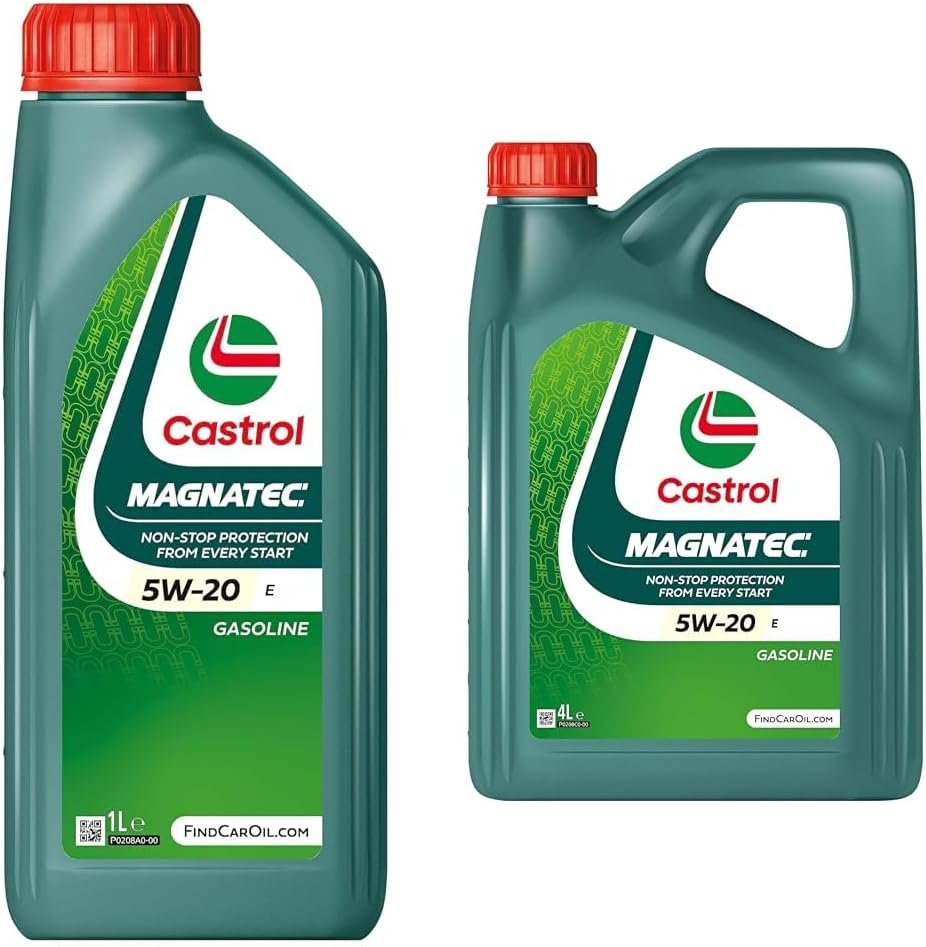
As an Amazon Associate, we may earn from qualifying purchases. This doesn't affect our recommendations — we only suggest oils that hold the exact OEM approval for your engine.
Best Engine Oil for Ford Fiesta 1.0 EcoBoost (100/125 HP)
The Ford Fiesta Mk7 with the 1.0 EcoBoost engine is one of the most popular small cars ever sold in Britain, and its award-winning three-cylinder turbo is a genuine engineering landmark. It is also an engine where oil choice is not merely important but structurally critical. Unlike almost every other production car engine, the 1.0 EcoBoost uses a wet timing belt that runs submerged in engine oil. This “belt-in-oil” design means the wrong lubricant can cause the belt to degrade, shed debris into the sump, and ultimately destroy the engine. This guide explains exactly which oil to use, why WSS-M2C948-B approval is non-negotiable, and how to protect the wet belt for the long term.
Quick Answer: Recommended Oil
For Fiesta 1.0 EcoBoost (100/125 HP):
- Primary specification: Ford WSS-M2C948-B with SAE 5W-20
- Alternative viscosity: SAE 5W-30 (ACEA A5/B5, only if WSS-M2C948-B approved)
- Oil capacity: 4.6 litres with filter (4.3 L without)
Key warning: Only use oil carrying the Ford WSS-M2C948-B approval. This specification was developed specifically for the EcoBoost wet timing belt. Generic 5W-20 oil without this approval risks belt degradation and catastrophic engine failure.
The 1.0 EcoBoost Engine: Award-Winning but Demanding
The 1.0 EcoBoost (engine codes M1DA for 100 HP, M2DA for 125 HP) won the International Engine of the Year award six consecutive times between 2012 and 2017. Displacing just 999cc from three cylinders, it uses direct fuel injection, a twin-scroll turbocharger, and an exhaust manifold integrated into the cylinder head to deliver performance that embarrasses larger engines while returning impressive fuel economy.
The engineering is clever throughout. Split cooling separates the cylinder head and block thermal circuits, allowing the block to warm up faster for reduced friction. An offset crankshaft minimises piston side loading. A balance shaft counteracts the inherent vibration of the three-cylinder layout. Ford squeezed remarkable refinement from a tiny package.
But the defining engineering choice—and the one that dictates your entire maintenance approach—is the wet timing belt.
The Wet Timing Belt: Why Oil Choice Is Everything
Most engines use either a dry timing belt (running in open air, replaced every 60,000-80,000 miles) or a timing chain (bathed in oil, theoretically lifetime). Ford chose a third path: a toothed rubber timing belt running inside the engine, fully submerged in engine oil. This “belt-in-oil” design eliminates the need for a separate belt cover, tensioner service, and scheduled replacement—the oil lubricates and cools the belt, reducing wear and noise while saving packaging space in the tiny engine bay.
The problem is that this design makes the belt entirely dependent on oil quality. The rubber compound must remain chemically stable while permanently immersed in hot engine oil. If the oil’s additive package is incompatible, or if the oil degrades beyond its service limits, the belt material begins to swell, crack, and shed particles. These rubber fragments circulate through the lubrication system, clogging the oil pickup strainer and oil pump, which starves the engine of lubrication. The result is not a gradual decline but a sudden, terminal failure.
Real-world belt shedding typically occurs between 60,000 and 100,000 miles, particularly in engines serviced with incorrect oil or stretched intervals. The failure mode is well-documented in the Ford specialist community: the oil pressure warning light illuminates, followed within seconds by bearing noise and engine seizure. By the time the light comes on, the damage is done.
Ford recognised the severity of this issue and took two actions. First, they developed the WSS-M2C948-B oil specification specifically to ensure chemical compatibility with the wet belt material. Second, they revised the timing belt replacement interval downward, recommending earlier inspection and replacement than originally planned. Neither action helps if the engine has been running on the wrong oil for years.
WSS-M2C948-B is not optional. This specification mandates specific additive chemistry and a low-HTHS (High Temperature High Shear) viscosity profile at 5W-20 that protects the belt rubber while maintaining adequate film strength for the turbo bearings. Using a generic 5W-30 or 5W-40 without this approval—even a premium synthetic—risks belt incompatibility. The viscosity alone does not guarantee belt safety; the additive formulation matters equally.
Other Known Issues
Oil Dilution from Fuel
The 1.0 EcoBoost’s direct injection system sprays fuel at high pressure directly into the combustion chamber. During cold starts and short journeys, unburned fuel washes past the piston rings and accumulates in the sump, diluting the oil. This is particularly common in city driving patterns where the engine rarely reaches full operating temperature.
Fuel dilution thins the oil beyond its designed viscosity, reducing both bearing protection and—critically—the oil’s ability to maintain the wet belt’s chemical stability. If you primarily drive short urban trips, check the dipstick regularly. The oil level may actually rise above the maximum mark as fuel accumulates. Shortened oil change intervals of 6,000-8,000 miles are strongly recommended for predominantly urban use.
Coolant Leaks on 2011-2013 Models
Early production 1.0 EcoBoost engines (roughly 2011-2013) suffer from coolant leaks originating from the degas pipe and thermostat housing. These plastic components crack under thermal cycling, causing slow coolant loss that can lead to overheating. Overheating, in turn, accelerates oil degradation and increases the risk of wet belt failure. If you own an early car, inspect these components proactively and replace with updated parts. The issue was largely resolved in later production runs, and post-2018 models are significantly more reliable across the board.
Technical Specifications: 1.0 EcoBoost (M1DA / M2DA)
| Specification | Value |
|---|---|
| Displacement | 999cc (1.0 litre) |
| Layout | Inline-3, transverse, aluminium block |
| Valvetrain | DOHC, 12 valves, wet timing belt |
| Turbocharger | Twin-scroll, integrated exhaust manifold |
| Power | 100 HP (M1DA) / 125 HP (M2DA) @ 6,000 RPM |
| Torque | 170 Nm (M1DA) / 200 Nm (M2DA) @ 1,400–4,500 RPM |
| Fuel Type | Petrol, 95 RON minimum |
| Recommended Viscosity | SAE 5W-20 |
| Alternative Viscosity | SAE 5W-30 (must be WSS-M2C948-B approved) |
| Oil Capacity (without filter) | 4.3 litres |
| Oil Capacity (with filter) | 4.6 litres |
| ACEA Norm | A5/B5 |
| Ford Norm | WSS-M2C948-B |
Oil Change Intervals
Ford Official Recommendation:
- Standard service: 12,500 miles or 1 year
- Flexible service (later models): up to 18,000 miles or 2 years
Recommended Practice: 8,000–10,000 miles or annually, whichever comes first.
Ford’s official intervals assume ideal driving conditions that rarely exist in British motoring. The combination of the wet timing belt, direct injection fuel dilution, and turbo heat means the 1.0 EcoBoost degrades oil faster than most naturally aspirated engines of similar size.
Consider 6,000-mile intervals if:
- Predominantly short urban journeys under 10 miles
- Frequent cold starts without reaching full operating temperature
- Vehicle has covered over 60,000 miles (belt degradation risk increases)
- Oil level rises on the dipstick (indicating fuel dilution)
- Any history of non-approved oil use under previous owners
When changing the oil, always replace the filter simultaneously. Inspect the drained oil and filter for any rubber debris—dark particles or a gritty texture may indicate early belt degradation and warrant immediate inspection by a specialist.
Why 5W-20 Is Mandatory, Not Optional
Some owners and even independent garages question using 5W-20 in a turbocharged engine, defaulting to thicker 5W-30 or 5W-40 oils from force of habit. This is a serious mistake with the 1.0 EcoBoost.
The 5W-20 viscosity with its specific low-HTHS profile is a fundamental part of the engine’s design. Ford engineered the bearing clearances, oil pump delivery, and critically the wet belt material compatibility around this viscosity. Using thicker oil does not provide “better protection”—it reduces oil flow to critical areas, increases parasitic drag, raises operating temperatures, and may alter the chemical interaction with the belt rubber.
The WSS-M2C948-B specification locks viscosity and additive chemistry together as a single package. You cannot substitute one element without compromising the other. If a garage insists on using 5W-30 or 5W-40, they must at minimum use an oil that still carries WSS-M2C948-B approval—and very few 5W-30 oils hold that certification.
Conclusion
The Ford Fiesta 1.0 EcoBoost is a brilliant engine compromised by a single design vulnerability: the wet timing belt. Every maintenance decision—oil specification, viscosity grade, change interval, and driving habits—either protects or threatens this component. Use only Ford WSS-M2C948-B approved SAE 5W-20 oil, change it at 8,000–10,000 mile intervals (shorter for city driving), and check the dipstick monthly for fuel dilution.
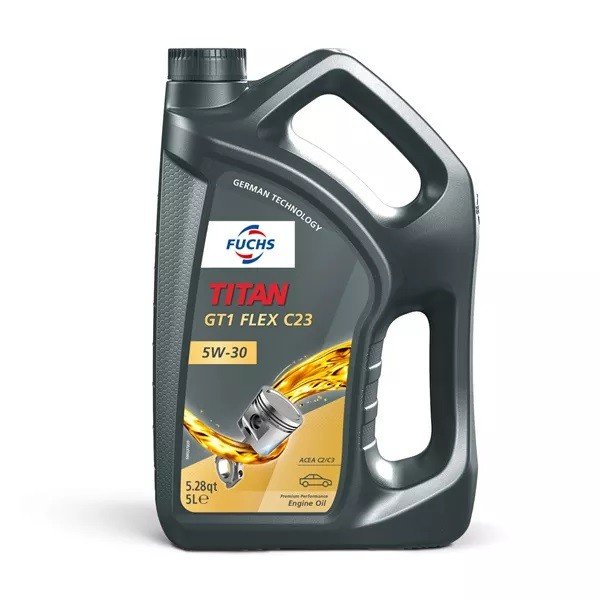
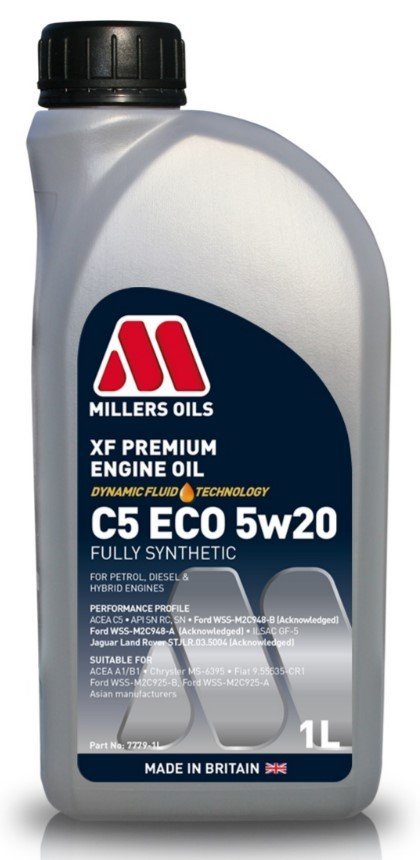
The £30–50 spent on correct oil every year is cheap insurance against a belt failure that writes off the engine entirely. Ford Castrol Magnatec Professional E 5W-20 remains the safest default choice, while Mobil 1 ESP x2, Fuchs Titan GT1 Pro V, and Millers Oils XF Premium all provide excellent WSS-M2C948-B approved alternatives. Verify the approval on the bottle every time you buy—and never let a garage substitute a generic oil, no matter how premium it claims to be. With disciplined maintenance, the 1.0 EcoBoost will deliver its award-winning performance reliably past 150,000 miles.
Our Top Picks
As an Amazon Associate, we may earn from qualifying purchases. This doesn't affect our recommendations — we only suggest oils that hold the exact OEM approval for your engine.