 Oil-
Oil-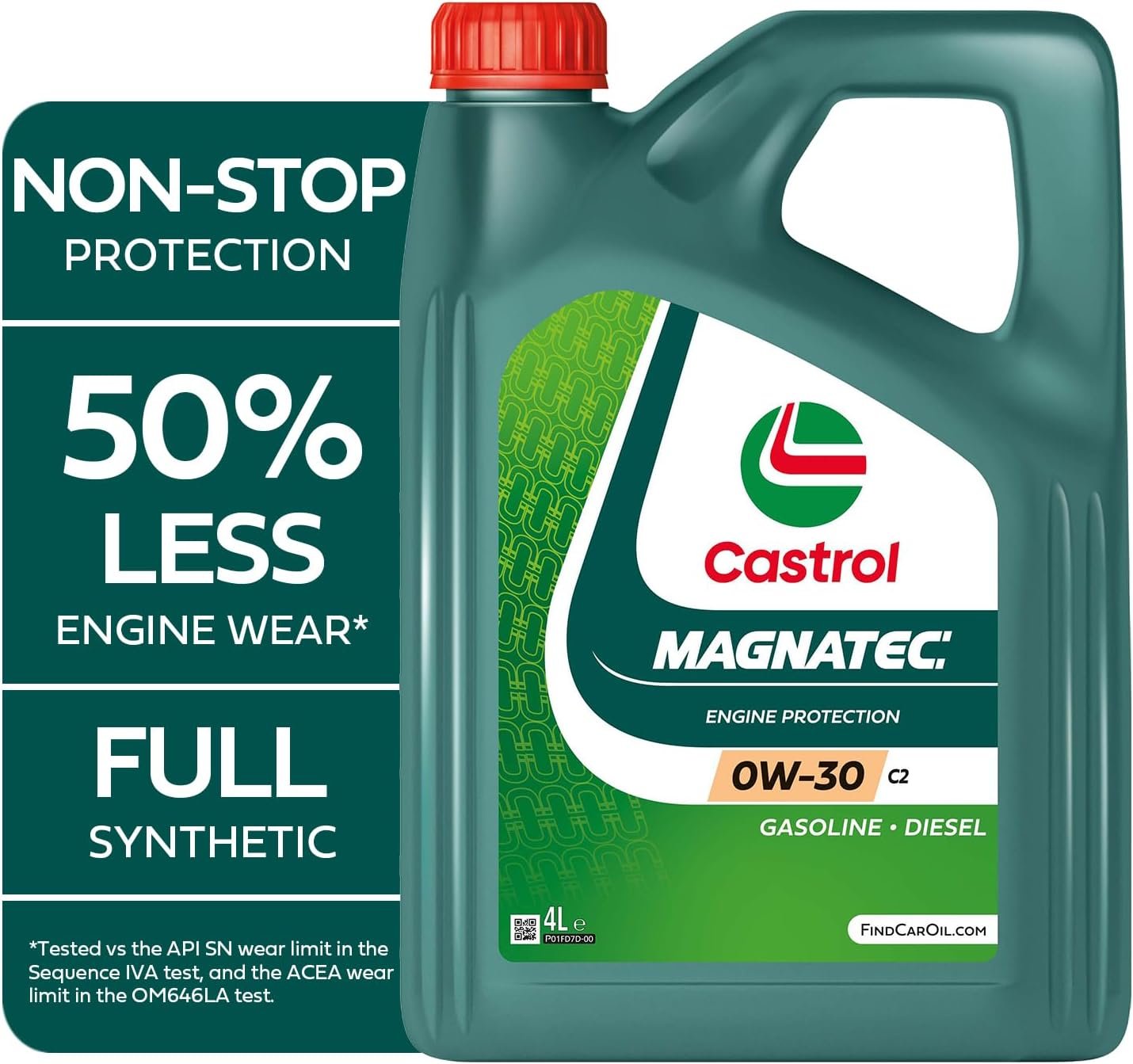
As an Amazon Associate, we may earn from qualifying purchases. This doesn't affect our recommendations — we only suggest oils that hold the exact OEM approval for your engine.
Best Engine Oil for Ford Focus Mk4 1.5 EcoBlue Diesel (120 HP)
The fourth-generation Ford Focus (2018 onwards) fitted with the 1.5 EcoBlue diesel engine is one of the most accomplished diesel hatchbacks in the UK market. The XQDA engine code identifies a 1,499cc four-cylinder common-rail turbodiesel producing 120 HP and 300 Nm of torque, delivering the kind of effortless mid-range pulling power that makes diesel Focuses so popular with motorway commuters. Ford designed this engine as a clean-sheet replacement for the older 1.6 TDCi, addressing many of that engine’s reliability shortcomings while meeting Euro 6d emissions standards through a diesel particulate filter and selective catalytic reduction system. The result is a more refined, more efficient, and demonstrably more reliable diesel powertrain. However, that reliability depends entirely on correct oil selection. The 1.5 EcoBlue’s DPF demands low-SAPS oil meeting Ford’s WSS-M2C950-A specification, and the wrong oil will accelerate the filter blockage and injector problems that account for the majority of owner complaints. This guide covers the correct specifications, capacity, and best oils to keep your Focus EcoBlue running cleanly for the long term.
Quick Answer: Recommended Oil
For Ford Focus Mk4 1.5 EcoBlue (120 HP):
- Recommended viscosity: SAE 0W-30
- Oil capacity: 3.8 litres with filter (3.5 L without)
- Required norms: ACEA C2, Ford WSS-M2C950-A
Key point: WSS-M2C950-A is Ford’s diesel-specific oil specification. It mandates low-SAPS (Sulphated Ash, Phosphorus, Sulphur) chemistry to protect the diesel particulate filter. Using a standard 0W-30 without this approval will accelerate DPF ash loading, potentially blocking the filter and triggering expensive forced regeneration cycles or outright replacement costing £1,000-1,500. Always verify the WSS-M2C950-A approval on the bottle.
The 1.5 EcoBlue Engine: A Modern Ford Diesel
The 1.5 EcoBlue is Ford’s response to the reliability concerns that dogged the older 1.6 TDCi (DV6) engine, a PSA-sourced unit that suffered from turbo failures, injector seal leaks, and timing belt issues across multiple Ford models. The EcoBlue is an in-house Ford design sharing architecture with the larger 2.0 EcoBlue, and it represents a significant step forward in refinement and durability.
Common-rail direct injection operates at pressures up to 2,000 bar through solenoid-type injectors, delivering precise fuel metering across the entire RPM range. This high injection pressure produces excellent fuel atomisation, contributing to the 120 HP variant’s claimed combined fuel consumption of around 55-60 mpg under WLTP conditions. The injection system is controlled by a Bosch ECU that manages up to five injection events per combustion cycle, including pilot injections for noise reduction and post-injections for DPF regeneration.
Variable geometry turbocharger. The XQDA engine uses a VGT that adjusts its vane geometry continuously to optimise boost delivery from idle through to the rev limit. Peak torque of 300 Nm is available from just 1,750 RPM, giving the Focus genuinely effortless in-gear acceleration. The turbo’s variable vanes are exposed to exhaust gas temperatures exceeding 800 degrees C and rely on engine oil for bearing lubrication and shaft cooling.
Exhaust aftertreatment. The Euro 6d emissions package includes a diesel particulate filter, a diesel oxidation catalyst, and a selective catalytic reduction (SCR) system using AdBlue injection. This triple-layer aftertreatment is highly effective at reducing emissions but makes the engine substantially more sensitive to oil quality than older diesels without DPFs.
Why Oil Selection Is Critical for the 1.5 EcoBlue
DPF blockage is the primary concern. The diesel particulate filter traps soot particles from exhaust gas and periodically burns them off during regeneration cycles at temperatures above 600 degrees C. Soot can be burned away, but metallic ash from engine oil additives cannot. This ash accumulates permanently inside the DPF, gradually reducing its capacity. Low-SAPS oil meeting WSS-M2C950-A produces significantly less ash than conventional diesel oils, extending the DPF’s effective life by years.
The DPF regeneration process itself creates a secondary oil-related problem. During active regeneration, the ECU injects additional diesel fuel late in the combustion cycle to raise exhaust temperatures. Some of this fuel inevitably washes past the piston rings into the sump, diluting the engine oil. This is why short trips are so damaging to the 1.5 EcoBlue: the engine never reaches the sustained temperatures needed for passive regeneration, forcing repeated active regen cycles that progressively dilute the oil while simultaneously failing to complete, leaving the DPF partially blocked.
Injector health depends on oil condition. The common-rail injectors operate at extreme pressures with microscopic tolerances. While injector fouling is primarily a fuel quality issue, degraded engine oil contributes indirectly. Oil mist drawn through the crankcase ventilation system enters the intake tract, where it combines with EGR gases to form carbon deposits on injector tips. High-quality oil with strong detergent properties reduces this crankcase vapour contamination. Owners reporting rough idle, poor fuel economy, or uneven running should investigate injector condition, as clogged or faulty injectors are among the most commonly reported issues on the 1.5 EcoBlue.
Turbo protection at shutdown. After sustained motorway driving, the VGT turbocharger remains extremely hot when the engine is switched off. Residual oil in the bearing housing must maintain its protective film as temperatures spike through heat soak. Degraded oil cokes inside the turbo centre housing, forming hard carbon deposits that score the shaft and restrict oil flow to the bearings. This is the beginning of the turbo failure cycle that, while less common on the EcoBlue than the older 1.6 TDCi, still represents one of the most expensive potential repairs at £800-1,200.
Technical Specifications: 1.5 EcoBlue (XQDA)
| Specification | Value |
|---|---|
| Displacement | 1,499cc (1.5 litres) |
| Layout | Inline-4, transverse, aluminium block and head |
| Valvetrain | DOHC, 16 valves, timing belt |
| Compression Ratio | 16.0:1 |
| Power | 120 HP @ 3,750 RPM |
| Torque | 300 Nm @ 1,750-2,500 RPM |
| Fuel System | Bosch common-rail direct injection, up to 2,000 bar |
| Turbocharger | Variable geometry (VGT) |
| Recommended Viscosity | SAE 0W-30 |
| Oil Capacity (without filter) | 3.5 litres |
| Oil Capacity (with filter) | 3.8 litres |
| ACEA Norm | C2 |
| Ford Norm | WSS-M2C950-A |
Oil Change Intervals
Ford Official Recommendation:
- Standard service: 12,500 miles or 12 months (whichever comes first)
- Flexible service (some models): up to 18,000 miles or 24 months
Recommended Practice: 10,000 miles or annually, whichever comes first.
Ford’s 12,500-mile interval assumes a reasonable proportion of motorway driving where the engine reaches and maintains full operating temperature. For many UK owners who split their time between commuting and town driving, the oil degrades faster than this interval anticipates due to increased soot loading and fuel dilution from incomplete DPF regeneration cycles.
Consider 7,500-mile intervals if:
- Predominantly short trips under 15 miles (DPF cannot complete passive regeneration)
- Heavy urban stop-start driving (increased fuel dilution and soot loading)
- Vehicle exceeds 80,000 miles
- Oil level rises on the dipstick between services (fuel dilution indicator)
- Any history of DPF warning lights or forced regeneration
Always replace the oil filter at every oil change. The 1.5 EcoBlue’s relatively modest 3.8-litre oil capacity means the oil is working harder per litre than in larger engines, making fresh filtration at every service essential.
Common 1.5 EcoBlue Issues and Prevention
Owner data suggests that roughly 8-10% of 1.5 EcoBlue engines experience significant issues within the first five years. While this is a marked improvement over the older 1.6 TDCi, understanding the common failure points helps you take preventive action.
DPF blockage from short-trip driving. This is the single most reported issue on the 1.5 EcoBlue and is almost entirely caused by driving patterns rather than engine defects. The DPF requires sustained driving at motorway speeds, typically 15-20 minutes above 2,000 RPM, to reach the temperatures needed for passive soot regeneration. Owners who drive exclusively in town force the ECU into repeated active regeneration attempts, which may fail to complete, leaving the filter increasingly blocked. Symptoms include the DPF warning light, reduced power, rough running, and eventually limp mode. Prevention is straightforward: drive the car on a motorway or fast A-road for at least 20-30 minutes once a week. Highway driving keeps this engine happy. If your commute is entirely urban, the 1.5 EcoBlue may not be the right engine choice. DPF cleaning costs £300-500, while replacement runs to £1,000-1,500.
Injector problems. Rough idle, poor fuel economy, excessive smoke, and uneven running can all point to clogged or faulty common-rail injectors. The 2,000-bar injection pressures mean the injector nozzles operate with tolerances measured in microns, and even minor carbon deposits alter the spray pattern enough to affect combustion efficiency. Injector cleaning using professional ultrasonic or chemical flush methods can restore performance at £150-300 for all four injectors. Full replacement is significantly more expensive at £200-350 per injector plus labour. Using quality fuel from major brands and maintaining correct oil with strong detergent properties both contribute to injector longevity.
Turbo issues. While substantially more reliable than the older 1.6 TDCi’s turbo, the 1.5 EcoBlue’s VGT can develop sticking vanes from carbon buildup, particularly on engines used predominantly at low loads where exhaust temperatures are insufficient to burn off deposits. Symptoms include intermittent power loss, boost spikes, and turbo whistle that changes character. Periodic motorway driving at higher RPM helps keep the vanes clean. If vane sticking becomes persistent, professional cleaning costs £200-400, while turbo replacement runs to £800-1,200. Quality oil that resists coking protects the turbo bearings and reduces the carbon deposits that cause vane sticking.
EGR valve fouling. The exhaust gas recirculation valve accumulates carbon deposits over time, restricting its operation and causing rough idling, reduced performance, and check engine lights. The 1.5 EcoBlue’s EGR is better engineered than the older 1.6 TDCi’s unit, but it remains susceptible to fouling on engines used predominantly for short trips. Quality oil with effective detergent additives slows deposit formation, and regular sustained driving at operating temperature helps burn off accumulated carbon.
Why 0W-30 and ACEA C2 Specifically
Ford specifies 0W-30 rather than the more common 5W-30 for the 1.5 EcoBlue. The thinner cold-start viscosity (0W versus 5W) means the oil flows more quickly to the turbo bearings, camshaft, and hydraulic tappets on cold mornings, reducing the dry-start wear that accumulates over thousands of ignition cycles. In the UK climate, where sub-zero starts are common from November through March, this difference is meaningful.
ACEA C2 is a low-SAPS specification with lower viscosity limits than ACEA C3, delivering marginally better fuel economy through reduced internal friction. Ford chose C2 rather than C3 because the 1.5 EcoBlue’s bearing clearances are engineered for the thinner oil film, and the DPF benefits from C2’s stricter ash limits. Do not substitute an ACEA C3 oil unless it also carries WSS-M2C950-A approval. The viscosity and SAPS levels must match what Ford engineered the emissions system around.
Conclusion
The Ford Focus Mk4 1.5 EcoBlue requires SAE 0W-30 engine oil meeting ACEA C2 and Ford WSS-M2C950-A specifications, with a capacity of 3.8 litres including the filter. Low-SAPS chemistry is mandatory for DPF protection, and the WSS-M2C950-A approval on the bottle is your guarantee that the oil has passed Ford’s own diesel-specific testing.
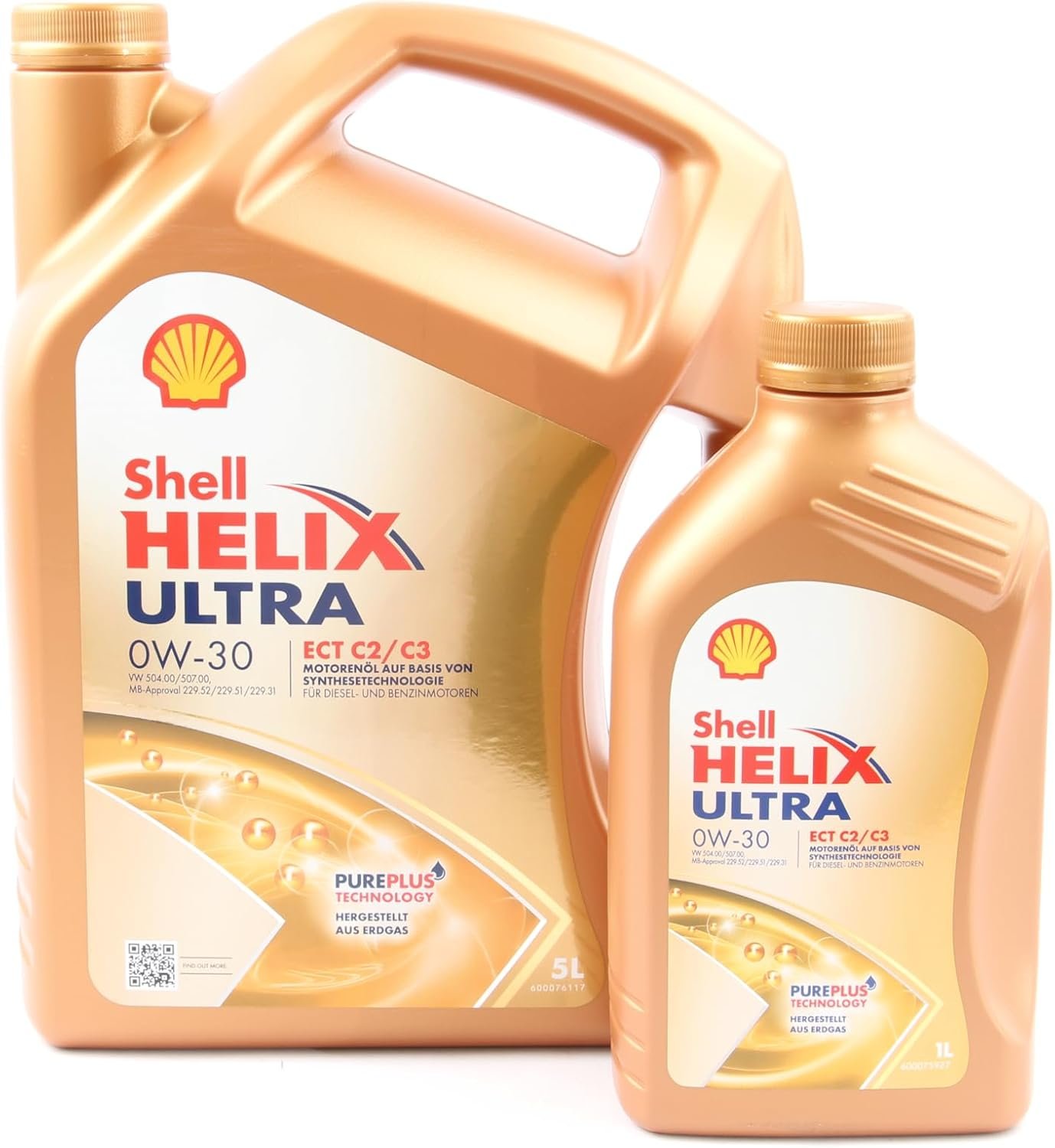
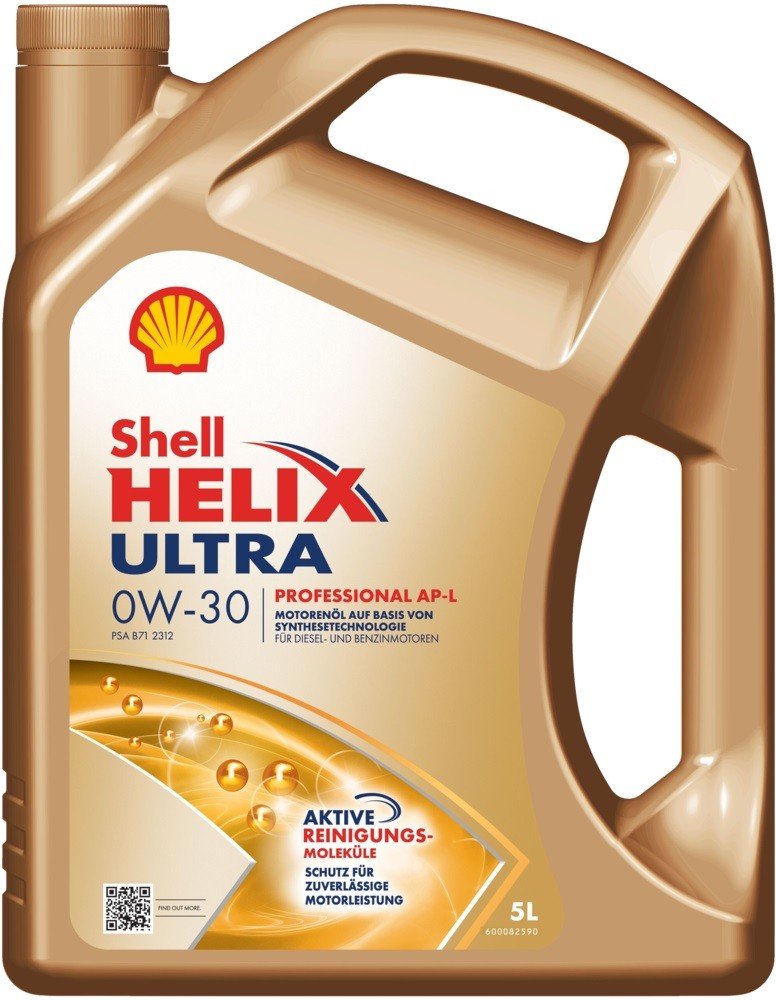
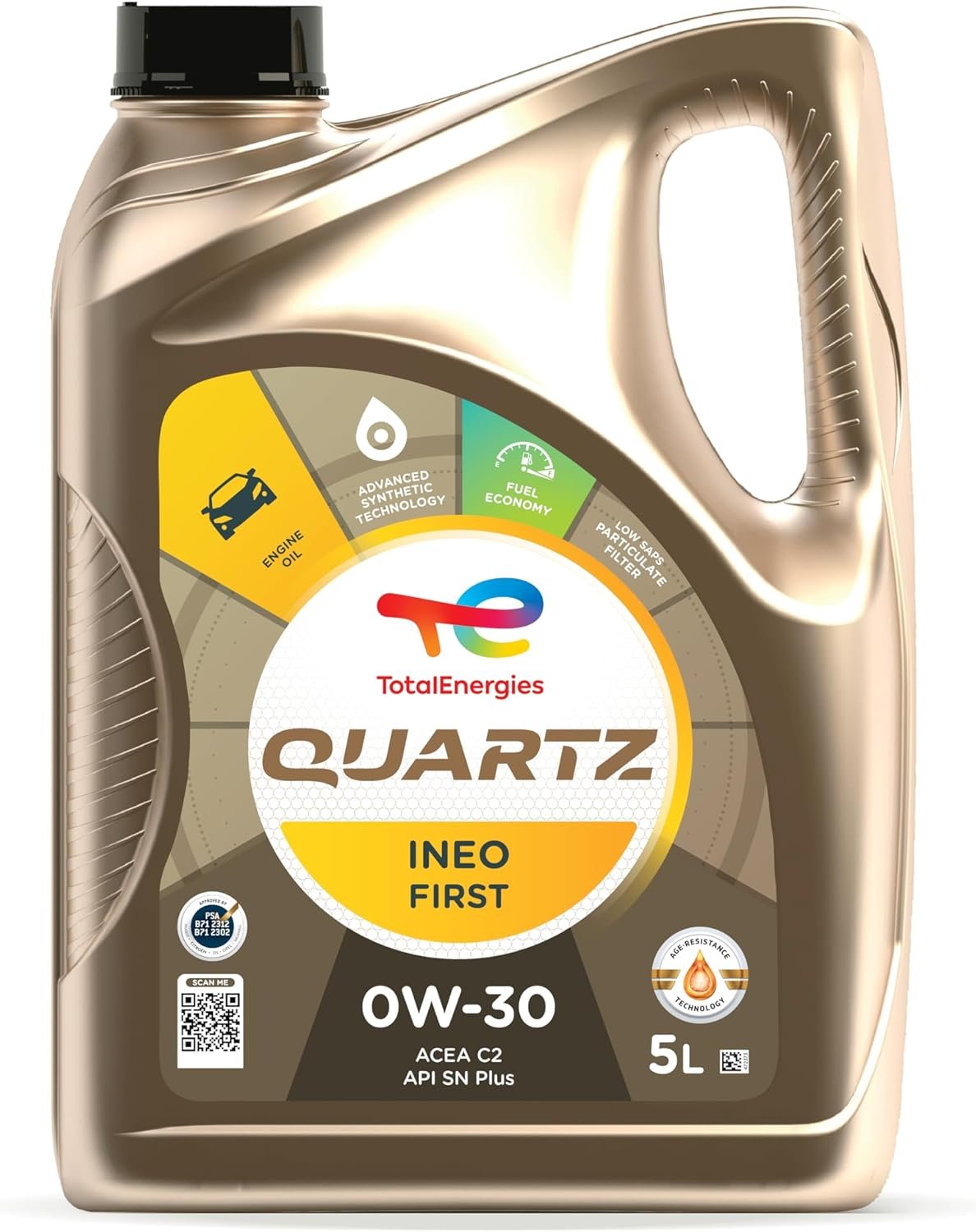
Ford Castrol Magnatec Professional A5 0W-30 is the natural OEM choice at £35-40 for 5 litres, while Mobil 1 ESP 0W-30 offers maximum thermal stability for high-mileage drivers at £42-48. Change the oil at 10,000-mile intervals or annually, shortening to 7,500 miles for predominantly urban driving. The 1.5 EcoBlue is a more reliable and refined engine than the 1.6 TDCi it replaced, but it rewards a specific ownership pattern: regular motorway runs to keep the DPF regenerating, correct low-SAPS oil to prevent ash accumulation, and disciplined service intervals to manage the soot and fuel dilution that every modern diesel engine produces. The £35-48 spent on correct oil annually is modest insurance against a DPF replacement (£1,000-1,500), turbo failure (£800-1,200), and injector problems (£200-350 per unit) that primarily afflict neglected examples. Treat the 1.5 EcoBlue to the right oil and regular highway miles, and it will deliver years of dependable, economical service.
Our Top Picks
As an Amazon Associate, we may earn from qualifying purchases. This doesn't affect our recommendations — we only suggest oils that hold the exact OEM approval for your engine.