 Oil-
Oil-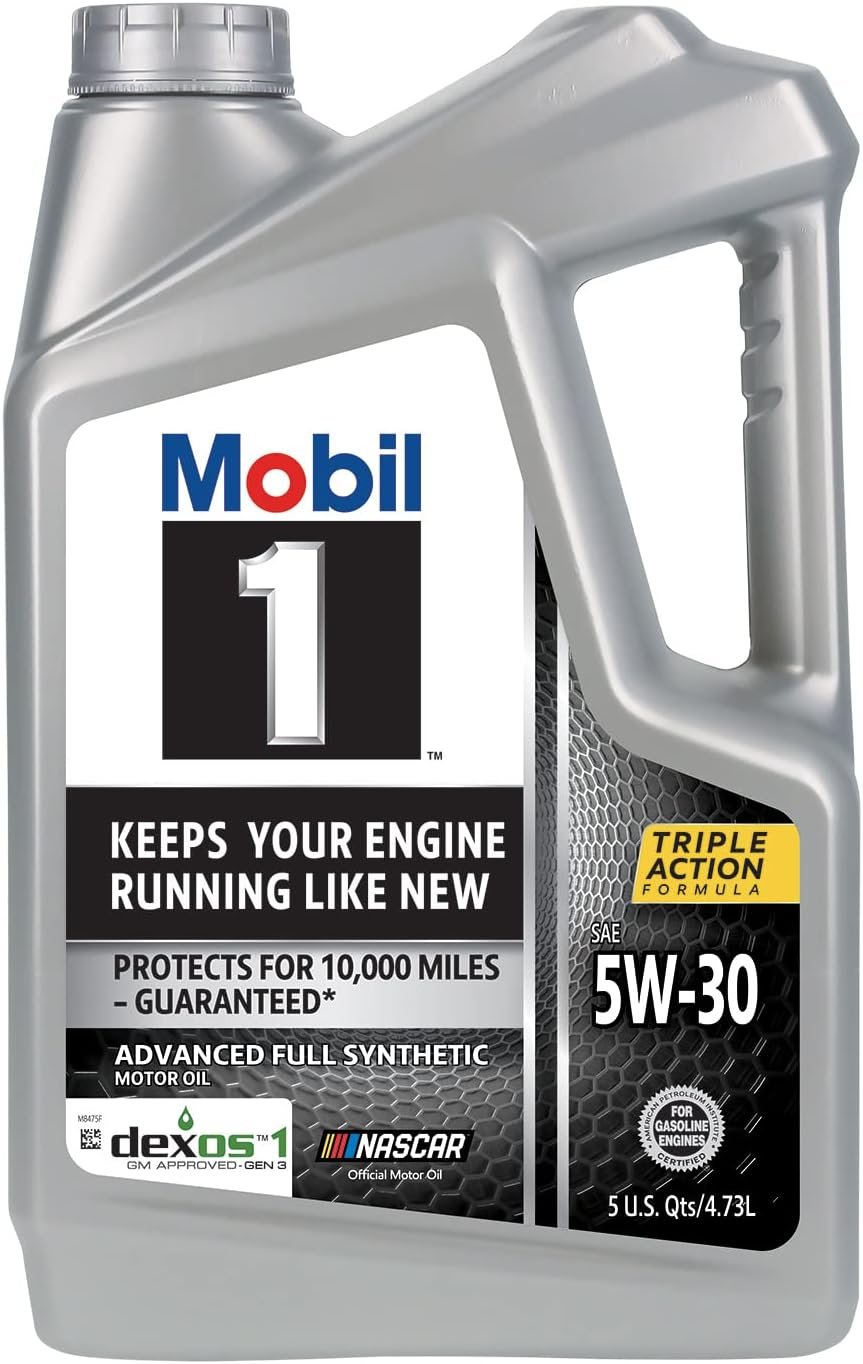
As an Amazon Associate, we may earn from qualifying purchases. This doesn't affect our recommendations — we only suggest oils that hold the exact OEM approval for your engine.
Best Engine Oil for Ford F-150 14th Gen 2.7L EcoBoost V6 (325 HP)
The 2.7L EcoBoost V6 has quietly become one of the most compelling engine choices in the Ford F-150 lineup. Producing 325 horsepower and 400 lb-ft of torque from a twin-turbocharged V6 displacing just 2.7 liters, it delivers V8-competitive towing capability with substantially better fuel economy. The 14th generation F-150 (2021 and newer) carries the third evolution of this engine, benefiting from lessons learned across two prior generations. However, the combination of direct injection, twin turbochargers, and compact displacement places serious demands on engine oil. Ford specifies WSS-M2C961-A1 approved SAE 5W-30 for a reason, and this guide explains exactly what that means for your truck.
Quick Answer: Recommended Oil
For F-150 14th Gen 2.7L EcoBoost V6 (325 HP):
- Primary specification: Ford WSS-M2C961-A1 with SAE 5W-30
- API category: SP (or SN Plus minimum)
- Oil capacity: 6.0 quarts (5.7 liters) with filter
Key point: The 2.7L EcoBoost requires full synthetic 5W-30 meeting Ford WSS-M2C961-A1. Do not substitute 5W-20 or conventional oil. The twin-turbo architecture generates sustained heat loads that demand synthetic base stocks with strong oxidation resistance.
The 2.7L EcoBoost Engine
Ford introduced the 2.7L EcoBoost in 2015 as part of the revolutionary aluminum-bodied 13th generation F-150, and it immediately challenged assumptions about what a truck engine needed to be. The compacted graphite iron (CGI) block provides diesel-like strength at roughly 75 percent of the weight of a traditional cast iron V8 block. Twin BorgWarner turbochargers mounted in the valley between the cylinder banks minimize turbo lag and deliver peak torque from just 2,750 RPM.
The engine uses port and direct injection simultaneously, a system Ford calls dual fuel injection. Port injectors spray fuel onto the back of the intake valves while high-pressure direct injectors deliver fuel directly into the combustion chamber. This dual approach recovers the cleaning benefit of port injection that pure direct injection engines sacrifice, significantly reducing carbon buildup on intake valves compared to the first-generation 2.7 EcoBoost that relied on direct injection alone.
The 2021+ version produces 325 HP and 400 lb-ft of torque, paired exclusively with the 10-speed automatic transmission. With the proper tow package, it is rated to pull up to 9,000 pounds, putting it firmly in the territory of naturally aspirated V8 engines while returning 20-26 MPG on the highway.
Understanding Ford WSS-M2C961-A1
Ford’s WSS-M2C961-A1 specification defines the complete oil performance package for modern EcoBoost truck engines. It requires full synthetic base stocks, API SP or SN Plus certification, and a specific additive chemistry profile designed to protect turbocharged, direct-injected engines under the sustained loads that truck duty cycles demand.
The API SP category, introduced in 2020, added critical requirements for timing chain wear protection and low-speed pre-ignition (LSPI) prevention. LSPI is a destructive phenomenon where the fuel-air mixture ignites prematurely under high load at low RPM, producing pressure spikes that can crack pistons and bend connecting rods. The 2.7L EcoBoost, with its small displacement and high specific output, operates in the LSPI risk zone during towing, merging, and hill climbing. API SP oils contain calcium and molybdenum additive adjustments that dramatically reduce LSPI events compared to older API SN formulations.
The WSS-M2C961-A1 specification builds on API SP with additional requirements for turbocharger deposit control and oxidation stability at sustained high temperatures. Ford validates approved oils through extended dynamometer testing that simulates real-world truck use patterns, not just laboratory benchmarks.
Technical Specifications
| Specification | Value |
|---|---|
| Displacement | 2,694cc (2.7 liters) |
| Layout | 60-degree V6, longitudinal, CGI block, aluminum heads |
| Valvetrain | DOHC, 24 valves, Ti-VCT variable cam timing |
| Fuel System | Dual port and direct injection |
| Turbocharger | Twin BorgWarner, valley-mounted |
| Power | 325 HP @ 5,000 RPM |
| Torque | 400 lb-ft @ 2,750 RPM |
| Compression Ratio | 10.0:1 |
| Fuel Type | Regular 87 octane (91+ recommended for towing) |
| Recommended Viscosity | SAE 5W-30 |
| Oil Capacity (with filter) | 6.0 quarts (5.7 liters) |
| Oil Capacity (without filter) | 5.7 quarts (5.4 liters) |
| Ford Norm | WSS-M2C961-A1 |
| API Category | SP |
Oil Change Intervals
Ford Official Recommendation:
- Standard: 10,000 miles or 1 year (Intelligent Oil-Life Monitor)
- The truck’s Oil Life Monitor adjusts based on driving conditions
Recommended Practice: 7,500 miles or every 6 months, whichever comes first.
Consider 5,000-mile intervals if:
- Regular towing above 5,000 pounds
- Frequent short trips under 10 miles without reaching full operating temperature
- Sustained high-speed highway driving in ambient temperatures above 95 degrees F
- Frequent idling (work sites, traffic)
- Dusty or off-road operating environments
- Vehicle has over 100,000 miles
The 2.7L EcoBoost runs its turbochargers hard during loaded operation, and oil temperature can exceed 250 degrees F during sustained towing in warm weather. At these temperatures, even full synthetic oil degrades faster than laboratory tests at lower temperatures suggest. Ford’s Oil Life Monitor is conservative by manufacturer standards, but it cannot measure actual oil degradation. For trucks that tow regularly, a fixed 5,000-mile interval with quality synthetic oil is inexpensive insurance.
Why Correct Oil Matters for the 2.7L EcoBoost
The 2.7L EcoBoost packs V8-level output into a compact V6 package, which means every component operates closer to its thermal and mechanical limits than a larger, less stressed engine would. The twin turbochargers spin at speeds exceeding 150,000 RPM, supported by journal bearings that depend entirely on oil pressure and film strength for survival. After shutdown, residual heat in the turbo housings can reach temperatures that coke (carbonize) trapped oil if the base stock lacks adequate thermal stability. Over thousands of heat cycles, coked oil accumulates in the bearing housing, restricts oil flow, and eventually starves the bearing.
The timing chain system drives four camshafts through a chain and tensioner arrangement that is sensitive to oil viscosity and anti-wear additive levels. API SP specifically addresses timing chain wear through enhanced phosphorus retention requirements. Running older API SN oil or conventional oil increases chain stretch rates, leading to rattling cold starts and eventually requiring chain replacement at a cost of $1,500 to $2,500 in parts and labor.
Common 2.7L EcoBoost Problems Related to Oil
Carbon buildup (2015-2017 first-generation models): The original 2.7 EcoBoost used direct injection only, without port injectors. This caused significant carbon accumulation on intake valves, resulting in rough idle, misfires, and power loss by 60,000-80,000 miles. The remedy is walnut blasting, which costs $400-600 at most shops. The 2018+ second-generation and 2021+ third-generation models added port injection, which dramatically reduces this issue but does not eliminate it entirely.
Timing chain concerns (2015-2017 models): Early 2.7L EcoBoost engines used a single timing chain design that proved susceptible to stretch. Ford redesigned the system to a more robust dual chain configuration from 2018 onward. The 2021+ 14th generation F-150 benefits from this improved design, and timing chain failures are rare on properly maintained examples.
Defective valve guides (2016-2017): A known issue with early production engines where improperly machined valve guides allowed excessive oil to enter the combustion chamber, causing oil consumption of 1 quart per 1,000-2,000 miles. This was addressed in later production runs and is not present on 2021+ models.
Intake valve recall (2021-2022): Ford issued a recall affecting approximately 91,000 F-150 trucks with the 2.7L EcoBoost for intake valves that could crack during operation. Cracked valves can cause misfires, power loss, and in severe cases engine damage from valve fragments entering the cylinder. Verify recall completion through any Ford dealer using your VIN before purchasing a used 2021-2022 model.
Long-term durability: With proper maintenance, including correct oil specification and conservative change intervals, the 2.7L EcoBoost routinely reaches 150,000 miles and beyond. The CGI block is virtually indestructible, and the dual fuel injection system keeps the top end cleaner than earlier versions. The engine’s reputation for reliability has improved significantly with each generation.
Conclusion
The Ford F-150 14th Gen 2.7L EcoBoost V6 requires 6.0 quarts of full synthetic SAE 5W-30 engine oil meeting Ford WSS-M2C961-A1 and API SP standards at every service. This twin-turbo V6 delivers outstanding performance and efficiency for a full-size truck, but its compact, high-output design demands oil that can handle sustained turbo heat, prevent LSPI events, and protect a timing chain system with tight tolerances.
Motorcraft Full Synthetic 5W-30 at $25-30 is the safest and most affordable default. Mobil 1 Extended Performance, Castrol EDGE Advanced, and Valvoline Advanced Full Synthetic are all strong API SP alternatives priced between $24 and $38 for 5 quarts. Change oil at 7,500 miles for normal use, 5,000 miles if you tow regularly, and always verify API SP on the bottle. With the right oil and discipline, the 2.7L EcoBoost will deliver dependable service well past 150,000 miles.
Our Top Picks
As an Amazon Associate, we may earn from qualifying purchases. This doesn't affect our recommendations — we only suggest oils that hold the exact OEM approval for your engine.