 Oil-
Oil-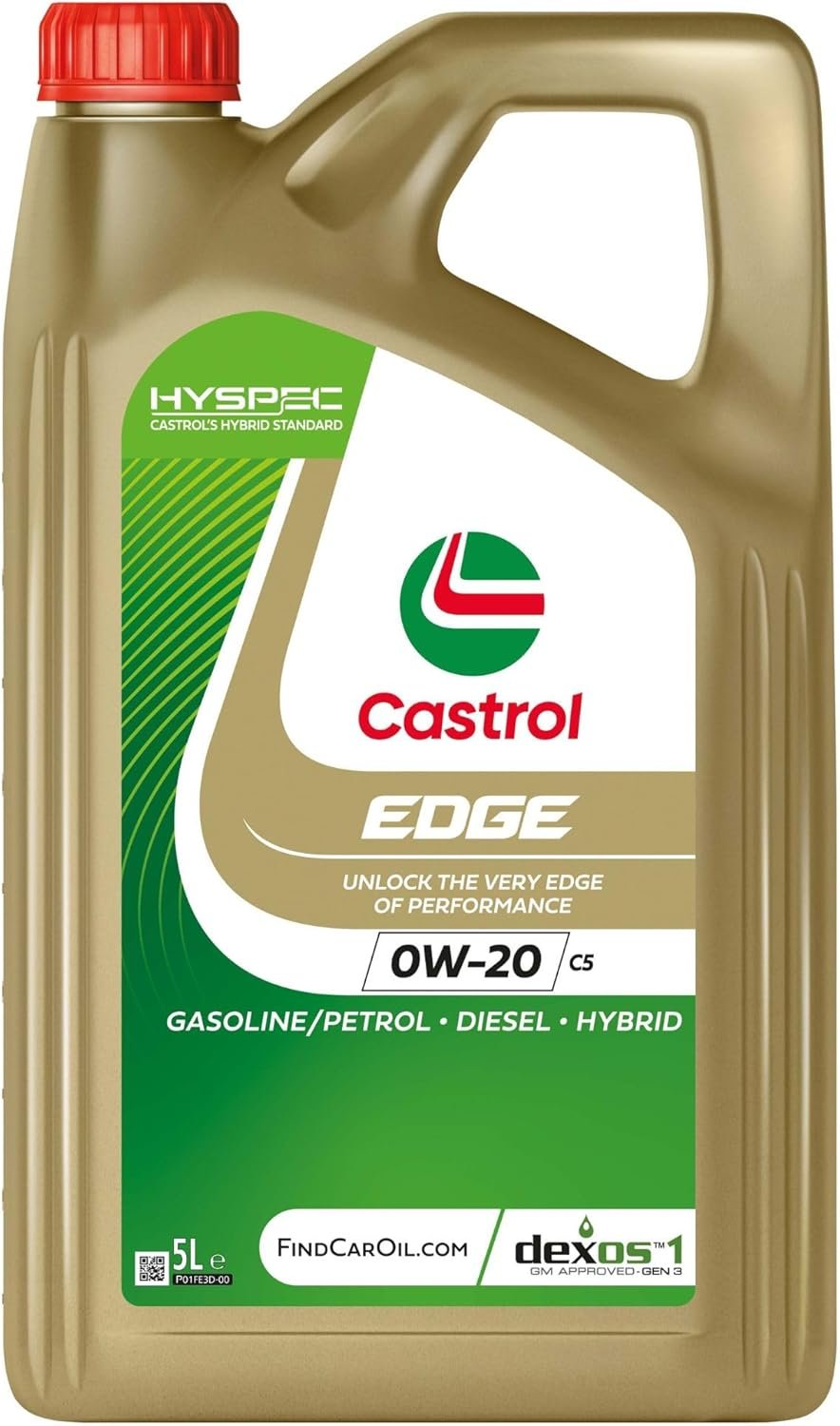
As an Amazon Associate, we may earn from qualifying purchases. This doesn't affect our recommendations — we only suggest oils that hold the exact OEM approval for your engine.
Best Engine Oil for Chevrolet Equinox 1.5L Turbo (170 HP) — LYX
The third-generation Chevrolet Equinox (2018-2024) powered by the 1.5-liter turbocharged LYX engine is one of the most popular compact SUVs on American roads — and one of the most problematic when it comes to oil consumption. GM’s decision to use low-tension piston rings created a well-documented pattern of excessive oil burning that has generated thousands of complaints and multiple class action lawsuits. If you drive a 2018-2024 Equinox with the 1.5T, understanding the oil specification and monitoring consumption is not optional — it is the difference between a reliable powertrain and catastrophic engine failure. This guide covers the correct oil, the consumption problem in detail, and what you can do to protect your engine.
Quick Answer: Recommended Oil
For Chevrolet Equinox 1.5L Turbo (170 HP, LYX):
- Specification: dexos1 Gen 3 (API SP / ILSAC GF-6A compatible)
- Viscosity: SAE 0W-20
- Oil capacity (FWD): 4.2 quarts with filter
- Oil capacity (AWD): 5.3 quarts with filter
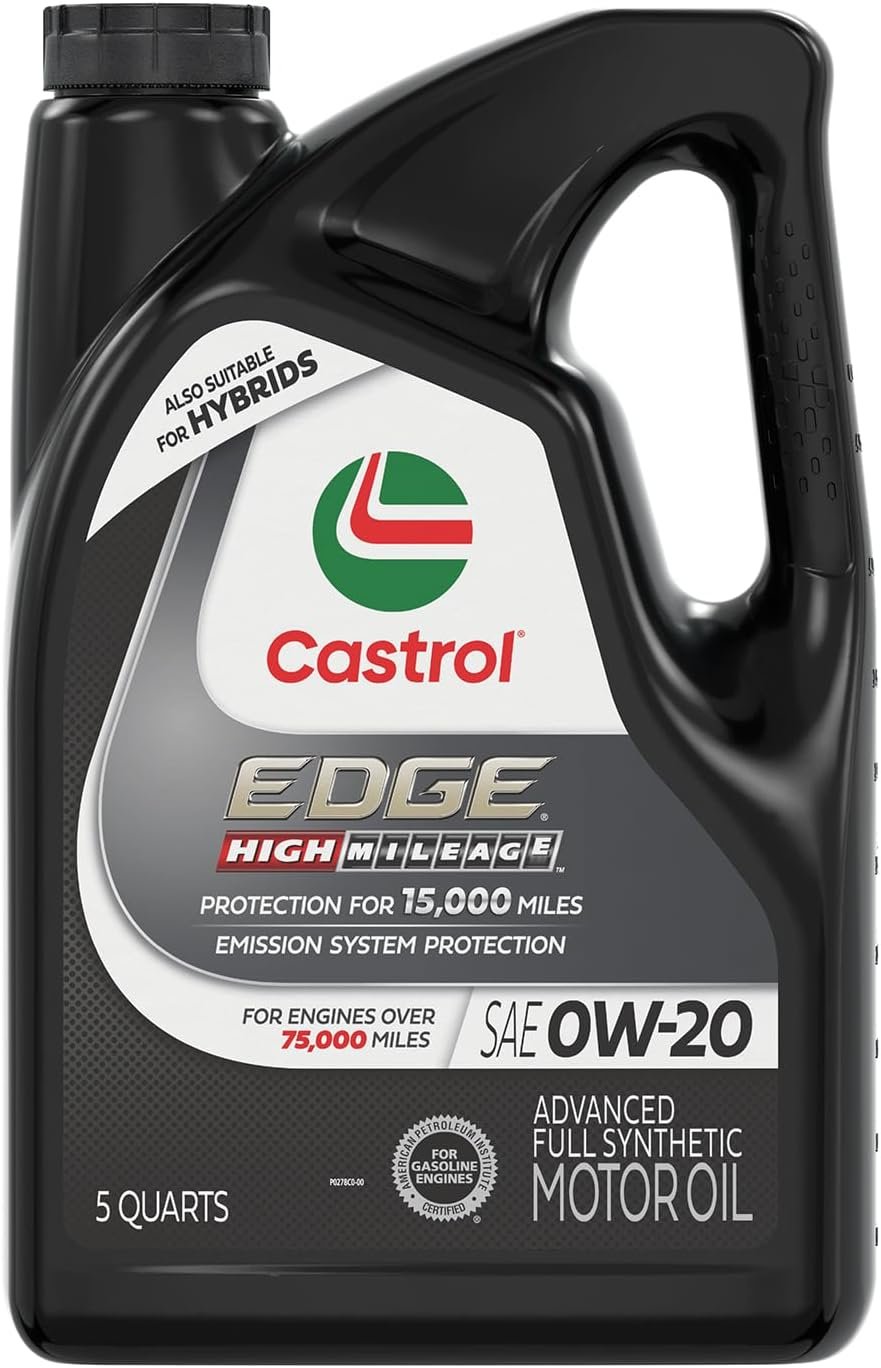
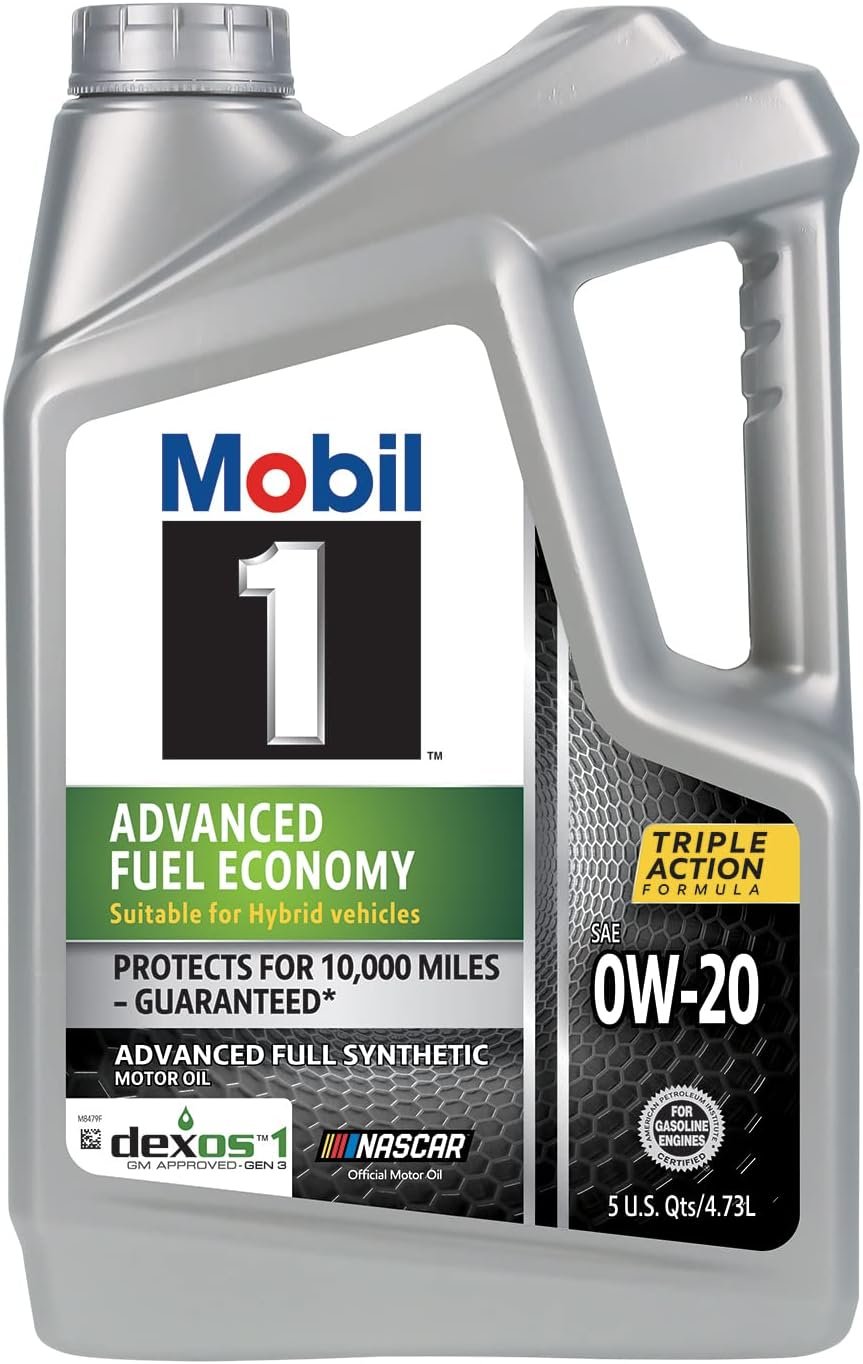
Critical: Only use oil carrying the dexos1 Gen 3 license on the label. GM requires dexos1 certification for warranty coverage. Generic API SP oils may meet viscosity requirements but lack GM’s specific additive validation for their turbo engines.
The LYX Engine
The LYX is a 1,490cc turbocharged inline four-cylinder from GM’s Ecotec family. It produces 170 horsepower at 5,600 RPM and 203 lb-ft of torque from 2,000 to 4,000 RPM, paired with a 6-speed automatic transmission (FWD) or a 9-speed automatic (AWD) depending on model year and trim. The engine uses direct fuel injection, a twin-scroll turbocharger with an integrated exhaust manifold, continuously variable valve timing on both intake and exhaust camshafts, and a relatively high 10.0:1 compression ratio for a turbocharged application.
The integrated exhaust manifold places the turbocharger directly against the cylinder head, reducing turbo lag but exposing the turbo to higher sustained temperatures than a remotely mounted unit — making oil quality critical for turbo bearing survival. The direct injection system operates at pressures up to 2,175 psi, requiring precise lubrication of the high-pressure fuel pump cam lobe.
Understanding dexos1 Gen 3
GM’s dexos1 specification is not a marketing label. It is a proprietary oil standard that goes beyond API SP and ILSAC GF-6A requirements. The Gen 3 revision, introduced in 2021, added stricter limits on low-speed pre-ignition events, improved turbocharger deposit testing, and tightened oxidation stability benchmarks. Oil manufacturers must submit formulations to GM for testing and pay a licensing fee to display the dexos1 logo — every bottle carrying the mark has been independently validated for GM’s turbocharged Ecotec engines.
Using non-dexos1 oil does not void the warranty outright, but GM can deny oil-related warranty claims if the oil does not meet the specification. Given that oil consumption is the LYX’s primary failure mode, maintaining documented dexos1-compliant oil changes is essential if you ever need to file a warranty claim.
Technical Specifications: 1.5L Turbo (LYX)
| Specification | Value |
|---|---|
| Displacement | 1,490cc (1.5 liters) |
| Layout | Inline-4, transverse, aluminum block and head |
| Valvetrain | DOHC, 16 valves, dual CVVT, timing chain |
| Turbocharger | Twin-scroll, integrated exhaust manifold |
| Injection | Direct injection (up to 2,175 psi) |
| Bore x Stroke | 74.0mm x 86.6mm |
| Compression Ratio | 10.0:1 |
| Power | 170 HP @ 5,600 RPM |
| Torque | 203 lb-ft @ 2,000-4,000 RPM |
| Fuel Type | Regular unleaded (87 octane minimum) |
| Recommended Viscosity | SAE 0W-20 |
| Oil Capacity FWD (with filter) | 4.2 quarts (4.0 liters) |
| Oil Capacity AWD (with filter) | 5.3 quarts (5.0 liters) |
| Oil Specification | dexos1 Gen 3 (API SP / ILSAC GF-6A) |
| Timing | Chain (lifetime, no scheduled replacement) |
Best Value: Valvoline Advanced Full Synthetic 0W-20 A well-balanced full synthetic meeting dexos1 Gen 3 at a lower cost. Widely available at Walmart, AutoZone, and Amazon for $23-27 for 5 quarts. An excellent choice for owners on shortened change intervals.
Oil Change Intervals
GM Official Recommendation:
- Oil Life Monitor system: typically indicates between 7,500 and 10,000 miles
Recommended Practice: 5,000 miles or every 6 months, whichever comes first.
GM’s Oil Life Monitor may extend intervals to 10,000 miles under ideal highway conditions. For the LYX engine with its known consumption issues, this is too long. Shorter 5,000-mile intervals replace oil before additive depletion and establish a documented service pattern that strengthens your position if a warranty claim becomes necessary.
Check the dipstick every 1,000 miles. If you are losing more than one quart per 3,000 miles, document it with dated photographs and keep all receipts. GM’s threshold for “acceptable” consumption is approximately one quart per 2,000 miles, but many owners experience rates double that figure.
Common LYX Engine Problems Related to Oil
Excessive Oil Consumption from Low-Tension Piston Rings
This is the defining problem of the Equinox 1.5T. GM used low-tension piston rings to reduce friction and improve fuel economy. These rings exert less radial force against the cylinder wall, creating a weaker seal between the combustion chamber and the crankcase. The problem emerges when carbon deposits accumulate behind the piston rings — a process called carbon locking. Direct injection engines are inherently prone to carbon buildup because fuel does not wash the intake valves or piston backs the way port injection does. As carbon accumulates, the already-low-tension rings lose their ability to conform to the cylinder wall. Oil slips past and burns.
The 2018-2021 model years are the worst affected. Owners report consumption rates from one quart every 2,000 miles to one quart every 1,000 miles in severe cases. Symptoms include blue-gray exhaust smoke, burning oil smell, low oil level warnings between changes, and fouled spark plugs. GM issued technical service bulletin PIP5487 acknowledging the issue and in some cases performed piston ring replacements under warranty. Owners outside warranty have faced repair bills exceeding $3,000.
Cold Weather Charge Air Cooler Icing
In temperatures at or below 0 degrees Fahrenheit, moisture in the charge air cooler (intercooler) can freeze, temporarily blocking compressed air from reaching the intake manifold. The engine stumbles, loses power, or stalls until the ice melts. This is a design limitation of the air-to-air intercooler routing and is not directly oil-related, but it compounds the cold-weather challenges of owning this vehicle. GM released a software update to manage boost pressure during extreme cold, but the underlying hardware limitation remains.
Turbocharger Failures
The twin-scroll turbocharger on the LYX operates at high sustained temperatures due to its integrated exhaust manifold design. Oil-starved conditions from excessive consumption — even briefly running one or two quarts low — accelerate bearing wear in the turbo cartridge. Symptoms include whining or whistling noises, oil leaking from the turbo seals into the intake or exhaust, and reduced boost pressure. Turbo replacement costs $1,500 to $2,500 including labor. Maintaining oil level is the single most effective preventive measure.
Why Correct Oil Matters
The LYX engine’s problems are fundamentally about oil management. Low-tension piston rings need clean, high-detergent oil to prevent carbon locking. The turbocharger needs thermally stable oil to survive integrated exhaust manifold temperatures. The direct injection high-pressure fuel pump cam lobe needs anti-wear additives to prevent premature wear. The CVVT solenoids need clean oil to avoid sticking. Every component in the LYX oil circuit is engineered around the assumption that the owner is using 0W-20 dexos1 Gen 3 oil and maintaining proper levels. Remove either variable and the engine’s design vulnerabilities become accelerated failure modes.
Conclusion
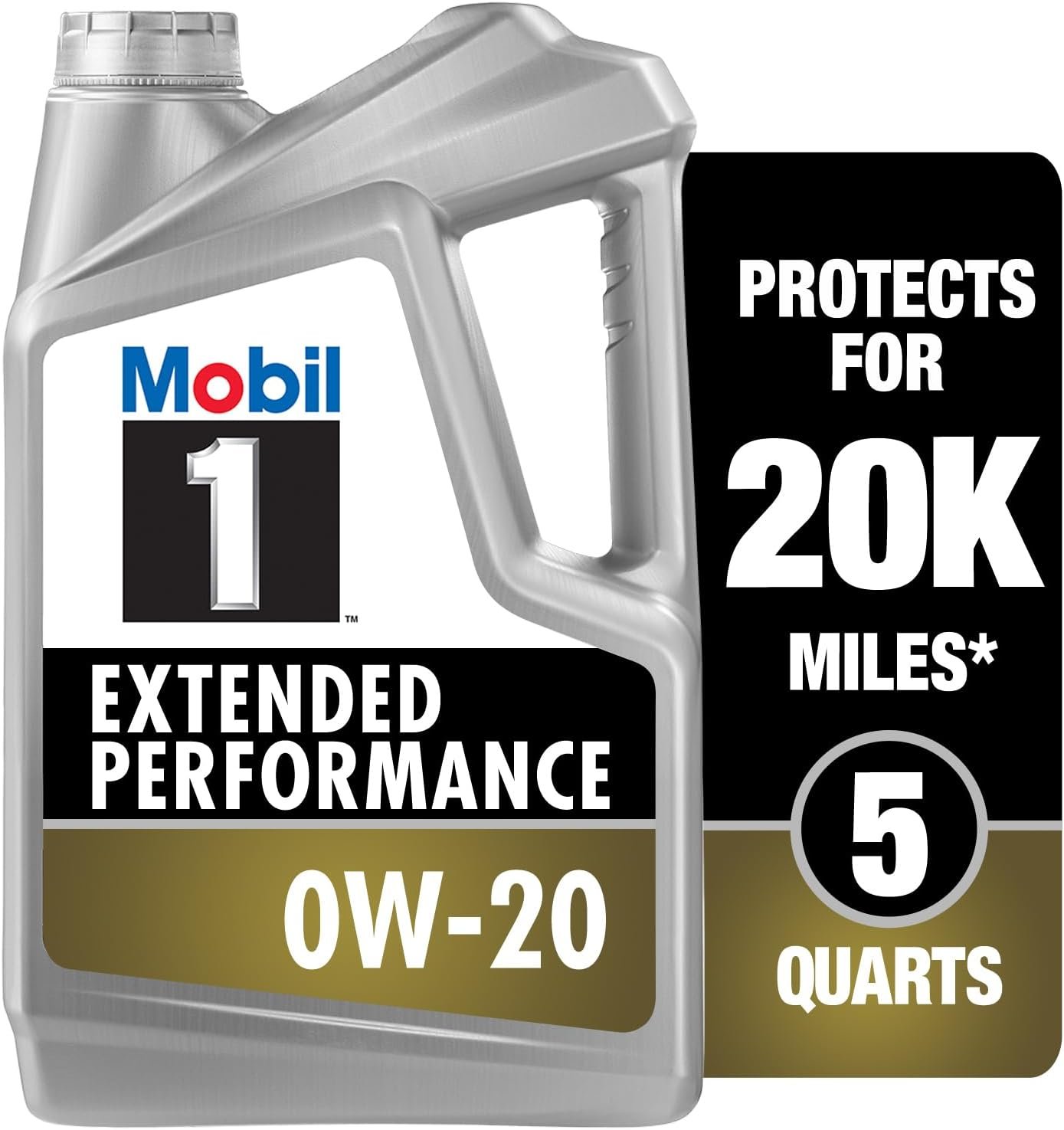
The Chevrolet Equinox 1.5L Turbo (LYX) requires SAE 0W-20 full synthetic engine oil meeting GM’s dexos1 Gen 3 specification at every service — 4.2 quarts for FWD models, 5.3 quarts for AWD, both with filter. Use ACDelco GM OE, Mobil 1, Pennzoil Platinum, or Valvoline Advanced Full Synthetic, all in 0W-20 with dexos1 Gen 3 certification displayed on the label.
Change the oil every 5,000 miles rather than relying on the Oil Life Monitor. Check the dipstick every 1,000 miles and document your readings. If consumption exceeds one quart per 2,000 miles, begin a formal paper trail with your dealer. Keep every receipt. The LYX is not a bad engine when maintained aggressively, but it demands more attention than its competitors. The $25-30 you spend on quality dexos1 oil every 5,000 miles, combined with vigilant level monitoring, is the most cost-effective insurance against the piston ring and turbocharger failures that have defined this engine’s reputation.
Our Top Picks
As an Amazon Associate, we may earn from qualifying purchases. This doesn't affect our recommendations — we only suggest oils that hold the exact OEM approval for your engine.