 Oil-
Oil-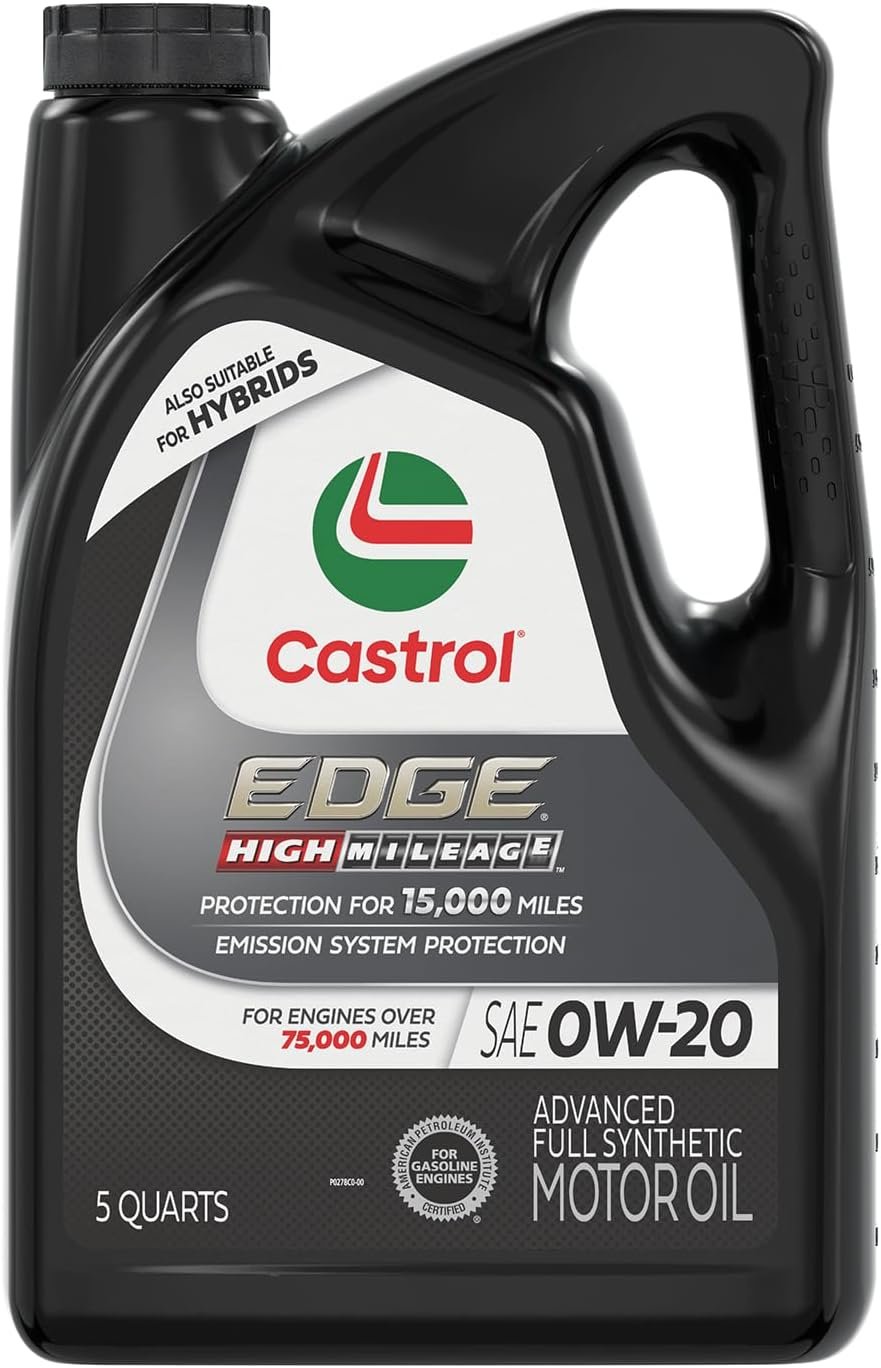
As an Amazon Associate, we may earn from qualifying purchases. This doesn't affect our recommendations — we only suggest oils that hold the exact OEM approval for your engine.
Best Engine Oil for Chevrolet Silverado 1500 5.3L V8 EcoTec3 (355 HP) — L84
The fourth-generation Chevrolet Silverado 1500 (T1, 2019-present) with the 5.3-liter EcoTec3 V8 is one of the most popular full-size trucks on American roads. The L84 engine code designates the current version featuring Dynamic Fuel Management (DFM), GM’s advanced cylinder deactivation technology that can shut down any combination of cylinders across 17 distinct firing patterns. It produces 355 horsepower and 383 lb-ft of torque, a thoroughly capable powertrain for towing and hauling. But this engine carries a well-documented Achilles heel: premature lifter failure linked to the AFM and DFM systems. Understanding the correct oil specification is not just maintenance advice for this truck — it is the single most important thing you can do to protect an engine with an inherent mechanical vulnerability. GM requires dexos1 Gen 3 approved SAE 0W-20 full synthetic oil, and using anything else is gambling with a $4,000-$8,000 lifter replacement job.
Quick Answer: Recommended Oil
For Silverado 1500 5.3L V8 EcoTec3 (355 HP, L84):
- Specification: dexos1 Gen 3
- Viscosity: SAE 0W-20
- Oil capacity: 8.0 quarts with filter (7.7 quarts without)
Critical: Only use oil displaying the dexos1 Gen 3 approval stamp on the container. GM’s dexos1 specification goes beyond API SP — it includes additional requirements for turbocharger deposit control, LSPI prevention, and timing chain wear protection that generic API SP oils may not meet. The dexos1 logo must be printed on the bottle, not just “meets dexos requirements.”
The L84 5.3L EcoTec3 Engine
The L84 belongs to GM’s fifth-generation Small Block V8 family, a pushrod OHV design that traces its lineage directly to the legendary LS platform. This 5,328cc engine uses a cast aluminum block with pressed-in iron cylinder liners, an aluminum cylinder head with cathedral port intake runners, and a single centrally-mounted camshaft operating 16 valves through hydraulic roller lifters and pushrods. It features direct fuel injection combined with port injection (a dual-injection strategy), variable valve timing on both intake and exhaust, and the 17-pattern DFM cylinder deactivation system.
DFM is the successor to GM’s earlier Active Fuel Management (AFM) system, which could only toggle between 8-cylinder and 4-cylinder operation — two patterns. DFM uses specially designed collapsing lifters on all 16 valves (AFM only used them on eight) and a more sophisticated controller to select from 17 firing patterns. The theory is sound: running on fewer cylinders under light load reduces pumping losses and improves fuel economy by up to 10%. The execution, however, has produced one of the most persistent reliability problems in modern American trucks.
The 10.07:1 compression ratio, combined with direct injection operating at up to 2,900 PSI, delivers strong thermal efficiency. The engine is rated at 355 horsepower at 5,600 RPM and 383 lb-ft of torque at 4,100 RPM when paired with the 8-speed automatic transmission (8L90) and running on 87 octane regular fuel.
Understanding GM dexos1 Gen 3 Specification
What dexos1 Gen 3 Requires
GM introduced the dexos1 specification in 2011 and has updated it through three generations. The current Gen 3 standard, mandatory for all GM vehicles from 2023 forward and backward-compatible with earlier models, defines requirements that exceed generic API SP in several critical areas:
- LSPI prevention: Low-Speed Pre-Ignition testing specific to GM’s direct-injected engines, particularly important for the 5.3L’s dual-injection system operating under high-load towing conditions.
- Timing chain wear: The L84’s single overhead camshaft is driven by a timing chain, and dexos1 Gen 3 includes specific chain wear benchmarks that protect the chain tensioners and guides over 100,000+ mile intervals.
- Oxidation and deposit resistance: Formulated to resist thermal breakdown at the sustained high oil temperatures generated when towing 9,500 lbs through a desert in August or idling at a job site for hours.
- Catalyst and particulate filter compatibility: Low-SAPS formulation that protects the exhaust aftertreatment system for the lifetime of the vehicle.
API SP Alone Is Not Sufficient
While every dexos1 Gen 3 oil also meets API SP, the reverse is not true. An oil carrying only the API SP donut but lacking the dexos1 approval stamp has not been tested against GM’s proprietary engine tests. In the context of an engine with known lifter problems, cutting corners on oil specification is the last place to save money.
Technical Specifications: 5.3L EcoTec3 V8 (L84)
| Specification | Value |
|---|---|
| Displacement | 5,328cc (5.3 liters) |
| Layout | V8, 90-degree, aluminum block with iron liners |
| Valvetrain | OHV, 2 valves per cylinder, hydraulic roller lifters, pushrods |
| Bore x Stroke | 96.5mm x 92.0mm (3.78” x 3.62”) |
| Compression Ratio | 10.07:1 |
| Fuel Injection | Direct injection + port injection (dual system) |
| Power | 355 HP @ 5,600 RPM |
| Torque | 383 lb-ft @ 4,100 RPM |
| Fuel Type | Regular unleaded (87 octane minimum) |
| Recommended Viscosity | SAE 0W-20 |
| Oil Capacity (without filter) | 7.7 quarts (7.3 liters) |
| Oil Capacity (with filter) | 8.0 quarts (7.6 liters) |
| Oil Specification | dexos1 Gen 3 |
| Cylinder Deactivation | DFM — 17 patterns (L84) |
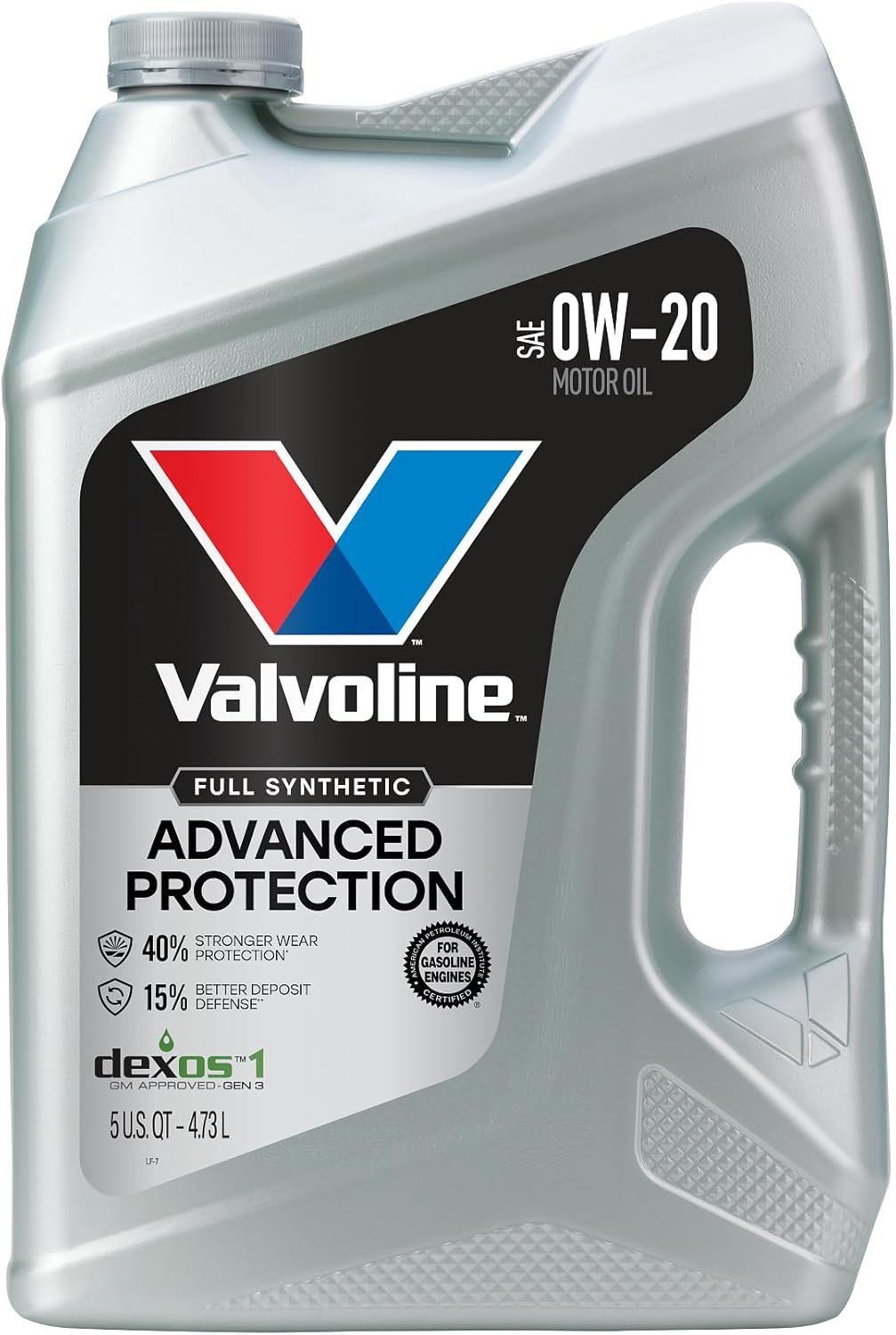
Best Value: Valvoline Advanced Full Synthetic 0W-20 Valvoline’s dexos1 Gen 3 approved formula delivers reliable protection at the most accessible price point. Well-balanced additive chemistry with strong anti-wear and detergent properties. Widely available at Walmart, AutoZone, O’Reilly, and Amazon at $24-30 for 5 quarts. For an 8-quart fill, expect to spend approximately $48-60 total.
Oil Change Intervals
GM Official Recommendation:
- Oil Life Monitor system: typically indicates between 7,500 and 10,000 miles under normal driving
Recommended Practice: 5,000 to 7,000 miles or every 6 months, whichever comes first.
GM’s Oil Life Monitor calculates service intervals based on engine load, temperature, RPM, and driving time. Under ideal highway conditions it may stretch to 10,000 miles. However, the Silverado’s real-world duty cycle often includes conditions that degrade oil faster than the algorithm accounts for: towing, hauling heavy loads in the bed, extended idling at job sites, dusty environments, and frequent short trips. Given the known lifter vulnerability in this engine, shorter intervals provide a meaningful safety margin.
Drop to 5,000 miles or sooner if:
- You tow regularly (boats, trailers, RVs)
- The truck idles for extended periods (job sites, construction)
- You drive primarily short trips under 10 miles
- Operating in extreme heat (Southwest US summers)
- Oil consumption exceeds 1 quart per 3,000 miles
- Any unusual valve train noise appears
AFM/DFM Lifter Failure: The #1 Problem
This is the defining reliability concern of the 5.3L EcoTec3 and the reason this engine demands strict oil discipline.
The problem: The hydraulic roller lifters used in GM’s AFM (2007-2019) and DFM (2019-present) systems are prone to premature failure. These are collapsing lifters — they contain an internal locking mechanism that, when activated by oil pressure controlled by solenoids, allows the lifter to collapse and deactivate its cylinder. The mechanism adds mechanical complexity to a component operating under extreme load, and the failure rate has been unacceptably high.
The scale: Lifter failures have been documented extensively in the 5.3L V8 across model years 2014-2021, with some owners reporting failures within the first 20,000 miles. GM has issued multiple technical service bulletins (TSBs) addressing lifter noise, misfires, and complete lifter collapse. A failed lifter typically takes out the camshaft lobe it rides on, turning a $200 lifter into a $4,000-$8,000 repair that requires pulling the cylinder heads to access the lifter valley.
Symptoms of failing lifters:
- Ticking or tapping noise at idle, particularly when cold
- Misfire codes on specific cylinders (P0300-series DTCs)
- Rough idle or vibration that worsens over time
- Check engine light with cylinder-specific misfire codes
- In severe cases, a loud metallic knock indicating camshaft lobe damage
AFM vs. DFM — the critical difference: The original AFM system used collapsing lifters on only 8 of the 16 lifters (cylinders 1, 4, 6, 7), deactivating four cylinders for a single V4 pattern. DFM uses collapsing lifters on all 16 positions and switches between 17 firing patterns. This means every lifter in the DFM system is a complex collapsing unit, and every lifter is a potential failure point. Earlier AFM engines at least had eight standard lifters that could not fail in this specific way.
Why oil matters: The lifter locking mechanism depends entirely on oil pressure and oil cleanliness to function correctly. Contaminated oil, degraded oil with reduced anti-wear properties, or oil that has lost viscosity cannot maintain precise hydraulic control of the collapsing mechanism. Sludge or varnish deposits in the lifter bores impede smooth lifter travel. Fresh dexos1 Gen 3 oil with strong detergent properties and stable viscosity is the only controllable factor that directly influences lifter longevity.
The AFM disabler misconception: Aftermarket devices that disable AFM/DFM through the OBD-II port prevent the computer from commanding cylinder deactivation. This reduces the frequency of lifter cycling, but it does not change the physical lifter design. You still have 16 collapsing lifters installed — they are simply never commanded to collapse. The internal locking mechanism still exists, still relies on oil pressure, and can still fail. An AFM disabler is a reasonable precaution but not a cure.
Oil Consumption: What GM Considers “Normal”
GM’s official position is that oil consumption of up to 1 quart per 2,000 miles is within acceptable limits for the 5.3L EcoTec3. Many owners and independent technicians consider this excessive for a modern engine, and a healthy L84 should consume significantly less — typically 1 quart per 5,000-7,000 miles or less.
If your Silverado consumes more than 1 quart per 3,000 miles, do not simply accept it. Check for external leaks at the valve covers, oil pan, and rear main seal. Excessive consumption without visible leaks suggests internal wear — piston ring sealing issues or valve guide wear. Either way, monitor your dipstick every 1,000 miles between changes and top up with the same dexos1 Gen 3 0W-20 oil. Never let the oil level drop below the minimum mark, especially in an engine where lifter hydraulics depend on consistent oil pressure.
Conclusion
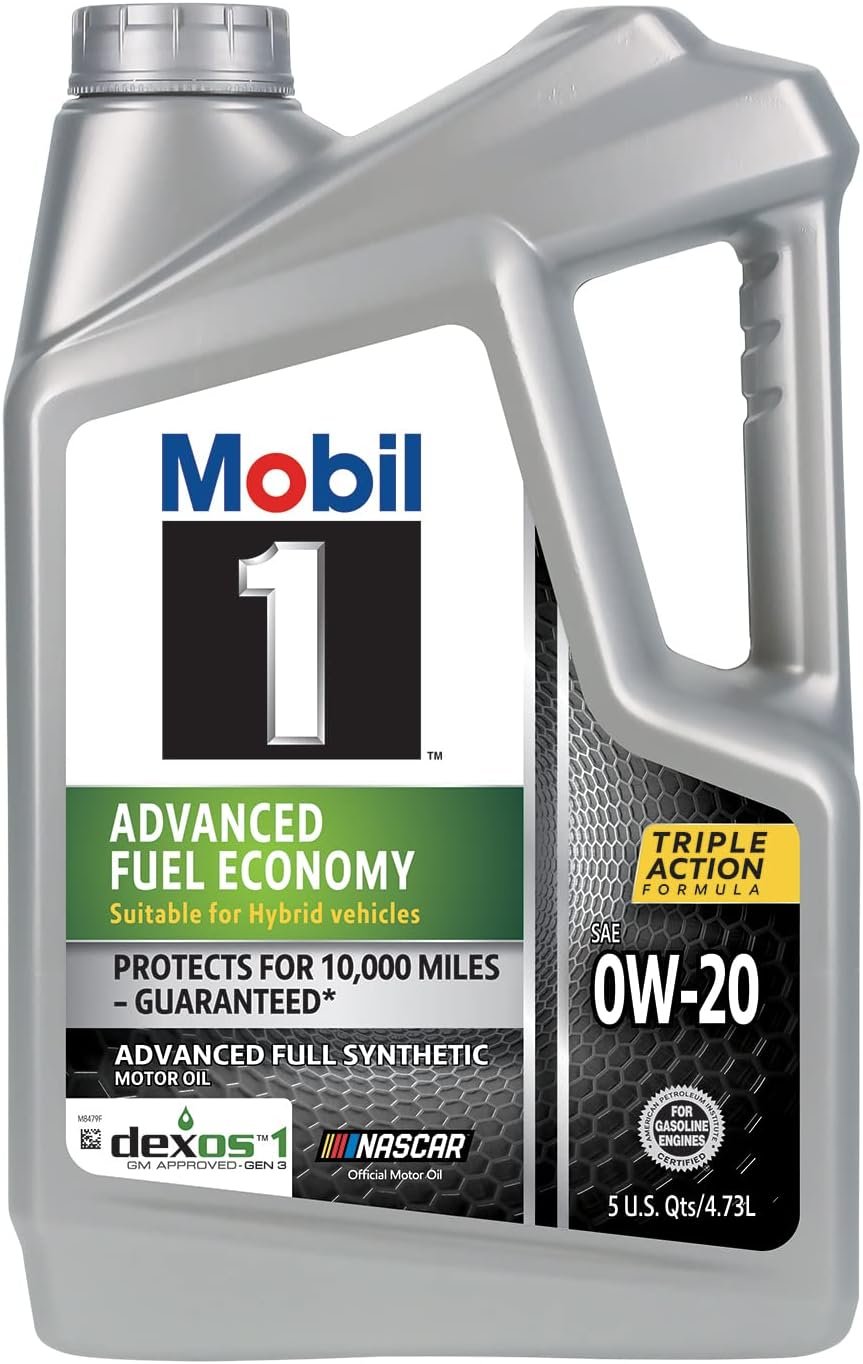
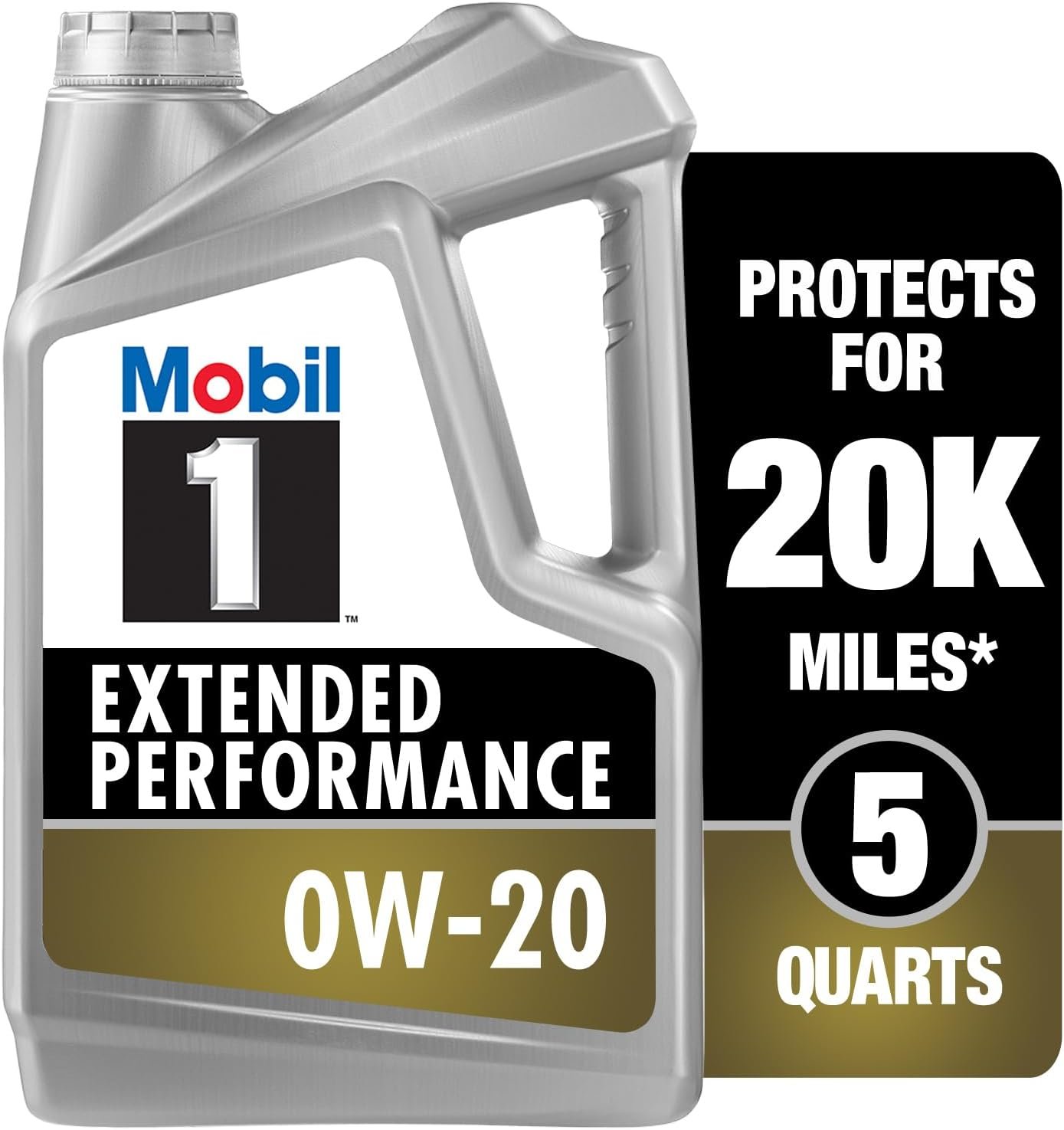
The Chevrolet Silverado 1500 5.3L V8 EcoTec3 (L84) requires 8.0 quarts of dexos1 Gen 3 approved SAE 0W-20 full synthetic engine oil at every service. Use ACDelco dexos1, Mobil 1, Pennzoil Platinum, or Valvoline Advanced Full Synthetic — all in 0W-20 and all carrying the dexos1 Gen 3 approval stamp on the bottle.
Change the oil at 5,000 to 7,000 miles rather than stretching to the Oil Life Monitor’s maximum. Monitor your dipstick every 1,000 miles for both level and condition. The $50-65 spent on quality oil every 5,000 miles is the most cost-effective protection against lifter failure that can run $4,000-$8,000 to repair. The L84 is a strong, capable truck engine when maintained properly. Keep clean, correctly specified oil in it, and it will deliver hundreds of thousands of reliable miles.
Our Top Picks
As an Amazon Associate, we may earn from qualifying purchases. This doesn't affect our recommendations — we only suggest oils that hold the exact OEM approval for your engine.