 Oil-
Oil-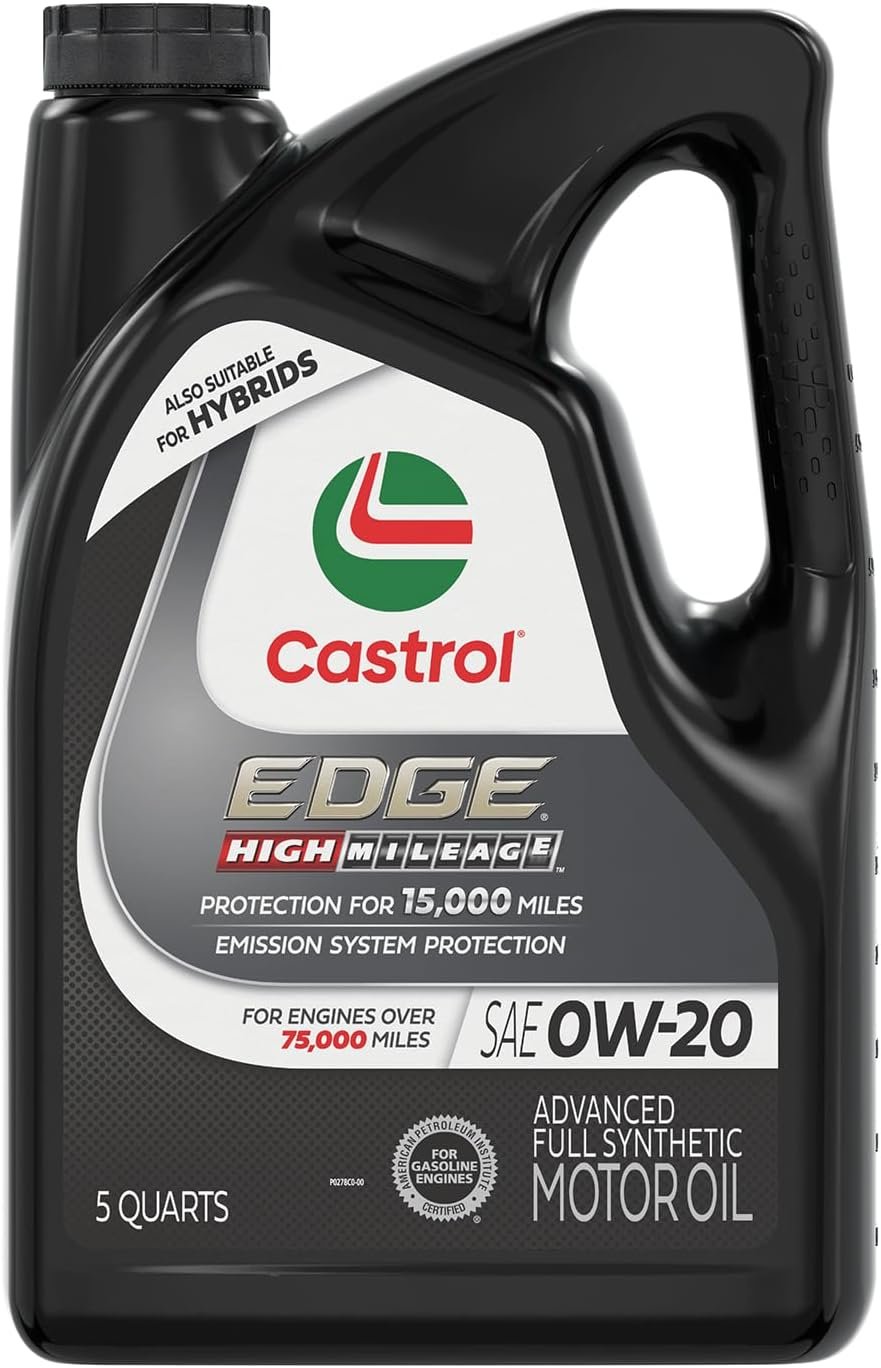
As an Amazon Associate, we may earn from qualifying purchases. This doesn't affect our recommendations — we only suggest oils that hold the exact OEM approval for your engine.
Best Engine Oil for Chevrolet Malibu 9th Gen 1.5L Turbo (160 HP) — LFV
The ninth-generation Chevrolet Malibu (2016-2024) powered by the 1.5-liter turbocharged LFV engine was GM’s mainstream midsize sedan for nearly a decade. It is also an engine with a well-documented history of lubrication-related failures. GM issued technical service bulletins covering Low-Speed Pre-Ignition (LSPI) piston damage on 2016-2017 models, and owners have reported timing chain stretch, excessive oil consumption, and turbocharger failures, all directly connected to oil quality. The LFV holds only 4.2 quarts with the filter, leaving almost no margin for degradation or level loss. This guide covers the mandatory dexos1 Gen 3 specification, explains why it matters for the LFV, and recommends four oils proven to protect this powertrain.
Quick Answer: Recommended Oil
For Chevrolet Malibu 9th Gen 1.5L Turbo (160 HP, LFV):
- Specification: dexos1 Gen 3 (supersedes dexos1 Gen 2)
- Viscosity: SAE 0W-20
- Oil capacity: 4.2 quarts with filter (4.0 quarts without)
Critical: Only use 0W-20 full synthetic carrying dexos1 Gen 3 approval. This standard includes mandatory LSPI protection that older dexos1 Gen 2 and generic API SN oils lack. Using non-dexos1 oil voids your powertrain warranty and removes the additive chemistry protecting this engine from its most destructive failure mode.
The LFV Ecotec Engine
The LFV is a 1,490cc turbocharged inline four-cylinder producing 160 horsepower at 5,700 RPM and 184 lb-ft of torque from 2,500 to 4,000 RPM. It powers the 2016-2024 Malibu in base and LT trims, paired exclusively with a GM six-speed automatic transmission (6T40). The engine uses direct fuel injection, a single-scroll turbocharger with an integrated exhaust manifold, continuously variable valve timing on both intake and exhaust camshafts, and a compression ratio of 10.0:1.
The LFV belongs to GM’s second-generation Ecotec small-displacement turbo family, sharing architecture with the LYX (Equinox 1.5T) and LE2 (Trailblazer 1.3T). It features a die-cast aluminum block with cast iron cylinder liners, a forged steel crankshaft, and a timing chain driving the dual overhead camshafts. The direct injection system operates at up to 2,175 psi, spraying fuel directly into the combustion chamber. This enables precise fuel metering but creates conditions for LSPI and fuel dilution of the crankcase oil, both exacerbated by the engine’s small 4.2-quart oil capacity.
Understanding dexos1 Gen 3 Oil Specifications
GM’s dexos1 is not a marketing label but a proprietary oil standard defining minimum requirements for base stock quality, additive chemistry, and engine protection. The Gen 3 revision, introduced in 2021, added critical requirements addressing the LFV’s known vulnerabilities.
The most important addition is mandatory LSPI protection. LSPI occurs when fuel-oil droplets on the cylinder wall auto-ignite before the spark plug fires, typically under high-load, low-RPM conditions. The resulting pressure spike can crack piston ring lands and destroy the engine in a single event. GM identified calcium-based detergent additives in older formulations as LSPI contributors, and dexos1 Gen 3 restricts calcium levels while increasing molybdenum-based friction modifiers that do not promote pre-ignition.
Dexos1 Gen 3 also tightens requirements for aeration resistance, turbocharger deposit control, and timing chain wear protection. Oils meeting only the older dexos1 Gen 2 may still be on store shelves but lack the enhanced LSPI chemistry. Look for the dexos1 Gen 3 logo on the bottle, not just a generic “dexos approved” claim.
Technical Specifications: 1.5L Turbo (LFV)
| Specification | Value |
|---|---|
| Displacement | 1,490cc (1.5 liters) |
| Layout | Inline-4, transverse, aluminum block with iron liners |
| Valvetrain | DOHC, 16 valves, dual CVVT, timing chain |
| Turbocharger | Single-scroll, integrated exhaust manifold |
| Power | 160 HP @ 5,700 RPM |
| Torque | 184 lb-ft @ 2,500-4,000 RPM |
| Compression Ratio | 10.0:1 |
| Fuel Type | Regular unleaded (87 octane minimum) |
| Recommended Viscosity | SAE 0W-20 |
| Oil Capacity (without filter) | 4.0 quarts (3.8 liters) |
| Oil Capacity (with filter) | 4.2 quarts (4.0 liters) |
| Oil Specification | dexos1 Gen 3 |
Best Value: Pennzoil Platinum Full Synthetic 0W-20 Pennzoil’s PurePlus gas-to-liquid base oil starts with natural gas rather than crude oil, producing a base stock with fewer impurities. Dexos1 Gen 3 approved with strong LSPI protection. Widely available at Walmart, AutoZone, and O’Reilly for $24-28 for 5 quarts.
Oil Change Intervals
GM Official Recommendation:
- Oil Life Monitor system: typically indicates between 7,500 and 10,000 miles
Recommended Practice: 5,000 to 7,000 miles or every 6 months, whichever comes first.
GM’s Oil Life Monitor may not trigger until 10,000 miles under ideal highway conditions. For many Malibu owners with urban commuting patterns or in cold-climate states, these assumptions are optimistic given the LFV’s documented oil consumption tendencies.
Consider 5,000-mile intervals if:
- Predominantly short urban trips under 15 minutes
- Vehicle has covered over 60,000 miles
- Oil consumption between changes exceeds half a quart
- Cold climate with temperatures regularly below 20 degrees F
Check the dipstick every 1,000 to 2,000 miles. A dropping level is common on higher-mileage LFV engines. Never allow the level to fall below the minimum mark.
Common LFV Problems Related to Oil
LSPI Piston Damage (2016-2017 Models)
GM issued technical service bulletin PIP5553 addressing LSPI events in early LFV engines. The 2016 and 2017 Malibu 1.5T was particularly affected, with owners reporting sudden knocking, misfires, and complete engine failure from cracked pistons. LSPI occurs most frequently during low-RPM, high-load acceleration. GM’s response included recalibrated ECU software and the development of dexos1 Gen 3 oil chemistry. If you own a 2016 or 2017 Malibu, confirm with your dealer that the latest ECU calibration has been applied.
Timing Chain Stretch
Owners and technicians have documented timing chain stretch as early as 80,000 to 100,000 miles, producing a cold-startup rattle that fades as the hydraulic tensioner takes up slack. Severe stretch triggers check engine lights with camshaft position codes (P0016, P0017). The tensioner relies on oil pressure, and the chain depends on consistent lubrication at every pivot point. Fresh dexos1 Gen 3 oil at proper intervals is the most effective defense against premature chain wear.
Oil Consumption from Piston Ring Damage
Excessive oil consumption, more than one quart per 2,000 miles, has been reported across the LFV production run. The root cause is piston ring wear or sticking, allowing oil to enter the combustion chamber. Contributing factors include carbon buildup from direct injection, LSPI events that damage ring lands, and extended intervals that allow sludge in ring grooves. Once established, ring damage cannot be reversed, but clean oil slows progression.
Turbocharger Failures
The LFV’s turbocharger relies entirely on engine oil for bearing lubrication and heat dissipation. Failures have been documented at mileages as low as 60,000 miles, with symptoms including oil smoke from the exhaust, whining or grinding noises, and reduced boost triggering limp mode. The most common cause is oil coking, where degraded oil bakes onto bearing surfaces and forms hard carbon deposits restricting oil flow. The LFV’s small oil volume means it runs hotter per unit than in a larger sump, accelerating thermal breakdown. Fresh dexos1 Gen 3 oil changed at recommended intervals is the primary defense against premature turbo failure.
Why Correct Oil Matters for the LFV
The LFV stresses engine oil beyond what its modest displacement suggests. Turbocharger exhaust-side temperatures exceed 1,000 degrees F. Direct injection introduces fuel into the crankcase during every cold start. The 4.2-quart sump provides minimal thermal mass to buffer temperature spikes. And the engine’s LSPI susceptibility means the oil’s additive chemistry is actively preventing catastrophic events during normal driving. Using non-dexos1 oil, extending drain intervals, or allowing the level to drop removes protections this engine specifically needs.
Conclusion
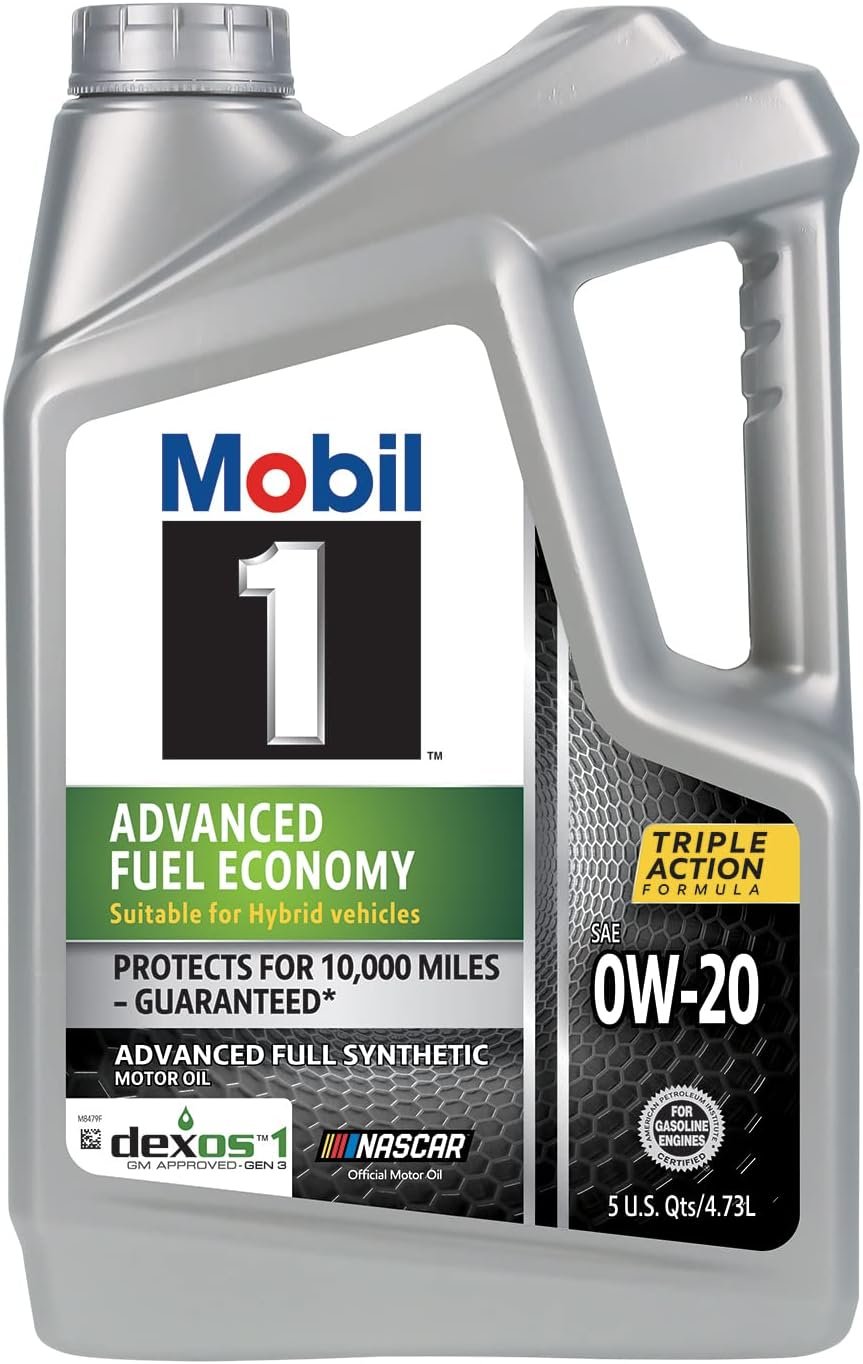
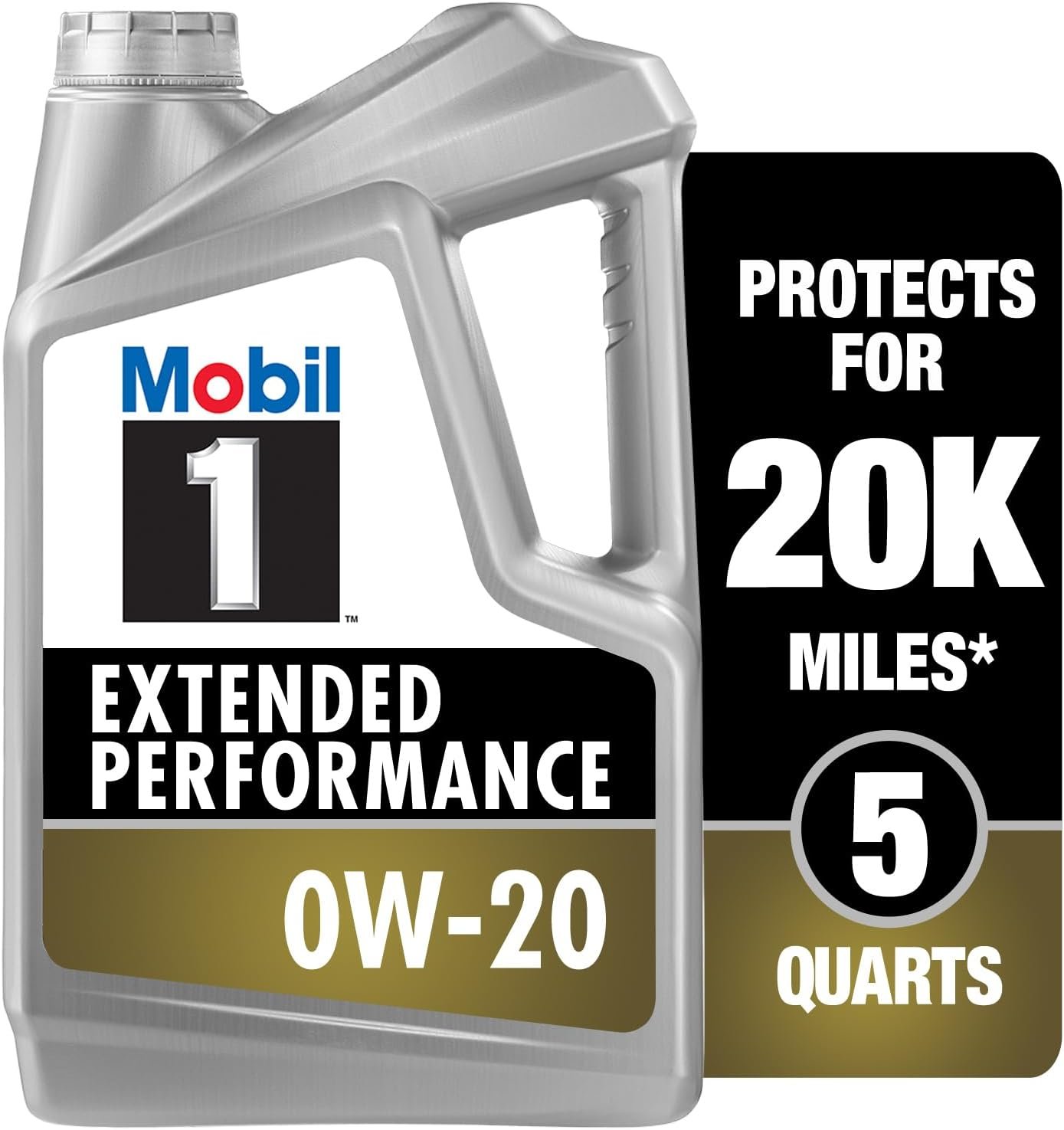
The Chevrolet Malibu 9th gen 1.5L turbo (LFV) requires 4.2 quarts of SAE 0W-20 engine oil meeting dexos1 Gen 3 at every service. ACDelco Gold at $25-30 provides the OEM baseline, while Mobil 1, Castrol EDGE, and Pennzoil Platinum offer excellent alternatives between $24 and $32 for 5-quart jugs.
Change oil at 5,000 to 7,000 miles. Check the dipstick every 1,000 to 2,000 miles. Use only dexos1 Gen 3 approved 0W-20 full synthetic. Confirm all ECU updates have been applied on 2016-2017 models. The $25-30 spent on quality oil at shortened intervals is the cheapest insurance against repair bills exceeding $3,000 for timing chain, turbocharger, or engine replacement work that this powertrain requires when maintenance is neglected.
Our Top Picks
As an Amazon Associate, we may earn from qualifying purchases. This doesn't affect our recommendations — we only suggest oils that hold the exact OEM approval for your engine.