 Oil-
Oil-
As an Amazon Associate, we may earn from qualifying purchases. This doesn't affect our recommendations — we only suggest oils that hold the exact OEM approval for your engine.
Best Engine Oil for Toyota Camry XV70 2.5 Dynamic Force (203 HP) — A25A-FKS
The eighth-generation Toyota Camry XV70 (2018+) with the 2.5-liter A25A-FKS engine is one of the best-selling sedans in America for good reason. This Dynamic Force four-cylinder produces 203 horsepower while achieving 40 percent thermal efficiency — a figure that was considered the practical ceiling for mass-production gasoline engines when it launched. That efficiency comes from engineering decisions that place specific demands on the engine oil. The A25A-FKS was designed around ultra-low viscosity lubricants, and using the wrong oil undermines both performance and longevity. This guide covers the correct specification, capacity, recommended products, and the known issues every Camry owner should understand.
Quick Answer: Recommended Oil
For Toyota Camry XV70 2.5 Dynamic Force (203 HP, A25A-FKS):
- Specification: API SP / ILSAC GF-6A
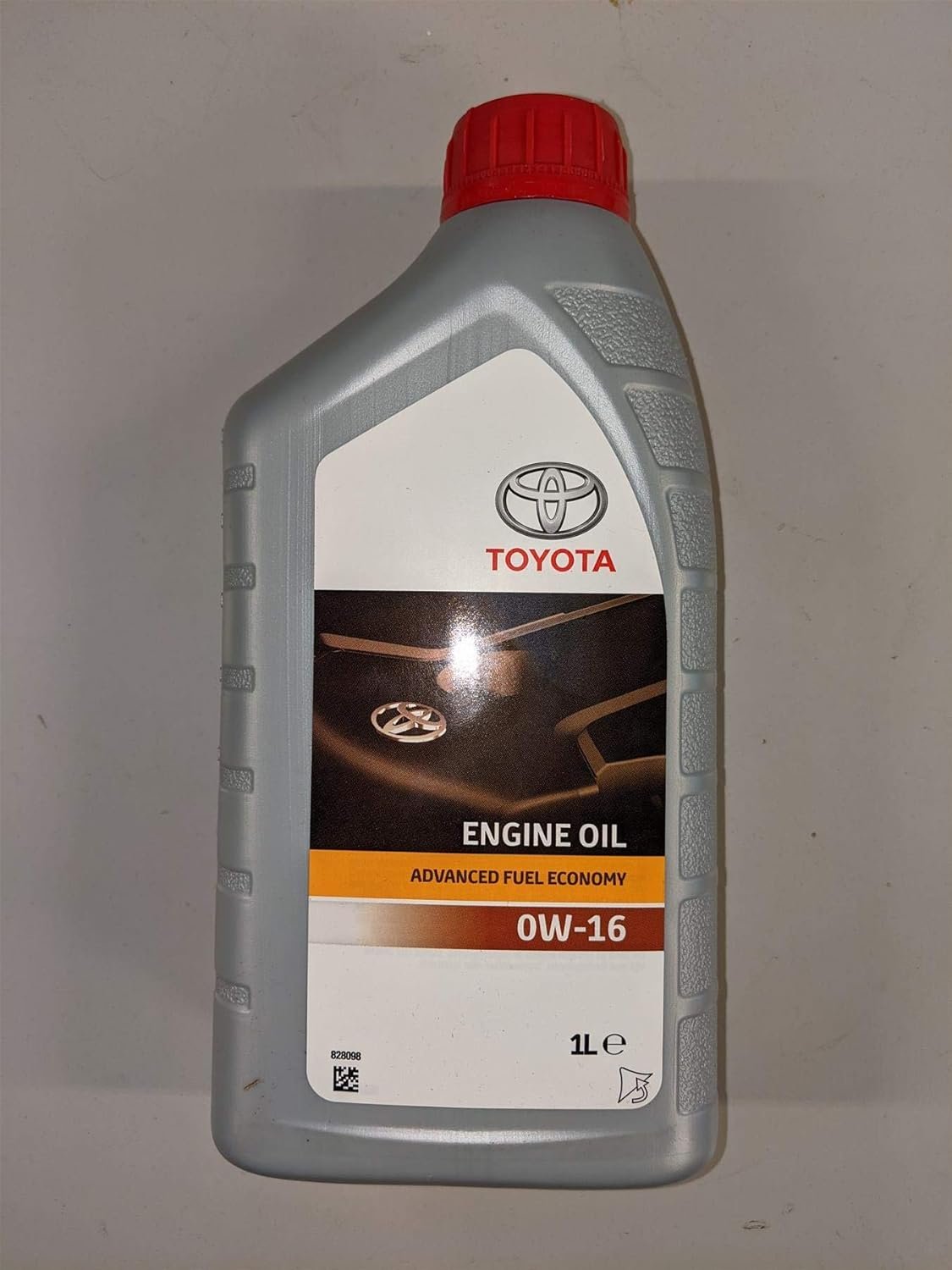
- Preferred viscosity: SAE 0W-16
- Alternative viscosity: SAE 0W-20
- Oil capacity: 4.8 quarts with filter (4.5 quarts without)
Key point: Toyota specifies SAE 0W-16 as the primary viscosity for the A25A-FKS. The engine’s bearing clearances, piston ring tension, and oil passages are engineered for 0W-16 at operating temperature. SAE 0W-20 meeting API SP is the approved alternative. Do not use 5W-20, 5W-30, or any heavier grade — the A25A-FKS does not benefit from thicker oil, and using one creates unnecessary friction while potentially starving tighter oil passages.
The A25A-FKS Engine
The A25A-FKS is a 2,487cc naturally aspirated inline four-cylinder with an aluminum block and head, producing 203 horsepower at 6,600 RPM and 184 lb-ft of torque at 5,000 RPM. It shares its Dynamic Force architecture with the smaller M20A-FKS in the Corolla, built around the same philosophy: extract maximum efficiency through high compression, advanced valve timing, and dual injection.
The compression ratio of 13.0:1 is exceptionally high for a US-market gasoline engine. Toyota achieves reliable combustion at this ratio through D-4S dual injection, combining high-pressure direct injection with conventional port injection. Under high load, direct injection provides precise fuel metering and charge cooling. At lighter loads, port injection takes over and washes the intake valves with fuel at every cycle — preventing the carbon deposit buildup that plagues direct-injection-only engines.
The valvetrain uses Dual VVT-iE on the intake side — an electric motor adjusts cam timing independently of oil pressure, ensuring precise valve timing even during cold starts. The exhaust-side hydraulic VVT-i, however, depends entirely on oil quality and pressure for proper function. The bore of 87.5mm and stroke of 103.4mm creates a long-stroke design favoring torque at moderate RPM, paired with a Direct Shift 8-speed automatic in most Camry trims.
Understanding the Oil Specification
API SP is the current top-tier gasoline engine oil standard, introduced in 2020. It includes enhanced protection against low-speed pre-ignition (LSPI) — genuinely relevant for the A25A-FKS at 13.0:1 compression — along with improved deposit control and oxidation stability. ILSAC GF-6A accompanies API SP and adds fuel economy requirements. Always verify both the API SP donut and the ILSAC GF-6A starburst on the bottle.
The A25A-FKS was designed from the ground up for 0W-16 oil. The bearing clearances are tighter than on older engines, the oil pump is calibrated for 0W-16 viscosity, and the oil passages are sized accordingly. This reduces hydrodynamic friction throughout the engine, contributing directly to its thermal efficiency. SAE 0W-20 is the approved alternative with a marginally thicker film at operating temperature. Either viscosity is fully acceptable, and switching between them causes no harm. Moving to 5W-20 or 5W-30 does cause harm — increased parasitic friction without meaningful additional wear protection.
Technical Specifications: A25A-FKS
| Specification | Value |
|---|---|
| Displacement | 2,487cc (2.5 liters) |
| Layout | Inline-4, transverse, aluminum block and head |
| Valvetrain | DOHC, 16 valves, timing chain, Dual VVT-iE (intake) / VVT-i (exhaust) |
| Injection | D-4S dual injection (direct + port) |
| Bore x Stroke | 87.5mm x 103.4mm |
| Compression Ratio | 13.0:1 |
| Power | 203 HP @ 6,600 RPM |
| Torque | 184 lb-ft @ 5,000 RPM |
| Fuel Type | Regular unleaded (87 octane minimum) |
| Recommended Viscosity | SAE 0W-16 |
| Alternative Viscosity | SAE 0W-20 |
| Oil Capacity (without filter) | 4.5 quarts (4.3 liters) |
| Oil Capacity (with filter) | 4.8 quarts (4.6 liters) |
| Oil Specification | API SP / ILSAC GF-6A |
| Timing | Chain (lifetime, no scheduled replacement) |
Best Value: Valvoline Advanced Full Synthetic 0W-20 For owners who prefer the wider availability of 0W-20, Valvoline’s full synthetic meets API SP and ILSAC GF-6A with strong anti-wear and detergent properties. Available everywhere for $23-27 for 5 quarts. A practical choice for higher-mileage engines.
Oil Change Intervals
Toyota Official Recommendation:
- Standard service: 10,000 miles or 12 months
- Severe conditions: 5,000 miles or 6 months
Recommended Practice: 5,000 to 7,500 miles, depending on driving conditions.
Many US Camry owners drive in conditions Toyota classifies as “severe” — frequent short trips, stop-and-go commuting, extreme temperatures. Under these conditions, 10,000 miles is too long. A 5,000 to 7,500-mile interval costs roughly $30-40 per change and provides significantly better long-term protection for a sedan expected to deliver 200,000+ miles of service.
Why Correct Oil Matters
The A25A-FKS is built around precision tolerances. The 13.0:1 compression ratio generates higher cylinder pressures than most naturally aspirated competitors, placing greater demands on oil film strength. The hydraulic exhaust VVT-i relies on oil pressure and viscosity for accurate actuation — degraded oil produces sluggish timing response. The timing chain tensioner is hydraulically operated and depends on clean oil to maintain proper tension; running low on oil eventually produces a cold-start rattle that worsens over time. The low-tension piston rings that contribute to efficiency are more sensitive to oil quality than higher-tension rings in older designs — clean oil with strong detergent properties keeps them mobile in their grooves, maintaining the seal that prevents excessive oil consumption.
Common A25A-FKS Problems Related to Oil
2017-2018 Oversized Piston Manufacturing Defect
A limited production run of early A25A-FKS engines manufactured at the Aisin plant in Tennessee produced approximately 1,700 units with oversized pistons due to a machining tolerance error. Affected engines exhibited elevated oil consumption, abnormal combustion noise, and piston slap at cold start. Toyota identified and corrected the issue during production and addressed affected vehicles through dealers. If purchasing a used 2018 Camry with unusually high oil consumption, investigate through the vehicle’s service history and a VIN check with Toyota.
Oil Consumption Variability
The A25A-FKS uses low-tension piston rings designed to minimize friction. The trade-off is that some engines consume more oil than others. Consumption of half a quart over 5,000 miles is not unusual and falls within Toyota’s acceptable range. With only 4.8 quarts total capacity, even a half-quart loss represents 10 percent of the oil volume. Check your dipstick at every other fuel stop and top off with the same specification oil.
EGR Cooler Leaks
The EGR cooler has been a documented failure point. When it develops internal leaks, coolant enters the intake tract or combustion chamber, producing white smoke, unexplained coolant loss, and in severe cases engine damage. Coolant contamination in the combustion chamber washes oil from cylinder walls and accelerates bearing wear. Monitor coolant levels and investigate any unexplained loss promptly.
Electric Water Pump Failures
The electric water pump allows ECU-controlled coolant flow independent of engine speed, but it has proven less durable than mechanical pumps. Failures present as overheating warnings with little advance notice. Even a single severe overheating event permanently damages the oil’s additive package and accelerates bearing wear. If the temperature gauge rises abnormally, stop driving immediately.
VVT-iE Intake System Complexity
The electric VVT-iE on the intake side introduces failure modes that the hydraulic exhaust system does not have — the electric motor and its control circuitry can degrade over time. Diagnostic trouble codes related to VVT-iE actuator performance have been reported, though outright failures remain uncommon. Maintaining fresh oil of the correct viscosity ensures the hydraulic exhaust VVT-i operates correctly and reduces overall valvetrain stress.
Conclusion
The Toyota Camry XV70 2.5 Dynamic Force (A25A-FKS) requires 4.8 quarts of API SP / ILSAC GF-6A compliant SAE 0W-16 engine oil at every service, with SAE 0W-20 as a fully acceptable alternative. Choose from Toyota Genuine 0W-16, Mobil 1 Advanced Fuel Economy 0W-16, Idemitsu 0W-16, or Valvoline Advanced Full Synthetic 0W-20 — all meeting API SP — and verify the certification marks on the bottle.
Be aware of the 2017-2018 Aisin Tennessee piston defect on early production units, monitor for EGR cooler leaks and electric water pump symptoms, and check your oil level regularly. Change the oil every 5,000 to 7,500 miles rather than stretching to 10,000. The A25A-FKS is one of the most thermally efficient naturally aspirated engines in production, and the 0W-16 specification is integral to that design. Respect the specification, maintain sensible intervals, and this engine will deliver reliable service well beyond 200,000 miles.
Our Top Picks
As an Amazon Associate, we may earn from qualifying purchases. This doesn't affect our recommendations — we only suggest oils that hold the exact OEM approval for your engine.